New Zealand’s Luxury Real Estate: A Safe Haven Under Scrutiny
For centuries, the concept of wealth protection has evolved dramatically. In a bygone era, the affluent secured their fortunes in tangible assets like gold, precious jewels, or vast estates, often discreetly relocating them to evade potential threats or societal upheaval. This instinct to safeguard prosperity against uncertainty remains, but the methods and targets have profoundly transformed. Today, while million-dollar jewels may adorn red carpet events, they are frequently temporary loans, symbols of fleeting glamour rather than permanent repositories of wealth. The modern affluent have refined their strategies, moving beyond physical hoarding to a complex web of offshore banks, blind trusts, limited liability companies (LLCs), and increasingly, cryptocurrencies to shield assets from scrutiny or expropriation. This shift reflects a world where financial security often lies in intricate legal and digital frameworks rather than a strongbox.
This evolution in wealth protection is intrinsically linked to a new form of “fleeing.” No longer confined to a mad dash in the dead of night, it now entails private jets transporting the super-rich to what they perceive as tranquil, far-away havens. These destinations, often stable and geographically remote nations, are chosen for their promise of insulation from global instability—be it political unrest, economic downturns, or even the looming threat of environmental and nuclear catastrophes. Yet, this pursuit of sanctuary has created a ripple effect: the local populations in these coveted lands are increasingly feeling the squeeze, priced out of their own real estate markets, and are beginning to mobilize against this influx of foreign capital.
The Rise of “Apocalypse Insurance” and New Zealand’s Appeal
The narrative of the super-rich seeking ultimate refuge gained significant public attention when The New Yorker published a story in 2017 detailing how wealthy Americans were aggressively purchasing New Zealand real estate. This trend wasn’t merely about luxury investment; it was about securing “apocalypse insurance” – a strategic hedge against potential global cataclysms like political Armageddon, societal collapse, or nuclear war. New Zealand quickly emerged as a prime candidate for this unique form of doomsday prepping, captivating a niche market of ultra-high-net-worth individuals.
What makes New Zealand such an attractive proposition for those seeking a safe haven? Its allure stems from a confluence of unique geographical, political, and socio-economic factors. Firstly, its extreme geographical remoteness in the southern hemisphere provides a natural buffer, perceived as being far removed from potential geopolitical flashpoints. Secondly, it is a highly developed, first-world country with robust infrastructure, stable governance, a strong rule of law, and a high quality of life. This combination offers both perceived safety and comfortable living standards. Crucially, New Zealand maintains an inoffensive and largely neutral stance in global politics, reducing its likelihood of becoming a primary target in any major international conflict. From a more apocalyptic perspective, many believe that should a nuclear conflict erupt, it would most likely be concentrated in the northern hemisphere, with global wind patterns theoretically carrying fallout well north of the island nation, offering a degree of insulation from widespread devastation. These factors collectively positioned New Zealand as the ultimate bolthole for those anticipating the worst.
Addressing the Housing Crisis: Jacinda Ardern’s Policy Shift
While appealing to the global elite, this surge in foreign investment, particularly in residential property, began to exert immense pressure on New Zealand’s local housing market. Average house prices skyrocketed, making homeownership an increasingly distant dream for many ordinary New Zealanders. This growing disparity and concern over housing affordability became a significant political issue, culminating in a landmark policy change.
In 2017, then-Prime Minister Jacinda Ardern campaigned on a promise to tackle the country’s skyrocketing housing prices and address the perception that wealthy foreigners were driving locals out of the market. Fulfilling this pledge, her government passed the Overseas Investment Amendment Bill into law in August 2018. This pivotal legislation banned most foreign non-residents from purchasing existing homes in New Zealand. The law primarily targeted individuals who did not hold New Zealand residency or citizenship, effectively classifying residential land as “sensitive” for overseas investment purposes. While there are some exceptions – for example, Australian and Singaporean citizens are generally exempt due to existing trade agreements – the overarching goal was clear: to cool down an overheated housing market and ensure that New Zealand homes remained accessible and affordable for New Zealanders. This bold move sent a strong signal globally, asserting national sovereignty over critical assets like housing and prioritizing the well-being of its citizens over unchecked foreign capital inflow.
The Global Implications of Foreign Property Ownership
New Zealand’s decisive action is not an isolated incident but rather a prominent example of a growing global trend. Countries worldwide are grappling with the complex implications of foreign real estate investment. While such investment can bring economic benefits, boost construction, and introduce capital, it often comes at a steep social cost. Local communities frequently experience escalating property values, which can lead to displacement, gentrification, and a loss of local character and affordability. The ethical dilemma at the heart of this issue is whether the right to invest freely should supersede a nation’s responsibility to ensure its citizens have access to affordable housing.
The phenomenon highlights a fundamental tension between globalized capital and local sovereignty. For many super-rich individuals, property in desirable locations like New Zealand represents not just an investment, but a tangible manifestation of security, status, and an escape route. However, for the average citizen in these sought-after regions, it represents their home, their community, and their future. Governments are increasingly compelled to find a delicate balance, implementing policies that aim to harness the benefits of foreign investment while mitigating its negative impacts on local populations. From Vancouver’s foreign buyer tax to various restrictions in other popular destinations, the debate over who has the right to buy and own property in specific markets is intensifying.
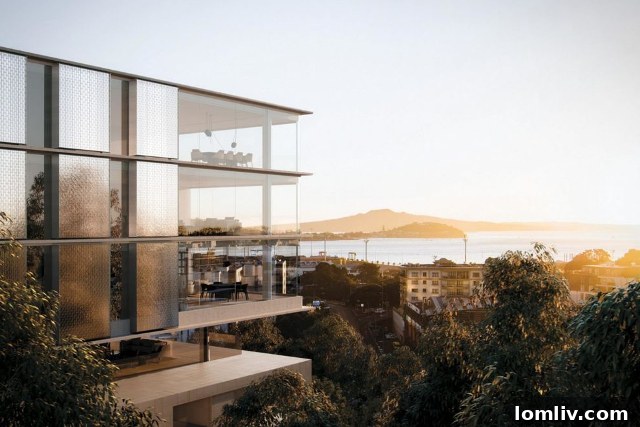
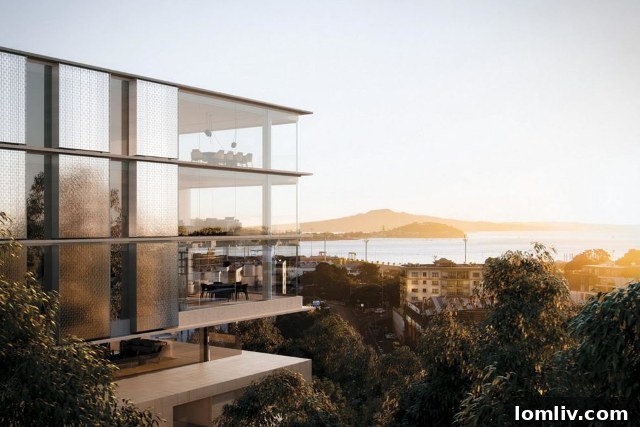
Ultimately, the US$3.8 million New Zealand penthouse pictured stands as a symbol of this intricate global dynamic. Its potential buyers represent the modern pursuit of ultimate luxury and security, yet its sale is now governed by national policies aimed at protecting local housing markets. The question of “Who will buy this US$3.8 million New Zealand penthouse?” is now intertwined with a broader narrative of national identity, economic equity, and the evolving nature of wealth in an increasingly interconnected yet fractured world.
To gain a deeper understanding of the economic costs and profound local impacts of unprotected real estate markets facing substantial foreign investment, we encourage you to head over to SecondShelters.com for further insights.