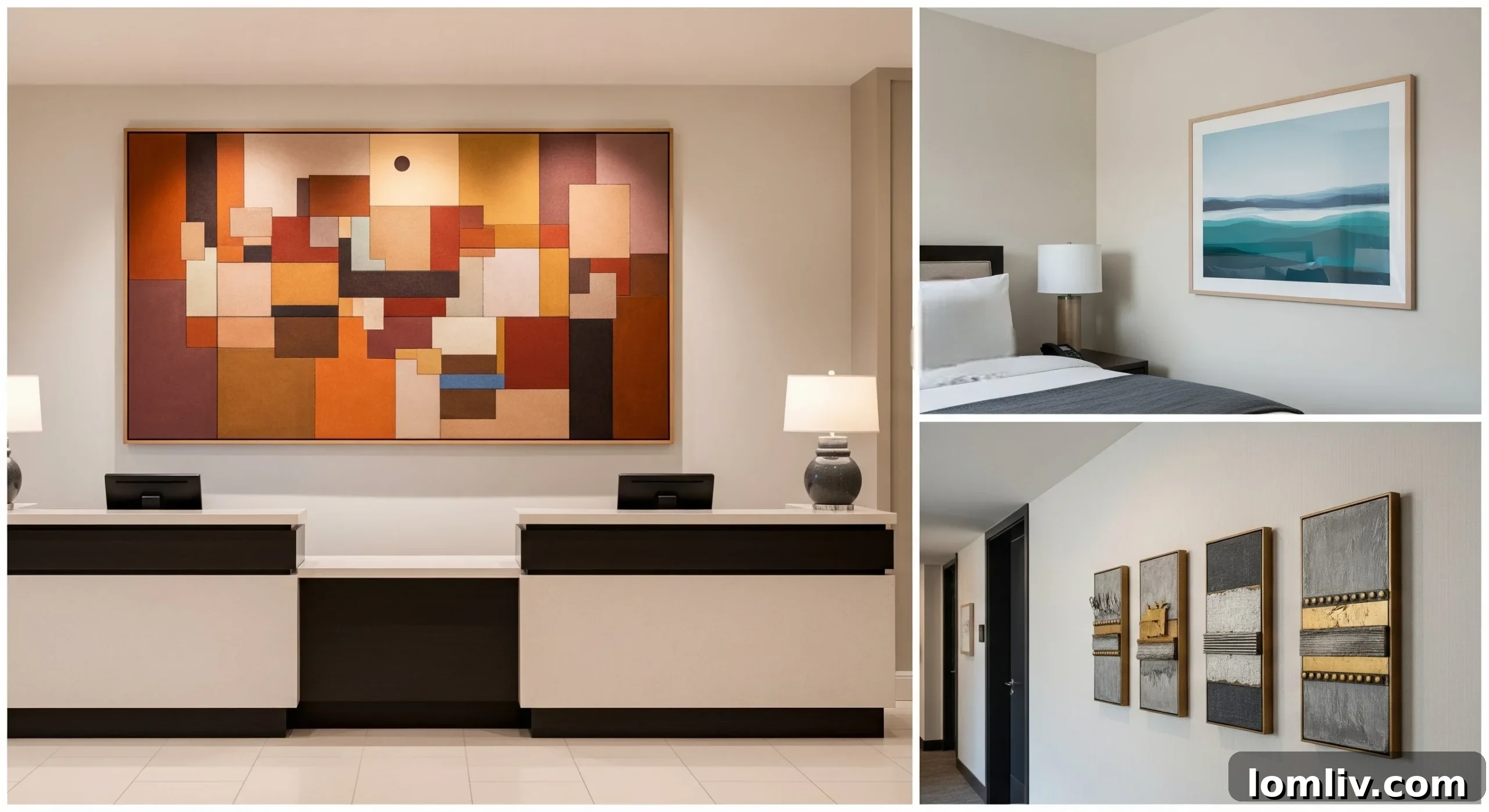
In the vibrant and competitive world of hospitality, an exceptional guest stay is shaped by far more than just comfortable beds and friendly service. From the precise moment guests step through your doors, every detail contributes to their overall perception, profoundly influencing their experience and, ultimately, their decision to return. Among these crucial elements, the strategic integration of the right artwork stands out as a powerful tool. It transforms otherwise plain or utilitarian spaces into captivating destinations that spark conversation, foster emotional connections, and leave a lasting impression long after check-out. Thoughtful art curation elevates a property from mere accommodation to a truly inspiring and unique haven, significantly distinguishing it in a crowded market.
The Indispensable Role of Strategic Hotel Artwork: Branding, Experience, and Revenue
Artwork in a hotel is not just a decorative afterthought; it is a profound business asset directly impacting your brand identity, guest satisfaction, and profitability. A meticulously chosen collection acts as a visual storyteller, communicating your hotel’s unique personality, core values, and target demographic. This strategic approach helps differentiate your property from competitors, carving out a distinct niche and fostering immediate recognition. Furthermore, carefully selected pieces often become “Instagrammable moments” – photo-worthy spots guests eagerly share on social media. This organic, user-generated content serves as invaluable digital marketing, transforming guests into authentic brand ambassadors and significantly amplifying your hotel’s reach and appeal in a highly visual world.
Beyond its aesthetic and marketing power, a thoughtfully curated hotel painting collection significantly enhances your property’s perceived value. It allows for the justification of premium rates, signaling an elevated experience and meticulous attention to detail. This perception translates into higher overall guest satisfaction scores, more positive reviews, and increased loyalty, all contributing to a robust bottom line. The initial step in curating such a collection involves a deep understanding of your target audience, your brand’s core values, and the specific mood you aim to evoke within each space. For example, boutique hotels frequently thrive by integrating works from local artists, fostering a genuine community connection. Luxury resorts, conversely, might opt for museum-quality pieces or internationally acclaimed artists to project an aura of exclusivity. Properties catering to business travelers often benefit from calming, professional works that provide a serene escape, helping road warriors unwind and recharge. These choices underscore art’s capacity to cater to diverse needs and expectations.
The visual influence of art profoundly impacts how guests perceive a room’s spaciousness, its ambiance, and their overall sense of relaxation and comfort—often within mere seconds. Elements such as color palettes, contrast, and subject matter swiftly guide emotional responses, making art an integral component of that instantaneous judgment. For instance, incorporating biophilic imagery—art deeply inspired by nature—has been shown to reduce stress, lower heart rates, and promote a profound sense of well-being. This makes naturalistic art particularly valuable for high-traffic areas like lobbies, tranquil guest rooms, and rejuvenating spa environments. Thoughtful art choices possess the transformative power to turn a sterile space into a calming sanctuary or an exciting hub, directly enhancing guest mood and ensuring a memorable, comfortable stay. It’s about creating an atmosphere that resonates on a deeper, subconscious level.
Strategic Art Curation: Tailoring Collections for Diverse Hotel Zones
Every distinct zone within your hotel performs a specific function, and the artwork chosen for each area must strategically support that purpose, enhancing the guest journey from arrival to departure. This careful curation ensures a harmonious flow throughout the property while allowing each space to express its individual character and contribute to the overarching brand narrative.
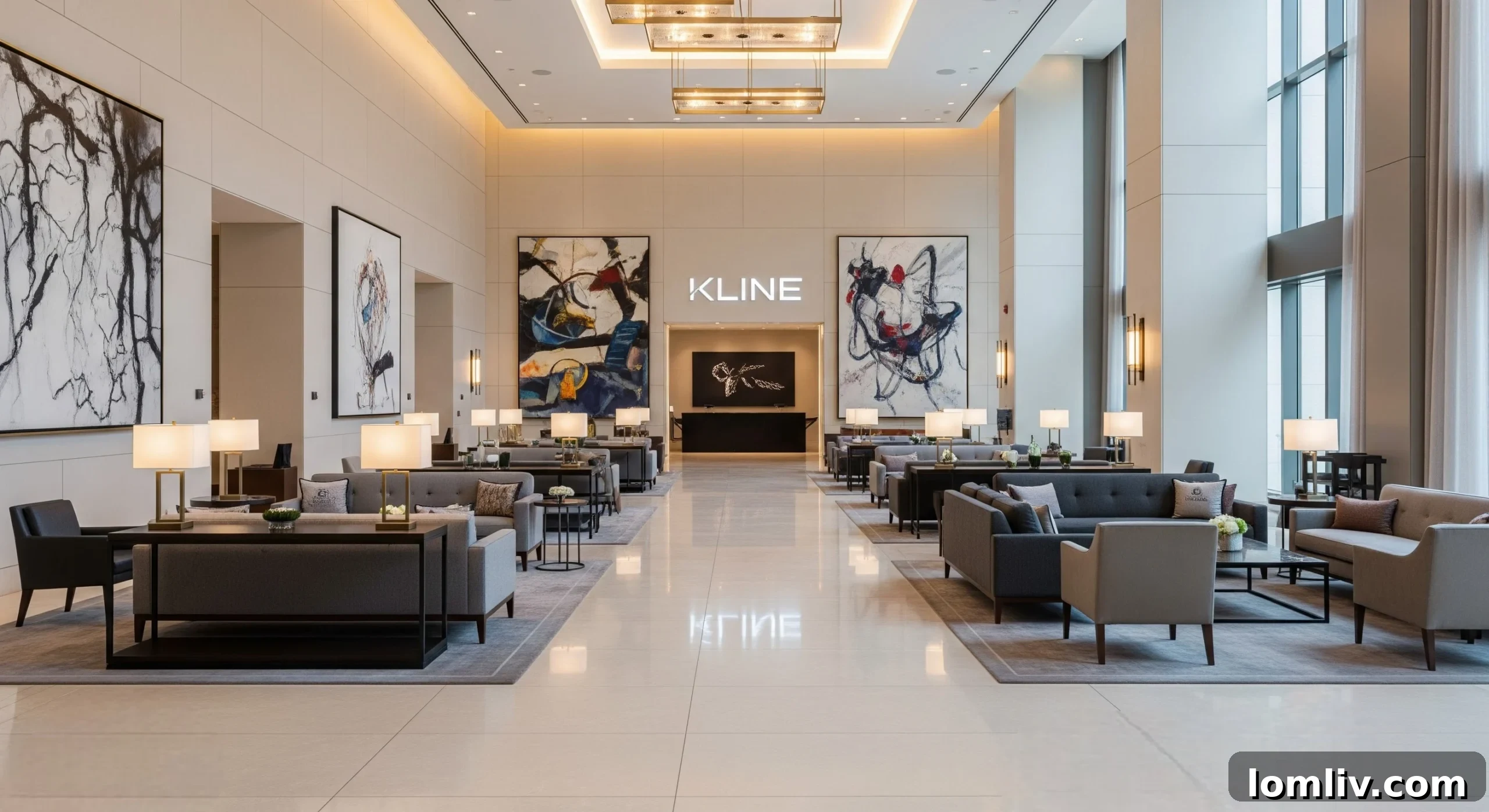
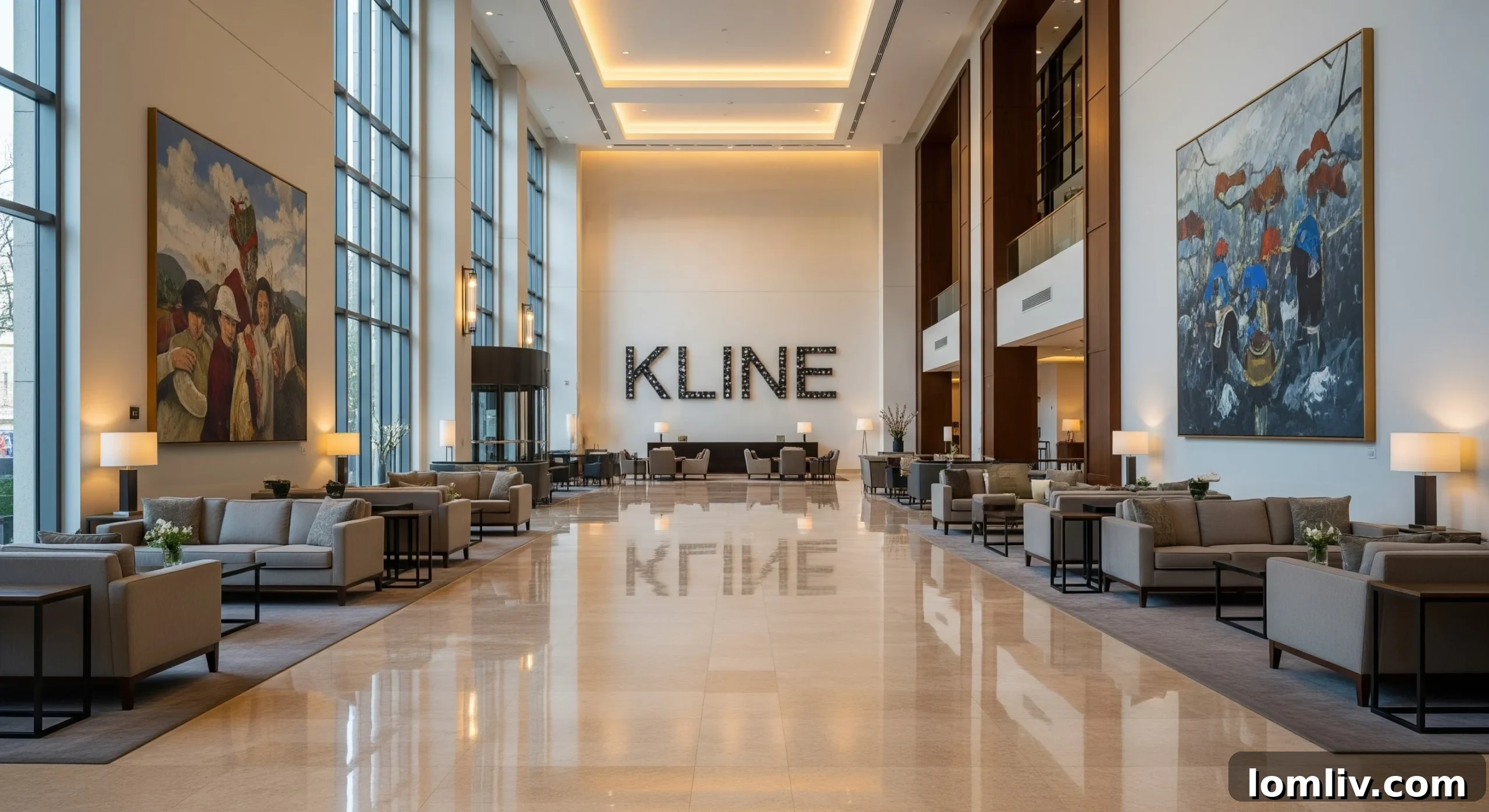
- The Grand Lobby: Your Unforgettable Welcome Statement: As the hotel’s first impression, the lobby demands bold, impactful artwork that immediately communicates your brand’s essence and sets the tone. This high-traffic, high-visibility area calls for large-scale canvases, striking sculptures, or a powerful series of pieces that anchor the space and create a natural focal point. It’s the ideal location to establish an on-brand “selfie spot,” encouraging guests to capture and share initial impressions, fostering digital engagement. The art’s scale should be proportionate to the lobby’s grandeur, complementing the architecture without overwhelming it, drawing guests in with its presence and visual story.
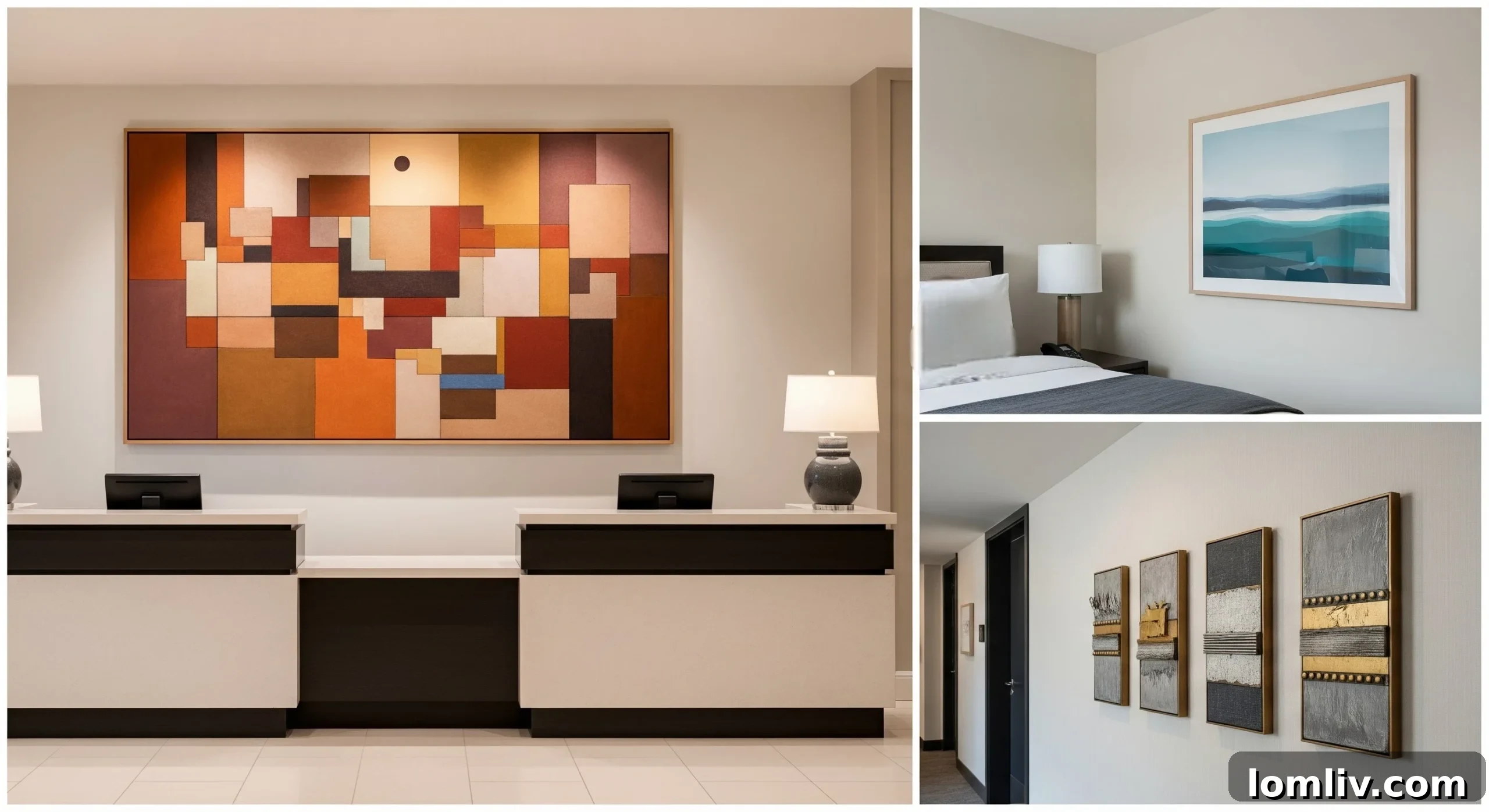
- Guest Rooms: Crafting a Private Sanctuary for Rest: Guest rooms require a softer, more intimate artistic touch. Artwork here should promote relaxation, comfort, and a profound sense of personal sanctuary. Select pieces that offer broad appeal without imposing a narrow aesthetic; sophisticated abstracts, serene landscapes, and subtle cultural references resonate with a wide audience while maintaining an upscale, residential feel. It is wise to avoid controversial themes, overtly religious imagery, or anything that might make a guest feel excluded, prioritizing universal comfort and tranquility. The color palette should be soothing, and framing choices should quietly complement the room’s decor.
- Corridors: Transforming Transitional Spaces into Galleries: Often overlooked, hallways are traversed multiple times a day and should never feel like mere afterthoughts. Transform these transitional areas into engaging visual journeys with a gallery-style arrangement or a themed series that unfolds as guests walk, creating a subtle narrative. While aiming for visual interest, ensure the layout avoids clutter. Practical considerations include strict adherence to accessibility guidelines, such as the ADA, which stipulates that objects should not protrude more than four inches into the pathway when mounted between 27 and 80 inches off the floor. For safety and ease of maintenance, opt for tempered glass or museum-grade acrylic for framed pieces, offering superior durability.
- Amenities & Public Spaces: Sparking Connection and Energy: Dining rooms, bars, fitness centers, and recreation areas present opportunities for bolder, more dynamic art choices that invite conversation and engagement. In restaurants, locally sourced artwork can deeply strengthen a sense of place, connecting diners to the surrounding culture and cuisine. Energizing and motivational pieces are highly effective in fitness areas. Consider interactive elements or QR codes linking to artist biographies or stories behind the art, making the experience feel more curated, personal, and human. For spa environments, focus on abstract, tranquil forms and colors that promote relaxation and renewal, enhancing the wellness journey.
Practicalities of Hotel Art: Durability, Compliance, and Smart Budget Management
In the high-traffic, dynamic environment of hospitality, the longevity and ease of maintenance of your art collection are paramount. Durability is a critical factor; materials must inherently withstand frequent cleaning, significant fluctuations in humidity, and the inevitable occasional bump from luggage or service carts. When engaging with suppliers, explicitly request sealed canvases, scrub-resistant topcoats, and robust UV protection for any pieces exposed to natural sunlight to preserve color vibrancy and prevent premature fading. For custom or on-demand prints, prioritize suppliers who utilize low-odor inks with third-party indoor air quality certifications, such as GREENGUARD, ensuring new installations do not introduce unpleasant chemical odors, maintaining a fresh atmosphere.
Navigating the complex landscape of fire safety regulations and insurance requirements is an absolute necessity, varying significantly by municipality and building type. It is essential to confirm all local fire marshal requirements and consult proactively with your insurance carrier before making any art purchases or commencing installation. Frames, substrates, and hanging systems often require specific fire ratings (e.g., Class A), particularly in corridors, stairwells, and public assembly areas where fire egress is critical. Ignoring these codes can lead to costly fines, significant rework, and potentially jeopardize your operating license. A thorough code check early in planning is a vital preventative measure that saves considerable time and financial resources, ensuring guest safety and unwavering regulatory compliance.
Developing a comprehensive budget plan for your hotel art collection must extend significantly beyond the initial sticker price. Crucially, allocate sufficient funds for professional art installation services, specialized security hardware to deter theft or accidental damage, and appropriate insurance riders designed to protect your valuable assets. Furthermore, factor in a small reserve for future maintenance, repairs, or art rotation programs, which can keep your spaces feeling continually fresh and engaging without requiring massive annual capital expenditure. Exploring options like art leasing or rotation programs offers significant financial flexibility and design adaptability. Additionally, licensing limited editions from emerging artists presents an excellent strategy to acquire unique and aesthetically compelling pieces at a more approachable cost, simultaneously supporting the wider creative community and fostering unique artistic discovery within your property.
Crafting a Cohesive Brand Story Through Thoughtfully Curated Wall Art
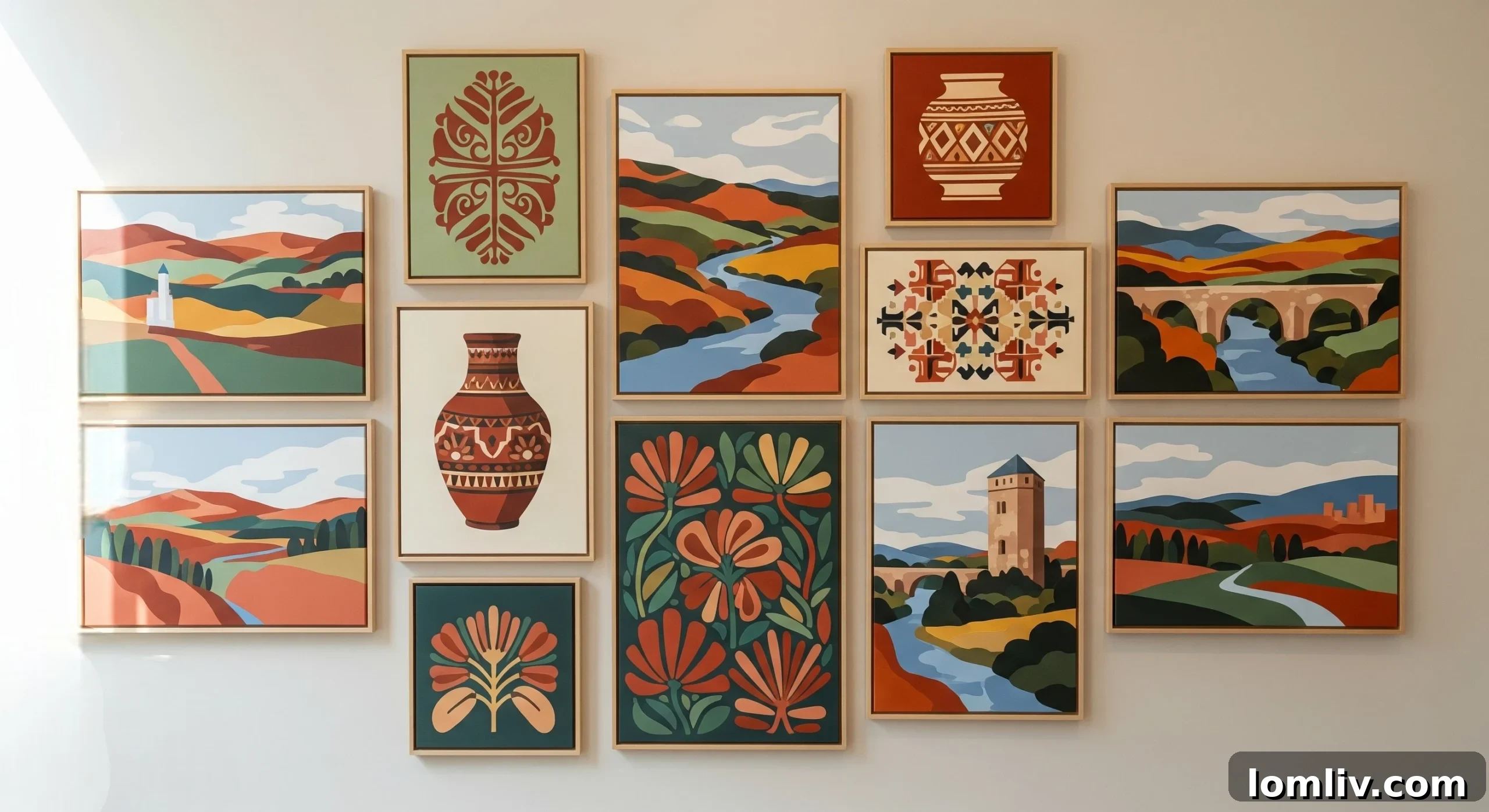
Achieving a cohesive yet dynamic art collection is paramount for any successful hotel design. While consistency in theme or style conveys professionalism and intentionality, injecting thoughtful variety keeps the aesthetic engaging and prevents monotony. A powerful strategy involves repeating a few key colors, stylistic elements, or thematic subjects across different zones of the property. This subtle repetition creates an underlying sense of connection and continuity, making the entire establishment feel thoughtfully integrated and reinforcing the brand, even as individual spaces retain their unique voice and purpose. Themes such as regional landscapes, local cultural motifs, or artisanal crafts, when handled with authenticity and care, can effectively tie a property to its location, offering guests a deeper, more immersive, and memorable experience of the destination itself.
Leverage your art collection to tell your brand’s unique story in specific and evocative ways, moving beyond generic decor. For instance, a luxury beach resort can go far beyond predictable seashell imagery by commissioning local photographers to capture the genuine, vibrant life of its shoreline, or partner with marine artists for original, sophisticated interpretations of local sea life. Similarly, properties nestled in majestic mountains or bustling city centers can employ artistic trail maps, meticulously rendered vintage transit line diagrams, or collaborate with neighborhood makers whose work authentically brings the local area’s distinct spirit, history, and energy to life within the hotel’s walls. This bespoke approach transforms art into a compelling storyteller, making each piece a chapter in your hotel’s narrative.
Historic hotels, with their inherent character and rich past, can create a particularly captivating dynamic by skillfully blending period-appropriate pieces with carefully selected contemporary art that playfully converses with the existing architecture and interior design. This thoughtful juxtaposition can highlight historical features while injecting fresh relevance and a modern sensibility. Urban boutique hotels, often characterized by their edgy and contemporary appeal, can boldly showcase local street art, cutting-edge modern illustrations, or pieces incorporating industrial textures that directly reflect the vibrant block just outside their doors. The ultimate goal is to create an art narrative that feels authentic, engaging, and deeply rooted in the hotel’s identity and location, captivating guests and fostering a deeper connection to their surroundings.
Best Practices: Strategic Sourcing and Secure, Professional Installation of Hotel Art
Successful art integration in a hospitality setting is critically dependent on meticulous sourcing and professional, secure installation. Cultivating strong relationships with local galleries, reputable art consultants, and regional arts districts offers invaluable benefits. This approach not only helps you discover emerging talent and ensures authenticity but also fosters community engagement by directing financial resources locally, supporting the cultural ecosystem. While online marketplaces provide an expansive reach to a global pool of artists, it is absolutely imperative to secure comprehensive written usage rights, image licenses, and explicit reproduction permissions for any artwork you intend to print, display, or promote. Legal clarity in this area is non-negotiable, preventing costly copyright infringements and ensuring ethical sourcing practices.
Professional art installation is not merely a recommendation but an absolute necessity for several crucial reasons. It serves to protect your guests from potential hazards like falling art, safeguards your valuable property assets, and most importantly, preserves the artwork itself from damage. Always employ robust security mounts, utilize the appropriate anchors specifically designed for your wall type (e.g., drywall, concrete, plaster, brick), and install anti-theft hardware in any area easily accessible to guests, particularly in public spaces. Confirm all mounting heights adhere to relevant safety regulations for corridors and public areas. In zones where impact is possible, always specify safety glazing, such as tempered glass or museum-grade acrylic, which offers significantly greater shatter resistance than standard glass. For properties located in seismic zones, the addition of safety cables or specialized flexible hanging systems is crucial to prevent artwork from dislodging and causing injury or damage during an earthquake.
Comprehensive documentation from day one is fundamental to effectively manage your art collection as the valuable asset it truly is. Implement a detailed inventory system: meticulously photograph each piece, clearly log its current condition, precise location within the property, dimensions, medium, and acquisition cost. Crucially, save artist biographies, all associated licenses, and diligently note any renewal dates for these licenses. This meticulously compiled file proves invaluable for streamlined insurance claims, accurate appraisals for valuation purposes, and effortlessly answering guest inquiries about specific pieces. It also aids in long-term collection management, ensuring provenance, authenticity, and legal compliance are consistently maintained, making your art collection a truly professional and managed asset.
Measuring Impact and Strategically Evolving Your Hotel Art Collection
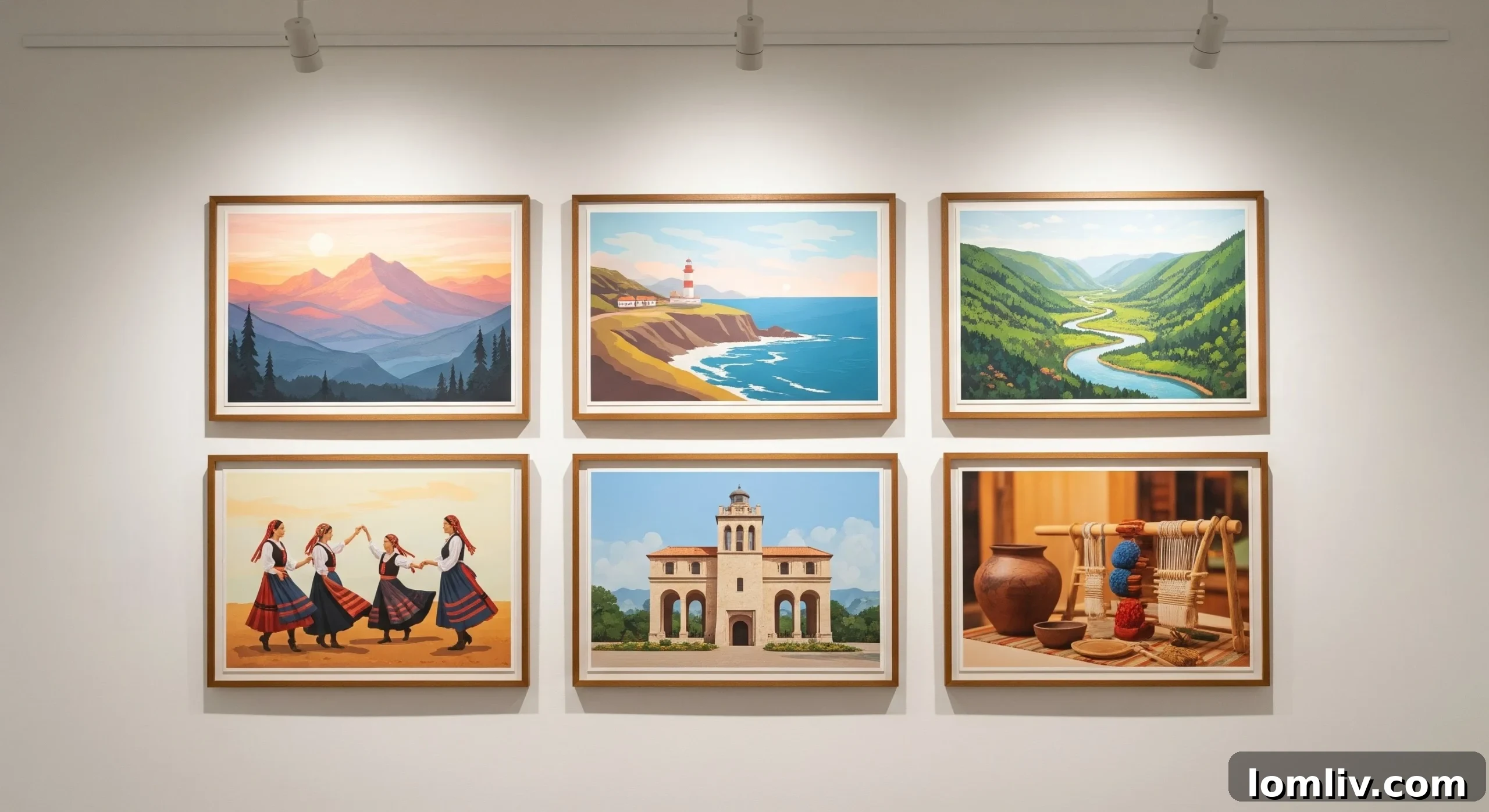
To truly understand the return on investment (ROI) of your art collection, it is vital to continuously track its performance and impact on the guest experience. Monitor guest surveys closely, paying particular attention to keywords and comments related to the artwork (e.g., “loved the lobby paintings,” “beautiful art in the room”). Analyze social media mentions, photo tags, and engagement rates to identify which pieces resonate most with your audience and generate the most buzz. Don’t shy away from data-driven decisions; if certain pieces consistently underperform or fail to elicit positive feedback, consider swapping them out, repositioning them, or even rotating them with new acquisitions. You can conduct small-scale A/B tests by rotating art on different floors or within specific room types to gauge guest preferences and optimize for maximum impact. Furthermore, strategically plan to refresh or update art sets during major renovations, when your hotel’s key guest profiles shift, or in alignment with seasonal themes to maintain a fresh, dynamic, and ever-engaging appeal.
Ultimately, investing in hotel artwork is a profound strategic business decision that directly shapes how guests perceive your brand and their willingness to pay a premium for the experience. Thoughtful, intentional, and evolving art curation transforms a transient overnight stay into a cherished, lasting memory. This profound impact on the guest experience cultivates strong loyalty, encourages repeat visits, drives positive word-of-mouth, and ultimately leads to sustainable revenue growth for your hospitality business. An art-infused environment creates an immersive and inspiring journey, ensuring every stay is an unforgettable encounter that differentiates your property in a fiercely competitive market, solidifying its reputation as a destination in itself.