Shaping North Texas: An In-Depth Interview with Architect Ross Conway of Gensler Dallas
Welcome to another insightful installment of our acclaimed series, Interview with an Architect. This ongoing feature connects us with the preeminent voices and creative minds driving architectural innovation across the North Texas region. Through these conversations, we delve into their groundbreaking projects, explore critical development issues shaping our communities, and uncover the foundational principles of exceptional design. Our mission is to highlight individuals who are not just building structures, but crafting vibrant, sustainable environments that enhance urban living and foster community growth. In this edition, we are honored to feature Ross Conway, a highly respected Senior Associate and Design Director at Gensler’s Dallas offices, whose extensive work is leaving an indelible mark on the landscape of Texas. (For a look back at our previous discussion, you can read our interview with modernist Cliff Welch here).

Meet Ross Conway: A Leading Visionary in Dallas Architecture
Ross Conway, a distinguished AIA and LEED AP certified professional, holds the pivotal role of Senior Associate and Design Director within the Lifestyle Studio at Gensler’s dynamic Dallas offices. With an impressive tenure spanning nearly 14 years at one of the world’s leading architecture and design firms, Conway has been instrumental in shaping significant urban and commercial landscapes across North Texas and beyond. His work exemplifies Gensler’s commitment to creating impactful and sustainable design solutions for complex urban challenges.
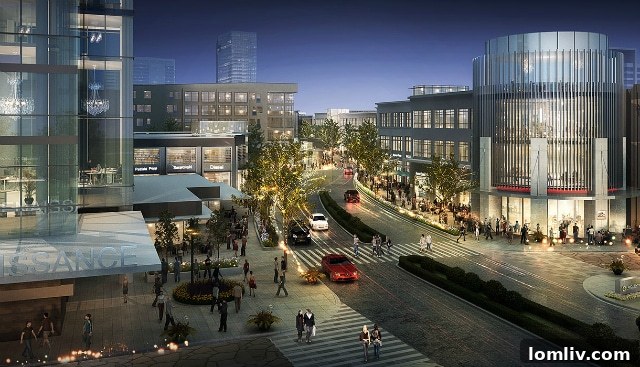
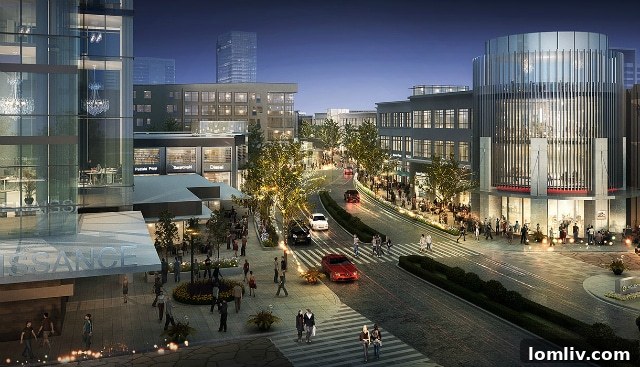
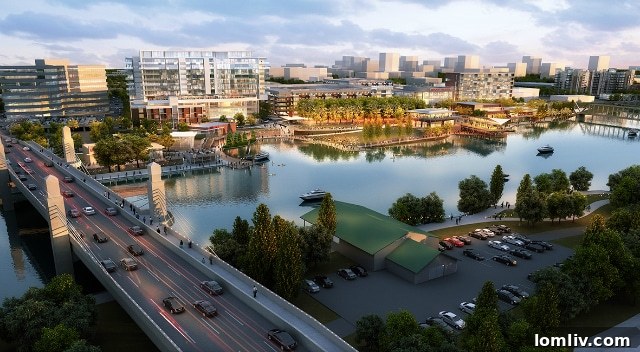
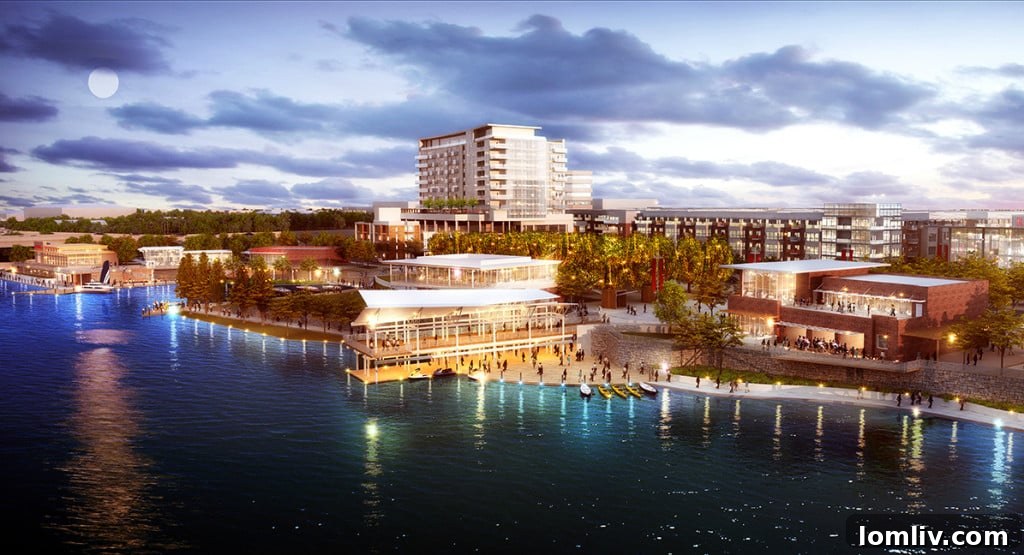
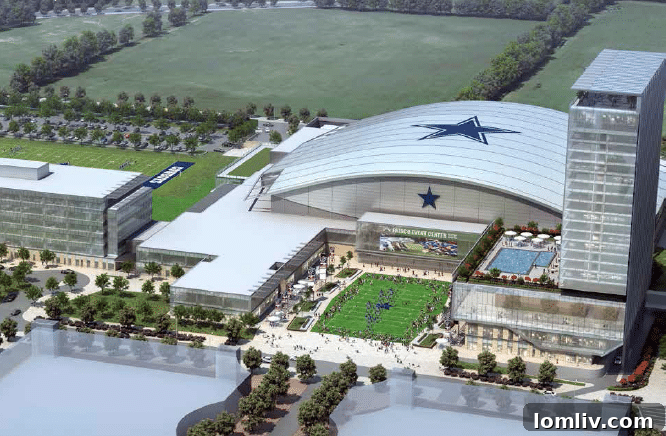
His extensive and diverse portfolio showcases a remarkable ability to blend innovative design with functional purpose, contributing to some of the most recognizable and economically vital developments in the region. Highlights include the iconic Dallas Cowboys Headquarters, famously known as The Star, located in the rapidly growing city of Frisco. His expertise also profoundly influenced the expansive Legacy West development in Frisco, the sophisticated Preston Hollow Village, and the vibrant The Shops at Park Lane. Further enriching his contributions are projects such as The Gate in Frisco, The Music Factory in Irving, and the transformative Brazos Riverfront revitalization in Waco – each project reflecting a unique approach to community enhancement and urban regeneration.
Among his current and most impactful endeavors is the ambitious $100-million Bishop Arts redevelopment project nestled in North Oak Cliff. Conway candidly describes this undertaking as “a once-in-a-career project,” underscoring its unique challenges and profound potential for community transformation. This significant urban renewal project is poised to redefine a historic Dallas neighborhood, blending its rich heritage with modern functionality and creating a vibrant new chapter for the area.
Architectural Roots and Personal Commitments to Modern Living
Conway’s architectural journey began in Arlington, Texas, where he cultivated his passion for design and urban planning. He further honed his skills by earning a Masters degree in Architecture from the prestigious University of Texas at Arlington, solidifying his theoretical foundation and practical expertise. His commitment to innovative living extends to his personal life; he and his wife recently completed building their own residence within Urban Reserve. This distinctive Lake Highlands neighborhood features 50 modern, single-family homes, each thoughtfully designed by a curated group of regionally and nationally recognized architects. Notably, this community includes works by Evan Beattie, the inaugural architect featured in this very interview series, highlighting the community’s caliber. Conway’s active involvement in the community is further evidenced by his integral role on Urban Reserve’s architectural review committee, ensuring the preservation of the neighborhood’s unique design ethos and fostering a cohesive modern aesthetic.
The Bishop Arts Vision: Revitalizing North Oak Cliff
Our conversation naturally steered towards one of Conway’s most significant ongoing projects: the extensive Bishop Arts redevelopment. This project represents a bold step in urban renewal for one of Dallas’s most cherished districts.
Progress and Phased Development in Bishop Arts
When asked about the current status of the Bishop Arts redevelopment, Conway shared an optimistic timeline and strategic vision. “We are on track to finalize the design within the next few months,” he stated, highlighting the intensive planning involved. “Our development partner, Exxir Capital, is keen to commence construction on phase one as early as August. The overarching strategy for this ambitious project is a deliberate, gradual growth over approximately a two-year process. This phased approach allows the community to adapt to the changes incrementally, and importantly, it enables us to continuously integrate feedback and address any concerns from residents and local businesses. This sensitive, community-centric urban design approach is crucial for preserving the unique character of Bishop Arts while introducing necessary modernization.”
Why Bishop Arts is a “Once-in-a-Career” Project for Urban Revitalization
We pressed Conway on his earlier statement, asking why the Bishop Arts redevelopment held such unique significance for him and his team at Gensler. He explained the profound appeal of such urban transformation initiatives. “Projects of this nature are truly at the heart of what we, as designers, strive to achieve—identifying ‘broken’ or underperforming urban areas and infusing them with new life and purpose. Currently, Bishop Arts Avenue enjoys a thriving, albeit concentrated, two-block stretch. Beyond that, the district gradually becomes fragmented and in need of attention. Our ambition is to thoughtfully extend and amplify that distinct ‘Bishop Arts vibe’ throughout a much broader area, creating a more cohesive and dynamic neighborhood experience.”
Conway elaborated on the meticulous and sensitive design process undertaken for this historic district. “The fundamental question we constantly ask ourselves is, ‘How do we introduce new elements without inadvertently diminishing the authentic character that already exists?’ This commitment to thoughtful integration is reflected in the extraordinary amount of design time dedicated to this project—at least six times more than what we might allocate to a typical development. Our plan involves creating inviting 20-foot-wide streets, flanked by charming three-story buildings. These structures will house a variety of unique, smaller retail shops, designed for an intimate, European-style pedestrian experience, where merchants might even set out their wares nightly, fostering a dynamic street life reminiscent of vibrant European squares.”
He continued, “We are embracing a truly European model of pedestrian flow, ensuring that vibrant activity isn’t confined solely to the main thoroughfares, but also flourishes in charming back alleys, intimate plazas, and smaller, interconnected spaces. A central plaza will serve as a community focal point, complemented by a distinctive ‘chapel’—a versatile, architecturally intriguing building designed to host a myriad of civic and private events. This flexible event space is anticipated to become one of Dallas’s most frequently utilized public venues, thanks to its adaptability and central location, further cementing Bishop Arts as a premier cultural destination capable of hosting everything from art exhibits to weddings.”
The Appeal of Compact Living: Micro-Units in Bishop Arts
A notable aspect of the Bishop Arts redevelopment’s residential component is the inclusion of smaller living spaces, with some apartments measuring 500 square feet or less. We inquired about the rationale behind this design choice, especially in a city known for its expansive properties.
Conway’s explanation illuminated a significant trend in contemporary urban living and changing demographic preferences. “The Bishop Arts development is slated to offer approximately 500 residential units,” he stated. “The philosophy here mirrors that of living in dense urban centers like Manhattan: residents are primarily drawn to the rich array of amenities and vibrant lifestyle offered by the surrounding neighborhood, rather than expansive interior square footage. We’ve observed a compelling market demand for these more compact units; in almost every project, apartments measuring 500 square feet and smaller are consistently the first to be leased, indicating a strong preference for efficiency and location.”
He further elaborated on the demographic driving this trend, particularly among millennials and younger professionals. “This demographic strongly gravitates towards the concept of reduced maintenance, lower living costs, and the financial flexibility to allocate more of their income towards experiences and cultural engagement. Crucially, they seek to be at the epicenter of urban activity, where walkability and access to entertainment, dining, and cultural venues are paramount. This preference has even spurred the popularity of extremely compact ‘micro-units,’ some as small as 325 square feet, which cater to a lifestyle that prioritizes location and community immersion over sheer space.” This forward-thinking approach ensures the Bishop Arts redevelopment appeals to a diverse and evolving urban population, fostering a lively and accessible community.
Legacy West Frisco: A Model for Modern Mixed-Use Development
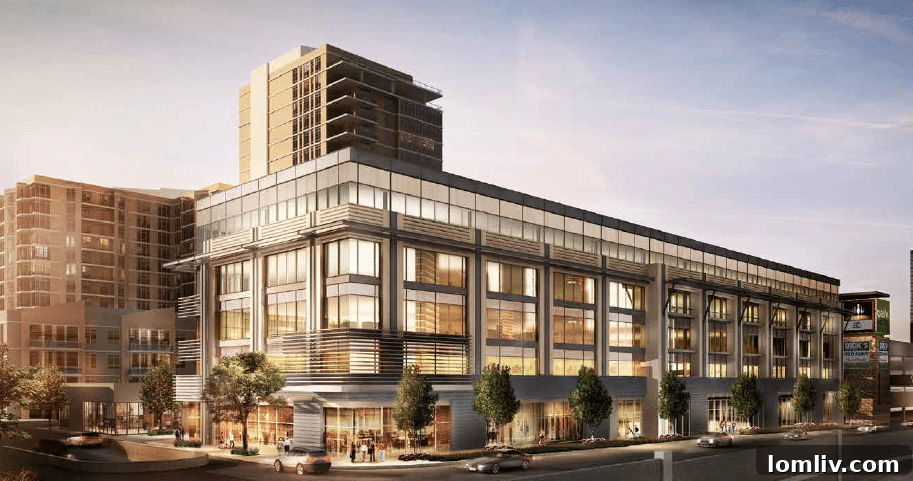
Ross Conway and his team were responsible for the comprehensive master plan and design of the acclaimed Legacy West addition in Frisco. Conway has often lauded this project as an almost ideal development, particularly in its harmonious blend of components and programmatic offerings. We asked him to elaborate on what makes Legacy West such a benchmark in contemporary urban planning.
Conway articulated his vision for expansive urban campuses, viewing them as miniature cities. “In an ideal scenario, a large-scale development, functioning almost as a self-contained ecosystem, should mimic the multifaceted nature of a small city. This means integrating essential elements such as diverse residential living options, vibrant workspaces, diverse recreational and entertainment options, robust hospitality services, civic infrastructure, and, where appropriate, even medical facilities. The genius of Legacy West lies in its near-perfect realization of this concept, encompassing almost every one of these vital components. While a dedicated ‘civic’ structure might be absent, this aspect is thoughtfully addressed by a significant public park on its northern perimeter—a collaborative venture with Toyota, whose corporate campus stands directly across the street, creating a functional civic amenity.”
He further highlighted a distinctive feature of Legacy West that sets it apart in the current development landscape: “Another unique characteristic of Legacy West is its strong presence of high-end luxury soft goods retailers. This is a rarity in today’s market, where physical retail is undergoing significant transformation. In contrast, the vast majority—around 70 to 80 percent—of new mixed-use developments we are currently designing are overwhelmingly dominated by restaurant and entertainment venues. This shift is a direct reflection of evolving consumer habits; traditional brick-and-mortar retailers are no longer expanding at their historical rates, and larger department stores are facing closures due to the pervasive influence of e-commerce. However, as Conway aptly points out, ‘You can’t go out to eat on the Internet.’ This underscores the enduring value of experiential retail and dining in physical spaces, making Legacy West’s diversified retail strategy, which thoughtfully integrates both luxury goods and experiential offerings, particularly foresightful and successful in attracting and retaining visitors.”
Personal Design Philosophy: The Urban Reserve Residence
Designing Home: A Collaboration of Talents and Sustainable Principles
Our conversation shifted to Conway’s personal architectural endeavor: the home he shares with his wife, Aaron Danielle Conway, an accomplished architectural interior designer, in Urban Reserve. We were curious about their decision to build there and the specifics of their collaborative design process, which undoubtedly combined their unique talents.
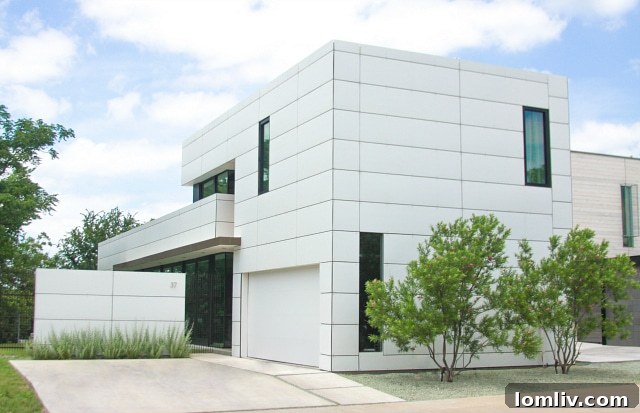
Conway explained their motivations, emphasizing a desire for urban living coupled with natural beauty: “Our primary goal was to find an affordable lot, ideally around $100,000, that allowed us to remain within the vibrant urban core, specifically inside the 635 loop. Urban Reserve presented the perfect opportunity. We secured a unique parcel—40 feet deep by 100 feet long—situated alongside the DART rail line. What truly set it apart, however, was that the final third of the lot dramatically drops off into a natural cliff and forest. This striking natural feature offered incredible design potential, allowing us to think creatively about indoor-outdoor integration.”
This natural landscape profoundly inspired a core design principle for their home. “Because of this magnificent setting, we decided to integrate an ‘outdoor room’ as a central feature,” Conway described. “One entire side of the house is equipped with expansive five-foot-by-ten-foot doors that retract fully, blurring the lines between indoor and outdoor living. When these doors are open, our outdoor living area effectively becomes as large and functional as the interior of the house, creating a seamless connection with nature and expanding our usable living space dramatically.”
Beyond its innovative spatial design, the Conway residence also stands as a testament to sustainable living and modern efficiency. “The house features simple, minimalist finishes, contributing to a very clean and streamlined aesthetic that speaks to contemporary design principles,” Conway noted. “Crucially, it is also a LEED Gold certified home. This commitment to green building principles means our energy bills are remarkably low—virtually negligible, a testament to efficient design and material choices. Should we choose to integrate solar panels in the future, we would possess the capability to operate entirely off the grid, achieving true energy independence and environmental stewardship.”
Guiding Community Aesthetics: The Architectural Review Board
We inquired about Conway’s involvement with Urban Reserve’s architectural review board, a role that goes beyond merely designing his own home and reflects his dedication to community-level design integrity.
“My connection with the developer of Urban Reserve was instantaneous, a natural fit,” Conway recalled. “Given my extensive background in both commercial and residential design, I brought a unique perspective that aligned perfectly with the developer’s vision. The homes within Urban Reserve are far from typical; they represent a distinct modern aesthetic and a cohesive community philosophy. My expertise in ‘placemaking’—the art and science of designing public spaces that promote health, happiness, and well-being—allows me to effectively guide homeowners. I often educate those who might consider designs that clash with the neighborhood’s overarching ‘vibe,’ such as constructing a house that overtly secludes itself from the street or disrupts the communal flow.”
Conway passionately articulated the community’s design ethos, emphasizing connection and shared experience: “Our fundamental aim is for the homes here to foster as much connection with the street as possible, promoting a friendly and open neighborhood feel. While ensuring residents can enjoy complete privacy when desired, we also encourage designs that allow them to ‘open up’ their houses and visually engage with the street, contributing to the vibrant life of the community. With their integrated outdoor rooms and the overall pedestrian-friendly environment, there’s a constant dynamic interplay between private dwelling and public space. It’s an immersive experience; walking up and down the streets of Urban Reserve is inherently entertaining and engaging. You’re always encountering something new, always having the opportunity to meet someone, fostering a genuine sense of community and spontaneous interaction.”
Architectural Inspirations and the Pursuit of Timeless Design
To conclude our enlightening discussion, we asked Ross Conway about his favorite building in Dallas, expecting a local landmark. His answer, however, transcended geographical boundaries, pointing to a masterpiece slightly further afield that profoundly influences his design philosophy.
“My absolute favorite building isn’t actually in Dallas, but in Fort Worth,” Conway revealed with conviction. “In my professional opinion, it stands as one of the top 10 buildings globally: the magnificent Kimbell Art Museum. What makes the Kimbell so extraordinary is its unparalleled elegance, its inherent ability to make visitors feel profoundly comfortable and at ease, and its absolute mastery in serving its intended purpose as an art institution. Architect Louis I. Kahn’s design is characterized by simple, classic proportions that achieve a rare sense of timelessness and architectural purity.”
Conway elaborated on the challenge of achieving such enduring quality in architecture, a principle he strives for in his own work: “Creating beautiful, timeless architecture is an incredibly difficult feat. Far too often, buildings become quickly dated, falling victim to the ephemeral, sometimes ‘kitschy,’ design movements that dominate a particular era and are widely adopted. Louis I. Kahn, however, deliberately avoided this trap with the Kimbell. His design remains fresh, relevant, and deeply moving decades after its completion, resisting the fleeting trends to establish itself as a true icon of modernist architecture. It stands as a powerful testament to the principle that great design transcends temporary fads, offering profound lessons in enduring beauty, functional grace, and human-centered design that continue to inspire architects worldwide.”
Conclusion: Ross Conway’s Enduring Impact on North Texas Architecture and Urbanism
Ross Conway’s extensive and impactful work at Gensler Dallas, from orchestrating the ambitious Bishop Arts redevelopment to masterminding the pioneering Legacy West, demonstrates a profound understanding of urban dynamics and an unwavering commitment to creating spaces that are both functional and inspiring. His invaluable insights into the complexities of mixed-use developments, the importance of sustainable living, and the essence of community-centric design offer crucial lessons for the ongoing evolution of North Texas architecture. Through his visionary leadership, whether orchestrating large-scale urban transformations that redefine city districts or shaping the intimate character of modern neighborhoods like Urban Reserve, Conway continues to define and elevate the standard of design in the region. His dedication ensures the creation of environments where people can truly thrive, where historical integrity meets future-forward innovation, and where every project contributes meaningfully to the fabric of the community.