Dallas Area Rapid Transit Secures $25 Million Grant for Cotton Belt Trail Expansion: A Landmark Investment in North Texas Connectivity
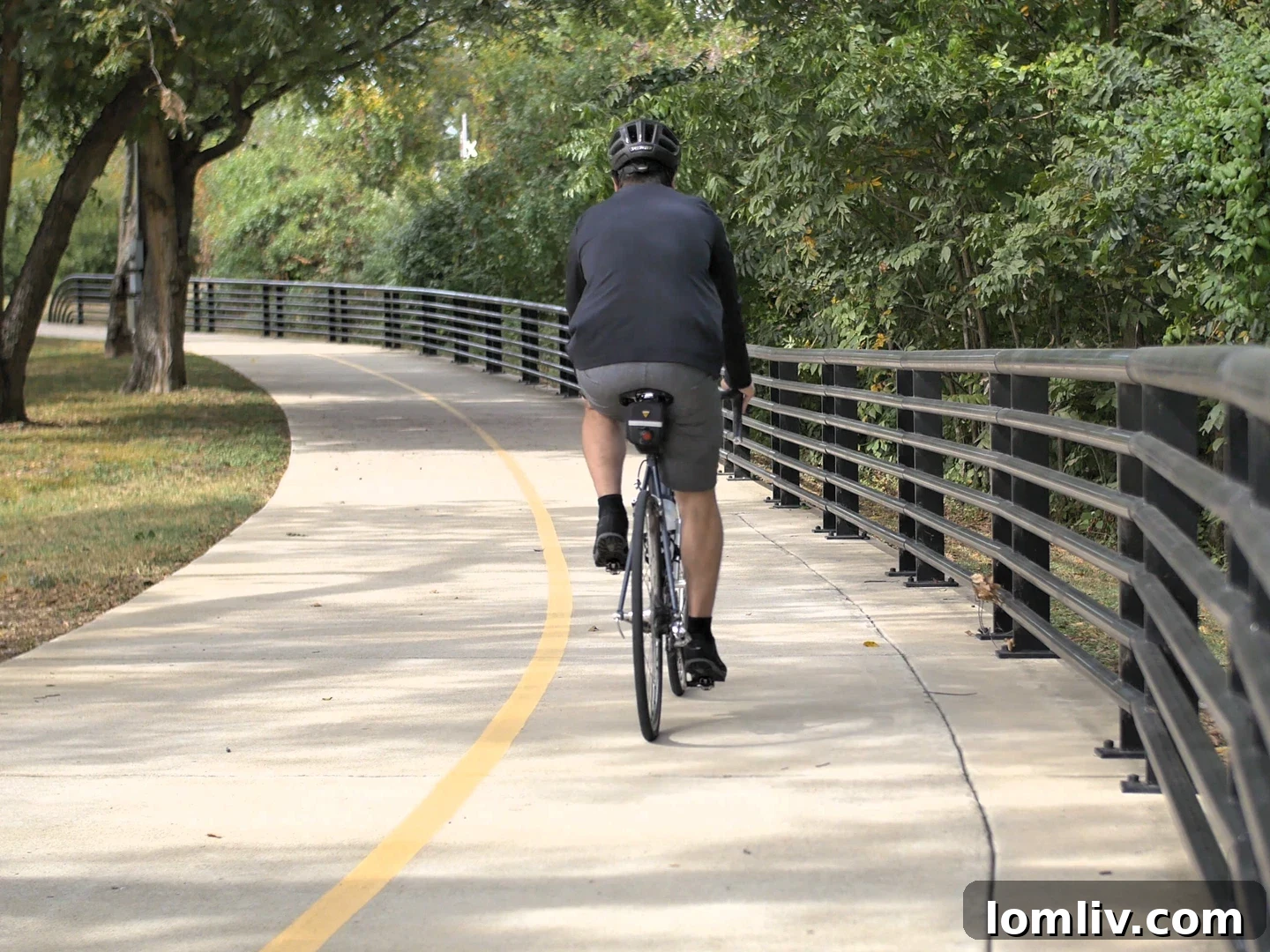
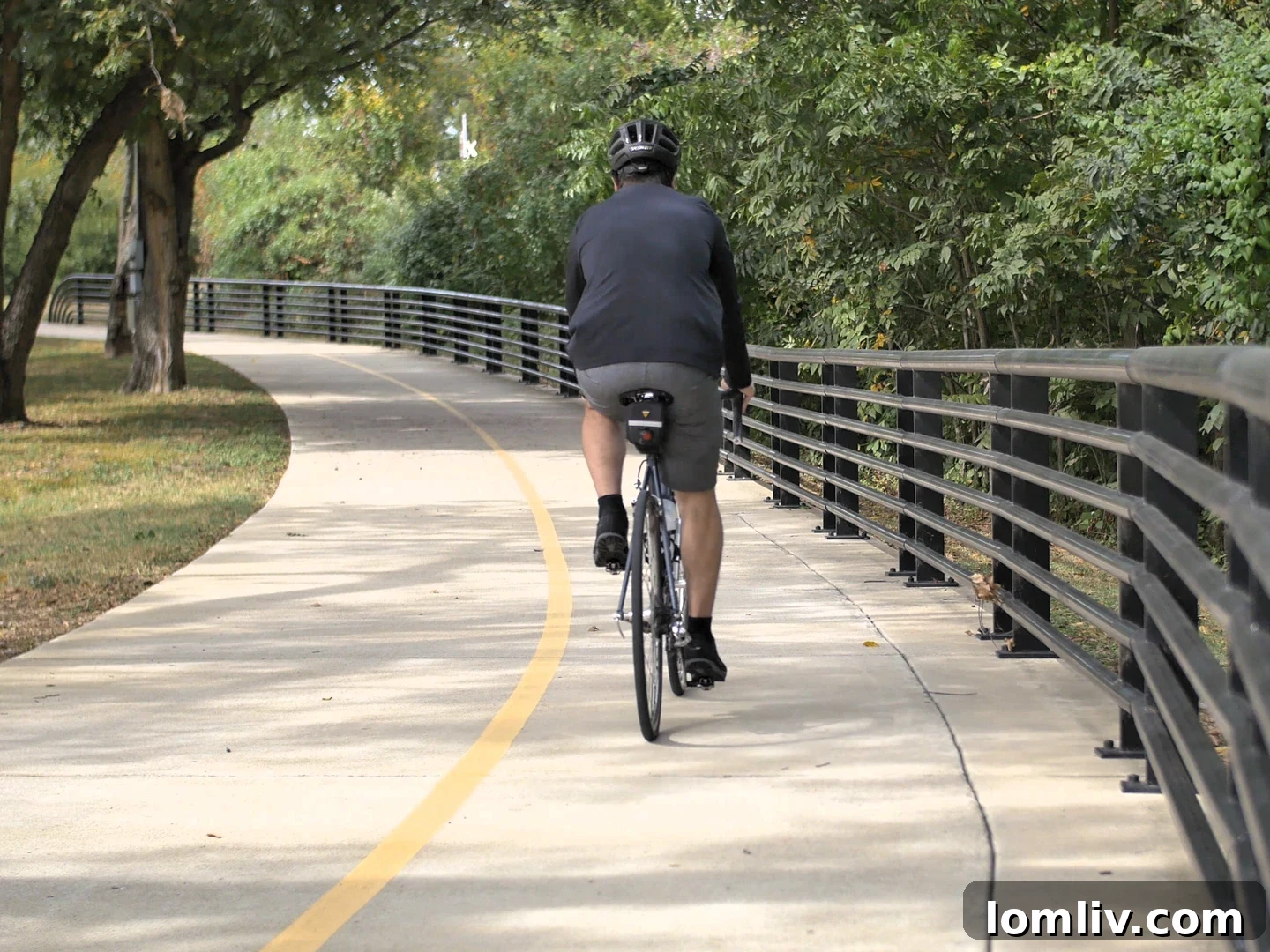
DALLAS — The landscape of North Texas is set to be transformed as Dallas Area Rapid Transit (DART) proudly announces the allocation of $25 million in state funding. This substantial investment is earmarked for the crucial development of the next phase of the Cotton Belt Trail, an ambitious shared-use path designed to run parallel to DART’s recently inaugurated Silver Line. This pivotal project promises to significantly enhance walking and biking access, weaving a new thread of connectivity across the vibrant communities of North Texas.
This momentous funding decision was unveiled on December 18 by the North Central Texas Council of Governments’ (NCTCOG) Regional Transportation Council. They confirmed that the Texas Transportation Commission had officially approved the grant, providing robust support for the construction of Phase Three of the Cotton Belt Trail. The funds will be disbursed through the Transportation Alternatives Set-Aside Program, a vital component of a comprehensive statewide initiative aimed at broadening “active transportation” options, including essential infrastructure like sidewalks and dedicated bike lanes. This program underscores a growing commitment to sustainable and health-conscious mobility solutions for Texans.
DART’s funding is not an isolated event but rather a key part of a larger, impressive $55 million package dedicated to various North Texas projects. These initiatives share the common goal of bolstering regional mobility and expanding critical trail connections. Beyond the Cotton Belt Trail, the Transportation Commission has strategically directed an additional $30 million towards six other transformative trail projects spread across the bustling Metroplex. Notable among these are the expansive Trinity Forest Spine Trail and the innovative Midtown Dallas Shared Use Trail, each contributing to a more integrated and accessible urban environment.
The Vision of the Cotton Belt Trail: A Regional Lifeline and Connectivity Hub
The Cotton Belt Trail is championed by its advocates as far more than just a pathway; it’s envisioned as a transformative 26-mile east-to-west corridor that will seamlessly link the city of Plano to the Dallas/Fort Worth International Airport (DFW Airport). Its route meticulously mirrors that of the DART Silver Line, which commenced operations on October 25. This strategic alignment is central to the trail’s mission: to connect a multitude of communities and offer residents and commuters a significantly safer and more enjoyable option for biking or walking between Silver Line stations and their ultimate destinations. This innovative approach to “first-mile, last-mile” connections is increasingly being adopted by transit agencies nationwide, recognizing the critical role such pathways play in encouraging public transit use and fostering healthier communities.
The trail’s design emphasizes accessibility and integration, creating a symbiotic relationship with the Silver Line. It’s not merely about recreation; it’s about providing practical, everyday transportation alternatives that reduce reliance on personal vehicles, ease traffic congestion, and lower carbon emissions. Imagine commuters cycling directly to a DART station, families enjoying a weekend ride to a neighboring town, or students walking safely to school – all made possible by this expansive and thoughtfully planned infrastructure.
Phased Development: Progress and Future Expansion
Development of the Cotton Belt Trail is proceeding with careful planning and execution across multiple phases. Work is already well underway on Phase Two, which focuses on an extensive 11-mile section stretching from western Addison to the Shiloh Road Station in Plano. This segment represents a significant step towards realizing the trail’s full potential, establishing a crucial link within the broader network.
The newly funded Phase Three, bolstered by the $25 million grant, is poised to dramatically extend walking and biking access further into key areas. This includes connecting vibrant communities like Addison, downtown Carrollton, and Cypress Waters. Crucially, this phase will also create direct, convenient ties to three additional stops along the DART Silver Line, further cementing the trail’s role as an essential conduit for multimodal transit. These connections are vital for ensuring that residents have genuine choices in how they travel, providing direct routes to employment centers, educational institutions, recreational opportunities, and local businesses.
According to Kevin Kokes, a distinguished program manager for the North Central Texas Council of Governments’ Land Use and Mobility Options team, the state’s support for this project is a pivotal moment. In a statement, Kokes welcomed the funding, emphasizing its broader societal impact: “By improving connections to employment, housing, schools and recreational opportunities, these projects help build a stronger, more accessible future for everyone.” His comments underscore the comprehensive benefits anticipated from the Cotton Belt Trail, extending far beyond mere transportation to touch upon quality of life and community development.
Looking ahead, construction on Phase Three is strategically scheduled to commence by mid-2027. Transportation officials are currently focused on the critical preparatory steps, which include the meticulous finalization of plans and ensuring that all necessary project elements are in place and ready well in advance of the planned start date. This meticulous planning is essential to ensure the project’s efficient and successful execution, minimizing disruptions and maximizing its long-term impact.
Unpacking the $25 Million State Grant: Fueling Active Transportation
The $25 million allocated to DART for the Cotton Belt Trail is a direct result of the Texas Transportation Commission’s commitment to improving transportation options across the state. This funding, channeled through the Transportation Alternatives Set-Aside Program, represents a strategic investment in infrastructure that supports “active transportation.” This category encompasses non-motorized forms of travel, such as walking, cycling, and even using wheelchairs, offering myriad benefits to individuals and communities alike.
The Transportation Alternatives Set-Aside Program itself is designed to fund projects that enhance connectivity, promote healthier lifestyles, and improve safety for pedestrians and cyclists. It recognizes that a well-rounded transportation system includes robust options beyond vehicular travel. By investing in projects like the Cotton Belt Trail, Texas aims to reduce reliance on automobiles, mitigate traffic congestion, and contribute to cleaner air by lowering vehicle emissions. This program’s impact extends beyond individual trails, encouraging a systemic shift towards more sustainable urban planning and community design.
The broader $55 million package for North Texas underscores the region’s proactive stance on developing a comprehensive active transportation network. This collective investment signifies a shared vision among state and local authorities to create a more livable, accessible, and environmentally conscious Metroplex. The inclusion of projects like the Trinity Forest Spine Trail and the Midtown Dallas Shared Use Trail highlights a commitment to developing a complementary network of pathways that will serve diverse populations and connect different parts of the urban fabric.
The Silver Line Synergy: Enhancing Transit with Trail Connectivity
The integration of the Cotton Belt Trail with DART’s Silver Line is a masterful example of synergistic infrastructure planning. The Silver Line, a new commuter rail line, represents a significant upgrade to North Texas’s public transit capabilities. However, the effectiveness of any public transit system is greatly amplified by its ability to address the “first-mile, last-mile” challenge – how people get to and from transit stations from their homes or workplaces.
This is where the Cotton Belt Trail truly shines. By providing a safe, dedicated, and enjoyable shared-use path directly alongside the rail line, it offers an elegant solution to this challenge. Instead of needing to drive to a DART station and search for parking, individuals can now bike or walk along the trail, directly accessing the Silver Line. This not only makes public transit more convenient and appealing but also reduces the demand for parking facilities at stations, optimizing land use. For those living or working a short distance from a station, the trail transforms what might have been an inconvenient walk or a short, traffic-prone drive into a pleasant and healthy journey.
This approach aligns with modern urban planning principles that prioritize multimodal transportation networks. It acknowledges that a truly efficient city offers diverse options for movement, allowing residents to choose the most appropriate, sustainable, and enjoyable mode for each leg of their journey. The trail, in essence, extends the reach of the Silver Line, making its benefits accessible to a wider demographic and fostering a more integrated transportation ecosystem.
The Broader Impact: Fostering Sustainable and Vibrant Communities
The benefits of the Cotton Belt Trail extend far beyond mere transportation convenience, creating a profound positive impact on the communities it serves. As Kevin Kokes from NCTCOG rightly noted, the project helps “build a stronger, more accessible future for everyone” by improving connections to vital aspects of life: employment centers, diverse housing options, educational institutions, and a wealth of recreational opportunities. This holistic approach to infrastructure development is key to fostering truly sustainable and vibrant communities.
Environmentally, the trail is a game-changer. By providing a viable alternative to driving, it directly contributes to a reduction in vehicular emissions, helping to improve air quality and combat climate change. Less traffic on the roads also means reduced noise pollution and a more tranquil urban environment. For every person who chooses to bike or walk the trail instead of driving, there’s a measurable positive impact on our planet.
From a public health perspective, the trail actively promotes healthier lifestyles. Regular physical activity, whether through walking or cycling, is crucial for preventing chronic diseases, reducing stress, and boosting overall mental well-being. The Cotton Belt Trail offers an inviting and safe space for residents of all ages and fitness levels to incorporate physical activity into their daily routines, making healthy choices easier and more enjoyable.
Economically, shared-use paths like the Cotton Belt Trail have a proven track record of stimulating local growth. Properties located near well-maintained trails often experience an increase in value, attracting new residents and businesses. The trail can also become a destination in itself, drawing tourists and local patrons to shops, restaurants, and other amenities along its route, thereby supporting local economies. It’s an investment that pays dividends through enhanced community appeal and economic vitality.
A Future-Forward Approach to Urban Planning in North Texas
The development of the Cotton Belt Trail and the substantial state funding it has received represent a future-forward approach to urban planning in North Texas. This project is a testament to the region’s commitment to evolving beyond car-centric infrastructure and embracing a more balanced, multimodal transportation network. Modern urban planning increasingly recognizes that thriving cities are those that prioritize livability, sustainability, and accessibility for all residents.
By creating dedicated corridors for walking and cycling, North Texas is moving towards becoming a truly “complete community” – one where people can safely and efficiently travel without always needing a car. This vision fosters a stronger sense of community, encourages outdoor activity, and supports local businesses by increasing foot and bike traffic. The collaboration between DART, NCTCOG, and the Texas Transportation Commission on this project highlights the power of regional partnerships in delivering transformative public infrastructure.
The Cotton Belt Trail will not only serve as a vital transportation artery but also as a recreational amenity, a green space, and a catalyst for smart growth. It embodies the principle that investments in active transportation infrastructure are investments in public health, environmental quality, economic development, and overall community resilience. As construction progresses, the anticipation builds for the profound positive changes this trail will bring to the daily lives of countless North Texans.
Conclusion: Paving the Way for a Connected and Sustainable North Texas
The $25 million grant secured by Dallas Area Rapid Transit for Phase Three of the Cotton Belt Trail marks a pivotal moment for North Texas. This significant state funding is more than just a financial allocation; it’s a clear declaration of intent to build a more connected, sustainable, and accessible future for the region. By expanding the Cotton Belt Trail alongside the DART Silver Line, North Texas is making a tangible investment in its residents’ health, environmental well-being, and economic prosperity.
This trail, stretching from Plano to DFW Airport, will act as a vital artery, seamlessly linking communities and providing safe, enjoyable options for active transportation. It addresses critical “first-mile, last-mile” challenges, enhances public transit utility, and fosters a lifestyle that prioritizes health and environmental stewardship. With construction on Phase Three slated to begin by mid-2027, the vision of a more integrated, walkable, and bikeable North Texas is rapidly becoming a reality. The Cotton Belt Trail stands as a beacon of progress, symbolizing a collaborative effort to pave the way for a vibrant and interconnected future for everyone.