Texas Housing Market’s Enduring Strength: Navigating the Dynamics of Oil Prices
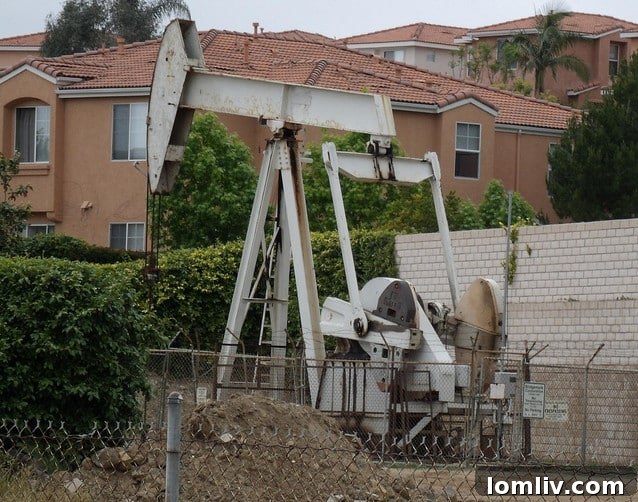
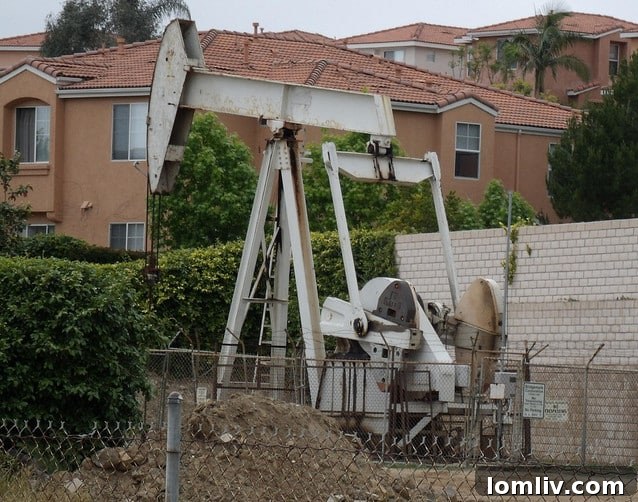
The Lone Star State has long been synonymous with the oil and gas industry, a powerful economic engine that has fueled prosperity but also exposed the state to commodity price volatility. While the memory of the devastating 1980s oil bust still lingers, Texas has undergone a profound economic transformation. Today, as global oil markets experience fluctuations, the critical question arises: how resilient is the Texas housing market? New research indicates that Texas is far better equipped to weather falling oil prices than in previous decades, though careful monitoring remains essential to understand potential impacts on home sales and construction.
The Ghost of 1980s: A Historical Perspective on Texas and Oil
To truly appreciate the present resilience, one must recall the economic upheaval of the 1980s. During that era, Texas’s economy was heavily, almost singularly, dependent on the energy sector. When oil prices plummeted in the mid-1980s, the state experienced a severe recession. This downturn led to widespread job losses, a collapse in real estate values, numerous bank failures, and a significant exodus of residents. The scars of this period taught Texas a valuable lesson: economic diversification was not just desirable, but absolutely vital for long-term stability and growth. The state embarked on a deliberate strategy to broaden its economic base, a strategy that would prove instrumental in shaping its future.
A New Economic Horizon: Texas’s Diversified Growth Engine
Over the past few decades, Texas has successfully transitioned from an oil-centric economy to a vibrant, multi-faceted powerhouse. This strategic diversification is the cornerstone of its current strength. Key sectors now contributing significantly to the state’s Gross Domestic Product (GDP) and job creation include:
- Technology and Innovation: Cities like Austin, Dallas, and Houston have emerged as major tech hubs, attracting leading companies in software, semiconductors, cybersecurity, and artificial intelligence. This sector brings high-paying jobs and a constant influx of skilled talent, fueling demand for housing.
- Healthcare and Biosciences: Texas boasts world-class medical centers, particularly in Houston (Texas Medical Center), Dallas, and San Antonio. The healthcare and biosciences industries are robust, offering stable employment in research, patient care, and medical device manufacturing.
- Manufacturing: From aerospace (Fort Worth, Houston) to automotive (San Antonio) and advanced materials, Texas has fostered a diverse manufacturing base that provides numerous employment opportunities.
- Trade and Logistics: With its strategic location and extensive port systems (Houston, Galveston, Corpus Christi), Texas is a critical gateway for international trade, supporting a vast logistics and transportation network.
- Financial Services: Dallas and Houston are significant financial centers, hosting major banks, investment firms, and corporate headquarters.
- Education: A robust system of universities and colleges across the state attracts students and faculty, supporting local economies and fostering a skilled workforce.
This broad economic base means that while the energy sector remains important, its fluctuations no longer dictate the overall health of the entire state to the same extent they once did. This diversification acts as a powerful buffer, spreading economic risk across multiple industries.
Understanding the Current Landscape: Insights from Texas A&M Research
The current resilience of the Texas housing market amidst fluctuating oil prices is not merely anecdotal; it’s supported by expert analysis. James Gaines, a research economist at the Texas A&M Real Estate Center, provided crucial insights in his report, “Texas 2015 Housing Market and the Price of Oil.” His findings underscore the significant shift in the state’s economic structure.
Gaines’s research highlights a fundamental point: the Texas housing market does not inherently depend on high oil prices to thrive. In fact, historical data shows that the state’s real estate sector has demonstrated robust growth even when oil prices were considerably lower than the peaks seen in 2013 and the first half of 2014. This is a critical distinction from the 1980s, where a direct, almost one-to-one correlation existed between oil prices and housing fortunes.
The report’s key takeaway reinforces this perspective:
The price of Texas oil and the upstream energy sector is a prime cause of concern for Texas’ 2015 economy and housing market. History shows that Texas’ housing does not depend on high oil prices. In fact, the state’s housing market has thrived at prices within a wide range of oil prices lower than those experienced in 2013 and the first half of 2014.
While this outlook is largely positive, Gaines prudently cautions that sustained and severe plunges in oil prices, leading to significant layoffs within the energy sector, could still negatively impact specific aspects of the housing market, particularly in highly localized oil-producing regions and on construction activity statewide. This acknowledges that while the direct impact is lessened, indirect effects from broader economic slowdowns or significant job losses can never be entirely discounted. The impact would likely be localized rather than a statewide crisis.
Key Drivers of Texas Housing Market Strength Beyond Oil
Beyond economic diversification, several other powerful forces continue to drive the robust performance of the Texas housing market:
- Unprecedented Population Growth: Texas has consistently been among the fastest-growing states in the U.S. for years. People are flocking to Texas for its job opportunities, lower cost of living (relative to coastal states), and favorable business environment. This constant influx of new residents creates sustained demand for housing across all price points.
- Strong Job Creation: While oil and gas contribute, job growth in non-energy sectors—especially technology, healthcare, and professional services—has been exceptionally strong. A healthy job market provides people with the income and confidence to purchase homes, directly supporting demand.
- Relative Affordability: Despite rising home prices, Texas generally remains more affordable than major metropolitan areas on the East and West Coasts. This relative affordability continues to attract individuals and businesses seeking value and a high quality of life.
- Favorable Business Climate: Texas’s business-friendly policies, including no state income tax, lower regulatory burdens, and accessible land, continue to attract corporate relocations and expansions. These developments bring new jobs and further stimulate housing demand.
- Infrastructure Investment: Ongoing investments in transportation, utilities, and public amenities support residential development and enhance the livability of communities, making them more attractive to homebuyers.
These interwoven factors create a robust foundation for the Texas housing market, making it less susceptible to the singular influence of oil price volatility.
Regional Variances: Not All of Texas is the Same
It is important to recognize that Texas is a vast state, and economic impacts can vary significantly by region. While the major metropolitan areas like Dallas-Fort Worth, Houston, Austin, and San Antonio benefit immensely from economic diversification, areas heavily reliant on the upstream oil and gas sector (e.g., the Permian Basin cities like Midland and Odessa) might experience more direct and immediate effects from severe oil price downturns.
In these specific regions, job losses in drilling, exploration, and related services can lead to a softening of housing demand, increased inventory, and potentially a deceleration or even decline in home values. However, even within these areas, a degree of internal diversification and resilience has emerged compared to previous cycles. The key takeaway is that a localized impact in an oil-dependent region does not necessarily translate to a statewide real estate crisis.
The Road Ahead: Continuous Monitoring and Strategic Adaptation
While the evidence overwhelmingly points to a more resilient Texas housing market, complacency is not an option. The global energy landscape is constantly evolving, and unforeseen economic shifts can always occur. Policymakers, developers, and homeowners must remain vigilant.
Continuous monitoring of economic indicators, including oil prices, employment figures across all sectors, interest rates, and population trends, is crucial. Strategic adaptation and proactive planning will ensure that Texas continues to build upon its diversified foundation. Investing in education, infrastructure, and innovation will further strengthen the state’s ability to navigate future economic currents, ensuring sustained prosperity for its residents and stability for its housing market. The lessons of the past have been learned, and Texas stands as a testament to the power of strategic economic evolution.
Conclusion
The Texas housing market has unequivocally demonstrated a remarkable degree of resilience in the face of fluctuating oil prices, a stark contrast to the vulnerabilities observed during the 1980s oil bust. This newfound strength is primarily attributable to the state’s aggressive and successful pursuit of economic diversification, moving beyond its traditional reliance on the energy sector. As highlighted by James Gaines of the Texas A&M Real Estate Center, the state’s housing does not depend on elevated oil prices, often thriving in a broader range of market conditions. While localized impacts from severe oil price plunges and subsequent layoffs remain a possibility, the broader Texas economy, underpinned by robust growth in technology, healthcare, manufacturing, and trade, provides a substantial buffer. The Lone Star State’s housing future appears robust, built on a solid foundation of diversified industries and sustained population growth, making it better equipped than ever to navigate the complexities of the global economy.
Further Reading
For more detailed insights on this topic, consider reading the full story originally published on MidlandDirt.com.