Unveiling the Dynamics of the Texas Real Estate Market: Insights from the Homebuyers and Sellers Report
In the vast and rapidly evolving landscape of Texas, understanding the nuances of its real estate market is paramount. Among the plethora of data-driven analyses, the annual Texas Homebuyers and Sellers Report stands out as an indispensable resource. This comprehensive publication offers a profound look into the motivations, demographics, and behaviors of individuals navigating the housing market across the Lone Star State.
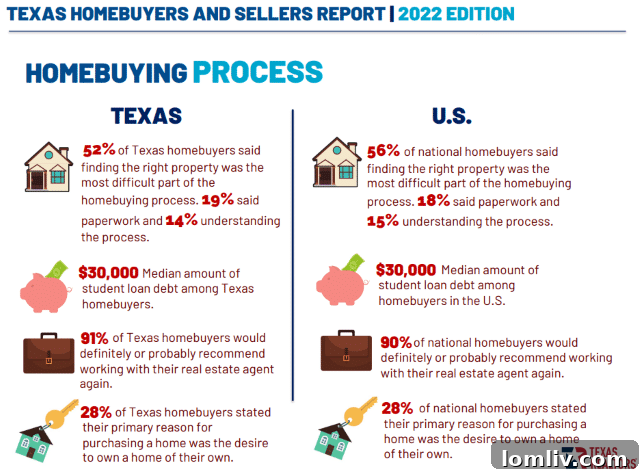
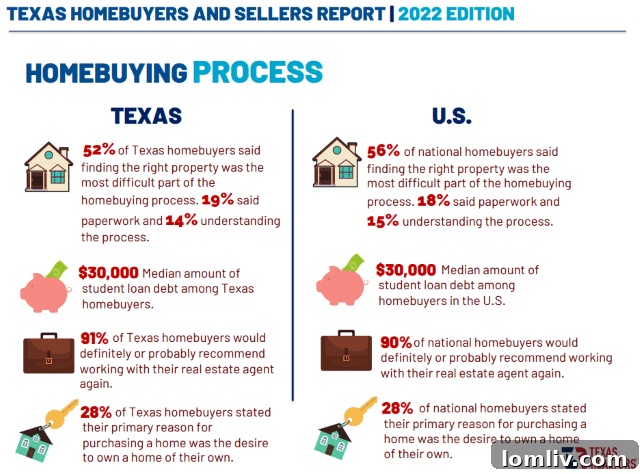
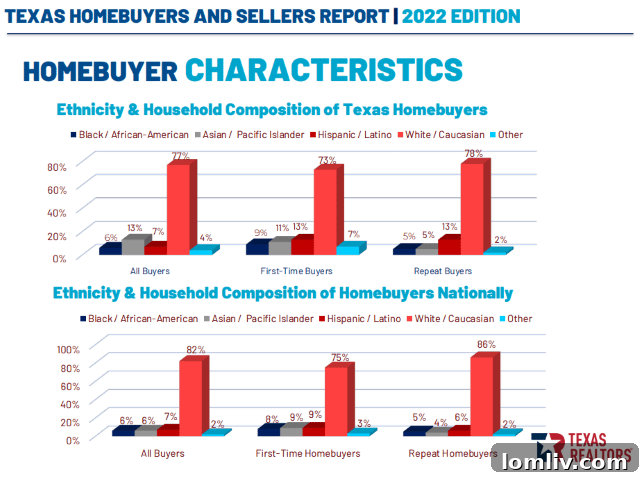
The 2022 edition of the Texas Homebuyers and Sellers Report, meticulously released by Texas REALTORS, provides an in-depth exploration into the intricate details of real estate transactions that occurred between July 2020 and June 2021. This period was particularly dynamic, characterized by unprecedented market shifts and evolving consumer preferences. The report, rich in graphics and detailed statistics, illuminates crucial aspects such as income levels, ethnic backgrounds, age distributions, and the prevailing perceptions that shape the home buying and selling journey for Texans.
As the authoritative voice for over 150,000 real estate professionals, Texas REALTORS leverages this report to empower its members with actionable intelligence. This robust dataset equips agents with the knowledge required to deliver exceptional service, tailored advice, and strategic guidance to their diverse clientele. The insights garnered from the report are not merely statistics; they are a blueprint for understanding the very heartbeat of Texas’s vibrant housing market.
For further context, explore findings from previous years:
Read the 2021 Texas Homebuyers and Sellers Report Overview
Russell Berry, chairman of Texas REALTORS, underscored the invaluable contribution of this annual study. “Understanding who home buyers and sellers are and what they truly desire is absolutely imperative for Texas REALTORS, especially at a time when housing demand in our market continues to be red hot,” Berry stated. His comments highlight the critical need for data-driven strategies in a competitive and fast-paced market environment, ensuring that both buyers and sellers can make informed decisions.
Key Trends Shaping the Texas Housing Landscape
The executive summary of the 2022 Texas Homebuyers and Sellers Report unveils several compelling findings that paint a clear picture of the state’s real estate dynamics:
- Robust Household Income: The median household income for Texas homebuyers reached an impressive $107,500. This figure not only reflects the economic strength of the state but also surpasses the national median by a significant $5,500, indicating a robust financial capacity among those entering the Texas housing market. This higher income level contributes to the state’s vibrant economy and the ability of its residents to invest in quality housing.
- Slightly Younger Demographic: The median age of Texas homebuyers was recorded at 47 years old, marking a one-year decrease from the previous reporting period. This subtle shift suggests a growing influx of younger professionals and families into the state, drawn by job opportunities and a promising lifestyle, contributing to sustained housing demand.
- Persistent First-Time Buyer Presence: First-time homebuyers constituted 32 percent of all homebuyers, a slight increase of one percentage point from the prior year. This consistent presence of new entrants underscores the ongoing accessibility of homeownership in Texas, even amidst a competitive market, and is a positive indicator for the long-term health of the real estate sector.
- Boom in New Construction: A significant 33 percent of homes purchased during the reporting period were newly constructed properties. This figure dramatically contrasts with the national average of 15 percent, highlighting Texas’s robust construction industry and its ability to meet escalating housing demand. The preference for new homes reflects buyers’ desires for modern amenities, energy efficiency, and customization options.
- Growing Appeal of Small Towns: The trend of purchasing homes in smaller towns saw a notable rise, with 16 percent of homebuyers choosing these locales. This represents a substantial increase from just 10 percent a decade ago, suggesting a broader decentralization of the population, potentially driven by factors such as remote work opportunities, a desire for more space, or seeking greater affordability outside major metropolitan areas.
- Diverse Household Compositions: Married couples continued to dominate the buyer demographic, accounting for 61 percent of purchases. However, other household types also played significant roles, with single females making up 20 percent, single males 10 percent, and unmarried couples 7 percent. This diversity in buyer profiles illustrates the varied life stages and family structures contributing to the Texas housing market.
- Motivations for Selling: The primary reason cited by sellers for putting their homes on the market was the desire to move closer to friends or family, closely followed by the aspiration for a larger home. These motivations reflect fundamental human needs for community and personal space, indicating that lifestyle considerations often drive real estate decisions. Other factors might include job relocation or a desire to downsize, but family and space remain paramount.
- High Reliance on Real Estate Agents: An overwhelming 94 percent of sellers utilized the expertise of a real estate agent to facilitate their home sale. Furthermore, an impressive 92 percent of these sellers expressed that they would definitely or probably use the same agent again. This high satisfaction rate underscores the critical value and trust placed in professional real estate guidance in a complex and fast-moving market.
- Shorter Homeownership Tenure: Sellers spent a median of seven years in their homes, a reduction of two years compared to the 2021 report. This shorter tenure suggests a dynamic market where homeowners are more frequently upgrading, relocating, or leveraging equity gains, indicating a market with active inventory turnover.
- Significant Equity Gains: The median sales price for homes was $80,000 more than what sellers originally paid for their properties. This substantial difference highlights the significant appreciation in home values across Texas during the reporting period, offering considerable equity gains for sellers and underscoring the strong investment potential of real estate in the state.
- Rapid Market Pace: Homes spent a median of just two weeks on the market, which is half the duration observed in the previous year. This extraordinarily swift sales cycle is a clear indicator of a highly competitive seller’s market, characterized by intense buyer demand and limited inventory, requiring buyers to act quickly and decisively.
The Indispensable Value of Data in Texas Real Estate
This annual report is arguably one of the most enlightening resources generated for the Texas real estate sector. Its easy-to-read graphics and intuitive bar charts transform complex data into digestible insights, making it a “100 percent rabbit hole” for anyone deeply interested in the market’s inner workings. Professionals and consumers alike will find themselves poring over the details, uncovering trends that can inform their next big decision.
The findings from the Texas Homebuyers and Sellers Report offer a crucial snapshot of a market in flux, driven by economic growth, population influx, and changing lifestyle priorities. For homebuyers, understanding these trends can help them navigate a competitive environment, while sellers can better gauge market expectations and the optimal timing for their sale. Real estate agents, armed with this intelligence, are better positioned to serve as trusted advisors, guiding clients through successful transactions.
As the Texas housing market continues its dynamic trajectory, reports like this are not just historical documents; they are predictive tools, offering glimpses into future trends and helping all stakeholders prepare for what lies ahead. Whether it’s the continued preference for new construction, the rising appeal of smaller towns, or the persistent strength of first-time buyers, the data underscores Texas’s unique position as a leading real estate market in the nation.
For additional historical context, refer to earlier reports:
Discover findings from the 2020 Texas Homebuyers and Sellers Report