The landscape of modern housing in Texas is undergoing a remarkable transformation, with shipping container homes emerging as a popular and innovative solution. Particularly in rapidly developing urban centers like Dallas, these unique dwellings are increasingly capturing the attention of prospective homeowners. Far from being a mere novelty, container homes offer a compelling blend of affordability, robust durability, and a distinctive aesthetic that appeals to those seeking an alternative to conventional housing. As the demand for smart, sustainable, and accessible homeownership options grows, a burgeoning market of container-based housing solutions is taking root across the Lone Star State.
However, venturing into the world of container home ownership requires careful consideration and thorough preparation. Before committing to this exciting path, it’s essential to understand the multifaceted aspects of building with shipping containers in Texas. This comprehensive guide will illuminate crucial factors, from navigating local zoning regulations to selecting the right shipping containers in Dallas, understanding construction best practices, and evaluating the long-term costs, permitting processes, and maintenance requirements compared to traditional residences. By gaining a clear picture of these elements, you can embark on your container home journey with confidence and foresight.
What Exactly Are Shipping Container Homes?
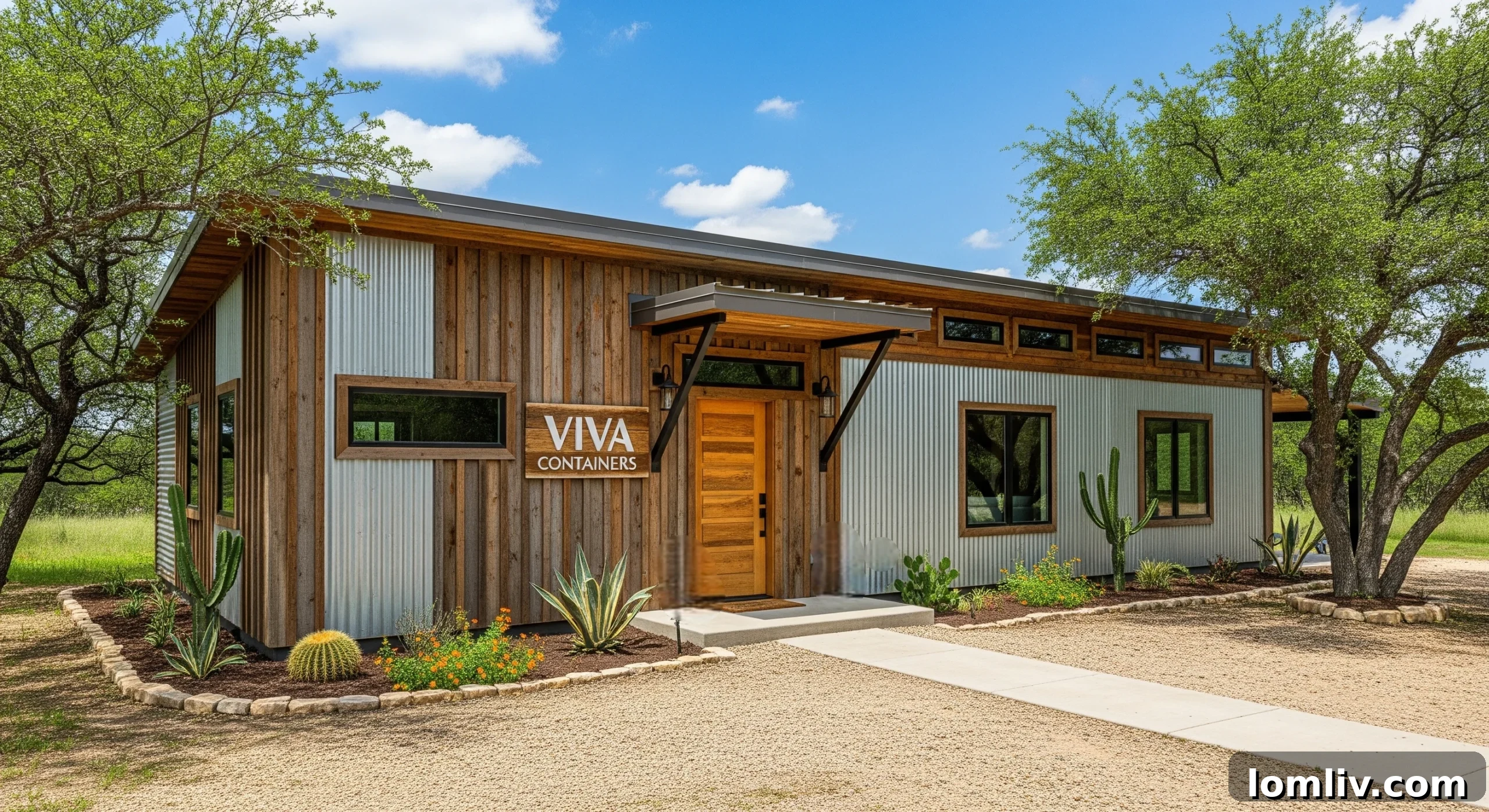
Shipping container homes are precisely what their name suggests: residences crafted from the same robust steel containers that transport vast quantities of cargo across oceans and continents. These industrial-grade structures, typically found in standardized 20-foot or 40-foot lengths (with “High Cube” variants offering extra vertical space), are ingeniously repurposed and transformed into fully functional, comfortable living spaces. The conversion process involves meticulous steps such as installing comprehensive insulation systems, integrating plumbing and electrical networks, cutting and fitting windows and doors, and adding interior and exterior finishes.
The versatility of shipping containers allows for an impressive range of architectural possibilities. You can find everything from minimalist single-container studios, perfect for a cozy retreat or an efficient urban dwelling, to expansive multi-unit configurations. These larger designs might combine several containers to create spacious two-story layouts, sprawling multi-bedroom homes, or even complex commercial spaces. Each unit’s inherent strength and modular nature provide a unique canvas for innovative and sustainable design, appealing to those who value both form and function.
Navigating the Legal Landscape: Are Container Homes Permitted in Texas?
The legality of building a shipping container home in Texas is not a straightforward yes or no answer; rather, it’s contingent upon your specific geographic location within the state. While Texas as a whole does not outright ban container homes, the regulatory framework is determined at the city and county levels, each possessing its own distinct set of zoning ordinances and building codes. This means that what is permissible in one area might be restricted or require different compliance measures in another.
In bustling metropolitan areas like Dallas, your container home project must adhere strictly to established residential building standards. This typically includes compliance with the International Residential Code (IRC), which governs various aspects of residential construction to ensure safety and structural integrity. Furthermore, local Dallas regulations will dictate specific requirements concerning the type of foundation (e.g., slab, pier and beam), the exterior finish materials, and crucial setback rules that determine how far your home must be from property lines. Utility connections, waste management, and accessibility standards are also key considerations. Conversely, certain rural counties or unincorporated areas within Texas often offer greater flexibility and fewer stringent regulations, especially if the property lies outside official city limits. This can provide more freedom for unique designs or off-grid setups, but it still necessitates a thorough check with the local county planning department to avoid future complications. Engaging with local authorities early in your planning process is paramount to ensuring compliance and a smooth building experience.
Why Texas Homebuyers Are Embracing Container Homes

Cost-Effectiveness & Accessibility for Modern Living
One of the most compelling advantages of shipping container homes is their inherent cost-effectiveness. The base units—the containers themselves—are significantly more affordable than traditional building materials, offering a substantial head start in managing construction expenses. This makes container homes an incredibly attractive option for a diverse range of buyers, including first-time homebuyers grappling with rising property costs, budget-conscious individuals, or enthusiastic DIYers eager to build their dream home without breaking the bank. The reduced upfront investment makes homeownership more accessible and allows for greater financial flexibility, potentially freeing up resources for high-quality interior finishes or sustainable features.
Exceptional Durability Against Texas Elements
Originally engineered to withstand the harshest conditions of transoceanic travel, including powerful storms, corrosive saltwater, and heavy loads, shipping containers boast an inherent structural integrity. When properly prepared and modified—with critical additions like robust sealing, advanced insulation, and a solid foundation—these homes prove remarkably resilient against Texas’s diverse and often extreme weather patterns. They stand strong against the intense summer heat, resist damage from strong winds and even hail, and effectively manage heavy rainfall. This innate toughness provides a significant advantage, offering peace of mind to homeowners in a state prone to various severe weather events, from hurricanes on the coast to powerful thunderstorms inland.
Expedited Construction Timelines
The construction process for a shipping container home is typically much faster than that of a conventional stick-built house. Since the primary structural shell already exists, a considerable portion of the building timeline is eliminated. This allows for quicker fabrication, often with many modifications completed off-site in a controlled environment, reducing on-site construction delays. For individuals eager to move into their new residence sooner, or for developers seeking efficient project completion, this accelerated timeline is a huge benefit, translating into lower labor costs and earlier occupancy.
Pioneering Sustainable Living
Embracing a shipping container for your home is a powerful statement in favor of environmental responsibility. By repurposing these massive steel boxes, you directly contribute to reducing construction waste and minimizing the demand for new building materials, making it an inherently eco-conscious choice. The sustainability aspect can be further enhanced by integrating various green technologies: installing solar panels for renewable energy, setting up rainwater collection systems for water conservation, or designing efficient passive cooling and heating setups. This allows homeowners to create a living space that is not only smart and resource-efficient but also significantly reduces their carbon footprint.
Unleashing Creative Customization
The modular nature of shipping containers unlocks a world of design possibilities. Whether you envision a minimalist, single-container abode or aspire to a grander, multi-unit dwelling, the potential for customization is vast. Containers can be stacked, joined side-by-side, or creatively arranged to form unique layouts that perfectly suit individual lifestyles and budgets. From sleek, modern industrial designs with clean lines and exposed steel elements to more rustic, charming aesthetics that blend seamlessly with natural surroundings, container homes offer an unparalleled opportunity for architectural expression. This flexibility empowers owners to design a truly personal and distinctive living space.
Potential Hurdles and Practical Considerations for Container Home Ownership
Mastering Climate Control: Insulation is Key
Texas summers are notoriously brutal, and without proper planning, a steel container can quickly become an uncomfortably hot metal box, akin to a toaster oven. Conversely, during the colder winter months, steel’s high thermal conductivity means heat can escape just as rapidly. Therefore, investing in high-quality, comprehensive insulation is not merely a recommendation but an absolute necessity for year-round comfort. Options like spray foam insulation, rigid foam panels, or mineral wool are vital for creating a thermal barrier. Alongside superior insulation, a smartly designed and efficient HVAC (heating, ventilation, and air conditioning) system, such as mini-splits or central air, is essential to maintain a comfortable internal climate regardless of external temperatures. This aspect often represents a significant portion of the container home budget but is non-negotiable for livability.
Space Optimization in Compact Footprints
A standard 40-foot shipping container offers approximately 320 square feet of interior space. While this can be cozy and efficient for a single person or as an auxiliary dwelling unit, it can feel quite restrictive for full-time living, especially for families or those accustomed to larger homes. To mitigate this challenge, many owners opt to combine two or more containers, either by joining them side-by-side or stacking them vertically, to create a more generous living area. However, expanding the footprint in this manner inherently adds to the overall construction cost, requiring more containers, additional structural modifications, and increased labor.
The Technicalities of Steel Modification
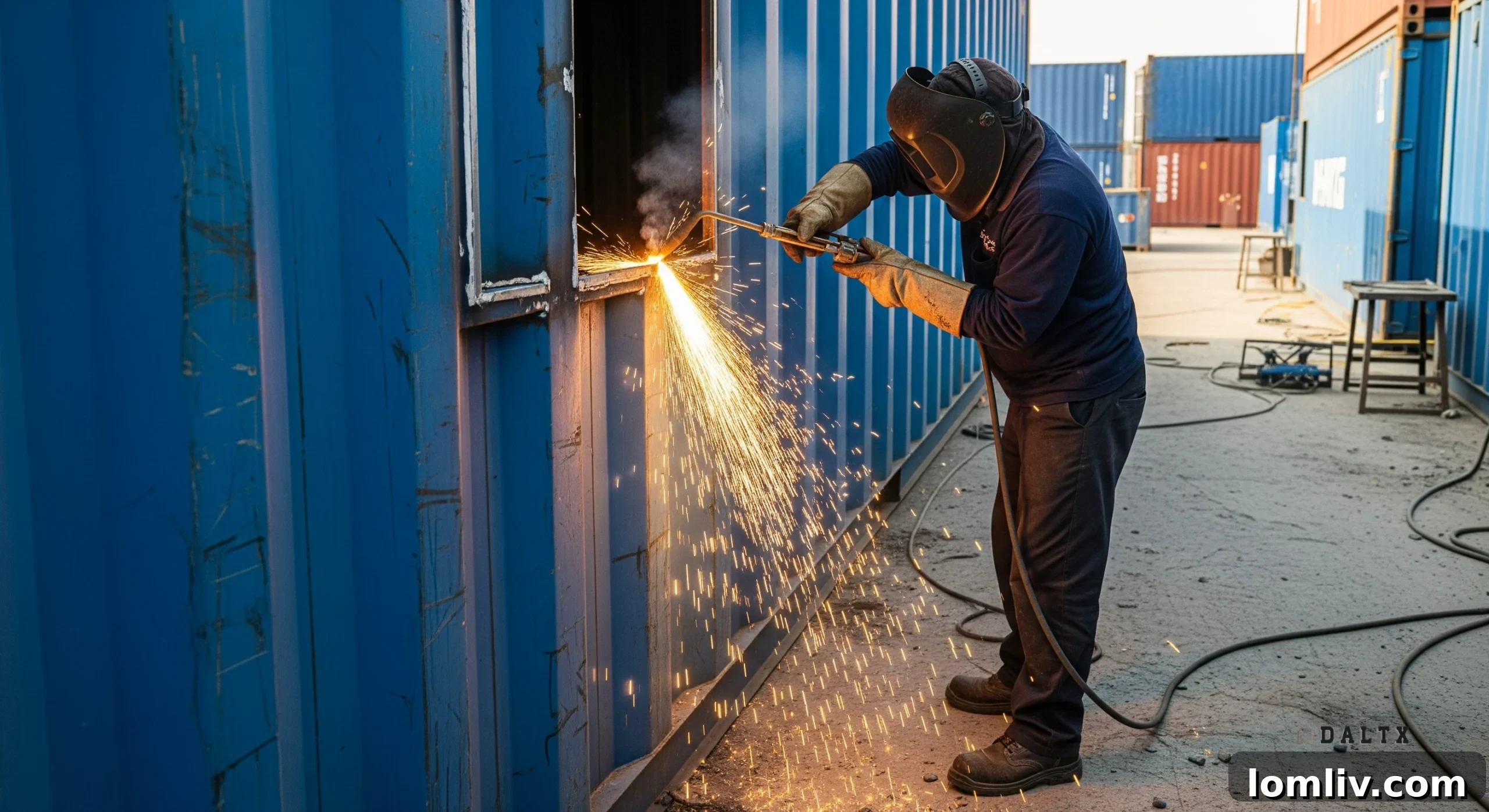
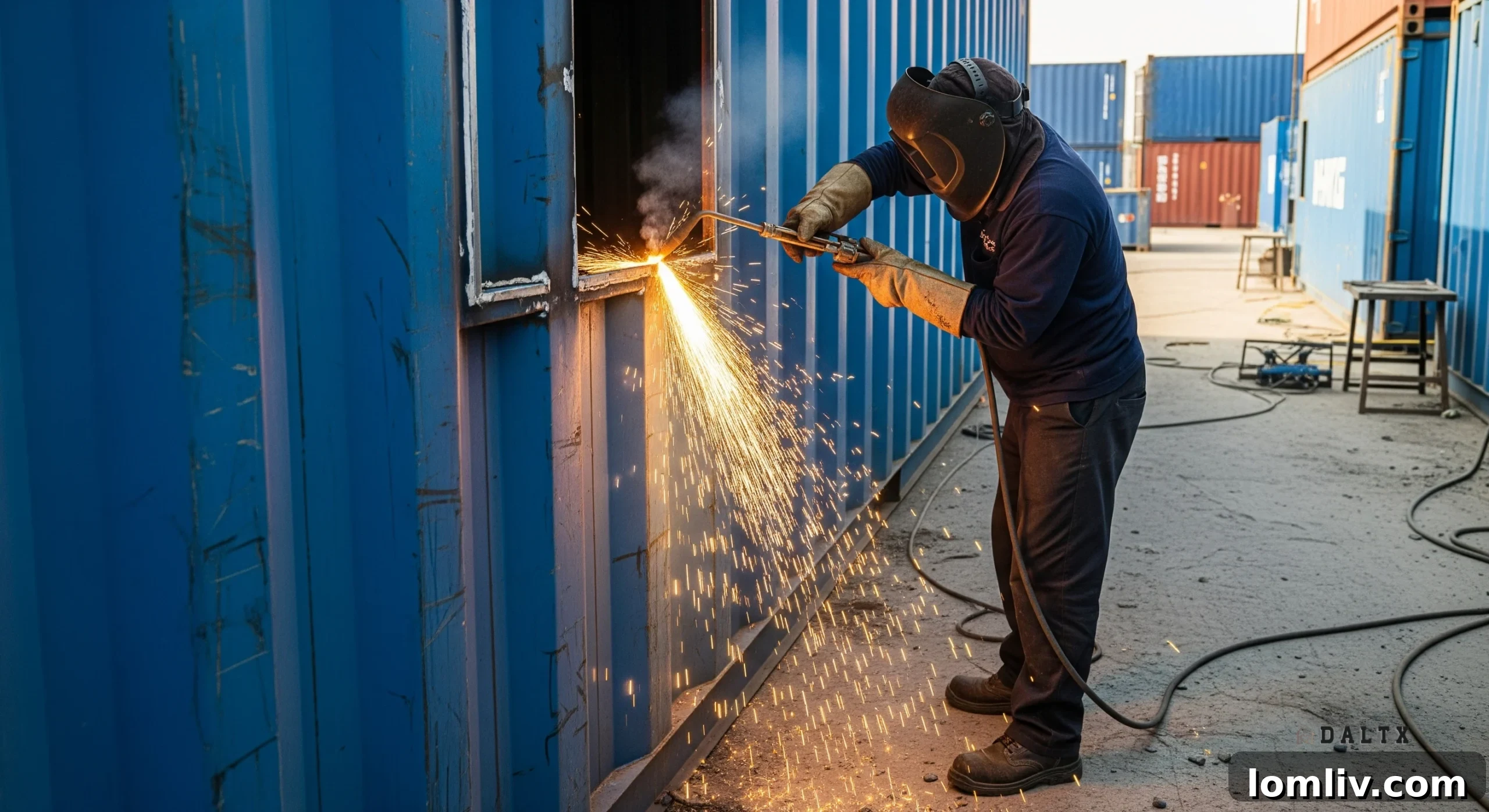
Every window, door, or architectural opening you wish to incorporate into your container home necessitates precision cutting through thick, corrugated steel. This is not a simple DIY task; it requires specialized tools, such as plasma cutters or industrial grinders, and skilled labor with expertise in metal fabrication. Furthermore, cutting into the container’s structural integrity means that additional reinforcement—often in the form of welded steel frames—is crucial around every opening. This reinforcement ensures the home remains structurally sound and safe. These specialized processes and materials can significantly drive up the build budget and require expert consultation to ensure safety and compliance.
Navigating Financing and Insurance
Securing traditional financing, such as a conventional mortgage, for a shipping container home can present unique hurdles. Many conventional lenders are still hesitant to finance properties that do not fit the mold of a traditional stick-built house, often due to unfamiliarity with appraisal methods and perceived resale risks. If you’re planning an off-grid setup or a highly custom design, the challenge can be even greater. Potential homeowners may need to explore alternative financing options, such as construction loans, personal loans, or loans from specialized lenders who have experience with non-traditional housing. Similarly, obtaining comprehensive homeowners insurance might require more effort and, in some cases, result in higher premiums, as insurers may categorize these homes differently from standard residences.
Ongoing Maintenance and Rust Prevention
While Corten steel is renowned for its strength and weather resistance, it is not entirely invincible, especially in the humid and sometimes rainy climate of Texas. Without proper preparation, sealing, and ongoing maintenance, rust can become a significant concern. The integrity of the original paint and any subsequent protective coatings is crucial in preventing corrosion. Homeowners should anticipate occasional touch-ups, re-coating of exposed steel, or targeted spot repairs to keep the structure in pristine condition. Regular inspections are advised to catch and address any signs of rust early, preserving the longevity and appearance of the home.
Resale Value and Market Acceptance
As shipping container homes still represent a niche segment of the housing market, reselling one might take longer than selling a traditional house. Some appraisers and potential buyers may lack sufficient understanding of how to accurately value these unique properties, which can potentially slow down the sales process or impact the asking price. However, it’s important to note that interest in alternative, affordable, and sustainable housing options is steadily growing. As awareness increases and more examples of well-built container homes emerge, market acceptance is evolving, potentially making resale less challenging in the future, particularly in areas like Dallas where innovative housing solutions are gaining traction.
Making the Dream a Reality: Your Next Steps
Shipping container homes in Texas are more than just a trend; they represent a practical and personal approach to homeownership for individuals seeking affordability, functionality, and a touch of unique style. These resilient dwellings have gained significant traction for compelling reasons: their quicker construction times, budget-friendly potential, and the unparalleled opportunity to create a living space that truly reflects an owner’s personal aesthetic and values. While the journey to building a container home does involve a learning curve and demands careful attention to detail—from navigating permits to perfecting the design—for many, it is a rewarding challenge well worth undertaking.
To successfully realize your container home vision, thorough preparation is key. You’ll need to meticulously research and understand local zoning regulations, devise robust insulation strategies to combat Texas’s climate extremes, address potential financing hurdles head-on, and consider the evolving landscape of resale value and market acceptance. Because these homes still operate somewhat outside the mainstream housing market, a proactive and informed approach on your part will prove invaluable.
If you’re ready to take the next crucial steps, initiating contact with your local planning office early in the process is paramount. This ensures you understand all local codes and permitting requirements from the outset. Simultaneously, seek out experienced builders, architects, or designers who specialize in container construction, as their expertise will be indispensable in transforming steel boxes into a livable, compliant home. Finally, ensure your financing and insurance plans are robustly secured and aligned with the unique aspects of container home ownership. With the right team, a solid plan, and a clear understanding of the process, you can build a home that not only stands out for its distinctive appearance but also perfectly aligns with your lifestyle and thrives in the dynamic environment of Texas.