Unlocking Urban Dreams: The Best Cities and Neighborhoods for Millennials
As a Millennial navigating today’s dynamic urban landscape, the insights offered by reputable sources like Niche.com are more relevant than ever. This generation, generally defined as individuals aged 25-34 in the context of these studies, is actively shaping the future of cities. Understanding where Millennials choose to live, and more importantly, why, provides a fascinating glimpse into economic trends, cultural shifts, and the evolving demands of a vital demographic.
Niche.com’s comprehensive listicle, detailing the top 25 cities and neighborhoods where this age group thrives, offers a blend of predictable favorites and insightful surprises. While some entries, such as New York City’s Brooklyn seizing the coveted No. 1 spot, might seem like common knowledge, the broader spectrum of cities and the underlying reasons for their appeal paint a richer picture. This isn’t just a list; it’s a window into the aspirations and practical needs of a generation making its mark.
Understanding the Millennial Mindset: What Drives Urban Choices?
Before diving into the rankings, it’s crucial to grasp what truly motivates Millennials when choosing a place to call home. Unlike previous generations, Millennials often prioritize experiences over possessions, community over isolation, and flexibility over rigid structures. Their ideal city is typically characterized by a confluence of factors:
- Economic Opportunity: Access to diverse job markets, especially in growing sectors like technology, healthcare, and creative industries, is paramount.
- Affordability: While many gravitate towards major metropolitan areas, the cost of living, particularly housing, remains a significant consideration given student loan debt and competitive entry-level salaries.
- Vibrant Culture and Social Scene: A lively nightlife, a rich arts and culture scene, diverse dining options, and opportunities for social engagement are highly valued.
- Walkability and Public Transit: The ability to commute without a car, access amenities on foot, and utilize efficient public transportation systems appeals to an environmentally conscious and convenience-seeking generation.
- Diversity and Inclusivity: Cities that embrace a wide range of cultures, backgrounds, and lifestyles often rank higher, fostering a sense of belonging for diverse individuals.
- Quality of Life: This encompasses factors like green spaces, recreational activities, safety, and access to good healthcare and educational institutions.
Niche.com’s methodology successfully distills many of these priorities into quantifiable data, offering a robust framework for its rankings.
The Niche.com Methodology: A Deep Dive into the Ranking Factors
The credibility of any “best cities” list hinges on the rigor of its methodology. Niche.com, in collaboration with insights drawn from Forbes, developed a comprehensive approach to identify the best urban environments for Millennials. Their analysis wasn’t simply based on popular opinion; it delved into extensive data points, ensuring a balanced perspective between the “fun stuff” and the practical necessities of adult life.
To create this definitive ranking of the 25 Best Cities and Neighborhoods for Millennials, Niche.com meticulously analyzed data from cities and metro areas with populations exceeding one million residents. This data was sourced from authoritative entities such as the U.S. Census Bureau and the FBI, augmented by invaluable insights from surveys of nearly half a million college students and graduates collected over four years. This blend of quantitative government data and qualitative user-generated insights provides a holistic view.
Key factors examined included:
- Percentage of Millennial Population: A high concentration of individuals aged 25 to 34 indicates a city is already attracting and retaining this demographic, suggesting a vibrant peer community.
- Median Income: This factor gauges the economic prospects and earning potential for young professionals within the city.
- Education Level: A well-educated populace often correlates with a strong job market and a culture of innovation and intellectual growth.
- Racial Diversity: Diverse cities are generally more vibrant, offer varied cultural experiences, and foster inclusive environments.
Beyond these demographic and economic indicators, the ranking also gave significant weight to practical quality-of-life metrics:
- Lower Median Rents: Directly addressing one of the biggest financial hurdles for Millennials, cities with more affordable housing options scored higher.
- Lower Unemployment Rates: Essential for career growth and financial stability, a robust job market is a non-negotiable for young adults.
- Lower Crime Rates: Safety and security are fundamental aspects of urban desirability for any age group.
Furthermore, Niche.com incorporated user-generated survey data to account for the “lifestyle” elements that greatly influence Millennial satisfaction. These factors include:
- Nightlife: The availability of bars, clubs, and entertainment venues.
- Cultural Attractions: Museums, theaters, music venues, and art galleries.
- Shopping: Access to diverse retail options, from boutiques to major department stores.
- Professional Sports: The presence of major sports teams and associated entertainment.
Mark Tressler, Niche.com’s Director of Business Development, aptly summarized the approach: “The economic climate right now is difficult for recent college grads. With a ranking like this we’re combining the fun stuff with more practical things like safety and the unemployment rate. It’s a good balance of what you need to think about when you’re starting to get serious about life beyond college.” This philosophy ensures the rankings serve as a truly practical guide for young adults embarking on their post-collegiate journey.
Top Contenders: A Glimpse into the Elite Millennial Cities
The top 10 cities on Niche.com’s list represent a diverse array of urban environments, each offering unique attractions for Millennials. These are not just places with jobs; they are vibrant ecosystems where young adults can build careers, forge communities, and enjoy a high quality of life.
New York City (Brooklyn): The Undisputed Leader at No. 1
It’s no surprise that Brooklyn, New York, claims the top spot. Known for its unparalleled cultural scene, diverse neighborhoods, and seemingly endless opportunities in various industries from tech to media to arts, Brooklyn embodies the Millennial ideal of urban living. Its distinct neighborhoods, each with its own character, offer everything from trendy cafes and indie boutiques to historic brownstones and sprawling parks. While notoriously expensive, the sheer density of jobs, social outlets, and cultural experiences often outweighs the cost for many young professionals willing to embrace the hustle.
Austin, Texas: A Rising Star at No. 2
Austin has cemented its reputation as a magnet for young talent, securing the second position. Its burgeoning tech industry, vibrant live music scene, outdoor recreational opportunities, and relatively progressive culture within Texas make it incredibly attractive. The city boasts a relaxed, yet entrepreneurial spirit, appealing to those seeking innovation without the intense pressure of coastal giants.
Washington, D.C. (No. 3)
The nation’s capital draws Millennials with its robust job market in government, non-profits, international relations, and burgeoning tech sectors. Beyond politics, D.C. offers world-class museums, diverse dining, and a sophisticated urban environment, making it a compelling choice for ambitious young professionals.
Chicago, Illinois (No. 4)
Chicago consistently ranks high due to its impressive array of cultural institutions, stunning architecture, diverse neighborhoods, and relatively affordable cost of living compared to other major cities. It offers a big-city experience with a Midwestern friendliness, ample job opportunities, and a thriving arts and culinary scene.
San Francisco, California (No. 5)
Despite its astronomical cost of living, San Francisco’s position as a global epicenter for technology and innovation ensures its continued appeal. Young professionals flock here for unparalleled career opportunities, a progressive culture, and breathtaking natural beauty, though often at the sacrifice of financial comfort.
Boston, Massachusetts (No. 6)
A hub for education, healthcare, and biotech, Boston attracts a highly educated Millennial demographic. Its historic charm, vibrant student population, and strong job market in specialized fields make it a desirable, albeit expensive, city for young professionals.
Denver, Colorado (No. 7)
Denver’s appeal lies in its dynamic urban environment combined with easy access to outdoor adventures in the Rocky Mountains. Its growing tech industry, craft beer scene, and active lifestyle resonate strongly with Millennials seeking a balance between career and recreation.
Minneapolis – St. Paul, Minnesota (No. 9)
The “Twin Cities” offer a high quality of life, strong job markets in healthcare and finance, beautiful parks, and a thriving arts scene, all with a more affordable cost of living than many coastal counterparts. Its progressive policies and friendly atmosphere also contribute to its allure.
San Diego, California (No. 10)
San Diego boasts an enviable climate, stunning beaches, a laid-back lifestyle, and a growing presence in biotech and military industries. It offers a appealing blend of career opportunities and a high quality of life, perfect for those who prioritize sunshine and outdoor activities.
The Texas Triumvirate: Austin, Dallas, and Houston
Texas has become a significant player in the national conversation about Millennial migration. Its robust economy, lack of state income tax, and relatively lower cost of living compared to coastal states have made it a magnet for young professionals. Austin, Dallas/Fort Worth, and Houston each offer distinct advantages, reflecting the diverse appeal of the Lone Star State.
Austin: The Lone Star’s Tech Haven – A Double-Edged Sword?
Austin’s No. 2 ranking nationally is a testament to its explosive growth and magnetic appeal. Millennials make up a substantial 17 percent of its population, a clear indicator of its youth appeal. The city’s unique blend of a booming tech sector, a legendary live music scene, a “keep Austin weird” ethos, and abundant outdoor activities along the Colorado River and Barton Springs creates an irresistible package.
However, Austin’s popularity comes with a significant caveat: rapidly escalating housing costs. While the city’s median rent was $936 at the time of the Niche.com study, that figure has steadily climbed, making affordable housing increasingly scarce. Many young professionals find themselves compromising significantly on living space, with stories of “converted walk-in closets” becoming less of a joke and more of a reality. This raises a critical question: is Austin becoming less attractive to Millennials as housing prices skyrocket? The answer is complex. While job opportunities remain plentiful, the diminishing affordability could eventually deter new arrivals, or at least shift the demographic makeup towards higher-earning individuals, potentially eroding some of the city’s unique charm and diversity.
Dallas/Fort Worth: The Dynamic Duo at No. 8
Coming in at a respectable No. 8, the Dallas/Fort Worth Metroplex offers a different, yet equally compelling, proposition for Millennials. With 15 percent of its population falling into the 25-34 age bracket and a median rent of $874, D/FW presents a more financially accessible gateway to significant urban opportunities compared to Austin or coastal cities. The metroplex is a powerhouse of corporate headquarters, diverse industries (finance, technology, healthcare, logistics), and a rapidly expanding job market.
While the Niche.com survey grouped both Dallas and Fort Worth together, it’s interesting to note that the specific neighborhood references—Oak Lawn and the Southern Methodist University area—point exclusively to Dallas. This might reflect Dallas’s stronger reputation as a white-collar hub with more concentrated urban amenities, particularly for young professionals seeking a fast-paced, sophisticated lifestyle. However, Fort Worth, with its distinct Western heritage, growing downtown, and burgeoning cultural scene, also contributes significantly to the metroplex’s overall appeal, offering a slightly more laid-back yet equally vibrant alternative.
Houston: The Energy City’s Evolving Charm at No. 21
Trailing behind at No. 21, Houston nonetheless holds its own as a viable Millennial destination. Like D/FW, the 25-34 age group constitutes 15 percent of its population, and its median rent of $860 makes it the most affordable of the three major Texas cities analyzed. Houston, traditionally known as the “Energy Capital of the World,” is diversifying its economy rapidly, with growing sectors in healthcare (Texas Medical Center is the world’s largest), aerospace, and technology.
Houston’s appeal also lies in its incredible diversity—it’s one of the most multicultural cities in the U.S.—and its renowned culinary scene. While perhaps lacking the immediate “cool factor” of Austin or the polished urbanity of Dallas, Houston offers immense opportunity, a lower cost of living, and a vibrant, international cultural tapestry that appeals to a broad range of Millennials seeking career growth without exorbitant expenses.
Neighborhood Nuances: Why Oak Lawn Stands Out in Dallas
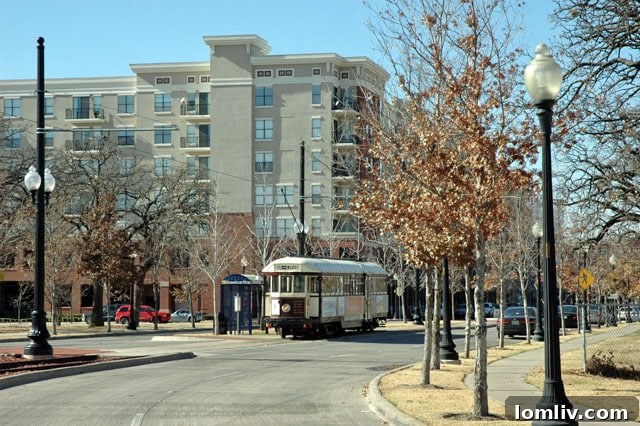
Within the broader Dallas/Fort Worth metroplex, specific neighborhoods resonate more strongly with the Millennial demographic. Oak Lawn, in particular, emerges as a prime example of an urban enclave perfectly tailored to the desires of young professionals. According to Niche.com’s findings, it was the most popular neighborhood for Millennials in Dallas, and for good reason.
Oak Lawn embodies the key values my generation prioritizes: close-in convenience, abundant shopping, a thriving social scene, and urban walkability. Its central location provides easy access to downtown Dallas, major employment centers, and other vibrant districts. The neighborhood is dotted with trendy restaurants, lively bars, boutique shops, and green spaces like Turtle Creek Park, fostering a dynamic and engaging environment.
The emphasis on walkability is especially significant. Millennials are increasingly opting for lifestyles that reduce reliance on personal vehicles, preferring to navigate their daily lives on foot, by bike, or via public transport. Oak Lawn’s pedestrian-friendly streets and proximity to amenities allow residents to do just that, creating a true live-work-play environment. This convenience, combined with a strong sense of community and an energetic social atmosphere, makes Oak Lawn an undeniable magnet for young adults seeking a quintessential urban experience in Dallas.
The Evolving Urban Landscape for Millennials: Challenges and Opportunities
The journey of a Millennial choosing their ideal city is fraught with both exciting opportunities and significant challenges. While the Niche.com rankings provide valuable guidance, the broader economic and social context cannot be ignored.
Challenges:
Millennials often face the burden of substantial student loan debt, which directly impacts their ability to save for housing or other investments. The job market, while improving, remains competitive, especially for entry-level positions requiring specialized skills. Housing affordability continues to be a nationwide crisis, pushing young professionals further from city centers or forcing them into less ideal living situations. Furthermore, the rising cost of living in popular cities like Austin threatens to price out the very demographic that made them desirable in the first place, potentially leading to a shift in urban demographics and culture.
Opportunities:
Despite these hurdles, Millennials are also adapting and creating new opportunities. The rise of remote work has broadened geographical choices, allowing some to access higher-paying jobs while residing in more affordable areas. The entrepreneurial spirit within this generation is also driving innovation, creating new businesses and industries that reshape urban economies. Cities themselves are increasingly recognizing the need to invest in infrastructure, public spaces, and affordable housing initiatives to attract and retain young talent.
Making the Right Choice: Key Considerations for Your Next Move
Ultimately, the “best” city for a Millennial is a deeply personal choice. While rankings like Niche.com’s provide an excellent starting point, prospective residents should consider their unique circumstances and priorities:
- Career Prospects: Does the city’s primary industries align with your professional goals and growth potential?
- Cost of Living: Can you realistically afford to live comfortably, factoring in rent, transportation, and daily expenses?
- Lifestyle and Culture: Does the city’s vibe, social scene, and recreational opportunities resonate with your personal interests?
- Community: Are there opportunities to build connections, find like-minded individuals, and feel a sense of belonging?
- Personal Values: Does the city’s approach to sustainability, diversity, and social issues align with your own?
True, with limited job experience and increasing competition for housing and employment, it’s a challenging market for Millennials. And considering what my generation values most — close-in convenience, shopping, social living, and urban walkability — it’s no wonder that Oak Lawn was the most popular neighborhood for Millennials according to Niche.
Conclusion: The Dynamic Pursuit of the Millennial Dream City
The quest for the ideal city for Millennials is a dynamic and evolving journey, shaped by economic realities, cultural desires, and personal aspirations. Niche.com’s rankings offer a valuable compass, guiding young adults towards cities that excel in providing opportunity, community, and quality of life. From the bustling streets of Brooklyn to the tech hubs of Austin and the diverse opportunities of Dallas/Fort Worth and Houston, each city presents a unique proposition.
As the conversation continues, it’s clear that cities must continuously adapt to meet the changing needs of this influential generation. Affordability, job growth, and a vibrant urban fabric will remain crucial determinants for whether a city can truly unlock the urban dreams of its Millennial residents. So, what do you think of this list? And is Austin becoming less attractive to Millennials as housing prices skyrocket, or will its unique charm continue to draw young professionals despite the rising costs?