Driving in the Lone Star State comes with responsibilities, and one of the most critical for every driver is the annual Texas car inspection. Far more than a mere formality to get a sticker on your windshield, this yearly assessment is a cornerstone of public safety and environmental protection across the state. It’s the Texas Department of Public Safety’s (DPS) mandate to ensure that every vehicle on its roads is safe to operate and adheres to strict environmental standards, thereby safeguarding both drivers and the environment.

A comprehensive state inspection delves deep beyond just basic compliance. Certified technicians meticulously examine a vehicle’s key safety features and conduct crucial emissions tests. This proactive approach helps identify potential mechanical issues long before they escalate into major, costly, and potentially dangerous problems. By catching these issues early, the risk of road accidents is significantly reduced, and harmful pollutants are kept out of Texas’s air, contributing to cleaner, healthier communities.
When viewed through the lens of what the Texas vehicle inspection truly provides, it transcends the typical chore and transforms into an essential safeguard. The relatively small annual investment of time and money can yield substantial returns, protecting you from the much higher financial burdens and emotional distress associated with vehicle breakdowns, serious accidents, traffic fines, and potential legal complications. It’s a peace of mind purchase, ensuring your vehicle is roadworthy and compliant.
Understanding Texas Car Inspection Frequency and Exemptions
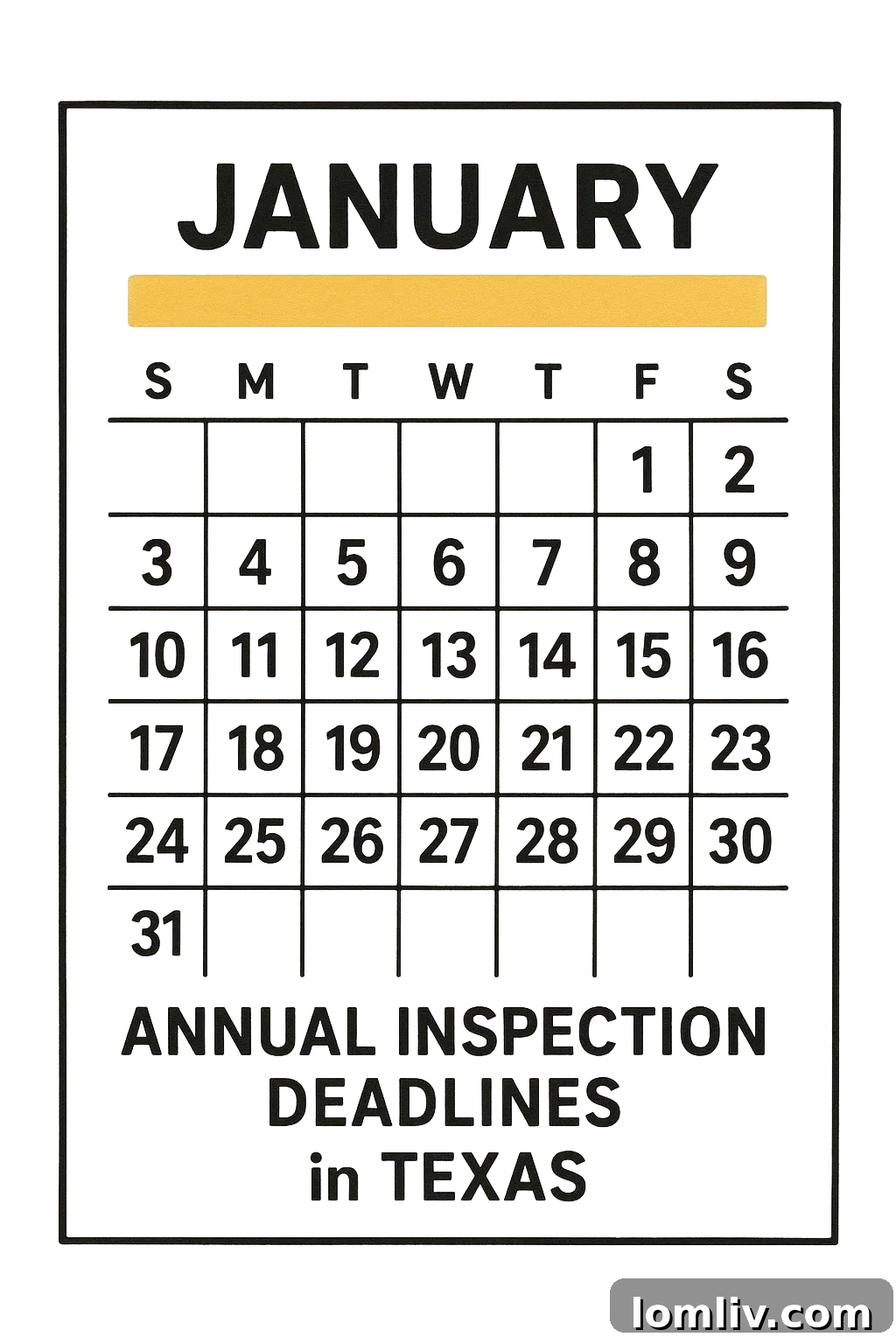
Texas mandates an annual safety inspection for the vast majority of vehicles registered within its borders. This yearly requirement is tied to your vehicle’s registration period, creating a streamlined and manageable system. The inspection window typically runs from the month your registration is due until the same month of the following year. This clever scheduling mechanism helps prevent overwhelming surges at inspection stations, distributing the workload evenly throughout the year and making the process smoother for everyone.
However, there are notable exceptions to this annual rule. If you’ve recently purchased a brand-new car, you’ll be pleased to know that you’re usually exempt from the initial Texas car inspection for two years following its original sale date. The rationale behind this exemption is straightforward: new vehicles rolling off the assembly line are presumed to be free of safety defects and emissions issues, having met rigorous manufacturing standards. This allows the state to concentrate its inspection resources on older vehicles that are statistically more likely to require attention and maintenance.
Certain types of vehicles are also treated differently under Texas law. Owners of antique models, classic cars, and specialty vehicles may benefit from modified inspection rules, or in some specific instances, even complete exemptions. For instance, many classic vehicles are not subject to the same emissions testing requirements as modern cars due to their age and infrequent use. Because these unique vehicles often operate under different safety standards and are driven less frequently, their owners must diligently review the specific guidelines applicable to their vehicle class. Properly restored and vintage vehicles often fall under their own distinct set of regulations, and consulting the Texas DPS website or a local inspection station is highly recommended to ensure compliance.
Furthermore, active-duty military personnel may qualify for extensions under specific circumstances. If deployment or extended service prevents you from meeting your inspection deadline, you might be granted additional time. It’s crucial to understand that such extensions are not automatic. You will need to provide the appropriate documentation, typically proof of active military status and deployment orders, and apply for the extension proactively. Planning ahead is key, as failing to address the inspection requirement before its expiration can lead to fines and legal complications, emphasizing that once the deadline has passed, it’s often too late to avoid penalties.
Safety vs. Emissions Checks: A Detailed Look at What Gets Tested
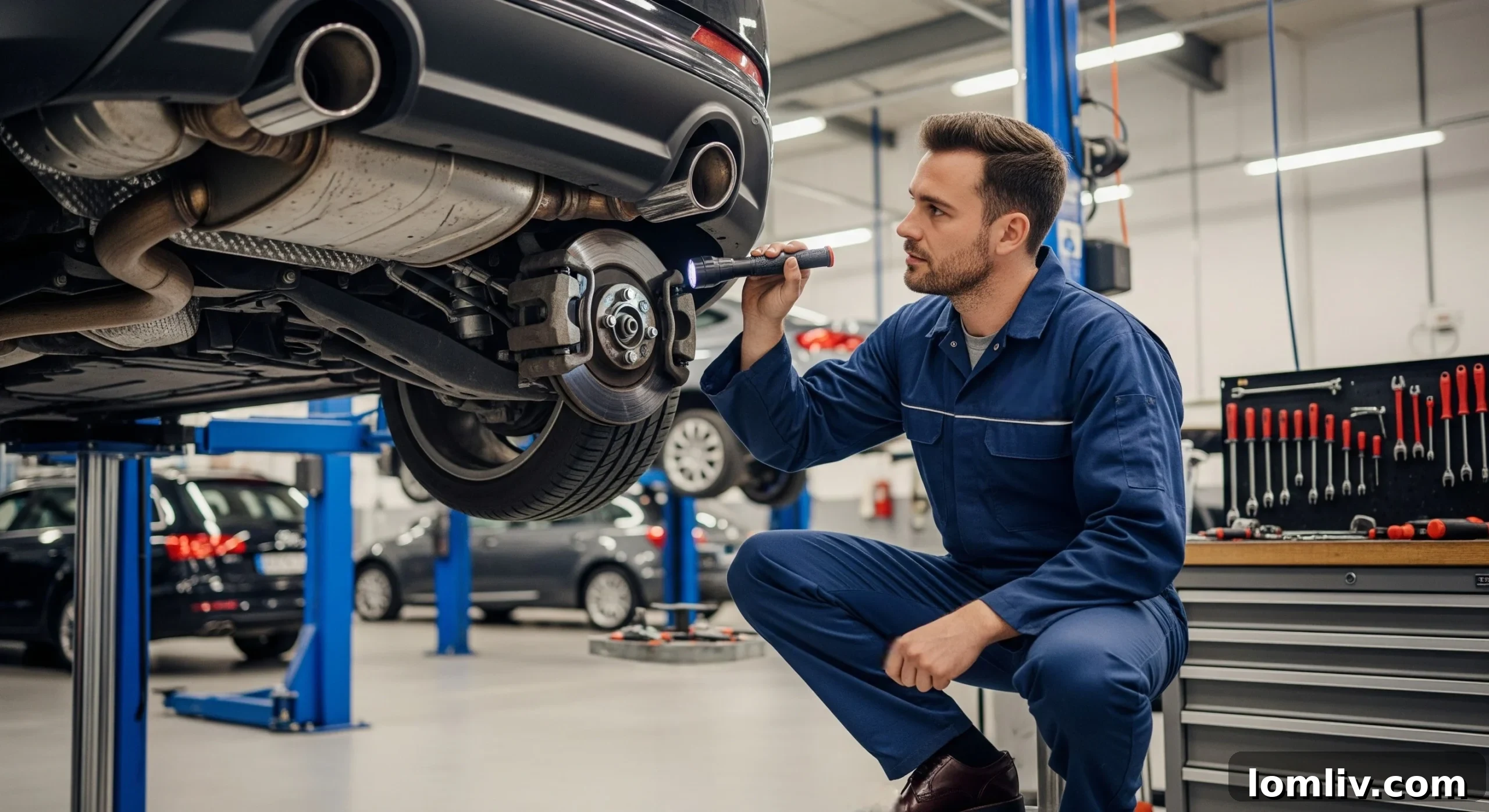
When your vehicle arrives for its Texas vehicle inspection, the process begins with a rigorous assessment of its fundamental safety components. This safety check is paramount for preventing accidents and ensuring all road users are protected. Inspectors meticulously examine critical systems, including:
- Brakes: Technicians will inspect brake pads, rotors, drums, brake lines, and the parking brake for proper function and wear. Worn brake components dramatically increase stopping distances and the risk of collisions.
- Lights: All exterior lights must be fully functional. This includes headlights (high and low beams), tail lights, brake lights, turn signals, hazard lights, and even the license plate light. Proper illumination is essential for visibility, especially during adverse weather conditions or at night, and for signaling intentions to other drivers.
- Steering and Suspension: Components like tie rods, ball joints, shock absorbers, and struts are checked for excessive wear or damage. A compromised steering or suspension system can severely impair vehicle control, leading to dangerous handling characteristics.
- Tires: Tires are inspected for adequate tread depth (usually a minimum of 2/32 inch), sidewall integrity (no bulges, cracks, or exposed cords), and proper matching. Worn or damaged tires can lead to blowouts, hydroplaning, and reduced traction, posing significant safety hazards.
- Other Crucial Safety Items: The horn must be operational for alerting other drivers, windshield wipers must effectively clear the windshield for clear visibility, and all mirrors (rearview and side mirrors) must be securely mounted and provide an unobstructed view. Seatbelts are also checked for proper function and condition, as they are a primary restraint system for occupants.
Following the safety inspection, the focus shifts to the emissions check, a vital component for protecting air quality. This test measures the level of pollutants emitted from your vehicle’s exhaust, ensuring it meets the state’s stringent air-quality standards. The specific requirements for emissions testing can vary based on the vehicle’s age, type, and the county of registration, with major metropolitan areas often having stricter standards. The test considers vehicles’ age and the sophistication of their emission control systems. For most modern vehicles, this involves an On-Board Diagnostics (OBD-II) test, where the inspector connects to the vehicle’s computer system to retrieve diagnostic trouble codes. This test becomes particularly critical as cars age, as emission control systems can degrade over time or sometimes be improperly altered, leading to increased pollution.
Additionally, the exhaust system itself undergoes a thorough visual inspection. Any leaks in the exhaust can not only lead to an emissions test failure but also pose a severe health risk by allowing dangerous carbon monoxide fumes to enter the vehicle’s cabin. A damaged exhaust system can also be an indicator of other underlying mechanical issues that require immediate attention, reinforcing the holistic nature of the Texas car safety check.
Consequences of a Failed Texas Car Inspection for Drivers
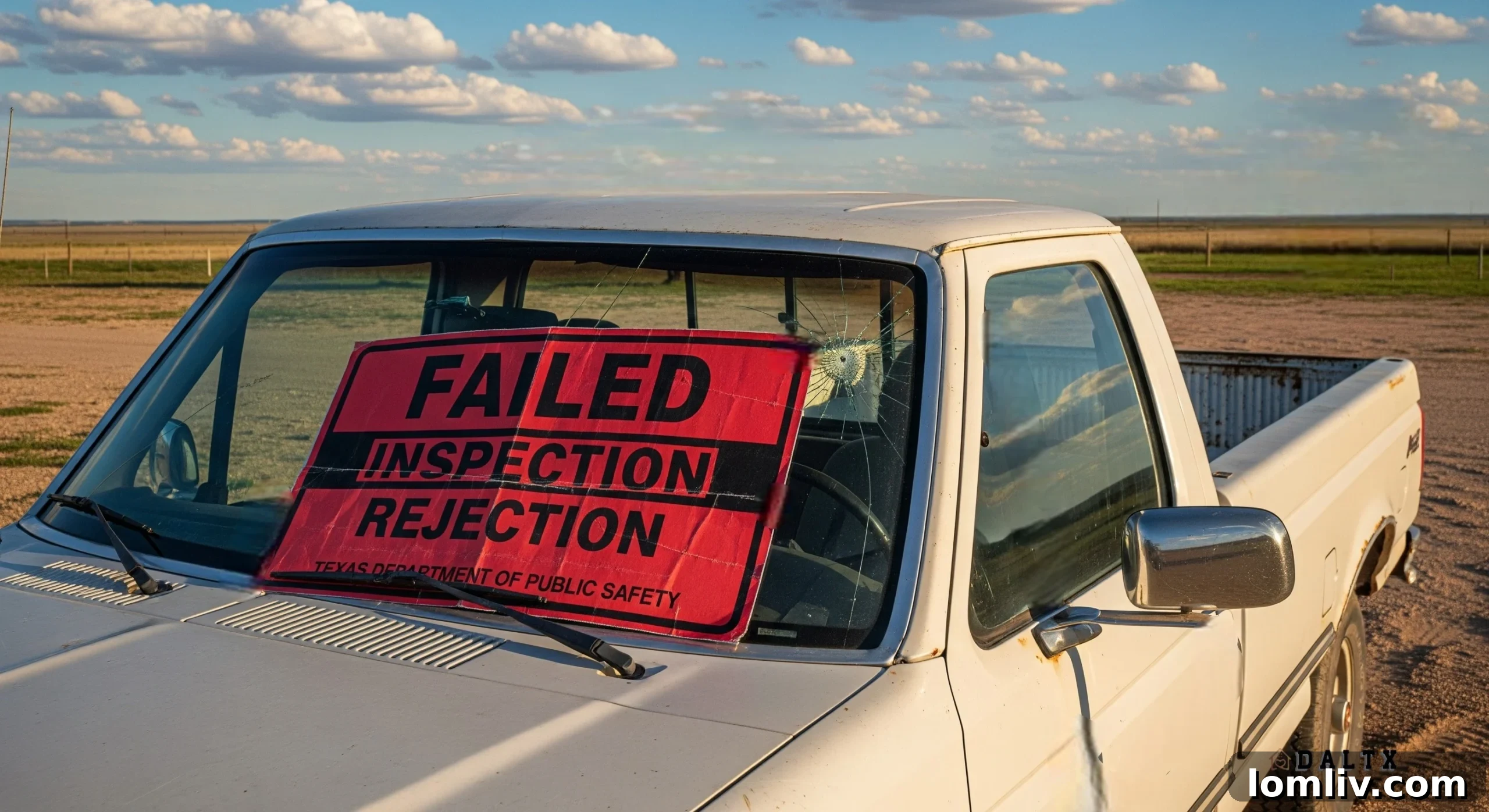
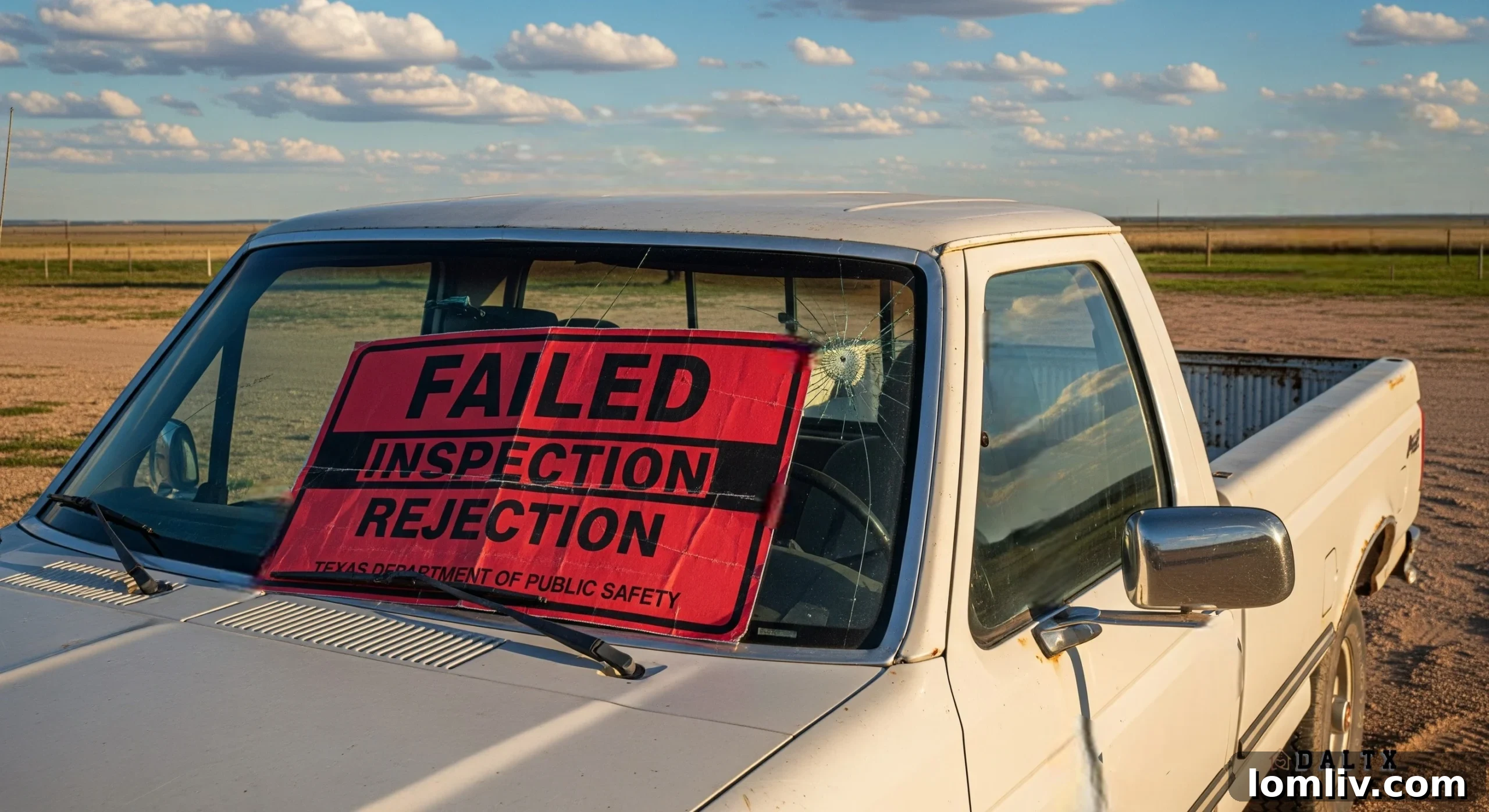
Receiving a “failed” status on your Texas vehicle inspection can be frustrating, but it comes with serious implications that drivers must address promptly. The most critical consequence is that you cannot legally operate your vehicle for daily use until the identified problems are rectified and the vehicle passes a re-inspection. While the state provides a limited grace period, allowing you to drive directly to a repair shop to address the issues, this permission does not extend to regular commuting or general recreational use. Continuing to drive a vehicle that has failed its inspection can lead to significant legal penalties.
A failed inspection invariably translates to additional time and financial commitments. You will be responsible for the cost of repairs necessary to bring your vehicle into compliance, followed by paying for another inspection. This is precisely why it’s highly advisable to perform basic preventative maintenance and address any obvious mechanical or electrical issues before heading to the official inspection station. Many reputable repair shops offer pre-inspection checks that can identify common failure points, saving you the hassle and cost of a re-inspection. Proactive maintenance is a smart investment that can prevent the inconvenience and expense of a failed test.
Beyond the immediate repair costs, failing to obtain a valid Texas auto inspection certificate will prevent you from renewing your vehicle’s registration. Driving with an expired registration is a serious offense in Texas, leading to a cascade of potential legal and financial complications. Expired registrations can result in substantial traffic tickets, escalating fines, accumulation of points on your driving record, and even the impoundment of your vehicle. The cost of retrieving an impounded vehicle, including towing, storage fees, and administrative penalties, can quickly eclipse the cost of a timely inspection and necessary repairs.
Perhaps most importantly, there’s a significant liability risk associated with driving a vehicle that has failed its safety inspection. If you are aware of a safety defect in your vehicle, as evidenced by a failed inspection report, and choose to ignore it, you could be deemed negligent if that defect contributes to an accident. In the unfortunate event of a collision, insurance companies and civil courts may use failed inspection records as concrete proof of negligence. This can severely impact your insurance claim, potentially leading to denial of coverage, and could expose you to substantial financial liability in a lawsuit from injured parties. Addressing all inspection failures promptly is not just about compliance; it’s about protecting yourself, your passengers, and other road users from harm, and mitigating significant legal and financial risks.
Conclusion: The Enduring Value of Texas Car Inspections
In conclusion, the annual Texas car inspection is far more than an bureaucratic hurdle or a piece of red tape; it is an indispensable system designed to foster safety, maintain environmental quality, and uphold legal compliance throughout the state. It serves as a critical annual checkpoint, helping to identify and rectify vehicle problems early, thereby dramatically reducing harmful emissions and keeping countless drivers out of legal predicaments. From a purely practical standpoint, the modest fee and minimal time investment required for an inspection pale in comparison to the substantial headaches and financial drains that can arise from unexpected breakdowns, serious accidents, or costly traffic tickets.
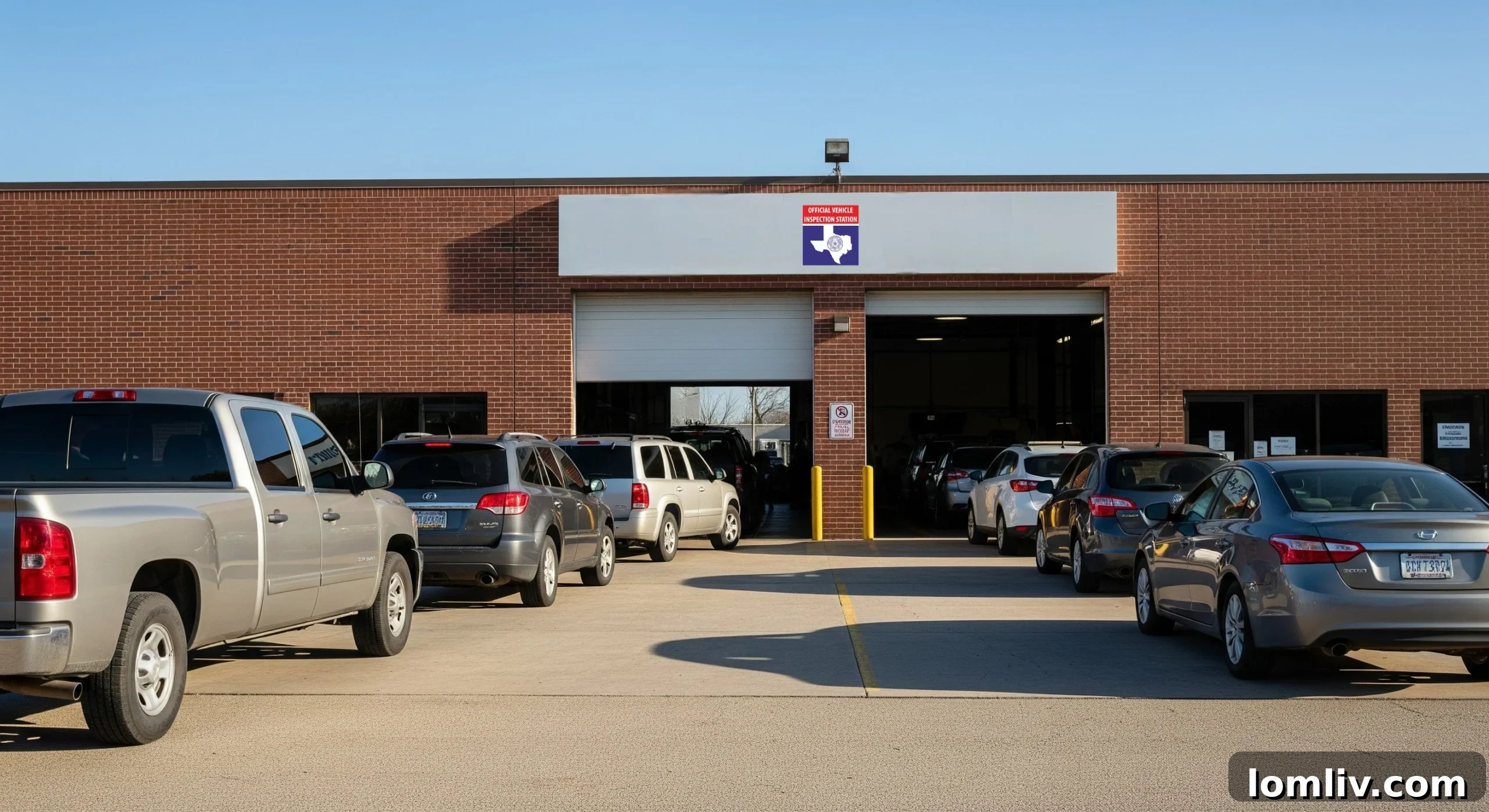
These essential inspections also play a pivotal role in ensuring that Texas roads remain safer and the air cleaner for every resident and visitor. When each driver diligently adheres to the annual inspection requirement, the collective benefits ripple across the entire community, contributing to a healthier environment and reducing the overall risk of traffic incidents. It’s a testament to shared responsibility and civic duty.
By reframing the yearly Texas safety inspection not as an inconvenience but as a crucial layer of protection, its true value becomes abundantly clear. A quick, routine visit once a year is an effective preventative measure, helping you avoid much larger repair bills, significant legal penalties, and potential liability issues down the road. It’s an investment in your safety, your finances, and the well-being of the wider Texas community.