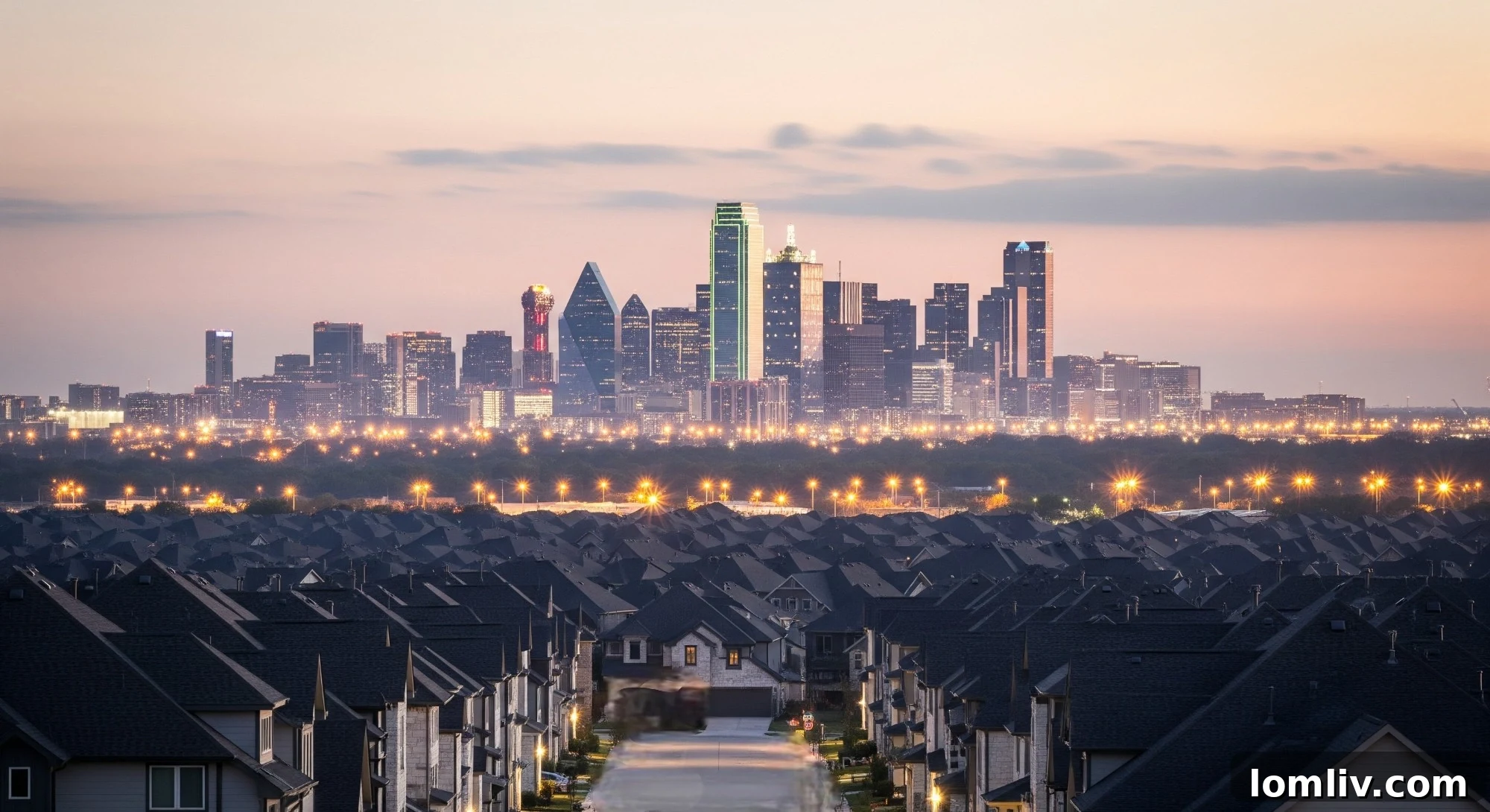
A quiet revolution is underway across the American landscape, prompting a significant demographic shift that sees countless individuals and families trading the high costs and dense populations of states like California and New York for new horizons. The destination of choice for many? Texas. More specifically, the dynamic and ever-expanding Dallas-Fort Worth (DFW) metroplex, which has emerged as a beacon of economic opportunity, affordability, and a desirable quality of life. This isn’t merely a trend; it’s a profound re-evaluation of where one can truly thrive, where the dream of homeownership feels attainable, and where economic growth isn’t just a buzzword, but a daily reality.
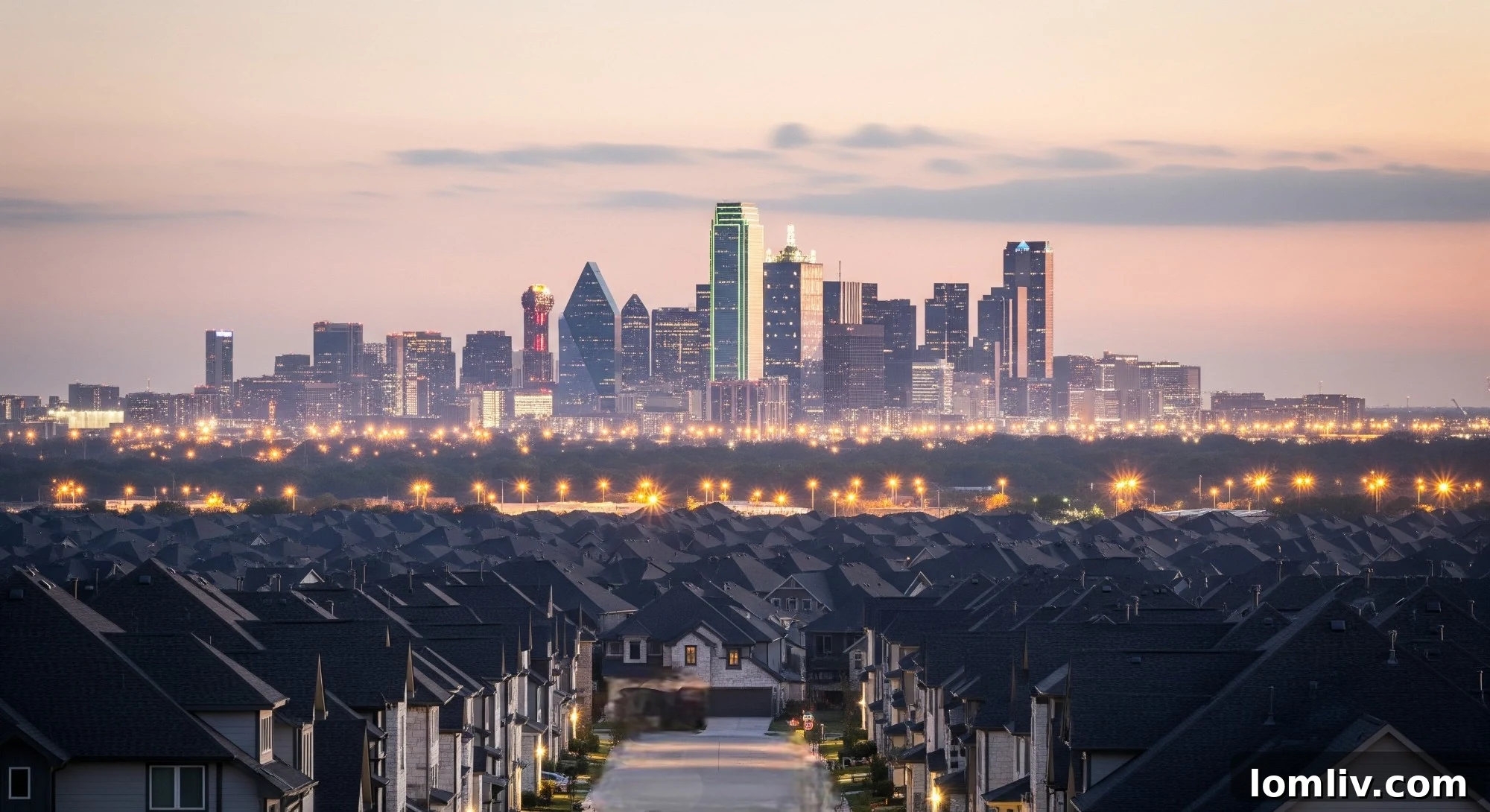
While the allure of Texan brisket and iconic cowboy boots certainly adds to the state’s charm, the primary drivers behind this massive influx are rooted deeply in economics and an unparalleled quality of life. The notion that owning a home shouldn’t require a lifetime of savings and multiple high-income earners is becoming a tangible reality in Texas. At the forefront of this transformational movement stands Dallas-Fort Worth, a sprawling metroplex that has meticulously transformed itself into one of the nation’s most vibrant construction zones. This growth, remarkably, often occurs without the overwhelming traffic congestion and endless orange cones typically associated with such rapid expansion, showcasing DFW’s strategic planning and robust infrastructure.
DFW: A Strategic Hub in Texas’s Economic Masterplan
Dallas-Fort Worth’s appeal extends far beyond Texas’s well-known advantage of having no state income tax. The metroplex actively contributes to the state’s economic prowess through a meticulously diversified economy, a strategically advantageous logistical position, and an infrastructure network robust enough to not only accommodate but actively foster sustainable growth. It’s no coincidence that corporate giants like Toyota, JPMorgan Chase, and Charles Schwab have chosen to relocate their operations to DFW. These companies were not drawn by scenic views alone; their decisions were driven by compelling factors such as business continuity, significantly lower operational costs, and access to a thriving, skilled workforce that isn’t burdened by the exorbitant cost-of-living curves prevalent in coastal regions.
The burgeoning demand for housing and commercial spaces has been met with swift and intelligent responses from key players in the real estate development sector. Firms such as Jome Inc. have demonstrated exceptional foresight, leveraging their deep market expertise to pinpoint high-growth areas within DFW. They have been instrumental in conceptualizing and executing thoughtfully planned communities that are meticulously designed to align with the evolving needs and aspirations of modern Texas families. This concerted effort ensures that as jobs move in, and families follow, the necessary housing and community infrastructure are rapidly and efficiently put in place.
This remarkable growth trajectory in DFW is far more than just a real estate phenomenon; it signifies a profound migration story, indicative of a monumental demographic shift occurring across the nation. It’s a dynamic game of musical chairs, where the music is accelerating, and DFW is consistently providing ample, desirable seating.
Beyond the Established: Discovering DFW’s Next-Generation Growth Corridors
While popular DFW suburbs like Frisco and McKinney have rightfully earned their reputations as desirable places to live, they have, for many, entered a new phase of maturity. These areas, now characterized by an abundance of upscale amenities such as Whole Foods markets and specialty cafes, represent the pinnacle of suburban development. Investing in these locations today often requires substantial capital or an acceptance of entering a market that has already seen its most rapid appreciation. For those seeking the next wave of opportunity, the smart money is now looking just beyond these established boundaries.
Quietly, outside the immediate glare of the spotlight, a new generation of DFW suburbs is experiencing explosive growth. These emerging communities offer the promise of significant appreciation, combined with a more accessible entry point for buyers and investors, all without the premium price tags of their more developed neighbors. They embody the true spirit of Texas expansion, offering space, affordability, and a clear vision for future prosperity.
1. Celina (Collin County): The Epitome of Thoughtful Expansion with Room to Flourish

Celina represents the intelligent evolution of the highly successful Frisco blueprint, reimagined with an emphasis on expansive land, a more relaxed pace, and an ambitious vision for future growth. Situated in the heart of Collin County’s burgeoning northern frontier, Celina is undergoing a monumental transformation. Current projections indicate that the city’s population, currently around 30,000, is poised to surge to over 350,000 residents in the coming decades. This isn’t merely growth; it’s a full-scale demographic and infrastructural metamorphosis.
Leading developers, including esteemed names like Perry Homes and Highland Homes, are actively shaping Celina’s landscape. They are crafting master-planned communities that boast an array of resort-style amenities, including sparkling pools, sophisticated clubhouses, and extensive networks of walking and biking trails. These developments are strategically anchored by highly-rated schools, making Celina an incredibly attractive prospect for families. Furthermore, its crucial proximity to the Dallas North Tollway ensures seamless connectivity to major employment centers and urban conveniences. For those seeking the perfect blend of luxurious living and substantial long-term investment upside, Celina unequivocally emerges as a prime destination in the DFW real estate market.
2. Justin (Denton County): The Awakened Giant of Northwest DFW

Once recognized primarily for its expansive farm country, Justin in Denton County has gracefully shed its sleepy rural image to emerge as a formidable economic and residential powerhouse. Its transformation is a testament to its strategic location as a pivotal extension of the Alliance Texas corridor. This bustling logistical hub is home to major distribution centers for industry titans like Amazon, critical BNSF Railway logistics operations, and is just a short, convenient drive from the Fort Worth Alliance Airport. This concentration of industrial and transport infrastructure creates a robust job market, drawing in a steady stream of new residents.
Justin now offers an enticing blend of brand-new homes, remarkably low property taxes, and ample space for continued expansion, making it a highly desirable area for both families and investors. The excellent reputation of the Northwest ISD is a significant draw for families prioritizing quality education, while ongoing highway upgrades are diligently working to ensure commutes remain tolerable despite the increasing population. Though still somewhat under the radar, Justin’s rapid development and strategic importance suggest its hidden gem status won’t last much longer. Its unique position, combining affordability with direct access to major employment and logistics hubs, makes it a compelling choice for those looking to invest in a community on the cusp of significant growth.
3. Mansfield (Tarrant County): A Resilient Community Reaching New Heights

Mansfield, nestled comfortably within Tarrant County, has long been a cherished family-friendly community, known for its stability and welcoming atmosphere. However, this established veteran is now experiencing a remarkable second wind, propelled by strategic revitalization and continuous investment in its future. The city is actively engaged in comprehensive upgrades across various sectors, significantly enhancing the quality of life for its residents. This includes investments in cutting-edge schools, expanding healthcare facilities, meticulously maintained parks, and a vibrant retail and entertainment landscape. Crucially, these enhancements are being achieved while maintaining property values at a level that remains significantly more accessible than many other DFW hot spots.
Mansfield’s enviable geographic position, strategically located almost equidistant between the bustling urban centers of Dallas and Fort Worth, makes it an ideal choice for commuters seeking balance. This central location offers convenient access to a multitude of employment opportunities, cultural attractions, and entertainment options in both major cities. The housing market in Mansfield is diverse and robust, featuring a harmonious blend of meticulously planned master-planned developments and bespoke custom home options. This variety ensures that buyers have a broad spectrum of choices, catering to different preferences and budgets, all without the need to compromise on quality of life or financial sanity. Mansfield truly exemplifies how an established community can evolve and flourish, offering an increasingly attractive proposition for new and existing residents alike.
4. Princeton (Collin County): The Future Hotbed of Eastern Collin County

Princeton, situated in the eastern expanse of Collin County, offers a compelling proposition for those seeking a brand-new home without the exorbitant price tag that often accompanies DFW’s more established northern suburbs. Positioned just east of the rapidly expanding city of McKinney, Princeton is strategically located to capitalize on the ripple effects of growth emanating from every direction. This includes significant upgrades to U.S. Highway 380, which promises enhanced connectivity, along with substantial school expansions designed to accommodate the influx of new families. The area is a hive of activity for prominent homebuilders, with industry leaders like DR Horton and LGI Homes actively developing new communities that cater to a wide range of buyers.
Currently, Princeton is a prime target for astute investors recognizing its exceptional value and immense growth potential. Its current affordability, coupled with the ongoing infrastructural improvements and strong builder presence, positions it as an undervalued market poised for significant appreciation. It offers an opportunity to enter the DFW market at a more accessible price point, with the promise of future returns. While it may not yet feature the full suite of amenities found in more mature communities, its development trajectory suggests that in just a few years, Princeton will undoubtedly feature prominently on every relocation agent’s must-consider list. It’s a strategic move for those looking to get ahead of the curve in North Texas real estate.
Navigating DFW’s Dynamic Market: A Buyer’s Strategic Blueprint
For individuals and families aspiring to purchase real estate in the highly competitive North Texas market, success demands more than just financial readiness; it requires a sophisticated and well-orchestrated strategy. The DFW market, especially in its burgeoning new-build sectors, moves at an exhilarating pace, necessitating informed decisions and swift action.
The cornerstone of a successful home search in this environment is aligning with a savvy local real estate agent. This isn’t just about finding someone to open doors; it’s about partnering with an expert who possesses an intimate knowledge of the local landscape. A top-tier agent understands the nuances of builder incentives, can skillfully decode complex contractual terms, and is unafraid to provide honest counsel, alerting you to potential pitfalls or deals that may appear too good to be true. Their network often includes direct contacts with builder representatives, giving you access to early information on new phases, inventory, and special offers.
In today’s fast-paced market, leveraging advanced technology is no longer an advantage but an absolute necessity. Tools such as immersive virtual tours allow you to explore properties from anywhere, saving valuable time. Online pre-approvals streamline the financing process, giving you a competitive edge when making offers. Instant inventory alerts ensure you are among the first to know when a desirable property hits the market, a critical factor in a region where homes can be snatched up within days. Utilizing market analytics and data-driven insights can also help identify true value and future growth areas.
Furthermore, a truly smart buyer adopts a future-oriented perspective, focusing not solely on the amenities that exist today, but on where significant growth and development are being meticulously planned and executed. While a newly emerging community like Celina might not currently boast a flagship Whole Foods, visionary buyers recognize that investing in such areas means buying into the future. By strategically entering these markets early, you position yourself to benefit significantly from the eventual arrival of those very amenities and the subsequent appreciation in property values. The foresight to see what tomorrow is building is what separates the savvy investor from the casual observer. Understand the master plans, the zoning changes, and the infrastructural projects; these are the true indicators of future value.
Embrace Growth: The Imperative for Timely Investment in DFW
The Dallas-Fort Worth new-build housing boom is not merely a transient phase; it represents a dynamic and evolving expansion. While the well-known, established names within the DFW metroplex are increasingly commanding premium prices, the true hidden gems are being quietly and strategically acquired by those who conduct thorough research and act with decisive speed. The window of opportunity to capitalize on the foundational growth in these burgeoning areas is finite.
Celina, Justin, Mansfield, and Princeton are far more than just locations on a map; they represent ground-floor opportunities in a region that is fundamentally redefining the very essence of suburban living. These communities are at the forefront of innovative urban planning, offering a harmonious blend of modern amenities, community-centric design, and unparalleled growth potential. They are shaping the future landscape of North Texas, offering a sustainable and attractive lifestyle that is increasingly sought after by individuals and families migrating to the Lone Star State.
This is not a speculative hype piece; it is a vital wake-up call. The DFW market is not just expanding; it is strategically advancing, creating new centers of gravity for residential and commercial development. Understanding these shifts and acting upon them strategically is crucial for anyone looking to make a wise investment in their future.
Texas isn’t merely experiencing growth; it is actively charting the course for how and where America chooses to live and thrive in the decades to come. The DFW metroplex, with its innovative approach to development and robust economic foundations, stands as a prime example of this transformative vision.