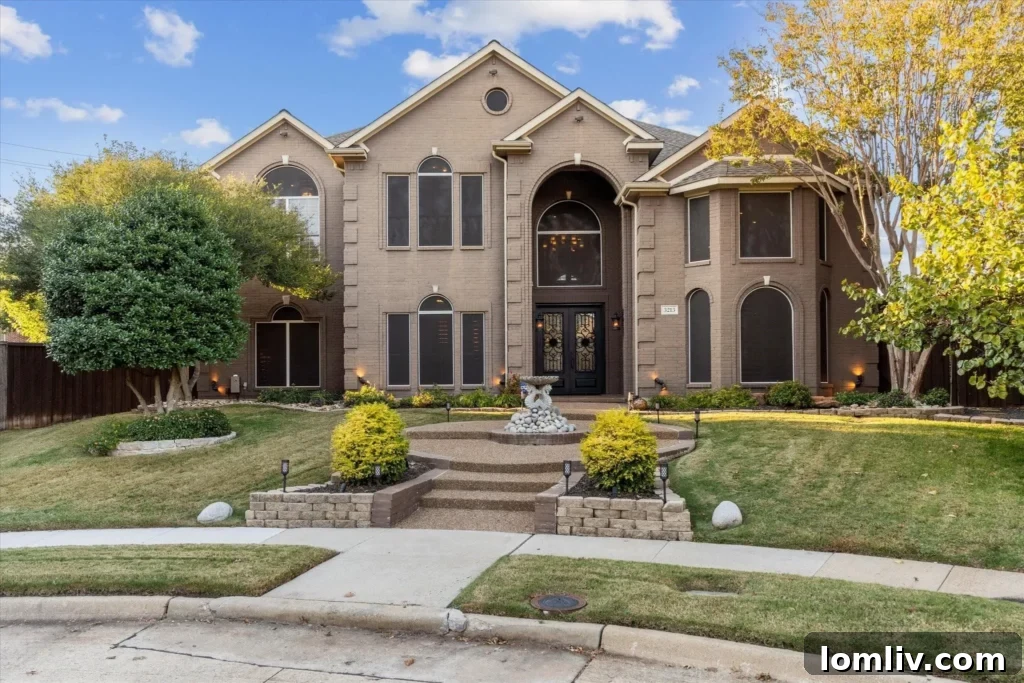
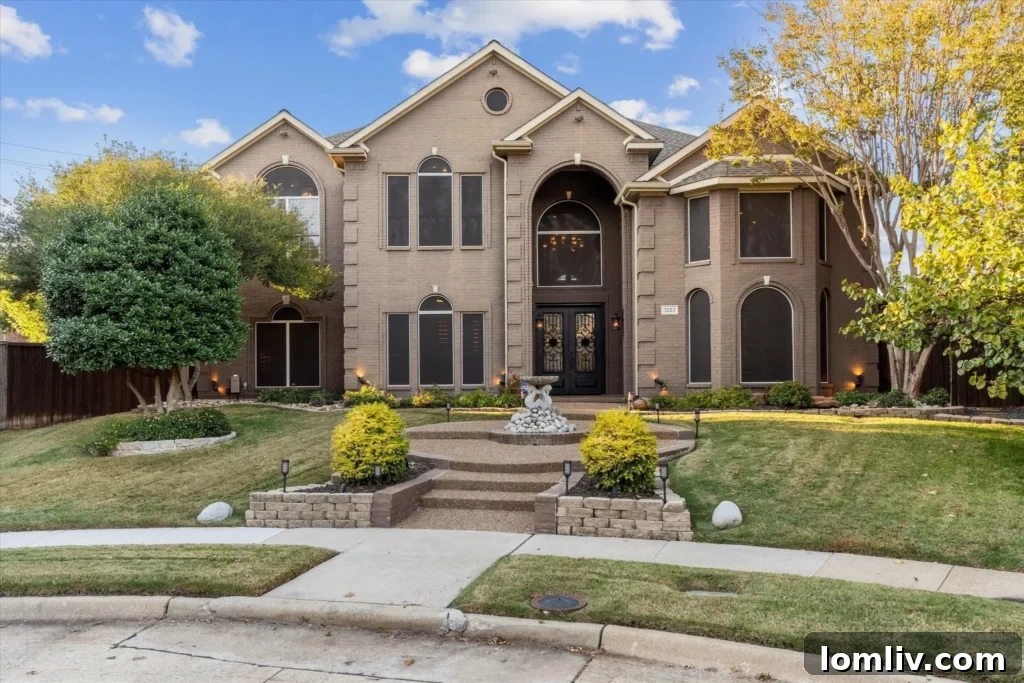
The landscape of Texas real estate has undergone a significant transformation, particularly in the luxury segment. A recent report highlights a remarkable surge in the sales of million-dollar homes across the state, signaling a robust and dynamic market driven by various economic and demographic factors. According to the comprehensive 2022 Sales of Million-Dollar Homes in Texas Report, released by Texas Realtors and utilizing data from the Texas Real Estate Research Center at Texas A&M University, the period from November 2021 to October 2022 witnessed a substantial 17 percent increase in the number of homes sold for $1 million or higher compared to the preceding year.
This annual analysis revealed a total of 13,998 transactions for homes priced at or above the million-dollar mark, collectively generating an impressive dollar volume of $22.6 billion. This represents a significant 14 percent rise in total dollar volume over the previous year, underscoring not just an increase in transaction numbers but also the overall value of high-end properties exchanging hands. The report paints a vivid picture of a market where luxury is increasingly accessible, yet simultaneously redefined by location and amenities.
Marcus Phipps, Chairman of Texas Realtors, aptly summarized the evolving market dynamics. “The profile of a home sold for a million dollars or higher has changed with the high demand for Texas real estate over the past few years,” Phipps noted. He further elaborated on the regional disparities: “In some areas, $1 million will buy a large home with lots of bedrooms and bathrooms and many luxury features, but in others, the value of the location itself is high enough to push more modest homes over the million-dollar mark.” This observation is crucial for understanding what a seven-figure investment truly signifies in the diverse Texas housing market.
Understanding the Texas Luxury Real Estate Surge
The remarkable growth in Texas’s million-dollar home market isn’t a mere statistical anomaly; it’s a testament to the state’s burgeoning economy, attractive business environment, and rapidly expanding population. Texas has long been a magnet for individuals and corporations seeking opportunities, lower costs of living (relative to coastal states), and a favorable tax climate. This influx of residents, often accompanied by high-paying jobs in technology, energy, healthcare, and finance sectors, has fueled an insatiable demand for housing across all price points, particularly at the high end.
Several key factors contribute to this sustained growth. Firstly, the ongoing corporate relocations and expansions continue to bring a wave of affluent professionals to major metropolitan areas like Dallas, Fort Worth, Austin, Houston, and San Antonio. These buyers often seek premium residences in desirable neighborhoods with excellent schools, amenities, and convenient access to business centers. Secondly, low inventory levels in many desirable areas, coupled with rising construction costs, have pushed prices upward, leading more properties to cross the million-dollar threshold organically. Even properties that might not have been considered “luxury” in the traditional sense a few years ago are now valued at this benchmark due to sheer market appreciation and land value.
Furthermore, the pandemic-era trends, such as the increased desire for more space, dedicated home offices, and enhanced outdoor living areas, also played a role. Buyers became willing to invest more for homes that met their evolving lifestyle needs, contributing to higher sales volumes and prices in the luxury sector. The definition of luxury itself has broadened to include not just opulent finishes and vast square footage, but also prime locations, unique architectural styles, and homes that offer a distinct lifestyle proposition.
What a Million Dollars Buys Across Texas Regions
The concept of “what a million dollars buys” is highly variable across the vast and diverse state of Texas. While the North Texas area, encompassing Dallas-Fort Worth, is indeed “lousy with million-dollar homes” as the report notes, the specific attributes of these properties differ significantly even within the same metropolitan region, let alone across the state.
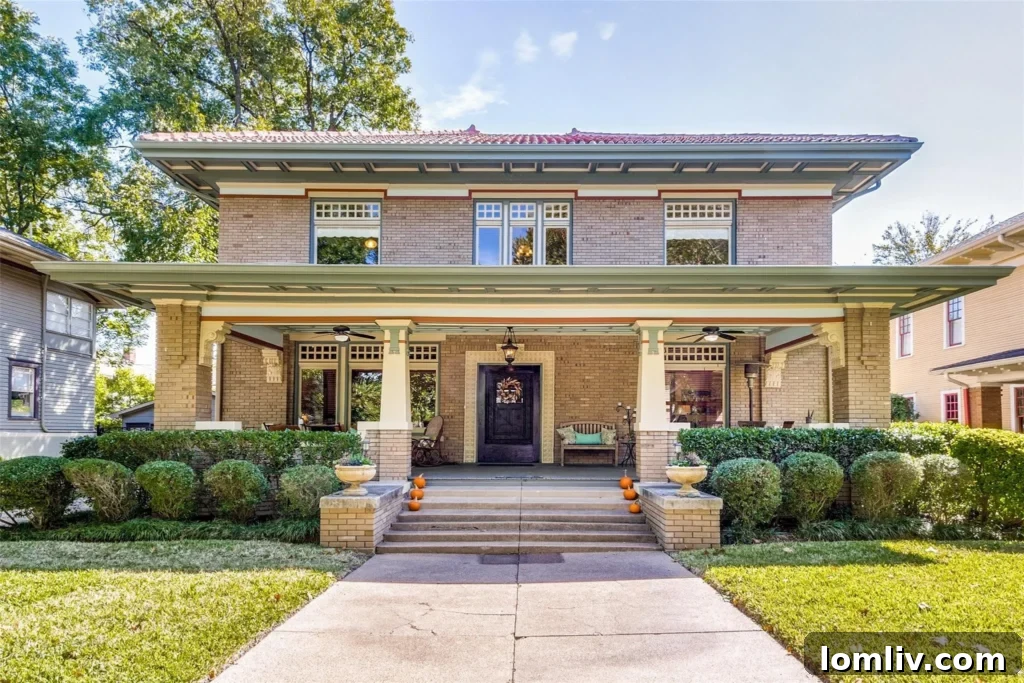
In Dallas, for example, a million-dollar budget often places buyers in highly coveted historic neighborhoods. One prime illustration from the report is a gorgeous historic Prairie-style home in Munger Place. Listed by David Griffin of David Griffin & Co. Realtors, this four-bedroom, four-and-a-half-bath residence, built in 1910, embodies architectural heritage and prestige. Priced at $1.095 million, its desirability is evident as it quickly went contingent. Griffin highlights its unique appeal: “Located in the middle of one of the finest, tree-shaded blocks in Munger Place — the largest intact collection of Prairie-influenced homes in North Texas — 4928 Junius welcomes visitors with a broad front walkway leading to its wide, welcoming front porch.” Here, the investment is not just in a home, but in a piece of history within a culturally rich and beautifully preserved neighborhood.
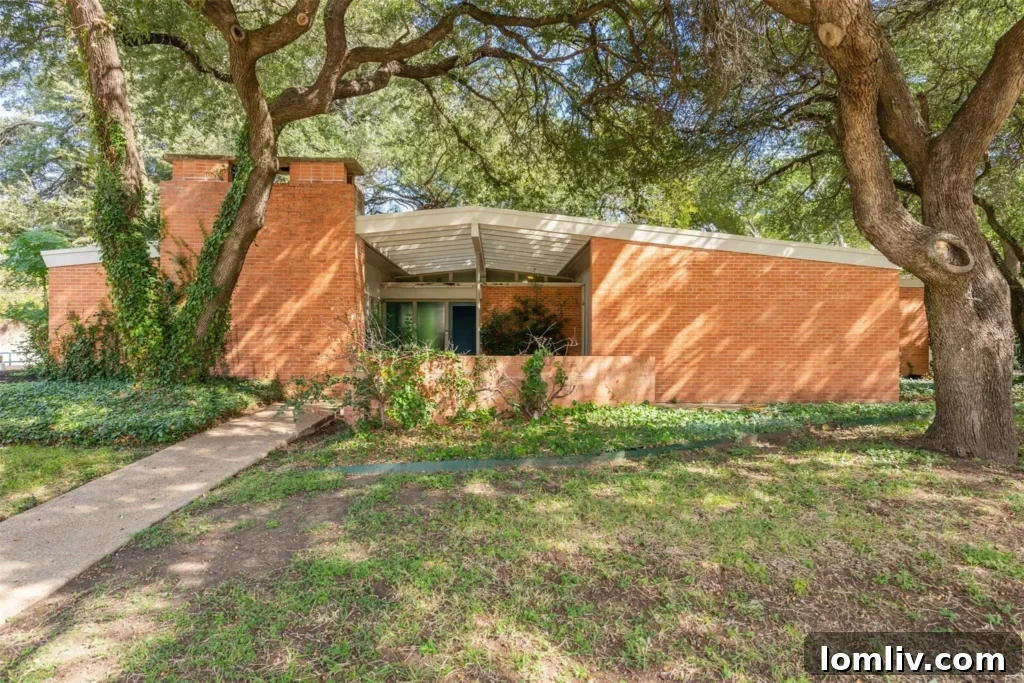
Similarly, in Fort Worth, a million-dollar budget allows access to distinctive architectural styles and sought-after locations. The report points to a three-bedroom, two-bath Midcentury Modern home in the city’s prestigious Colonial Country Club area. This property, built in 1956 and conveniently located near the TCU campus, offers a blend of historical charm and modern updates. Listing agent Chase Akin of Interhomes Realty notes its appeal, stating that the home boasts “tons of original details and plenty of updates.” Having had only two owners, it exemplifies the classic hallmarks of California-style Midcentury Modern design, representing an investment in timeless aesthetic and a prime location within Fort Worth.
Beyond these North Texas examples, the purchasing power of $1 million can vary even more dramatically. In high-demand markets like Austin, for instance, a million dollars might secure a more compact property, perhaps a newer build with premium finishes but on a smaller lot, or a well-maintained older home closer to downtown amenities. Conversely, in less densely populated regions or certain exurban areas, the same budget could yield a significantly larger home, perhaps with acreage, extensive outdoor features, or specialized amenities like horse stables or expansive workshops, offering a different kind of luxury defined by space and privacy rather than urban proximity.
Deciphering the Numbers: A Statistical Deep Dive
The report’s statistics provide a clear quantitative understanding of the luxury market’s impact on Texas real estate. Million-dollar homes, defined as those sold for at least $1 million, constituted 3.6 percent of all homes sold in Texas during the reporting period, marking a significant 0.8 percent increase from the previous year. While this percentage might seem small in terms of unit volume, their financial contribution is substantial: the total dollar amount from these high-value sales represented a remarkable 14.2 percent of all residential sales dollar volume across the state. This disparity underscores that while luxury homes are a niche segment, they command a disproportionately large share of the overall market’s financial activity, indicating significant wealth concentration and investment in premium properties.
Analyzing the pricing dynamics reveals further insights. The median price for Texas homes sold for $1 million or higher during the first 10 months of 2022 was $1,336,500. Interestingly, this figure represents a slight decrease of 0.5 percent compared to the previous year. This subtle shift could suggest an expansion of the million-dollar segment to include a broader range of properties just above the threshold, rather than an exclusive focus on ultra-high-end transactions, thus moderating the median. However, when looking at value density, the average price per square foot for homes selling for at least $1 million increased by 3 percent, reaching an impressive $423. This figure is more than double the average price per square foot for all residential Texas homes, which stood at $192. The significant premium per square foot in luxury homes reflects superior construction quality, high-end finishes, bespoke architectural details, and, critically, the value of their prime locations.
Another crucial metric in real estate is the “Days on Market” (DOM), which measures how long a property remains listed before selling. From January to October 2022, million-dollar homes spent an average of 47 days on the market. This represents a decrease of three days from the same period in 2021, indicating a slightly faster pace of sales within the luxury segment. Despite this improvement, the report highlights that million-dollar homes generally spend more time on the market than lower-priced homes. This is often attributable to the specialized nature of luxury properties: they appeal to a narrower pool of discerning buyers, often involve more complex transactions, and require a tailored marketing approach to reach the right clientele. Buyers of high-end homes are typically more selective, taking their time to ensure the property perfectly aligns with their specific needs and investment goals.
Navigating the Future of Texas’s Luxury Market
The trajectory of Texas’s million-dollar home market remains a topic of keen interest for buyers, sellers, and investors alike. While the recent growth has been robust, future trends will undoubtedly be shaped by a confluence of economic factors, demographic shifts, and evolving consumer preferences. Interest rate fluctuations, broader economic conditions, and continued population migration to Texas will all play pivotal roles. Should interest rates stabilize or decline, it could further stimulate demand, while significant economic downturns might temper the pace of growth. However, Texas’s underlying economic strengths, including its diverse industries and business-friendly policies, suggest a resilient luxury market capable of adapting to various conditions.
For anyone considering entering or exiting this exclusive segment of the market, the complexities necessitate expert guidance. As Marcus Phipps wisely advises, “Like all real estate transactions, there are many factors that sellers and buyers should consider — there’s no one-size-fits-all strategy.” This sentiment is particularly true for high-value properties, where nuances in pricing, marketing, negotiation, and market conditions can have substantial financial implications. “A Realtor can help sort through the data and trends to help you understand the local conditions for these high-end properties,” Phipps concluded. A qualified real estate professional offers invaluable insights into local market dynamics, property valuations, and strategic approaches tailored to the unique characteristics of luxury real estate, ensuring that both buyers and sellers make informed decisions in this dynamic and rewarding market.