Navigating the Shifting Tides: Inflation, Housing, and Your Mortgage Strategy with BobMortgage
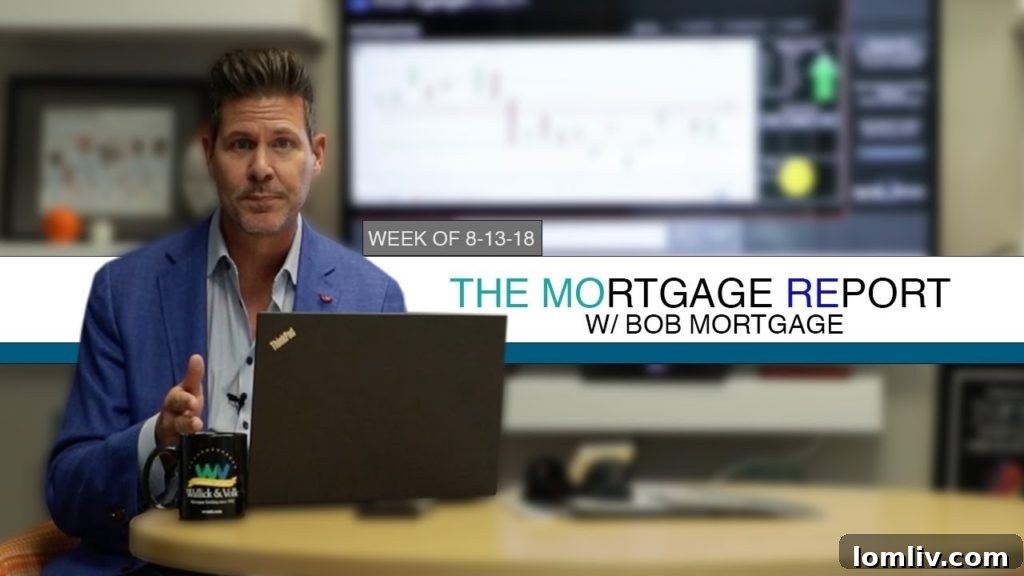
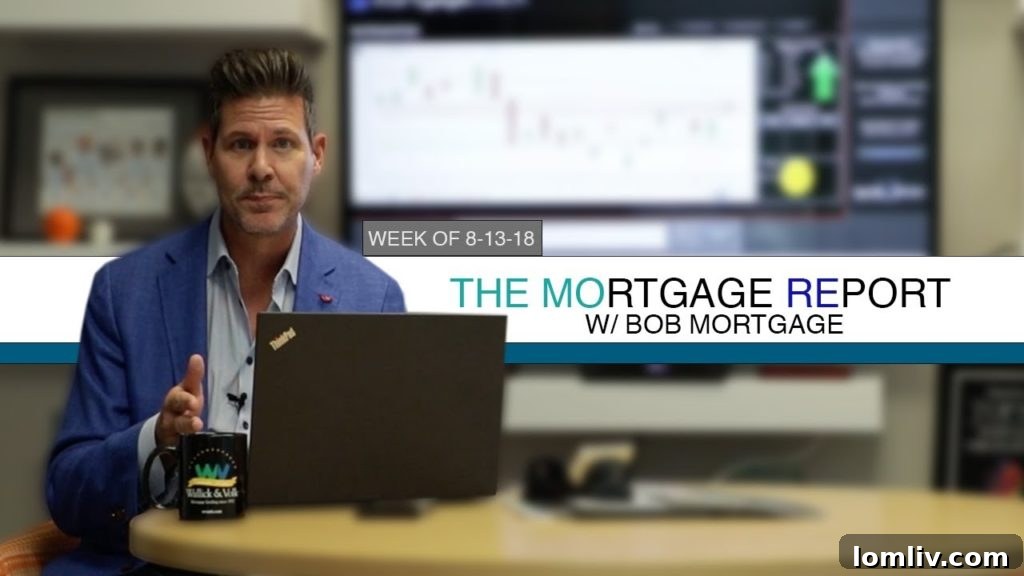
In today’s dynamic economic landscape, understanding the intricate relationship between inflation and the housing market is paramount for both prospective homebuyers and current homeowners. The 68th installment of The Mortgage Report delves deep into these critical issues, offering invaluable insights from one of the industry’s most respected figures. We’re joined by Bob Johnson, widely known as BobMortgage, who provides his expert perspective on how inflation is measured, its profound effects on real estate, and crucial strategies for navigating rising costs.
The current economic climate presents a unique set of challenges, particularly with increasing material costs exacerbated by tariffs. These factors are creating a ripple effect, potentially driving up the price of new homes and renovations, ultimately impacting consumers. In a market where every decision counts, having access to clear, concise, and trustworthy information is essential. For unparalleled guidance on the nuances of our mortgage market, there is simply no better authority than BobMortgage, the esteemed Senior Mortgage Advisor at Wallick & Volk, recognized as the nation’s oldest private lender. His deep understanding and decades of experience make him the go-to source for demystifying complex financial scenarios.
Decoding Inflation: How It Shapes the Housing Market
Inflation, at its core, refers to the rate at which the general level of prices for goods and services is rising, and consequently, the purchasing power of currency is falling. While commonly discussed in broad terms, its measurement involves sophisticated economic indicators like the Consumer Price Index (CPI) and the Personal Consumption Expenditures (PCE) price index. These metrics track the average change over time in the prices paid by urban consumers for a market basket of consumer goods and services.
For the housing sector, inflation is a double-edged sword. On one hand, rising inflation often signals a robust economy, which can stimulate demand for housing. On the other hand, it can lead to higher interest rates, making mortgages more expensive. BobMortgage meticulously breaks down how these measurements translate into real-world impacts on housing affordability and investment strategies. He emphasizes that the way inflation is calculated directly influences federal monetary policy, which, in turn, dictates the trajectory of mortgage rates. Understanding these macroeconomic forces is the first step toward making informed decisions about your real estate investments.
The Direct Impact of Rising Costs: Materials, Tariffs, and New Homes
One of the most immediate and tangible ways inflation affects the housing market is through the escalating cost of building materials. Industries ranging from lumber and steel to concrete and copper have seen significant price hikes. These increases are not solely due to general economic inflation but are often compounded by specific external factors, such as tariffs on imported goods. Tariffs, essentially taxes on imports, are designed to make foreign goods more expensive, theoretically encouraging domestic production and protecting local industries.
However, the reality for the construction industry can be quite different. Many essential building materials are sourced internationally, and tariffs on these imports directly translate into higher costs for builders. Consider the construction of a new single-family home: every component, from the foundation to the roofing, from electrical wiring to plumbing fixtures, is subject to these inflated prices. This creates an unavoidable upward pressure on the final sales price of new homes. Builders, faced with higher input costs, have little choice but to pass a significant portion of these expenses onto the consumer, leading to higher home prices for buyers.
Moreover, the impact extends beyond new constructions to the thriving home renovation market. Homeowners planning an extension, a kitchen remodel, or even smaller upgrades find themselves confronting substantially higher prices for materials and labor. A project that might have been budgeted at a certain cost just a few months ago could now easily exceed those projections, forcing homeowners to either scale back their plans or absorb the additional expense. BobMortgage highlights how this dynamic creates a challenging environment for both aspiring buyers and those looking to enhance their existing properties, stressing the importance of budgeting with these inflationary pressures in mind.
Wallick & Volk: A Legacy of Trust and Expertise in Mortgage Lending
When it comes to navigating the complexities of the mortgage market, the importance of choosing a lender with a deep-rooted history of reliability and expertise cannot be overstated. Wallick & Volk stands as a testament to enduring trust and unparalleled experience. As the nation’s oldest private lender, their legacy spans over a century, built on a foundation of integrity, client focus, and adapting to ever-changing economic landscapes.
Founded in 1908, Wallick & Volk has witnessed countless economic cycles, market fluctuations, and shifts in mortgage lending practices. This extensive history provides them with a unique institutional knowledge that few other lenders can match. Their longevity is a direct result of their commitment to their clients, offering personalized solutions and expert advice through every market condition imaginable. Their reputation is not just built on their age, but on their consistent performance and dedication to helping individuals and families achieve their homeownership dreams. BobMortgage, as a Senior Mortgage Advisor at this venerable institution, embodies this ethos, leveraging the company’s rich history and resources to provide clients with the best possible guidance and mortgage solutions.
Crucial Decisions: Should You Lock or Float Your Mortgage Rate?
One of the most pressing questions for anyone in the process of securing a mortgage is whether to “lock” their interest rate or “float” it. This decision can significantly impact the overall cost of your loan, making it a critical strategic choice that requires careful consideration of current market conditions and future forecasts.
Locking Your Rate: When you choose to lock your rate, you are essentially securing a specific interest rate for a predetermined period, typically between 30 and 60 days, until your loan closes. This offers stability and peace of mind, protecting you from potential rate increases between the time you apply for your loan and when it closes. If you believe interest rates are likely to rise, locking can be a very wise move, safeguarding your budget against unexpected increases. It removes the uncertainty and allows you to plan your finances with a fixed cost in mind. However, if rates happen to fall after you’ve locked, you generally won’t benefit from those lower rates unless your lender offers a “float-down” option, which often comes with a fee or specific conditions.
Floating Your Rate: Opting to float your rate means you allow your interest rate to move with the market until a specified point closer to your closing date. This strategy can be advantageous if you anticipate interest rates will decline. By floating, you position yourself to potentially secure a lower rate before closing, saving you money over the life of the loan. However, it also carries the inherent risk that rates could increase, making your mortgage more expensive than if you had locked earlier. This approach requires a degree of market watchfulness, a higher tolerance for risk, and a clear understanding of market trends.
BobMortgage stresses that this decision is highly personal and depends on several factors: your risk tolerance, current market trends, economic indicators, and expert predictions. His insights can help you weigh the pros and cons based on the most up-to-date market intelligence, ensuring you make an informed choice that aligns with your financial goals and personal comfort level.
Is Now a Good Time to Buy a Home? Addressing the Million-Dollar Question
The question, “Is now a good time to buy a home?” is perpetually on the minds of aspiring homeowners, and its answer is rarely straightforward. Market conditions are constantly evolving, influenced by a myriad of economic, social, and political factors. However, BobMortgage offers a nuanced perspective, urging individuals to look beyond broad headlines and consider their personal circumstances alongside comprehensive market indicators.
Interest Rates: Current interest rates play a significant role in determining affordability. Lower rates translate to lower monthly mortgage payments and reduced overall borrowing costs, making homeownership more accessible and affordable for a wider range of buyers. Conversely, higher rates can significantly diminish buying power and increase the long-term cost of a loan. BobMortgage provides a clear outlook on current rate trends and how they are influenced by inflation, Federal Reserve policies, and global economic shifts.
Home Prices and Inventory: The balance between housing supply and demand is another critical factor. A market with low inventory and high demand often leads to escalating home prices, creating a seller’s market where competition is fierce. Conversely, an abundance of homes on the market can give buyers more leverage, potentially leading to more favorable pricing. BobMortgage analyzes current market inventory and price appreciation trends to help assess the buyer’s advantage and identify potential opportunities.
Personal Financial Situation: Beyond market dynamics, your personal financial readiness is paramount. This includes having a stable income, a healthy credit score, a sufficient down payment, and an emergency fund to cover unexpected expenses. BobMortgage consistently advises clients to meticulously evaluate their financial health before making one of life’s largest investments. He emphasizes the importance of understanding all associated costs, not just the mortgage payment, including property taxes, homeowner’s insurance, and potential maintenance and repair expenses.
Long-Term Investment Perspective: Historically, real estate has proven to be a sound long-term investment, building equity and serving as a valuable hedge against inflation. Even in challenging markets, the long-term appreciation potential can often outweigh short-term volatility. BobMortgage encourages buyers to consider their long-term goals and how homeownership aligns with their overall wealth-building strategy. He provides context on what current market conditions might mean for future equity growth and investment returns, helping buyers adopt a strategic, future-focused mindset.
Ultimately, the “right” time to buy is highly individualized. BobMortgage’s expertise lies in helping you synthesize these complex factors into a clear, actionable strategy. He provides the tools and knowledge to make a decision that is right for you, ensuring you’re well-equipped to enter the market confidently and successfully.
Don’t miss out on BobMortgage’s expert analysis and actionable advice. Find out today in the Mortgage Report:
Empower Your Mortgage Decisions with Trusted Expertise
The journey to homeownership or refinancing can be daunting, especially when faced with economic uncertainties like inflation and fluctuating interest rates. However, with the right guidance, these challenges can be navigated successfully. Bob Johnson, known as BobMortgage, through his ongoing contributions to The Mortgage Report and his role at Wallick & Volk, continues to serve as an indispensable resource for thousands seeking clarity and confidence in their mortgage decisions.
His ability to break down complex economic concepts into understandable, actionable advice is truly unparalleled. Whether you’re grappling with the decision to lock in a rate, wondering if current market conditions favor buying, or simply trying to understand how global tariffs might affect your renovation budget, BobMortgage’s insights are designed to empower you with the knowledge needed to make sound choices.
We encourage you to make The Mortgage Report a regular part of your financial education. By staying informed with the latest trends and expert analysis from BobMortgage, you equip yourself with the knowledge needed to make sound financial choices that will benefit your long-term wealth and security. Reach out to BobMortgage and the experienced team at Wallick & Volk for personalized advice tailored to your unique situation. Your future in real estate starts with informed decisions, and there’s no better partner to help you make them than the trusted experts at the nation’s oldest private lender.