Taos Ski Valley: A New Horizon Under Conservation Billionaire Louis Bacon
The iconic slopes of Taos Ski Valley in New Mexico, long cherished for their challenging terrain and unique, independent spirit, have embarked on a significant new chapter. This beloved destination, once a quintessential family-owned resort, has transitioned into the hands of conservation-minded billionaire Louis Bacon. This acquisition marks a pivotal moment for Taos, promising a future that harmonizes development with environmental stewardship, a vision deeply rooted in Bacon’s renowned philanthropic and land preservation efforts.
Louis Bacon, the astute 55-year-old founder and Chief Executive Officer of the prominent hedge fund Moore Capital, is a figure of considerable influence, with Forbes estimating his net worth at an impressive $1.4 billion. Late last year, Bacon finalized the deal to acquire this “sleepy but STEEP” New Mexico ski resort, a place many seasoned skiers know and revere for its formidable pitches and authentic atmosphere. His educational background includes a degree from Middlebury in Vermont, and he was a classmate of my brother-in-law during their Columbia M.B.A. program. Beyond his financial prowess, Bacon is widely recognized for his profound commitment to land conservation. As Forbes highlights, he has an impressive history of dedicating vast tracts of land to conservation, personally setting aside over 200,000 acres across New York, North Carolina, and his home state of Colorado. This commitment suggests a unique and potentially transformative approach to the management and development of Taos Ski Valley.
The Visionary Behind the Acquisition: Louis Bacon’s Conservation Ethos
Bacon’s reputation as a “conservation billionaire” is not merely a title; it’s a defining characteristic that sets his ownership apart. His extensive history of preserving natural landscapes indicates a deeply ingrained philosophy that prioritizes ecological balance alongside economic viability. For Taos, a resort nestled within a pristine mountain environment, this approach is particularly significant. It suggests that future developments at Taos will likely be undertaken with a careful consideration of their environmental impact, potentially leading to sustainable practices, enhanced land protection, and a commitment to maintaining the natural beauty that draws visitors to the Sangre de Cristo Mountains.
The acquisition by a figure with such a strong conservation background offers a compelling narrative for the future of Taos. It signals a potential shift from conventional resort expansion models towards a more thoughtful, environmentally conscious growth strategy. This could manifest in various ways: investments in renewable energy, sustainable infrastructure upgrades, enhanced trail maintenance that respects natural contours, and perhaps even initiatives to protect local wildlife and water sources. For a resort celebrated for its rugged authenticity and natural splendor, Bacon’s vision could ensure that Taos evolves without losing its soul, preserving the very essence that makes it a world-class, yet understated, skiing destination.
Taos Ski Valley: A Legacy Reimagined
Taos Ski Valley has always been more than just a place to ski; it’s an experience. Renowned for its incredibly challenging, lift-served expert terrain and abundant deep powder, it stands as a testament to pure, unadulterated skiing. Its unique culture, fostered by decades of family ownership, has attracted a devoted following who appreciate its lack of pretension and its focus on the mountain itself. The resort’s famous signage, “Don’t come to Taos to learn how to ski,” although humorously iconic, perfectly encapsulated its formidable reputation.
Under Bacon’s stewardship, the promise is not to erase this legacy but to enhance it, ensuring its longevity and accessibility for future generations while upholding modern standards of resort operations. While Taos has always been celebrated for its challenging runs, there’s also potential to subtly broaden its appeal through careful, environmentally sound improvements. This might include upgrades to lift infrastructure for better efficiency, enhanced snowmaking capabilities to ensure reliable conditions, and improvements to guest services, all executed with a touch that respects the resort’s core values. The unique blend of Taos’s existing character with Bacon’s commitment to sustainability could position it as a leader in environmentally responsible mountain tourism.
Expert Insights: A Consultant’s View on the Transformation
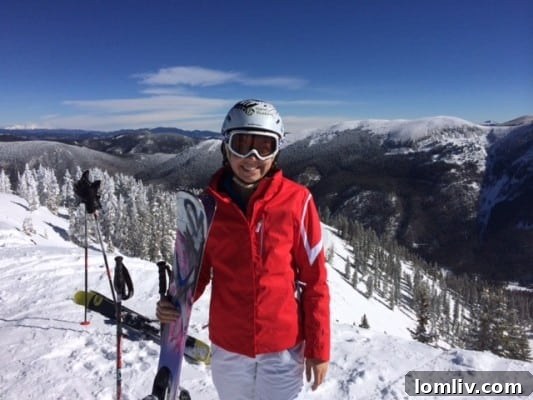
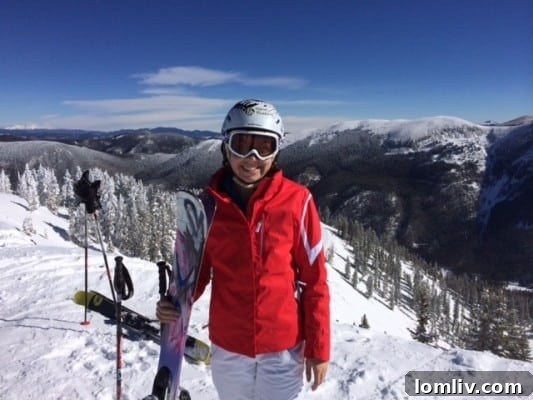
Understanding the nuances of such a significant acquisition and its potential ramifications requires expert insight. This is where individuals like our trusted consultant, Dallas Addison, a distinguished lawyer and unparalleled vacation/recreation home consultant from Dallas, become invaluable. Addison recently returned from a ski trip to Taos, eager to observe the initial changes and the atmosphere under the sleek new management. His professional background uniquely positions him to assess the tangible and intangible impacts of this transition, particularly concerning the real estate market, guest experience, and the overall trajectory of a premium recreation destination.
Addison’s perspective, honed by years of advising clients on luxury vacation homes and recreation properties, offers a critical lens through which to evaluate Taos’s evolution. His observations, often shared with his discerning daughter, go beyond mere surface-level changes. They delve into how the new management is influencing property values, the types of clientele being attracted, and the subtle shifts in the resort’s overall ambiance. As a consultant specializing in such unique markets, Addison would be keenly attuned to how Bacon’s conservation focus might translate into desirable amenities, sustainable living opportunities, or even new investment avenues for those seeking to blend luxury with ecological responsibility. His insights are crucial for anyone considering a stake in this evolving mountain paradise, whether as a property owner or a frequent visitor.
We eagerly anticipate the detailed feedback from Dallas Addison and his daughter regarding their impressions of Taos under its new leadership. Their insights, likely to be shared on platforms such as Second Shelters, will provide a real-world assessment of how Louis Bacon’s vision is beginning to unfold on the ground. Their analysis will undoubtedly touch upon the seamless integration of modern amenities with the resort’s rugged charm, the perceived direction of future development, and the overall sentiment among visitors and residents about the changes taking root. Their observations will serve as an invaluable guide for those tracking the revitalization of one of America’s most cherished ski destinations.
The Future of Taos: A Model for Sustainable Mountain Resorts?
The acquisition of Taos Ski Valley by Louis Bacon is more than just a change of ownership; it represents a potential paradigm shift in how ski resorts can be managed and developed. In an era where climate change and environmental concerns increasingly impact the ski industry, Bacon’s strong conservation ethic provides a hopeful blueprint. His influence could transform Taos into a leading example of a sustainable mountain resort, one that successfully balances economic growth with ecological preservation.
Looking ahead, we can expect Taos to maintain its revered status for serious skiers while perhaps subtly expanding its appeal through high-quality, sustainable enhancements. This holistic approach, combining financial acumen with deep environmental commitment, has the potential to secure Taos Ski Valley’s legacy for generations to come, ensuring that its steep slopes and unique culture continue to thrive in harmony with the breathtaking New Mexico wilderness. The stage is set for Taos to emerge not just as a premier ski destination, but as a beacon of responsible tourism and land stewardship in the Rocky Mountain West.