Navigating Mortgage Rates: Essential Insights from BobMortgage on Locking vs. Floating
In the intricate world of real estate and personal finance, understanding the forces that shape mortgage rates is not just beneficial—it’s essential. For homeowners contemplating refinancing, or for first-time buyers stepping into the market, the decision of whether to lock in an interest rate or let it float can have significant financial ramifications. With markets constantly shifting, guided by a confluence of economic indicators, geopolitical events, and central bank policies, expert advice becomes an invaluable commodity.
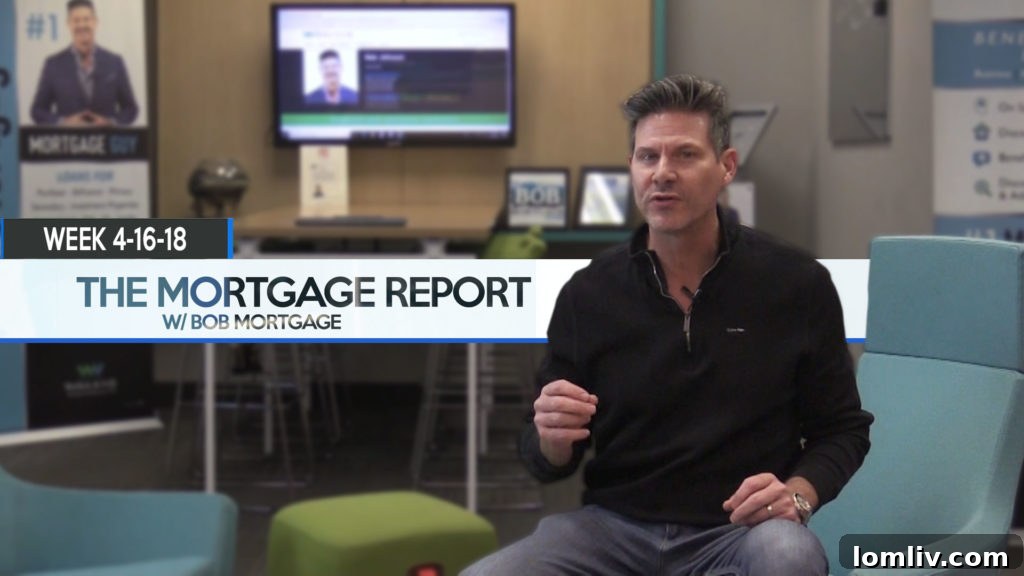
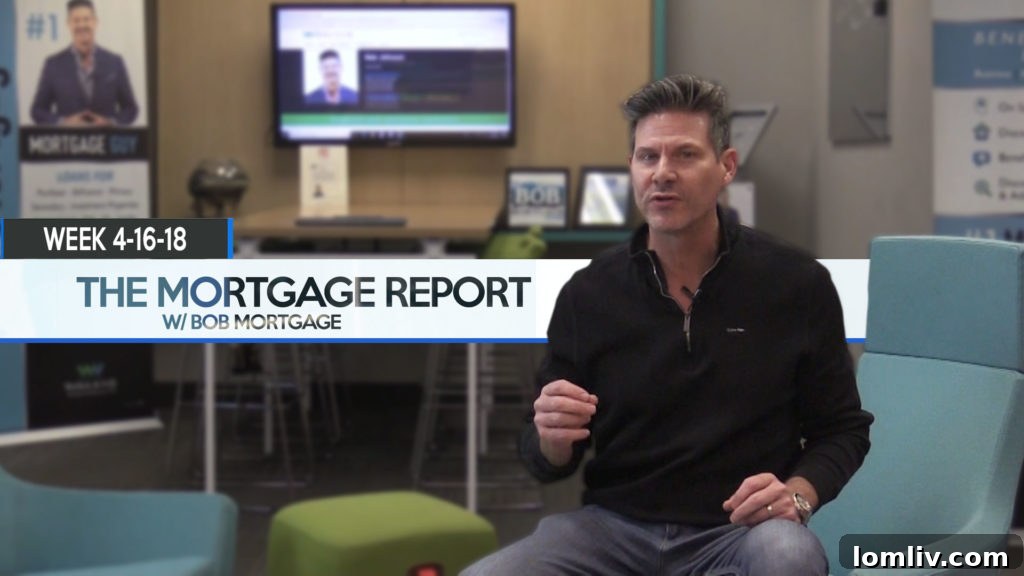
This week, we turn to one of the most respected and trusted voices in the mortgage industry, Bob Johnson, affectionately known to many as BobMortgage. As a Senior Mortgage Adviser at Wallick & Volk, a revered institution known as the nation’s oldest private lender, Bob brings an unparalleled depth of knowledge and a wealth of experience to his analysis. His insights are a cornerstone for those seeking clarity amidst market complexities.
Understanding Market Volatility: Key Factors Influencing Mortgage Rates
The mortgage market rarely stands still. It’s a responsive entity, reacting to a global tapestry of events and data points. There have been periods, like the one recently observed, where the market presents a “vexingly mixed” picture, leaving many uncertain about their next move. During such times, we witnessed bond markets experiencing significant pressure, with yields rising as bonds fell through a key support level. This was compounded by major geopolitical developments, such as a then-recent decision by President Trump regarding military action in Syria, alongside the Federal Reserve’s heightened “watchdog-like concern” over inflation. These variables collectively underscore the delicate balance of factors that can rapidly influence your financial health.
The Critical Role of the Bond Market in Mortgage Pricing
For most consumers, the connection between bond market performance and their mortgage rate might not be immediately obvious, yet it is profoundly direct. Mortgage rates are not set in isolation; they are intricately tied to the yields of mortgage-backed securities (MBS), which are a type of bond. When bond prices decline, their yields (the return investors demand) increase. This rise in bond yields typically translates into higher interest rates for consumers on their home loans. Conversely, a strong bond market, characterized by rising bond prices and falling yields, usually leads to more favorable mortgage rates.
When bonds “fell through a key support level,” as BobMortgage highlighted, it signals a significant event. A support level in technical analysis represents a price point that an asset has historically struggled to fall below. Breaching this level can indicate a stronger downward trend, suggesting that lenders will likely face higher borrowing costs themselves, which are then passed on to mortgage applicants. Therefore, monitoring the bond market’s health is crucial for anyone engaging in the mortgage process.
Geopolitical Events: Global Tremors and Local Mortgage Impact
It might seem distant, but international political and military actions can send tangible ripples through domestic financial markets. Decisions like the one by President Trump concerning Syria, while geographically remote, introduce uncertainty and risk into the global economic outlook. In times of geopolitical instability, investors often seek “safe haven” assets, which can include U.S. Treasury bonds. Depending on the specific circumstances and the perceived severity of the crisis, this can lead to complex market reactions.
Often, initial market shocks can cause a flight of capital, influencing everything from stock markets to bond yields. Such events can also impact commodity prices, particularly oil, which in turn fuels inflation expectations. BobMortgage’s consistent emphasis on these factors highlights how deeply interconnected the world’s events are with the seemingly local concern of your mortgage rate, illustrating that global stability is a quiet but powerful determinant of financial wellness.
The Federal Reserve and the Pervasive Threat of Inflation
The Federal Reserve plays a pivotal role in shaping the broader economic landscape, and by extension, mortgage rates. Its primary mandates include fostering maximum employment and ensuring price stability, meaning keeping inflation in check. When the Fed expresses a “watchdog-like concern regarding inflation,” it’s a clear signal that policymakers are vigilant about rising costs and may be contemplating measures to temper them. Inflation, which erodes purchasing power, can lead the Fed to increase its benchmark interest rate, the federal funds rate.
Although the federal funds rate is a short-term lending rate for banks and does not directly dictate long-term mortgage rates, it profoundly influences them. A higher federal funds rate makes it more expensive for banks to borrow money, a cost they often transfer to consumers through higher interest rates on various loans, including mortgages. Persistent inflation concerns often fuel expectations of future rate hikes, leading to an upward trajectory in long-term rates. Understanding the Fed’s stance on inflation is thus a critical component of anticipating mortgage rate movements and making timely decisions.
The Age-Old Dilemma: Should You Lock or Float Your Mortgage Rate?
Given the array of influencing factors, the decision to “lock” or “float” your mortgage rate is perhaps one of the most significant choices you’ll make during the home financing process. This single decision can impact your monthly payments for decades, making expert guidance indispensable.
Decoding the “Lock” Option: Security and Predictability
When you choose to “lock” your mortgage rate, you are effectively securing a specific interest rate for a predetermined period, typically ranging from 30 to 60 days. This option offers a sense of security and predictability, insulating you from any potential rate increases that might occur while your loan is being processed. The primary benefit of a rate lock is the peace of mind it provides: you know precisely what your interest rate and, consequently, your monthly mortgage payment will be, regardless of market fluctuations.
Ideal Scenarios for Locking Your Rate:
- When interest rates are clearly on an upward trend, and further increases are anticipated.
- As you approach your closing date and require absolute certainty regarding your future payments.
- If you have a low tolerance for financial risk and prioritize a guaranteed rate over the possibility of a lower one.
- Should you be offered a particularly attractive rate that you believe is unlikely to improve.
The main drawback, however, is that if market rates fall significantly after you’ve locked, you might miss out on a potentially lower payment. While some lenders offer “float down” options that allow for a rate adjustment if conditions improve drastically, these often come with additional fees or stricter qualifying criteria.
Understanding the “Float” Strategy: Opportunity and Risk
Conversely, to “float” your mortgage rate means to intentionally postpone locking it in, gambling that interest rates will decrease before your loan officially closes. This strategy appeals to those who are comfortable with a higher degree of risk in pursuit of a potentially more favorable, lower interest rate. If market conditions shift as hoped, floating can lead to substantial savings over the life of your loan.
When Floating Your Rate Might Be Considered:
- If current interest rates are stable or show a discernible downward trend.
- When you are early in the loan application process, affording you more time to monitor the market.
- If you possess a high tolerance for risk and are committed to actively tracking market conditions.
- Should prevailing rates be higher than historical averages, leading you to believe a market correction or drop is imminent.
The inherent risk of floating is paramount: if interest rates unexpectedly rise, you could end up with a higher monthly payment than if you had locked earlier. This underscores the precise reason why BobMortgage previously “recommended to carefully float last week”—emphasizing that even when floating might be advisable, it demands vigilance, an informed perspective, and often, an expert’s nuanced understanding of the market’s subtle indicators.
The Invaluable Guidance of Bob Johnson (BobMortgage)
In a financial landscape characterized by its rapid pace and inherent unpredictability, the strategic guidance of an experienced professional like Bob Johnson (BobMortgage) is not merely helpful; it is indispensable. His profound expertise in dissecting bond market movements, interpreting intricate economic indicators, and forecasting the ripple effects of global events enables him to offer precise, timely, and actionable advice that can translate into significant long-term savings for his clients. Bob’s role extends beyond simply reporting market news; he meticulously translates complex data into practical mortgage implications, empowering his clients to make truly strategic financial decisions.
Whether it involves demystifying the Federal Reserve’s latest policy statements or projecting the financial impact of international developments, Bob’s insights are deeply rooted in decades of practical experience and an unwavering commitment to the financial well-being of those he advises. His affiliation with Wallick & Volk further strengthens this foundation of trust and expertise. As the nation’s oldest private lender, Wallick & Volk embodies a legacy of stability, unwavering integrity, and a client-centric approach that perfectly complements Bob’s individual prowess. Their enduring history means they have navigated and successfully weathered countless economic cycles and market storms, providing a steadfast bedrock of reliability for borrowers across generations. This powerful synergy between institutional strength and unparalleled individual expertise offers clients a distinct and significant advantage in today’s increasingly complex mortgage environment.
Your Path Forward: Informed Choices and Personalized Expertise
The critical decision to lock or float your mortgage rate is profoundly personal, contingent upon your unique financial circumstances, your individual risk tolerance, and your specific timeline for closing. Relying on generalized advice can be misleading, as what proves beneficial for one individual might be detrimental to another. This reality underscores precisely why consulting with a seasoned mortgage professional, particularly someone with the caliber of BobMortgage, is not just recommended, but essential.
Rather than making an impetuous decision based on fleeting headlines or incomplete information, empower yourself with the robust analysis and clarity that only an expert can provide. Bob Johnson’s comprehensive insights are meticulously designed to cut through market noise, delivering the clear understanding and unwavering confidence you need to proceed. Don’t leave such a pivotal aspect of your financial health to chance.
For the most current and in-depth market analysis, coupled with specific recommendations tailored to the present economic climate, trust BobMortgage to provide the answers you seek in this week’s comprehensive Mortgage Report. His expert perspective will equip you with the knowledge to make the best possible decision for your mortgage.
Watch Bob’s full, detailed report below to gain his expert take on the prevailing market conditions and understand exactly what these mean for your mortgage rate and financial strategy: