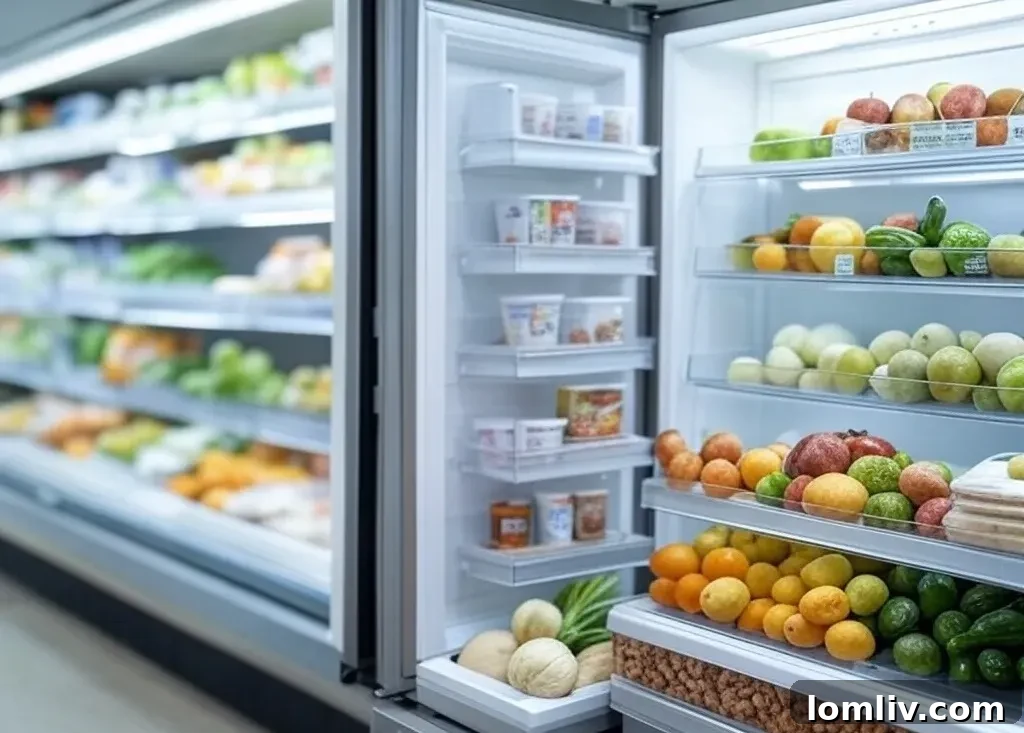
For any thriving food and beverage establishment, from bustling Sydney restaurants to quaint local cafes and expansive grocery stores, the backbone of success lies in reliable, high-performance commercial refrigeration Sydney. It’s not merely about keeping items cold; it’s about preserving product freshness, safeguarding food quality, ensuring compliance with health standards, and ultimately, contributing to customer satisfaction and business profitability. In the dynamic culinary landscape of Sydney, where competition is fierce and consumer expectations are high, investing in the right refrigeration solution is a strategic decision that impacts every aspect of your operation.
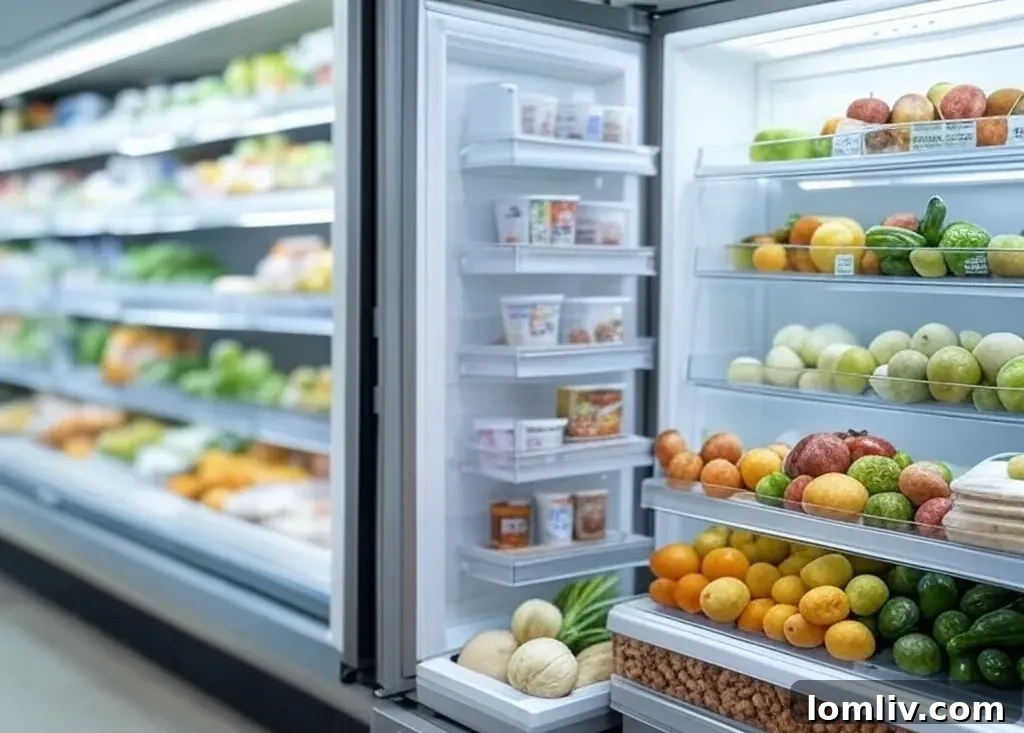
The market for commercial refrigeration equipment is vast and varied, offering a bewildering array of options that can make selecting the ideal unit feel overwhelming. Each business has unique demands, and a one-size-fits-all approach simply won’t suffice. This comprehensive guide aims to demystify the selection process, providing you with critical insights and key considerations to ensure you make an informed investment in commercial refrigeration that perfectly aligns with your specific operational needs and long-term goals.
Understanding Your Unique Business Needs
Before diving into the myriad of models and features, the foundational step is to conduct a thorough assessment of your business’s individual requirements. This introspection will act as your compass, guiding you toward the most suitable commercial refrigeration system. Several critical aspects warrant your careful consideration:
- Type of Business and Products Stored: The refrigeration needs of a bakery, which may require dough retarders and specific pastry chillers, are vastly different from those of a large-scale restaurant managing raw meats, dairy, produce, and prepared foods, or a supermarket requiring extensive display and bulk storage solutions. Consider the types of products you’ll store (fresh ingredients, frozen goods, beverages, prepared meals), their required temperature ranges, and any specific environmental controls (e.g., humidity for produce). Accurately assessing the volume of goods you handle daily, weekly, or seasonally is also crucial for determining capacity requirements.
- Available Space and Workflow Integration: Precision is key when measuring the exact physical footprint available for your refrigeration units. Beyond just the length and width, consider height restrictions, door swing clearances, and adequate ventilation space around the unit for optimal performance. Crucially, think about your kitchen or service area’s workflow. The placement of your refrigeration should enhance operational efficiency, allowing staff quick and easy access to items without creating bottlenecks or safety hazards. Evaluate how the unit will integrate with existing equipment and traffic patterns.
- Budget Allocation and Long-Term Investment: Establishing a realistic budget upfront is essential. This budget should encompass not only the initial purchase price but also installation costs, potential delivery fees, and, most importantly, the long-term operational costs, including energy consumption and anticipated maintenance. While it’s tempting to opt for the cheapest option, remember that commercial refrigeration is a critical, long-term asset. Investing in quality, energy-efficient equipment typically yields significant savings over its lifespan through reduced utility bills and fewer repair needs. Consider the return on investment (ROI) and explore financing options if needed.
Exploring Diverse Types of Commercial Refrigeration Units
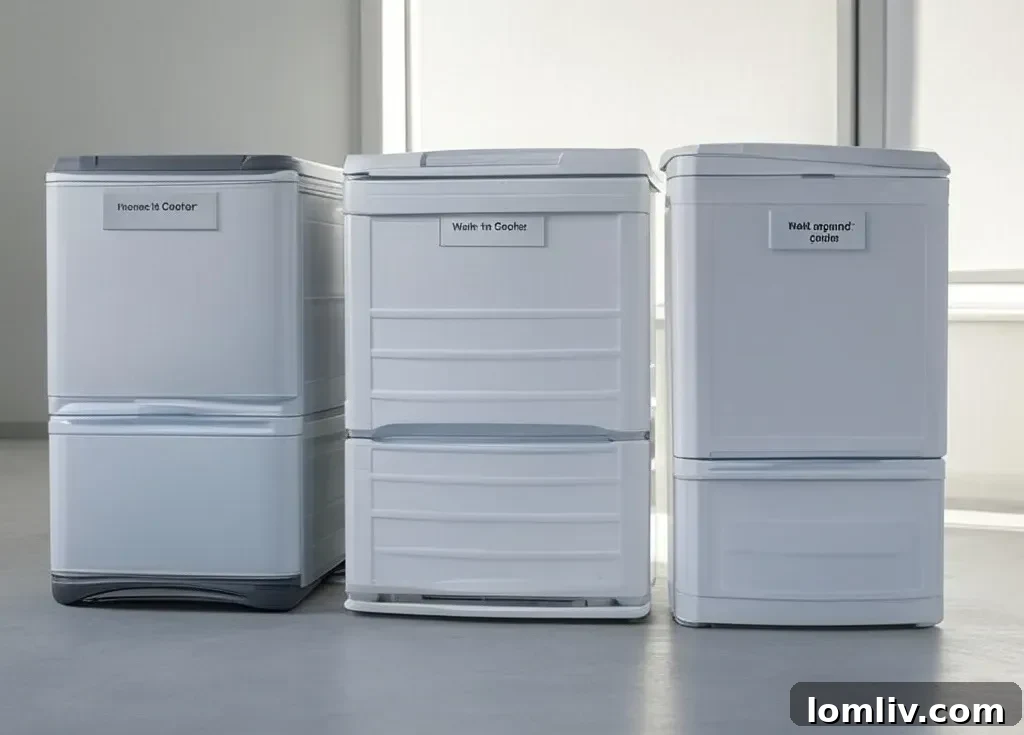
The commercial refrigeration market offers a specialized unit for almost every operational requirement. Understanding the distinct advantages of each type will help you narrow down your choices:
- Reach-in Refrigerators and Freezers: These are the workhorses of many commercial kitchens, ideal for storing ingredients and prepared items within arm’s reach of cooking or prep stations. Available in single, double, or triple door configurations, they maximize vertical space in kitchens with limited floor area. Modern reach-ins feature robust stainless steel construction, adjustable shelving, and often self-closing doors, making them efficient, flexible, and easy for staff to access frequently used items. They are indispensable for restaurants, cafes, and bakeries needing quick access to chilled or frozen goods.
- Walk-in Coolers and Freezers: Representing the pinnacle of bulk storage, walk-in units are perfect for large-scale operations such as supermarkets, catering businesses, and high-volume restaurants. These customizable cold rooms offer substantial capacity, allowing for efficient management of large inventories and bulk purchasing, which can lead to significant cost savings. Walk-ins can be modular (pre-fabricated panels) or custom-built, featuring robust insulation, heavy-duty shelving systems, and various door types (swinging, sliding) to suit specific layout requirements. They are vital for maintaining large quantities of perishable goods at precise temperatures.
- Display Coolers and Merchandisers: Designed to attract customer attention, display coolers are crucial for showcasing cold beverages, impulse-buy snacks, prepared foods, and desserts directly to patrons. These units come in various styles, including vertical glass-door merchandisers, open-air multideck displays, and curved-glass deli cases. Essential for grocery stores, convenience stores, cafes, and bakeries, they combine effective cooling with attractive presentation through features like bright LED lighting and adjustable shelves to highlight products and drive sales.
- Under-counter Refrigerators and Freezers: Engineered for optimizing workspace efficiency, under-counter units fit neatly beneath countertops, providing accessible cold storage without sacrificing valuable prep space. Their compact design makes them ideal for bars (for mixers and bottled drinks), coffee shops (for milk and syrups), and smaller kitchens where every square inch counts. They are designed for convenience, allowing staff to quickly retrieve items from below their work surfaces, streamlining operations during peak hours.
- Prep Table Refrigerators: These highly functional units integrate chilled food storage with a practical workspace, making them indispensable for delis, pizzerias, sandwich shops, and salad bars. Prep tables feature a refrigerated base for bulk ingredients and a top section with insulated compartments for food pans, often accompanied by a durable cutting board surface. They allow for efficient, on-the-spot preparation of items while keeping ingredients at safe, ready-to-use temperatures, crucial for food safety and operational speed.
- Specialty Refrigeration: Beyond these common types, the market offers specialized solutions such as blast chillers (rapidly cooling hot foods to safe temperatures), wine coolers (maintaining optimal serving temperatures for wines), ice machines (producing ice for beverages and displays), and medical-grade refrigeration (for highly sensitive ingredients or samples). Each is designed to meet very specific, often critical, operational demands.
Prioritizing Energy Efficiency and Environmental Impacts
In today’s economy, energy efficiency is no longer just a luxury but a critical factor in managing operational costs and demonstrating environmental responsibility. When selecting a commercial chiller, prioritizing energy-efficient units can lead to substantial long-term savings on utility bills and contribute to a greener footprint. Key features to look for include:
- Energy Star Certification: Always opt for commercial refrigeration units bearing the Energy Star label. This certification indicates that the unit meets stringent energy efficiency standards set by the U.S. Environmental Protection Agency (EPA), signifying that it consumes less energy than conventional models without compromising performance. Investing in Energy Star-rated equipment can result in significant reductions in your operating expenses over the lifespan of the unit.
- Advanced LED Lighting: Unlike traditional incandescent or fluorescent bulbs that emit heat and consume more power, LED lighting inside chillers is significantly more energy-efficient. LEDs provide bright, clear illumination that enhances product visibility, lasts considerably longer, and reduces the heat load inside the refrigeration unit, thereby lessening the workload on the compressor and saving energy.
- Eco-Friendly Refrigerants: The industry is moving away from hydrofluorocarbons (HFCs), which have high global warming potential (GWP). Prioritize units that utilize environmentally friendly, natural refrigerants such as R-290 (propane) or R-600a (isobutane), or even CO2. These refrigerants have a much lower environmental impact, often contribute to better energy efficiency, and align your business with evolving environmental regulations and sustainability goals.
- High-Quality Insulation and Construction: The effectiveness of a refrigeration unit heavily relies on its insulation. Look for models with high R-value insulation (indicating better thermal resistance), often achieved through foamed-in-place polyurethane. Well-sealed doors with magnetic gaskets and self-closing mechanisms are also critical in preventing cold air loss and maintaining consistent internal temperatures, directly contributing to energy savings.
- Efficient Compressor Technology: Modern commercial refrigerators often feature variable speed compressors or electronically commutated (EC) fan motors, which are significantly more energy-efficient than older, single-speed models. These components adjust their operation based on demand, leading to smoother temperature control and reduced energy consumption.
Ensuring Reliability and Streamlined Maintenance
A commercial refrigeration unit is a significant capital investment and a critical component of your daily operations. Therefore, choosing a unit that is both durable and easy to maintain is paramount to prevent costly breakdowns that could disrupt your business, spoil inventory, and damage your reputation. Consider these factors:
- Reputable Brand and Manufacturer: Select a brand with a strong reputation for manufacturing high-quality, reliable products and providing excellent customer service and support. Researching customer reviews, industry awards, and testimonials from other business owners can offer valuable insights. Brands with a long history of innovation and reliability are generally a safer bet for a long-term investment.
- Comprehensive Warranty and Accessible Support: Thoroughly examine the warranty offered. A robust warranty should cover parts, labor, and the compressor for a reasonable period, providing peace of mind. Equally important is easy access to professional repair services and readily available replacement parts, especially for businesses in Sydney. A local service network can be invaluable for quick response times and minimizing downtime during an unexpected breakdown.
- Ease of Cleaning and Maintenance: Opt for a unit designed with ease of cleaning and maintenance in mind. Features like smooth, corrosion-resistant stainless steel interiors and exteriors, removable shelves, and accessible evaporator coils make routine cleaning much simpler. Regular, proactive maintenance—such as cleaning condenser coils, checking door gaskets, and monitoring temperature—is crucial for extending the lifespan of your unit, ensuring efficient operation, and preventing major issues. A unit that is hard to clean will likely be neglected, leading to decreased efficiency and potential health code violations.
- Durable Construction Materials: The construction quality directly impacts reliability. Look for units built with heavy-duty materials, such as high-grade stainless steel for both interior and exterior, robust hinges, and strong, adjustable shelving that can withstand the rigors of a commercial kitchen environment. These details contribute significantly to the unit’s longevity and performance.
Exploring Additional Features for Enhanced Operation
Modern commercial refrigeration units often come equipped with a range of advanced features designed to enhance both operational efficiency and user comfort. Considering these additional functionalities can further optimize your investment:
- Precision Digital Temperature Control: Advanced units offer highly accurate digital temperature controls, allowing you to set and maintain exact temperatures critical for different types of perishable goods. Look for features like temperature alarms that alert staff to any deviations, ensuring product integrity and food safety. Multi-zone refrigeration can also be beneficial, allowing different sections of a single unit to maintain varying temperatures.
- Smart Monitoring Technology and Connectivity: The latest generation of commercial chillers often incorporates smart monitoring capabilities. These can include remote access via mobile apps, cloud-based data logging, and predictive maintenance alerts. Such technology allows you to monitor unit performance, receive instant notifications of issues, and even adjust settings from anywhere, providing invaluable control and helping prevent potential problems before they escalate.
- Flexible and Adjustable Shelving Systems: The ability to customize your internal storage space is a huge advantage. Opt for units with easily adjustable and configurable shelving. This flexibility allows you to optimize storage for various product sizes, containers, and inventory levels, ensuring maximum utilization of your refrigeration space. Consider shelf material and weight capacity as well.
- Compliance with Local Regulations and Standards: Before finalizing any purchase, ensure that the chosen commercial refrigeration unit fully complies with all relevant health, safety, and environmental regulations in your specific Sydney area. This includes adherence to local food safety guidelines (e.g., HACCP compliance), electrical codes, ventilation requirements, and specific standards for installation and cleanliness. Working with a local, reputable supplier who possesses an in-depth understanding of these regulations is a wise decision, as they can guide you toward compliant equipment and proper installation.
- Ergonomic Design Features: Consider elements that improve user experience, such as comfortable door handles, self-closing doors, and easy-to-load/unload configurations. Features like removable door gaskets also simplify cleaning and maintenance.
- Low Noise Levels: For front-of-house applications or smaller establishments, the noise level of a refrigeration unit can be a significant factor. Newer models often prioritize quieter operation, which can enhance the overall ambiance for customers and comfort for staff.
Making an Intelligent Choice for Your Business
The process of selecting the right commercial refrigeration unit is a significant undertaking that demands careful research and consideration. It’s an investment that profoundly impacts your operational efficiency, food safety standards, energy consumption, and ultimately, your bottom line. By thoroughly understanding your specific business needs, exploring the diverse types of units available, prioritizing energy efficiency and environmental impact, and scrutinizing reliability and maintenance aspects, you empower yourself to make a truly informed decision.
Remember to consider additional features that can streamline your daily operations and ensure unwavering compliance with local health and safety regulations. A well-chosen commercial refrigerator not only meticulously preserves product quality and extends shelf life but also serves as a pillar of support for smooth, efficient operations, contributing directly to exceptional customer satisfaction and the long-term success of your food and beverage enterprise in Sydney. Invest wisely, and your refrigeration will be a silent, powerful partner in your business’s growth.