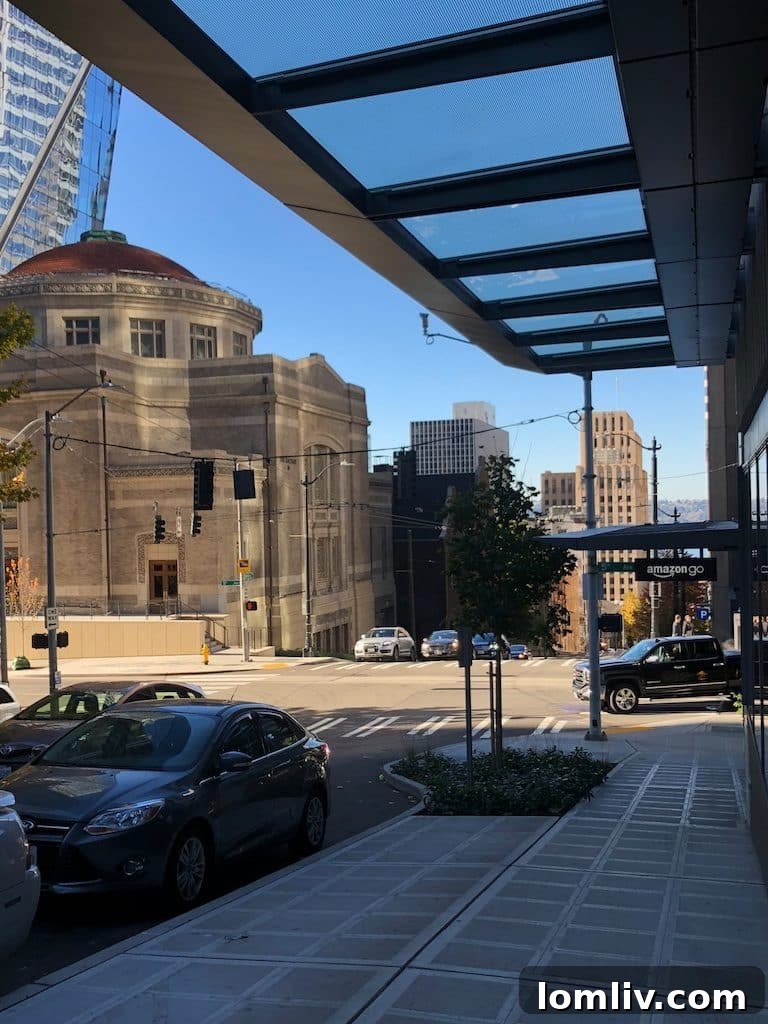
In our rapidly evolving world, the only constant is change. Just when we feel we’ve mastered the rhythm of life, new trends emerge, reshaping our daily routines and consumer habits at an astonishing pace. My recent experience at the Les Dames d’Escoffier International Conference in Seattle served as a profound reminder of this acceleration. Being in Seattle, the birthplace of Amazon, brought into sharp focus how a visionary dream transformed into a global powerhouse, fundamentally altering the landscape of retail. Today, it seems there’s hardly anything you can’t acquire through their expansive platform, from everyday necessities to surprising luxury items. Amazon’s innovation even extends to physical spaces with their Amazon Go stores, allowing for frictionless purchases of snacks or beverages via an app, eliminating the need for traditional payment methods. This seamless integration of technology into commerce highlights a future where even significant purchases, such as high-end appliances or an entire tiny home, are just a click away.
Indeed, as times change, so too does my Lifestylist® brand. My journey has led me to deepen my engagement in kitchen design, embrace various volunteering initiatives, and discover a profound connection with the vibrant TEXSOM wine community. Immersing myself in Dallas’s incredible culinary scene has also been a transformative experience. These passions have organically coalesced, leading me to redefine my brand’s focus around the trifecta of “Wine, Dine, and Great Design.” It has been incredibly rewarding to learn from and engage with leading experts across these disciplines. What unites them all, I’ve found, is their fundamental connection to the home – a space where comfort, culinary artistry, and aesthetic design converge to shape our lifestyles.
As part of my expanding professional network, I was presented with an opportunity to become an “Amazon Influencer.” Before committing, however, I felt it essential to conduct thorough research, to truly understand the scope and implications of such a partnership. What I uncovered was nothing short of astonishing. My investigation into the vast array of products available on Amazon revealed a marketplace far more extensive than I had imagined. Today, the majority of my personal and professional purchases – from shoes and office supplies to milk, bananas, and even elegant teak tub trays for my model homes – are sourced through Amazon. I challenged myself to find items unavailable on the platform, and aside from a specific brand of sodium-free Rotel, I struggled to identify anything I couldn’t procure. This experience underscored the immense power and reach of online retail.
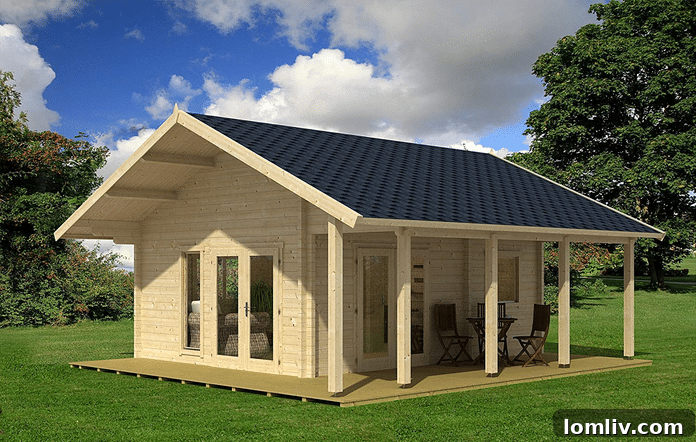
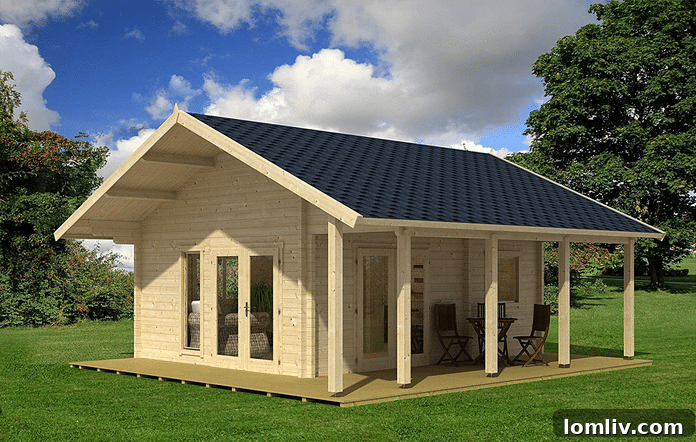
Yet, the most significant surprises were the availability of a sophisticated Miele convection oven priced at $5,848.50 and, even more remarkably, a $17,800 tiny home (the Allwood Bella, pictured at the top of this article). This tiny home, complete with free shipping, promised delivery within three to five weeks. The ability to purchase a home, albeit a tiny one, directly from Amazon raises critical questions about the future of real estate. With Amazon already exploring residential sales, what does this signify for our local real estate communities and traditional home-buying processes? The answer, I believe, is nothing short of transformative for the entire industry.
Consider how home shopping has evolved. It wasn’t long ago that prospective buyers relied exclusively on Realtors, leafing through MLS books and spending countless days being driven around in search of the perfect property. Today, the landscape is dramatically different. Buyers can browse online 24/7 on popular platforms like realtor.com or Zillow, receiving a deluge of personalized information directly to their inbox after a simple registration. This allows them to conduct extensive research at their own pace, free from pressure or unsolicited sales pitches. The shift is palpable; I’ve observed a growing number of my neighbors attempting to sell their homes independently, or opting for innovative companies that deviate from traditional brokerage fee structures. If the real estate community and home builders wish to remain relevant and competitive in this rapidly changing market, adapting their strategies and embracing new models is not just an option, but a necessity.
The concept of factory-built housing, once heralded as a futuristic ideal, is now a present-day reality thriving right in our communities. Clayton Homes, a subsidiary of Warren Buffett’s Berkshire Hathaway, stands as the nation’s largest builder of factory-built homes. Their recent strategic acquisitions, including seven “traditional” home-building companies like Brohn Homes in Austin, underscore a significant industry trend: the blurring lines between factory-built and traditional construction. I’ve had the distinct privilege of knowing Jim Clayton, the visionary founder of Clayton Homes, and his son Kevin, who now serves as the company’s president and CEO, for over two decades. I am honored to count them as clients. Witnessing their journey firsthand has taught me the immense possibilities that unfold when one focuses on opportunities rather than impediments. This perspective has allowed them to revolutionize the housing industry, delivering high-quality, attainable homes to a broad spectrum of buyers.
Clayton’s commitment to innovation and quality is exemplified by their state-of-the-art manufacturing facility in Athens, Texas. This cutting-edge plant has redefined what’s achievable in factory-built housing, producing some of the most aesthetically pleasing, well-constructed, and affordable homes available on the market today. The precision and efficiency of their manufacturing process allow for unparalleled quality control, ensuring that every component meets rigorous standards before assembly. This approach not only streamlines construction but also significantly reduces waste and environmental impact, reflecting a modern, responsible building philosophy.
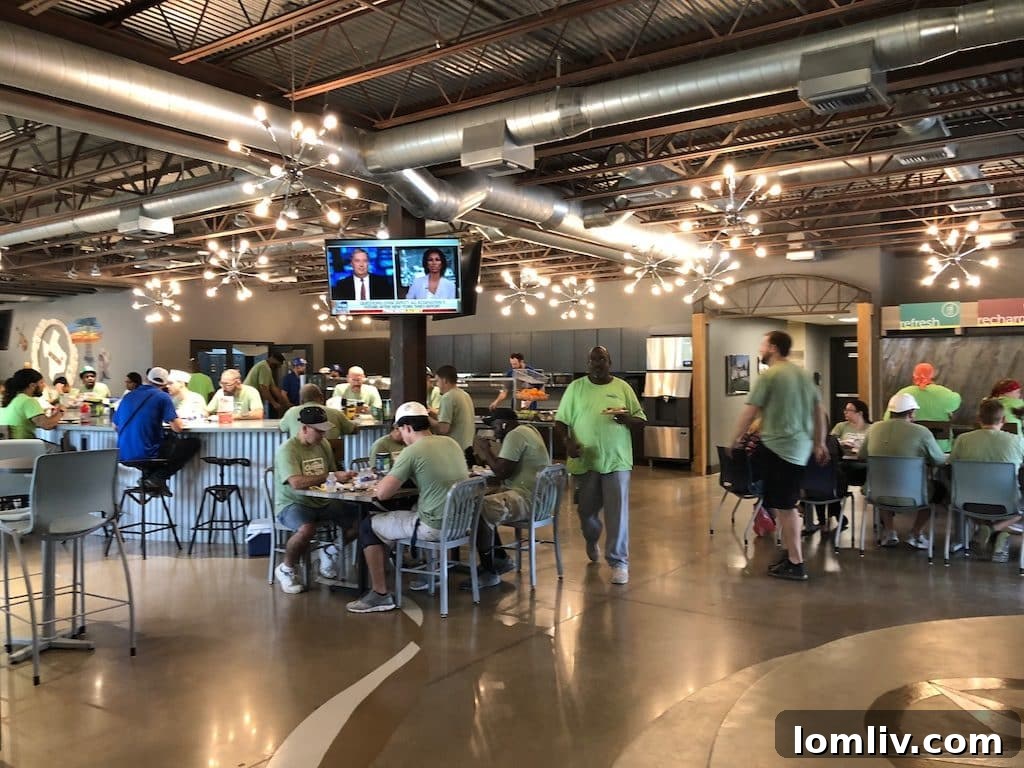
Beyond the innovative construction techniques, Clayton Homes also prioritizes the well-being of its employees, a testament to its forward-thinking corporate culture. The Athens facility was designed with employee comfort and engagement in mind, featuring amenities such as a spacious dining area complete with a fresh salad bar, large-screen TVs for relaxation, and comfortable outdoor dining options. This holistic approach to business underscores their understanding that a motivated and well-supported workforce is crucial to delivering exceptional products. Their NXT series, in particular, is poised to shatter all preconceived notions about “mobile homes,” showcasing sophisticated design, advanced materials, and robust construction. While Clayton Homes is not currently selling directly on Amazon, it would be a logical and impactful next step, aligning perfectly with the evolving direct-to-consumer landscape and Amazon’s burgeoning presence in home sales.
Despite the undeniable advancements in factory-built housing, a significant disconnect persists within the traditional real estate community. It’s perplexing that so few Realtors are truly familiar with the remarkable quality, design, and affordability that today’s factory-built homes offer. Consequently, a disproportionately small number of these homes are listed or sold by traditional Realtors. This stems from an outdated perception that often characterizes factory-built homes as “tornado magnets,” poorly constructed, and lacking contemporary design elements – a notion that could not be further from the truth. Modern factory-built homes are engineered for resilience, often exceeding the structural integrity of their site-built counterparts. As I often quip, how many site-built homes could endure a 70-mile-per-hour journey down a highway and still arrive perfectly intact? Every factory-built home undergoes and passes such rigorous transport tests, typically arriving on-site without a single missing shingle or a crack in the drywall. Educating the real estate sector on these realities is crucial for unlocking the full potential of this innovative housing solution and serving a broader market of homebuyers seeking quality and value.
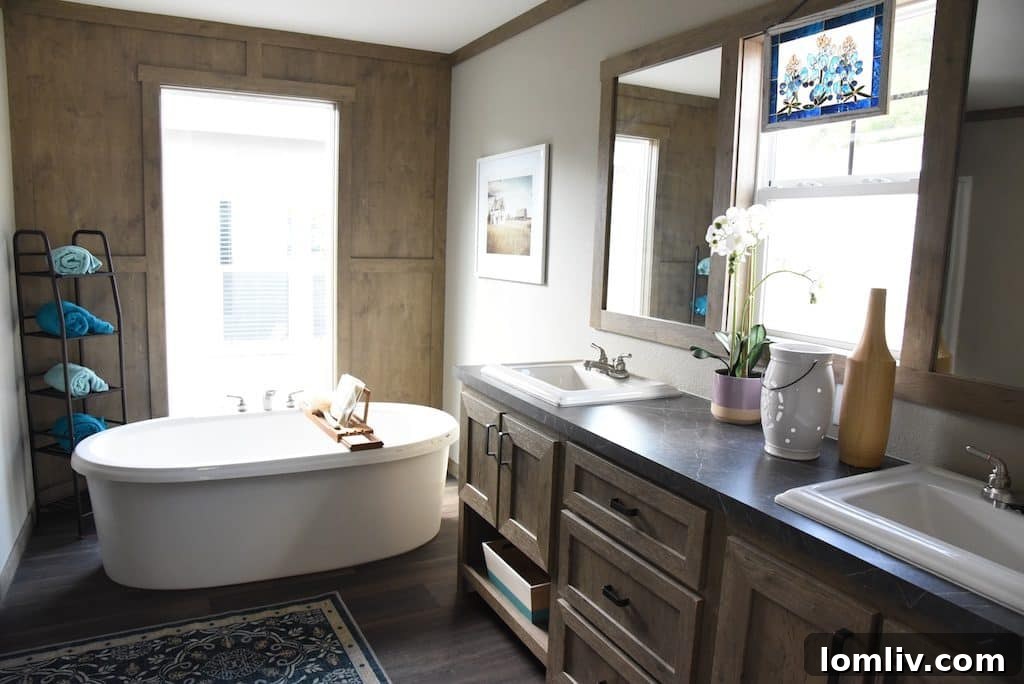
Given these trends, I foresee a future where an increasing number of homes, from tiny dwellings to larger modular units, become readily available for purchase on platforms like Amazon. When that time fully arrives, it may very well be where I commence my own Second Shelter search, leveraging the convenience and vast selection of online marketplaces. However, the path to fully online home buying isn’t without its complexities. I’ve observed that some of my neighbors, after attempting to sell their homes independently online, have eventually reverted to engaging a traditional Realtor. This suggests that while online tools empower buyers and sellers, the nuanced expertise, local market knowledge, and negotiation skills of a seasoned professional remain invaluable, especially for sellers seeking a fresh and effective approach in a competitive market.

Despite the undeniable allure of online convenience, there are certain purchases where I still prioritize the personalized service and expertise of local businesses. When it comes to high-value items like kitchen appliances, for instance, I unequivocally prefer working with a locally owned company such as Capital Distributing. For me, they represent a true “security blanket.” I know that if any issues arise, I can simply call or drop by, and they will act as my dedicated advocate, ensuring everything is installed correctly and functions precisely as envisioned. This level of hands-on support, including having a knowledgeable human available to guide me through operating new technology, is an invaluable aspect that online retailers often cannot replicate. The assurance of expert installation, ongoing support, and trusted advocacy fosters a peace of mind that online transactions, for all their efficiency, sometimes lack. This experience highlights a critical dimension of modern retail: the blend of digital access with tangible, human-centric service.
Ultimately, while I deeply appreciate the efficiency and accessibility of online shopping, I also place immense value on the guidance and reassurance provided by subject matter experts. This leads me to ponder: what new, innovative hybrid models of shopping might emerge in the near future? Perhaps a seamless integration of digital convenience with localized, expert human interaction will become the gold standard. Only time will tell how consumer preferences and technological advancements will continue to shape our retail experiences, but it’s clear that adaptability and a balanced approach will be key for both consumers and businesses.
Lifestylist® Suzanne Felber is among those fortunate individuals whose passion genuinely aligns with their profession. Through her unique approach, Felber empowers consumers to discover their “inner-stylist,” guiding thousands of homeowners in crafting spaces that authentically reflect their personalities and lifestyles. She resides in her own “Home Idea Factory”—a charming circa 1942 factory building in Oak Cliff, which once housed a printing company. Alongside her loving brood of rescue cats and dogs, Felber continually transforms this unique space, using it as the perfect laboratory to test and develop innovative ideas and products, which she enthusiastically shares with her audience.