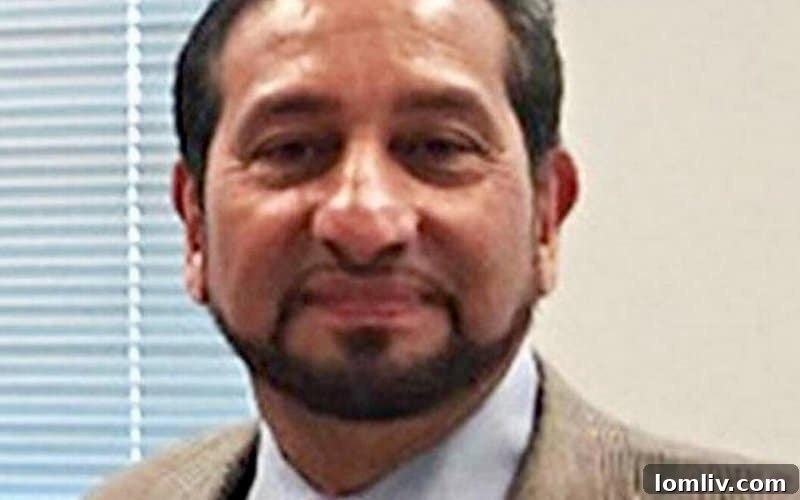
Tragic End for Journalist and Real Estate Investor Jay Torres: A Murder Rooted in Business Dispute

The tragic death of Jacinto “Jay” Torres Hernandez, a respected journalist and prolific real estate investor, sent shockwaves through the Dallas-Fort Worth community. His body was discovered on June 13 in the backyard of a Garland, Texas home, initiating a police investigation that quickly honed in on a suspect and a motive far removed from his esteemed writing career. Authorities now believe Torres’ murder stemmed from a volatile real estate transaction, shining a grim light on the potential dangers within the business world.
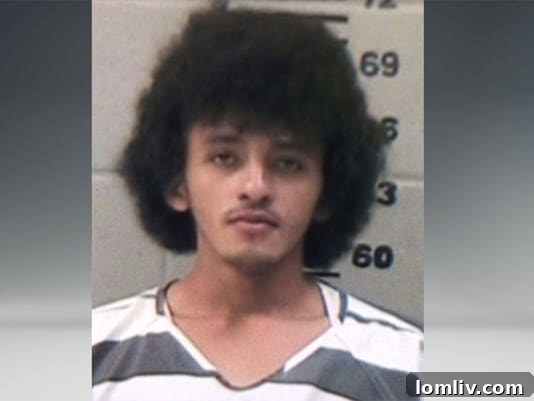
Garland police have identified 23-year-old Anibal Edilfredo Chirino Mejia as the primary suspect in Torres’ slaying. The investigation suggests that Mejia harbored significant resentment over a financial loss incurred during a property deal with Torres, a dispute that escalated tragically. This revelation underscores a chilling reality: while journalism is often perceived as a high-risk profession, the world of real estate can present its own unforeseen perils, especially when financial stakes are high and disputes turn deadly.
Who Was Jacinto “Jay” Torres Hernandez? A Life of Dual Dedication
Jacinto “Jay” Torres Hernandez, 57, was a multifaceted individual whose life was deeply intertwined with the fabric of his community. Beyond his successful career as a real estate investor, he was a cherished and influential journalist for La Estrella, a prominent Spanish-language newspaper published by the Fort Worth Star-Telegram. For years, Torres provided vital news and insightful commentary to the Hispanic community, covering a broad spectrum of local stories that ranged from complex political issues and healthcare reforms to pressing immigration matters. His dedication to truth and community service earned him widespread respect and admiration.
Parallel to his journalistic endeavors, Torres was a highly active and shrewd real estate investor. He dedicated considerable time and energy to purchasing, investing in, and flipping properties across Dallas and its surrounding areas. This dual career path showcased his relentless work ethic and his commitment to both informing and empowering his community through different avenues. His extensive network and deep understanding of the local market made him a significant figure in both the media and real estate landscapes.
The Discovery and the Unfolding Investigation
The discovery of Jay Torres’ body marked the beginning of a complex and urgent investigation. On June 13, a business partner found Torres deceased in the backyard of a home in Garland, a Dallas suburb. The scene indicated that Torres had been dead for “multiple days” before his discovery, left exposed to the elements. According to a report from the local Spanish-language newspaper Al Día, he had been shot in the torso. This grim finding immediately raised questions within the community and among his professional peers, particularly concerning the motive behind such a brutal act against a respected public figure.
Garland Police Department detectives meticulously examined Torres’ personal belongings, including his phone, for crucial leads. Their efforts quickly paid off, uncovering communications between Torres and another individual that ultimately pointed towards Anibal Edilfredo Chirino Mejia. This critical breakthrough allowed investigators to piece together the narrative leading up to Torres’ death, shifting the focus from his potentially controversial journalism to the intricacies of his real estate dealings.
A Sour Deal and a Tragic Escalation: The Real Estate Connection
The core of the motive, as identified by police, lies in a contentious real estate transaction between Jay Torres and Anibal Edilfredo Chirino Mejia. Investigators believe Mejia suffered a financial loss in a deal with Torres and had expressed intentions to sue him to recover the money. This financial dispute, rather than any aspect of Torres’ journalistic reporting, became the focal point of the murder inquiry. The financial sum at the heart of this deadly disagreement was, startlingly, less than $5,000.
Gibran Torres, Jay Torres’ son, played a significant role in helping authorities understand the nature of his father’s professional disputes. The family discovered a demand letter from Mejia to Jay Torres, a piece of evidence that proved instrumental in leading police directly to the suspect. Recalling the severity of the crime in contrast to the relatively small sum involved, Gibran Torres expressed profound grief and disbelief:
“I was really upset because it wasn’t worth killing him,” said the son. “It wasn’t even worth putting a gun on somebody.”
This sentiment resonated deeply within the community, highlighting the shocking disproportion between the alleged motive and the extreme violence of the crime. Mejia’s mug shot, released by authorities, suggested a history of previous encounters with the law, further complicating the profile of the accused.
The Hunt for Anibal Edilfredo Chirino Mejia
Following the identification of Anibal Edilfredo Chirino Mejia as the primary suspect, law enforcement launched an intensive search. Garland police announced a $5,000 reward for any information that would lead to Mejia’s capture. However, they did not specify whether they believed Mejia remained within the United States or if he had fled the country, leaving open possibilities regarding the scope of the search. The urgency of apprehending the suspect was palpable, not only to bring justice for Jay Torres but also to ensure public safety.
The pursuit of Mejia underscores the challenges faced by law enforcement when suspects may attempt to evade capture by crossing borders or disappearing into other communities. The reward served as a powerful incentive for anyone with knowledge of Mejia’s whereabouts to come forward, emphasizing the seriousness with which authorities viewed the case and their determination to resolve it.
Journalist Safety: A Global Concern Despite Local Motive
Although the motive for Jay Torres’ murder was tied to his real estate activities rather than his journalism, his tragic death drew significant attention from journalist advocacy groups worldwide. Torres’ history of covering controversial local stories on politics, health, and immigration naturally led many to initially fear that his reporting might have put him in harm’s way. This initial concern prompted swift calls for justice and thorough investigation from organizations dedicated to protecting journalists.
UNESCO’s Director-General, Irina Bokova, publicly urged authorities to “investigate this killing and its motives so that those responsible for it be brought to trial.” As the United Nations’ cultural agency, UNESCO actively champions the safety of journalists globally, recognizing their crucial role in democratic societies. The involvement of such a high-profile international body highlighted the perceived threat to freedom of the press, even before the real estate connection was fully established.
The Committee to Protect Journalists (CPJ) also expressed its alarm over Torres’ murder. In a statement, CPJ noted the rarity of journalists being killed for their work in the United States, having documented only seven such cases since 1992. Had Torres’ death been linked to his journalism, he would have tragically become the eighth. This emphasis by CPJ served to underscore the critical importance of ensuring that journalists can carry out their work without fear of reprisal, regardless of where they are in the world. The fact that his journalistic work was not the direct cause of his death provided some relief in this context, yet the broader implications for safety remained a pressing concern.
The Enduring Risks of Real Estate and the Pursuit of Justice
The case of Jay Torres serves as a stark reminder of the inherent risks that can accompany professions, even those not typically associated with violence. Gibran Torres revealed that his father frequently dealt with litigious individuals or threats of lawsuits – “two or three times a year” – throughout his real estate career. Beyond legal threats, his father often encountered properties left vandalized or in severe disrepair by tenants or disgruntled parties. Such experiences, while common in the real estate world, rarely escalate to the point of murder, making Torres’ death a particularly chilling anomaly.
The real estate industry, with its high stakes, complex transactions, and frequent dealings with diverse individuals, can indeed be a dangerous occupation. When personal finances and property rights clash, emotions can run high, sometimes leading to unpredictable and tragic outcomes. The community continues to mourn the loss of Jay Torres, a man who contributed so much through his journalism and his business acumen. His legacy is now indelibly marked by this senseless act of violence, a poignant reminder of the vulnerabilities that can exist even in seemingly ordinary professional interactions.
As the search for Anibal Edilfredo Chirino Mejia continues, the Garland Police Department remains committed to bringing justice for Jay Torres and his family. The tragic events surrounding his death reiterate the critical need for vigilance and caution in all professional dealings, particularly where significant financial interests are involved. The memory of Jay Torres, a devoted journalist and entrepreneur, lives on, serving as a somber testament to a life cut short by a dispute that spiraled into an unthinkable tragedy.