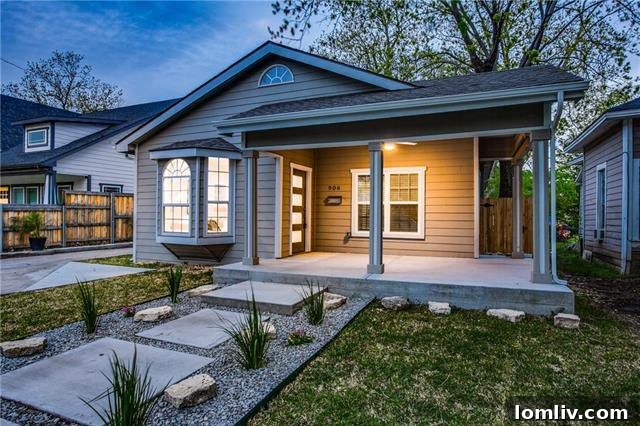
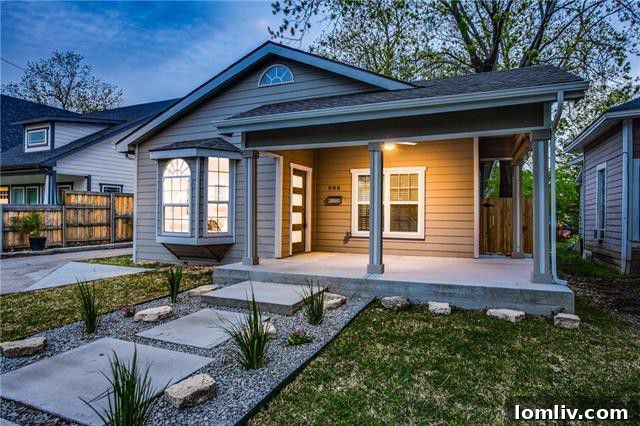
Circa 1924
Sunset Hill Dallas: A Journey Through History, Architecture, and Enduring Charm
Nestled within the heart of Dallas’s historic Oak Cliff district, the Sunset Hill neighborhood stands as a vibrant testament to the city’s rich past and evolving landscape. What began as a vast 19th-century farm has gracefully transformed into one of Dallas’s most architecturally significant and culturally rich communities. Sunset Hill captivates residents and visitors alike with its tree-lined streets, diverse housing styles, and a profound sense of history that echoes through its every corner. This article delves into the fascinating origins, remarkable development, and the enduring legacy that makes Sunset Hill a truly unique and cherished Dallas gem, a place where the stories of generations are etched into its very foundations.
From Farmland to Flourishing Suburb: The Early Days of Sunset Hill
John Merrifield’s Vision and Resistance to Urban Sprawl
The narrative of Sunset Hill is intricately woven with the pioneering spirit of John Merrifield, a determined farmer who established his extensive estate around 1843. His farm was more than just land; it was a cornerstone of the nascent agricultural economy surrounding early Dallas, representing years of dedication and hard work. As Dallas began its rapid expansion, the pressure of urban development became an undeniable force. Merrifield, keenly aware of the encroaching progress, took significant steps in his later years to safeguard his family’s heritage and the integrity of his agricultural domain. Before his death in 1873, he strategically acquired an additional 1,000 acres of land. This substantial purchase was a deliberate effort to create a protective buffer, particularly against the burgeoning Hord’s Ridge development that was quickly emerging near the eastern borders of his cherished farm. Merrifield’s actions profoundly illustrate his unwavering commitment to preserving his family’s way of life and resisting the relentless march of urbanization.
The Dawn of Development: Oak Cliff’s Influence and Sunset Hill’s Rise
Despite John Merrifield’s prescient efforts and his desire to preserve his family’s vast land, the tide of progress proved unstoppable. After his passing, while initially expanded by his son, the sprawling Merrifield farm eventually underwent a pivotal division among his grandchildren. By the 1890s, this once-unified agricultural expanse began its transformation, paving the way for the residential development that would define Sunset Hill. This period was critical, occurring parallel to the resounding success of Thomas Marsalis’s groundbreaking Oak Cliff subdivision. Marsalis’s vision for a planned community across the Trinity River showcased the immense demand for suburban living, characterized by spacious lots and elegant homes. This triumph provided a powerful model and a compelling allure for affluent buyers, who, seeking similar opportunities for sophisticated living, increasingly gravitated towards Sunset Hill. They eagerly purchased lots and commissioned the construction of grand residences, envisioning a tranquil yet distinguished lifestyle within convenient reach of Dallas. By the turn of the 20th century, Sunset Hill was firmly established as a premier residential destination, shaped by both its agricultural past and the ambitious spirit of its new, discerning inhabitants.
Rapid Growth and Architectural Innovation: Shaping Sunset Hill’s Character
The “Build It, They Will Come” Ethos and Dallas Annexation
The developmental momentum established in the late 1890s continued to accelerate into the early 20th century, driven by an almost prescient “build it, they will come” philosophy that characterized much of Dallas’s urban expansion. As the demand for high-quality housing in desirable locations soared, a flurry of new subdivisions quickly emerged, meticulously transforming the landscape of Sunset Hill. By 1913, the neighborhood was bustling with construction activity and a steadily growing population, a clear indication of its increasing popularity and undeniable appeal. Its strategic location, boasting picturesque views and a serene, elevated environment, made it an exceptionally attractive option for those seeking a respite from the burgeoning urban core while still enjoying effortless access to city amenities. Recognizing its organic growth and its increasingly integral connection to the city, Sunset Hill was officially designated as a Dallas suburb. This designation was merely a prelude to a more significant historical event: just two years later, in 1915, the flourishing community was formally annexed by the City of Dallas. This annexation not only brought Sunset Hill under the full administrative umbrella of Dallas but also promised enhanced infrastructure, improved municipal services, and a deeper integration into the broader urban fabric, firmly solidifying its place as a valued and integral part of the rapidly modernizing metropolis.
Hann and Kendall: Pioneering Developers and the California Bungalow
Among the pivotal figures who profoundly influenced the architectural character and desirability of Sunset Hill were the renowned developers Hann and Kendall. These visionary builders had already cultivated a formidable reputation through their sophisticated developments in Highland Park, an area synonymous with elegance and refined living. Bringing their distinctive brand of architectural flair and innovative urban planning across the Trinity River, they left an indelible mark on Sunset Hill. Hann and Kendall were instrumental in introducing wide, gracefully tree-lined streets, a signature element that profoundly contributed to the neighborhood’s grand and inviting ambiance. More notably, they debuted their unique and adapted interpretation of the California Bungalow. While thoughtfully scaled somewhat smaller than its sprawling West Coast counterparts, this two-story design exuded a distinctive charm with its characteristically low-slung profile and what was often described as an “airplane style” roofline, a nod to modernity and aerodynamic aesthetics. This architectural innovation was a welcome and exciting addition, providing a refreshing aesthetic diversity to Sunset Hill’s already evolving architectural landscape, which at the time also featured grander homes and stately examples of Prairie and Craftsman bungalows. Their significant contributions were crucial in cementing Sunset Hill’s reputation not merely as a place to reside, but as a community defined by thoughtfully designed living spaces and progressive urban planning.
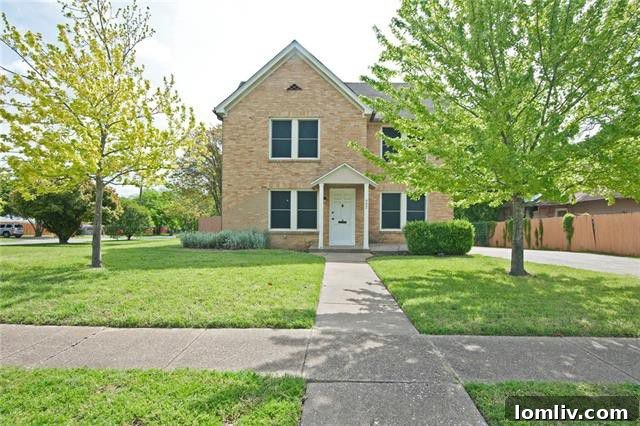
Circa 1932
An Architectural Kaleidoscope: Exploring Sunset Hill’s Diverse Styles
The Distinctive Allure of the California Bungalow in Dallas
The California Bungalow, as expertly adapted by Hann and Kendall for the discerning residents of Sunset Hill, represents a particularly fascinating chapter in the neighborhood’s rich architectural narrative. Unlike the expansive single-story versions commonly found on the West Coast, these ingenious two-story renditions were cleverly conceived to integrate seamlessly into Dallas’s evolving urban fabric, offering both charm and practicality. Their characteristic “low-slung” nature, distinguished by roofs with gently sloping gables, broad overhanging eaves, and the distinctive “airplane style” roof, imparted a unique sense of grounded elegance while efficiently maximizing interior living space. This particular design proved immensely popular, offering a sophisticated blend of casual comfort and refined architectural appeal that resonated deeply with the affluent families settling in Sunset Hill. These bungalows frequently showcased inviting front porches, a harmonious blend of natural materials such as brick and wood, and a strong emphasis on integrating indoor and outdoor living areas—principles that were perfectly aligned with the burgeoning Dallas lifestyle of the early 20th century. The successful introduction of this style significantly enriched the visual tapestry of the area, creating harmonious streetscapes that beautifully complemented other prominent architectural forms already present.
A Rich Spectrum of Styles: Prairie, Craftsman, Tudor, and Spanish Eclectic
Beyond the innovative California Bungalows, Sunset Hill proudly exhibits an impressive and diverse collection of historic architectural styles, effectively transforming the neighborhood into a living museum of early to mid-20th-century design. The area features a remarkable array of homes dating primarily from the 1930s and 1940s, though earlier examples also stand as proud historical markers. Among these, the clean lines and striking horizontal emphasis characteristic of the **Prairie Style** are readily apparent, reflecting the profound influence of Frank Lloyd Wright with their low-pitched roofs, broad overhanging eaves, and a strong, organic connection to the surrounding landscape. Many of these distinctive homes boast bands of meticulously arranged windows and robust, natural building materials. Adjacent to these, the artisanal charm of **Craftsman Bungalows** captivates with their exposed rafters, meticulously handcrafted woodwork, and deep, welcoming porches, embodying a philosophy that prioritizes quality craftsmanship and honest handiwork over industrial mass production. The rugged yet refined elegance of **Brick Tudor Revival** homes also gracefully adorns Sunset Hill, identifiable by their steeply pitched gables, often simplified decorative half-timbering patterns rendered in brick, and robust masonry construction, evoking a sense of timeless English countryside charm. Furthermore, the romantic allure of **Spanish Eclectic** architecture adds another vibrant layer of cultural richness, featuring smooth stucco exteriors, iconic red tile roofs, gracefully arched doorways, and intricate decorative ironwork reminiscent of sun-drenched Mediterranean villas. This expansive and diverse architectural palette ensures that a leisurely stroll through Sunset Hill is a captivating journey through different design philosophies, each contributing significantly to the neighborhood’s unique aesthetic appeal and profound historical significance.
Preserving the Past, Embracing the Future: Historic Homes in Sunset Hill
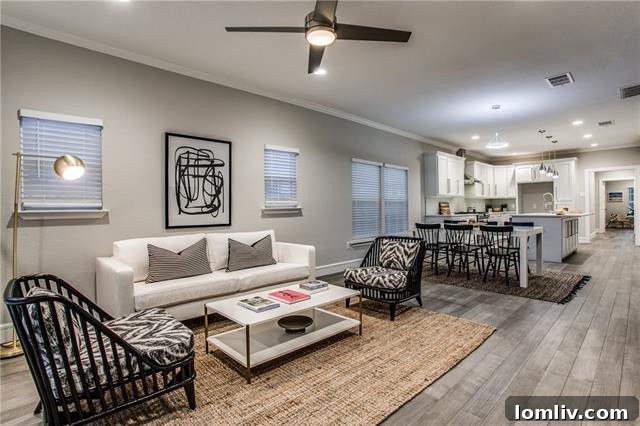
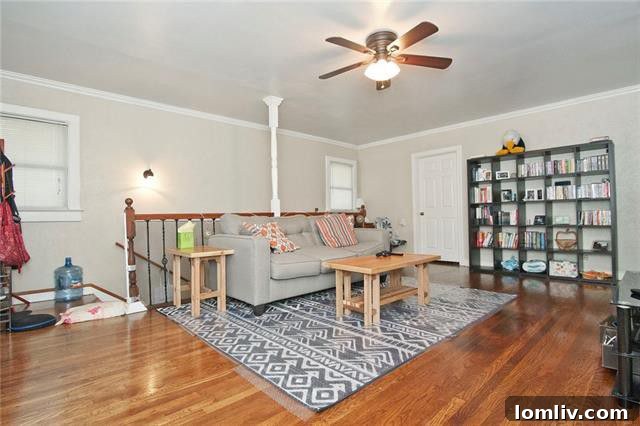
The historic homes of Sunset Hill offer a truly unparalleled opportunity for residents to immerse themselves in a rich historical narrative, creating a distinctive living experience. These architectural masterpieces span a wide spectrum, from exquisitely preserved residences that have undergone thoughtful and sensitive contemporary interior upgrades – seamlessly blending modern amenities with their inherent period charm – to houses that eagerly await a new owner’s creative vision. For individuals with a profound passion for architectural restoration, interior design, and a deep appreciation for heritage, Sunset Hill presents the extraordinary chance to acquire a property and imbue it with their unique individual style. This allows for a thoughtful and “spiffy redo” that transforms a historic structure into a personalized sanctuary, all while meticulously respecting its original character and historical integrity. This harmonious blend of enduring historic integrity and immense potential for contemporary, sophisticated living is a defining characteristic of the neighborhood. It consistently attracts discerning individuals who deeply value authenticity, seek a meaningful connection to the past, and aspire to actively contribute to the ongoing, unfolding story of Sunset Hill. The community takes immense pride in its urban dwellers who are diligently committed to preserving these architectural treasures, thereby ensuring that the rich legacy of earlier eras continues to thrive dynamically within a modern context.
The Merrifield Legacy Lives On: A Permanent Mark on Sunset Hill
The Historic Merrifield Cemetery: A Silent Testament to Early Settlers
Despite the profound transformation of the land from John Merrifield’s vast agricultural estate into a thriving residential community, a tangible and deeply meaningful piece of his original property, along with his very presence, remains enduringly embedded within the fabric of Sunset Hill. This powerful and enduring link to the neighborhood’s foundational history is most profoundly experienced and visually manifested at the Merrifield Cemetery. Strategically located at the southeastern corner of Hampton Road and Jefferson Boulevard, this humble yet immensely historically significant site serves as a silent and poignant testament to the pioneering family that once owned and cultivated this expansive land. The cemetery is officially recognized with a prestigious Texas Historical Marker, a clear and authoritative indication of its significant importance in the state’s broader historical narrative. Within its quiet, hallowed confines stand two prominent and weathered headstones. One meticulously marks the final resting place of John Merrifield himself, alongside his second wife, Elizabeth, ensuring their names are forever etched into the soil they cherished. The other stone solemnly commemorates their son, Joseph Foreman Merrifield. Local neighborhood lore, rich with generations of oral tradition, further suggests that, in addition to these clearly marked graves, an estimated 20 unnamed family members are also interred there, underscoring the deep roots, extensive lineage, and personal sacrifices inextricably connected to this sacred ground.
A Family’s Enduring Connection to Their Ancestral Homeland
The Merrifield family’s profound and enduring connection to Sunset Hill is not merely confined to historical markers and the hallowed ground of graves; it remarkably extends into the living present day. In a beautiful and inspiring continuation of this rich legacy, John Merrifield’s great-great-granddaughter proudly resides within the very neighborhood his ancestors once called home. Her house stands on the exact site where the family’s original homeplace once gracefully stood, creating a palpable, living bridge that spans centuries, connecting the cherished past with the vibrant present. This deeply personal and continuous connection powerfully highlights the inherent sense of heritage that thoroughly permeates every aspect of Sunset Hill. It serves as an eloquent and potent reminder that while neighborhoods inevitably evolve and landscapes undeniably change over time, the fundamental stories and the indelible legacies of those who first settled, shaped, and nurtured the land continue to profoundly influence its unique character, its timeless charm, and its very soul. Her contemporary presence is a powerful and touching testament to the resilient spirit of the Merrifield family and their lasting, profound imprint on one of Dallas’s most distinctive, historically rich, and deeply cherished communities. It speaks volumes about a remarkable lineage that has witnessed generations of transformative change, yet still finds a compelling way to call this historically significant and deeply rooted soil home.
Discovering Sunset Hill Today: A Cherished Dallas Gem
Today, Sunset Hill continues to be a highly sought-after destination for homebuyers, history enthusiasts, and those seeking a unique community experience within Dallas. Its beautifully preserved tree-lined streets, an unparalleled array of diverse architectural styles, and a strong, interwoven sense of community collectively create an unparalleled living experience within the vibrant Oak Cliff area. Residents of Sunset Hill enjoy the myriad benefits of established urban living, seamlessly combined with the tranquil beauty and historical depth of a truly unique residential area. The neighborhood’s enviable proximity to a wealth of local amenities, thriving cultural hubs, and convenient, direct access to downtown Dallas further enhance its considerable appeal. The dedicated efforts of its current residents, who are passionately committed to preserving the distinctive charm and historical integrity of their homes and streets, ensure that Sunset Hill continues to thrive as a neighborhood that not only honors its profound past but also vibrantly embraces its promising future. It proudly stands as a vibrant, living testament to Dallas’s rich and multifaceted heritage, offering a distinctive and captivating blend of historical significance, architectural splendor, and an overwhelmingly welcoming community spirit. Whether you are exploring its storied avenues, marveling at its unique homes, or considering making it your permanent residence, Sunset Hill promises a captivating journey into a truly cherished Dallas gem, where every corner, every brick, and every tree tells a compelling and unforgettable story.