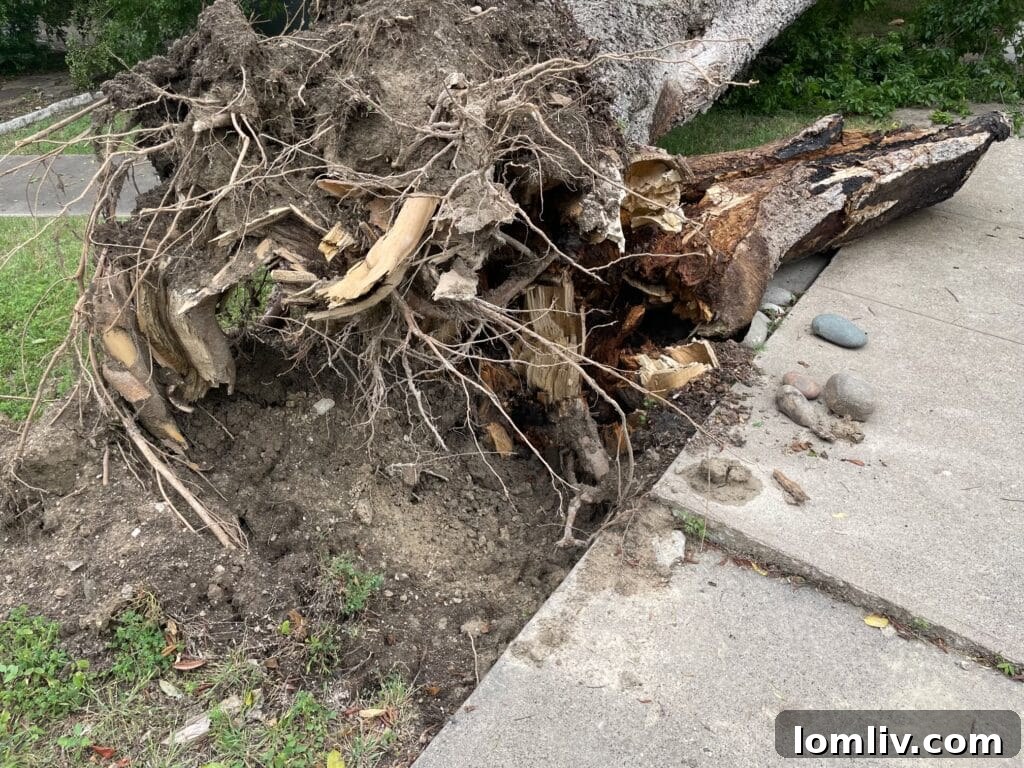
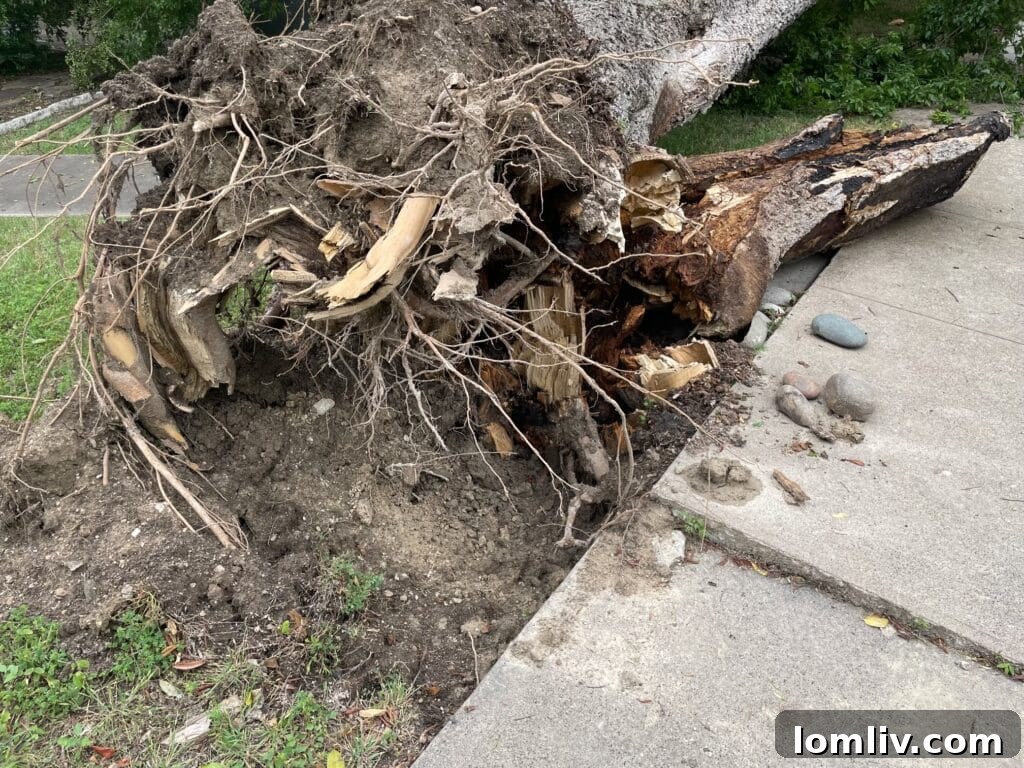
North Texas residents faced widespread chaos and destruction on the evening of June 11th, as a formidable band of severe thunderstorms swept across the region after 5 p.m. The powerful storm front brought with it incredibly high winds and colossal hail, strong enough to rip mature trees from their roots and shatter vehicle windshields. This intense weather event not only left a trail of physical damage but also plunged thousands into darkness, with numerous power outages that utility provider Oncor diligently continues to address. Areas such as Flower Mound were particularly hard-hit, experiencing baseball-sized hail, while many streets in the historic Hollywood Heights neighborhood became completely impassable due to fallen debris and water. The ramifications of this severe weather event extended across numerous communities, prompting immediate response efforts and raising concerns about infrastructure resilience.
Devastating Impact: Downed Trees, Widespread Hail Damage, and Persistent Power Outages Across North Texas
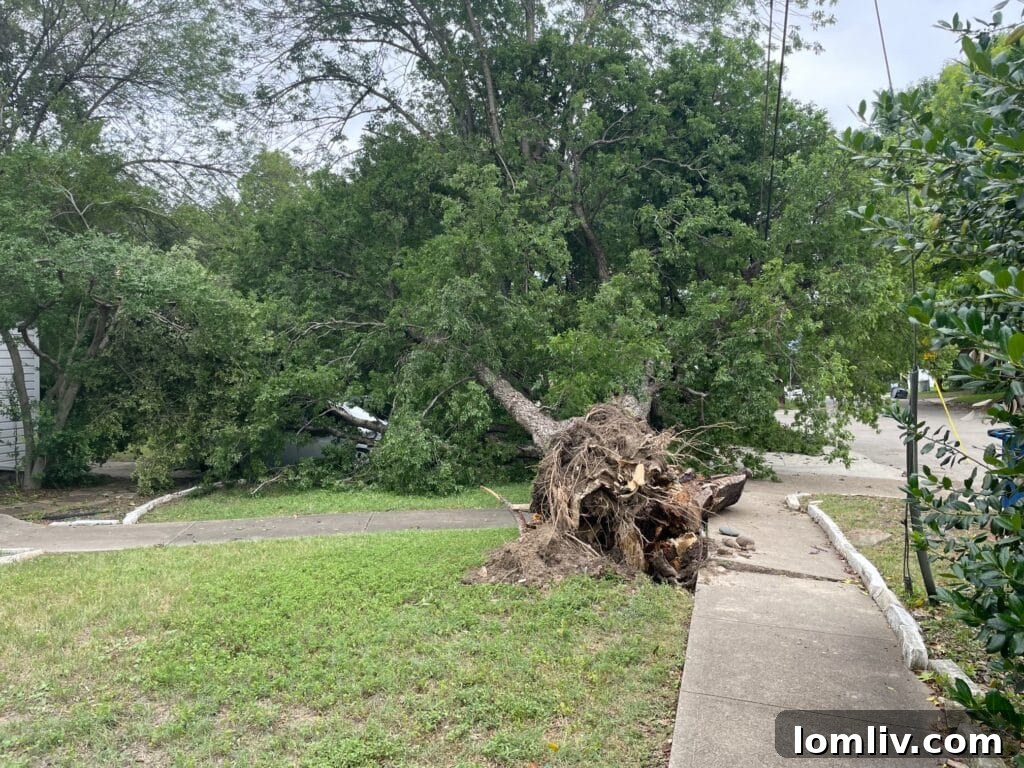
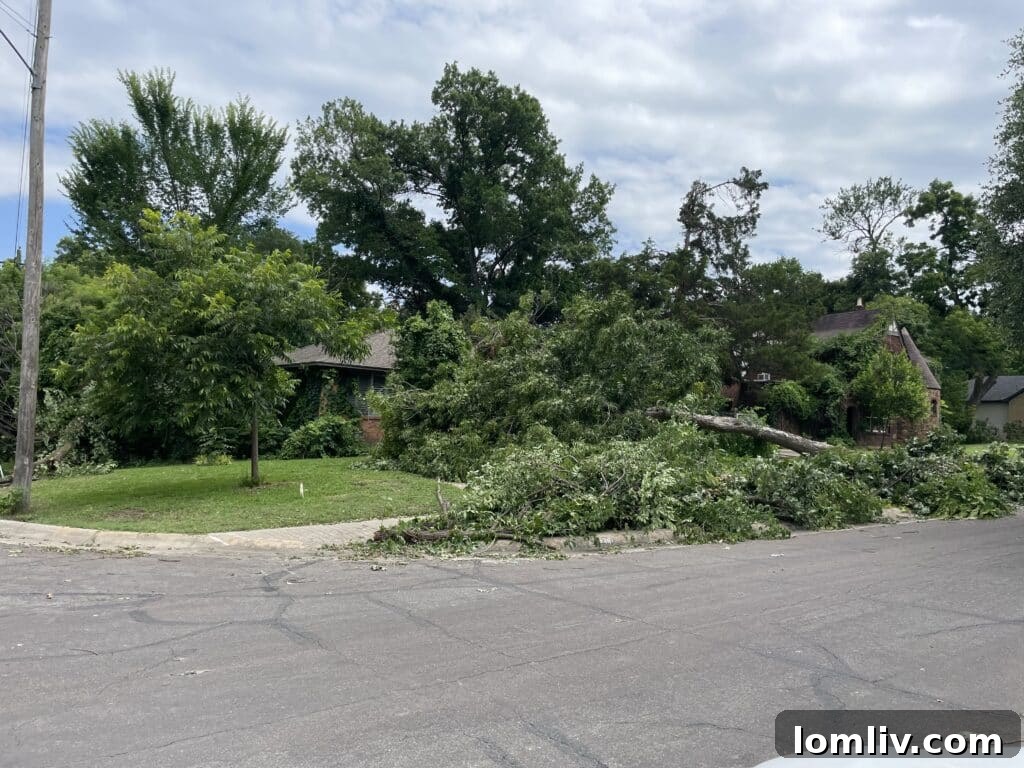
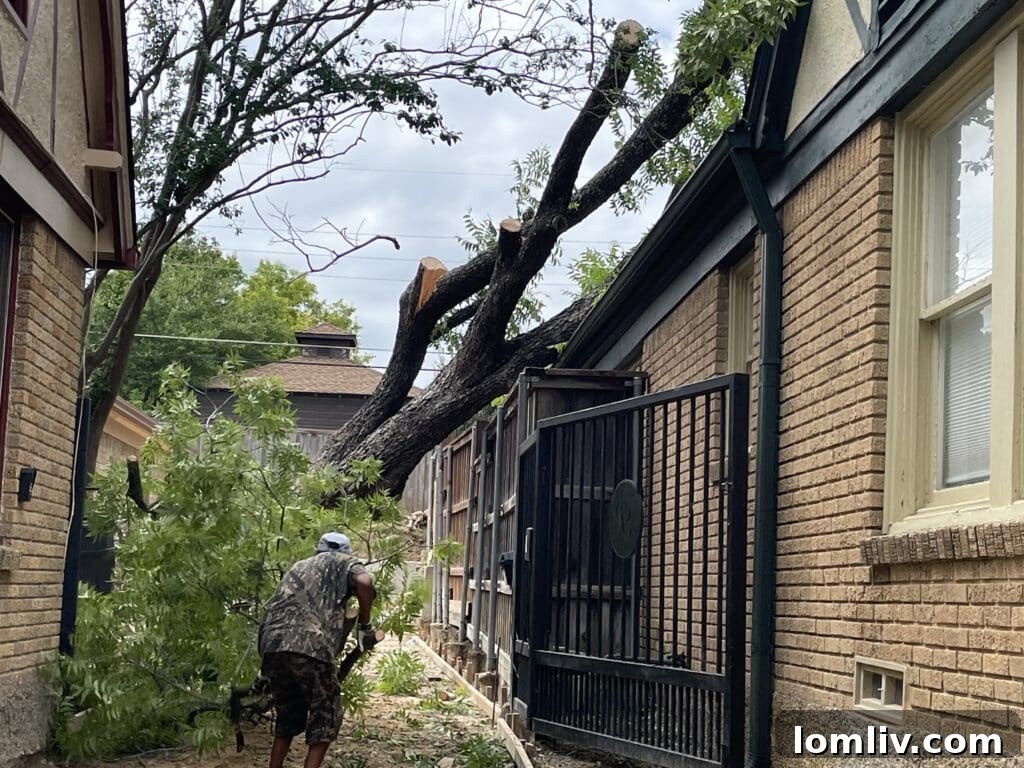
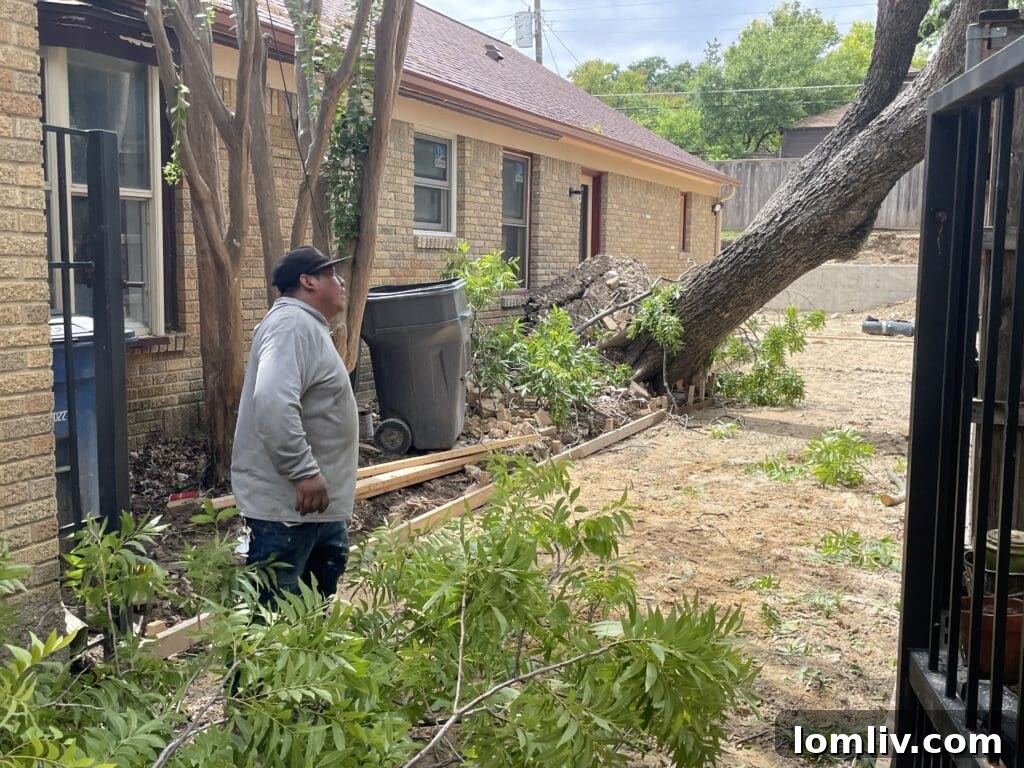
The severity of the June 11th storms became immediately apparent as reports and images flooded in from affected areas. daltxrealestate.com documented the extensive damage with photographs revealing the sheer force of nature. Majestic oak trees, some standing for decades, were violently uprooted across beloved East Dallas neighborhoods, including the vibrant Lower Greenville and the picturesque Hollywood Heights. These massive trees, symbols of the community’s natural beauty, toppled onto cars, crushing them under their immense weight, and effectively blocked crucial roadways, bringing traffic to a standstill and complicating emergency responses. The sheer scale of the arborial damage underscored the exceptional intensity of the wind gusts that accompanied the storm.
Beyond the visible destruction of trees, the widespread hail inflicted its own form of devastation. Residents across a broad swath of North Texas reported hail ranging from pea-sized to the alarming dimensions of baseballs, leaving homes and vehicles scarred. Roofs sustained significant impact damage, increasing the risk of water intrusion and long-term structural issues for homeowners. Car dealerships, parking lots, and residential driveways became canvases of destruction, with countless vehicles left with dented exteriors and shattered glass. These widespread damages have initiated a lengthy and costly recovery process for thousands of affected individuals and families.
Compounding the physical damage was the massive disruption to utilities. As of the morning following the storm, Oncor’s storm response map indicated that nearly 6,000 North Texas customers remained without power. The challenge of restoring electricity to such a large and diverse area is formidable, requiring extensive repairs to downed power lines and damaged infrastructure. Oncor crews, working tirelessly, faced obstacles like blocked roads and hazardous conditions, making their task even more demanding. For many residents, the lack of power meant not just inconvenience but also significant challenges, particularly during warm summer nights without air conditioning and the potential spoilage of food.
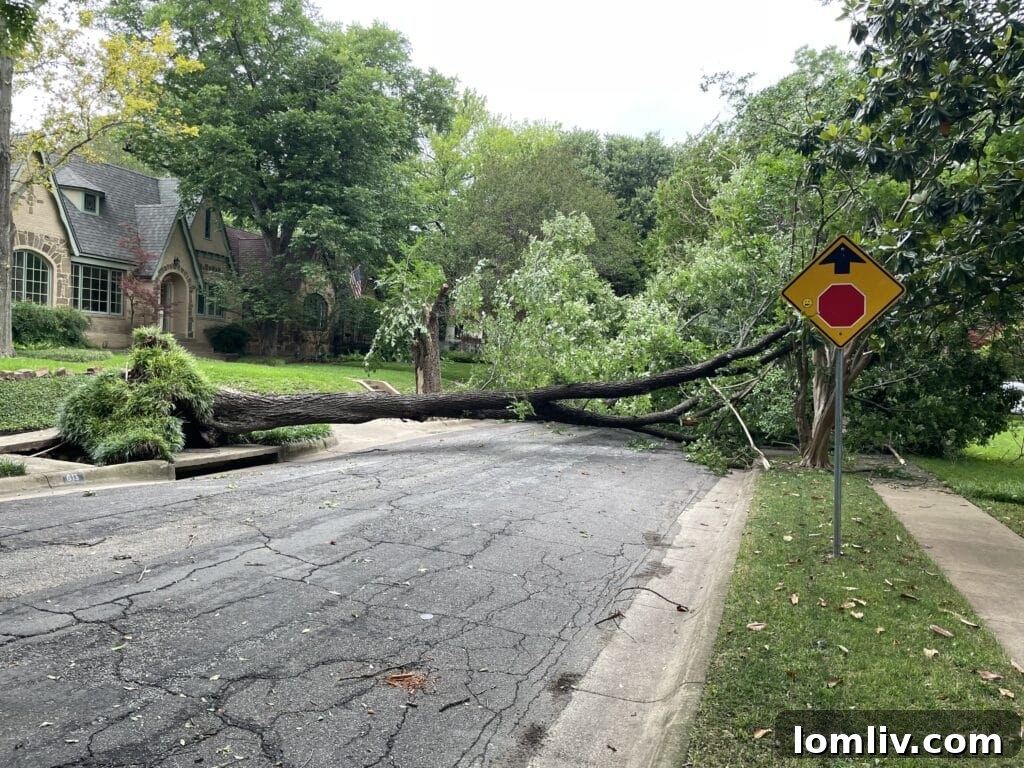
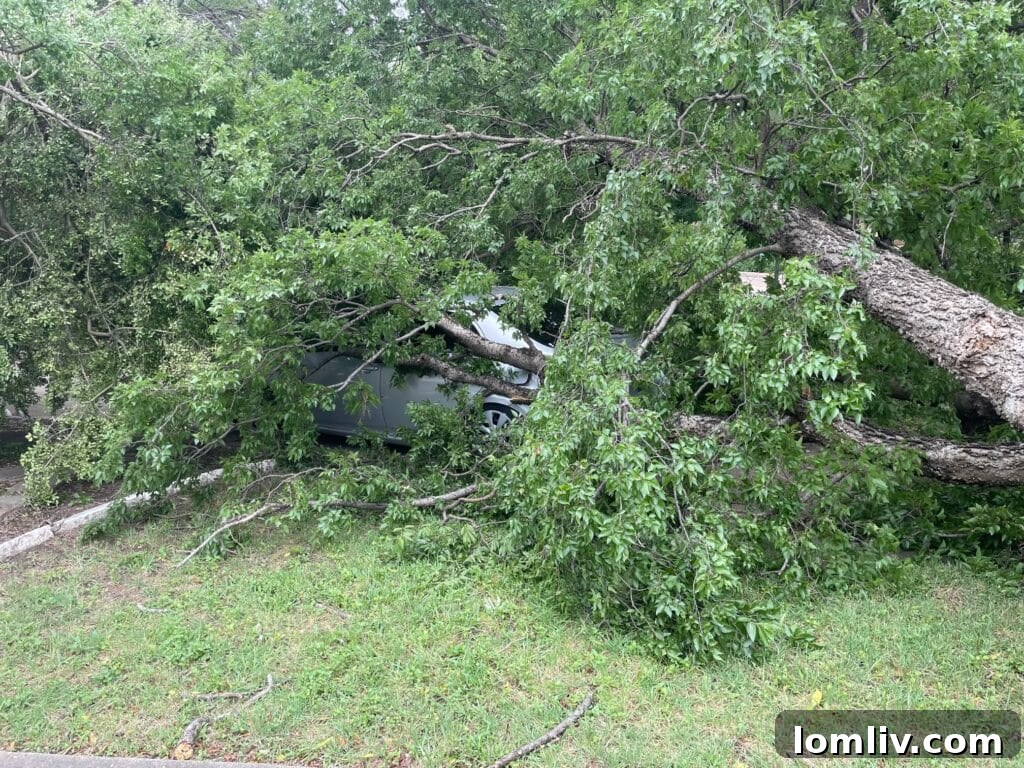
The impact of the storm was not confined to central Dallas. In the Casa View area, a well-established community known for its mid-century homes, residents reported alarming scenarios. Numerous large tree limbs fell onto power lines, triggering widespread outages and, in at least one reported instance, sparking an attic fire, adding a terrifying dimension to the storm’s aftermath. These incidents highlight the immediate dangers posed by downed lines and the potential for secondary damage even after the storm has passed. Homeowners in this Far East Dallas neighborhood, like many others, are now in a tense waiting game for power restoration, while simultaneously assessing the full extent of property damage.
The sheer power and visual spectacle of the storm captivated some, even amidst the concern. One North Texas resident, traveling back to Dallas from East Texas, managed to capture dramatic photos and videos of the colossal storm front as it rolled over the Dallas area. Their footage provided a chilling perspective on the atmospheric conditions that led to such widespread devastation, offering a glimpse into the tempestuous skies that unleashed havoc upon the region. These personal accounts and visual records underscore the memorable and impactful nature of the June 11th severe weather event, cementing its place in the collective memory of North Texans.
And once we got home and the storms had passed to our south, I set up my camera out the window to capture the amazing CG lightning show.
6/7#txwx #ntxwx #dfwwx pic.twitter.com/KO1dQs7j1t
— Matt Lantz (@mattlantz) June 12, 2023
Reports of diverse hail sizes poured in from various cities across North Texas, illustrating the broad geographical reach and varied intensity of the storm. While Fort Worth residents experienced hail ranging from the size of small peas to large marbles, other communities like Flower Mound, Lewisville, Rockwall, and Royse City were hammered by significantly larger, baseball-sized hailstones. The dramatic difference in hail size within relatively close proximity underscores the erratic and often localized nature of severe thunderstorms. This variability meant that some areas faced minor damage, while others were left with catastrophic losses, particularly to property exteriors and vehicles.
Hailing in gun barrel city pea size to marble size #ntxwx @wfaaweather @NWSFortWorth pic.twitter.com/jXhyV0x5Tm
— Frank (@frankster1013) June 10, 2023
North Texans are dealing with damage this morning in the wake severe storms Sunday evening. ⛈️ Large hail fell in cities like Flower Mound, Lewisville, Rockwall and Royse City. This 👇🏿 was taken in Lantana. Stories on @WBAP247NEWS. #ntxwx #txwx pic.twitter.com/GHKiiIEaH7
— Nicole Osei (@NicOseiNews) June 12, 2023
Strengthening Texas’s Power Grid: ERCOT’s Proactive Measures Amid Rising Demand
The recent severe weather and subsequent power outages inevitably reignited long-standing concerns among North Texas residents regarding the stability and reliability of the state’s electrical grid. After enduring multiple summers marred by widespread outages and the infamous rolling blackouts, particularly during extreme weather events, the public’s trust in the Electric Reliability Council of Texas (ERCOT) to maintain a consistent power supply remains fragile. This recurring anxiety is particularly acute as Texas approaches its scorching summer months, when demand for air conditioning typically peaks, placing immense strain on the grid.
In response to these persistent challenges and the forecasted high demand, ERCOT has taken proactive steps to fortify the grid’s resilience. The agency recently issued a notice to the press, announcing the launch of a critical new initiative: the “Contingency Reserve Service” (ECRS). This innovative program is designed to act as an additional layer of safeguard, specifically intended to help balance electricity supply and demand in real-time. By providing a rapid-response reserve capacity, the ECRS aims to prevent grid failures during unexpected surges in demand or sudden disruptions in supply, thereby mitigating the risk of widespread blackouts.
Pablo Vegas, President and CEO of ERCOT, emphasized the organization’s commitment to grid stability. “As summer temperatures begin to rise across Texas and with high demand forecasted, we will continue to use all operational tools available, including implementation of new programs like ECRS,” Vegas stated. His remarks highlighted ERCOT’s multi-faceted approach, which also includes diligently executing legislative reforms from previous sessions. These reforms encompass crucial measures such as enhanced weatherization inspections of power infrastructure, a direct response to lessons learned from past extreme weather events. Vegas reiterated ERCOT’s “reliability-first approach to operations,” asserting that the organization will always prioritize the unwavering reliability of the grid above all else. This renewed focus on strategic planning and infrastructure hardening is essential for reassuring Texans that their power supply will remain stable, even in the face of escalating weather volatility and energy demands.
Navigating the Aftermath: Essential Steps for Homeowners Following Severe Weather
For homeowners severely impacted by the recent hail storm and high winds, the period immediately following the event can be overwhelming. Beyond the visible destruction, understanding the necessary steps for recovery is crucial to prevent further damage and navigate the complex process of insurance claims and repairs. One of the most immediate concerns for anyone experiencing hail damage is their roof. A compromised roof can lead to disastrous water damage inside the home, creating costly secondary issues like mold growth and structural weakening. As columnist Brenda Masse outlines the first steps for homeowners after a hail storm here, a prompt and thorough inspection is paramount.
However, the recovery process extends far beyond just roof repairs. Homeowners should conduct a comprehensive assessment of all exterior elements. This includes checking windows for cracks, broken panes, or seal failures, as well as examining siding, gutters, and downspouts for dents, punctures, or detachment. Fences, often vulnerable to high winds and falling debris, should also be inspected for structural integrity. Don’t forget to check outdoor air conditioning units and other exposed utility boxes, as they can also suffer significant hail impact or wind damage. Documenting all damage with clear photographs and videos from multiple angles is a critical first step for any insurance claim.
Once initial damage is documented, contacting your insurance provider without delay is essential. Be prepared to provide detailed information about the storm date, the type of damage observed, and your photographic evidence. Your insurance company will guide you through their specific claims process, which typically involves sending out an adjuster to verify the damage. During this time, it’s advisable to get multiple estimates from reputable, local contractors for repairs. Be wary of unsolicited offers for repairs, especially those from out-of-state companies that may appear after a major storm; always verify licenses and references.
Safety should remain a top priority throughout the cleanup and repair process. Be extremely cautious around downed power lines, always assume they are live, and report them immediately to Oncor or emergency services. Avoid walking through areas with deep standing water, as it may conceal hazards or even live electrical wires. When clearing debris, wear appropriate protective gear, including sturdy gloves, closed-toe shoes, and eye protection. If tree removal is necessary, especially for large trees or those near power lines, always hire certified arborists or professional tree removal services equipped to handle such dangerous tasks safely.
Lastly, keep detailed records of all communications, estimates, and repair invoices. This meticulous documentation will prove invaluable throughout the claims process and for future reference. While the aftermath of a severe storm can be a challenging period, being informed, proactive, and safety-conscious will significantly aid in a smoother, more efficient recovery, allowing North Texas communities to rebuild and emerge stronger from the recent weather event.