Discover the Unspoiled Beauty: Why Winter is the Best Time to Visit National Parks
National Parks across the United States have long been cherished treasures, offering breathtaking landscapes, diverse ecosystems, and countless opportunities for adventure and reflection. For many, the image of a national park visit conjures up warm summer days, bustling trails, and vibrant green scenery. Indeed, summer has traditionally been the peak season for these majestic destinations, attracting millions of visitors keen to explore America’s natural wonders. However, recent years have seen an unprecedented surge in popularity, especially since the onset of the COVID-19 pandemic reignited a nationwide passion for road trips and domestic travel. While this renewed interest is wonderful for the parks, it has also led to unprecedented crowds, booked-out accommodations, and a less tranquil experience during the warmer months.
As park attendance continues to soar, the savvy traveler is beginning to look beyond the conventional peak season. The secret to a truly magical, immersive, and serene national park experience might just lie in embracing the colder months. A winter visit to a national park offers a unique opportunity to beat the crowds, escape the heat, and witness these iconic landscapes transformed into stunning, snow-dusted wonderlands. It’s a chance to reconnect with nature in its purest form, experiencing the solitude and raw beauty that often gets lost amidst the summer rush.
The Undeniable Advantages of a Winter National Park Adventure
Opting for a national park visit during winter brings a host of benefits that are simply unavailable during the bustling summer months. From unparalleled tranquility to unique photographic opportunities, the colder season truly shines.
Escape the Crowds and Find Solitude
Perhaps the most compelling reason to plan a winter trip is the dramatic reduction in visitor numbers. While popular parks can feel like theme parks in July, with crowded trails, packed parking lots, and long lines at visitor centers, winter ushers in a profound sense of peace. Imagine hiking a snow-covered trail, the only sounds being the crunch of snow underfoot and the gentle whisper of the wind through pine trees. This solitude allows for a deeper connection with nature, fostering moments of quiet contemplation and genuine appreciation for the vastness and majesty of these protected lands. You’ll have more space to breathe, more freedom to explore, and a much more personal experience with the park’s natural grandeur.
Breathtaking and Unique Scenery
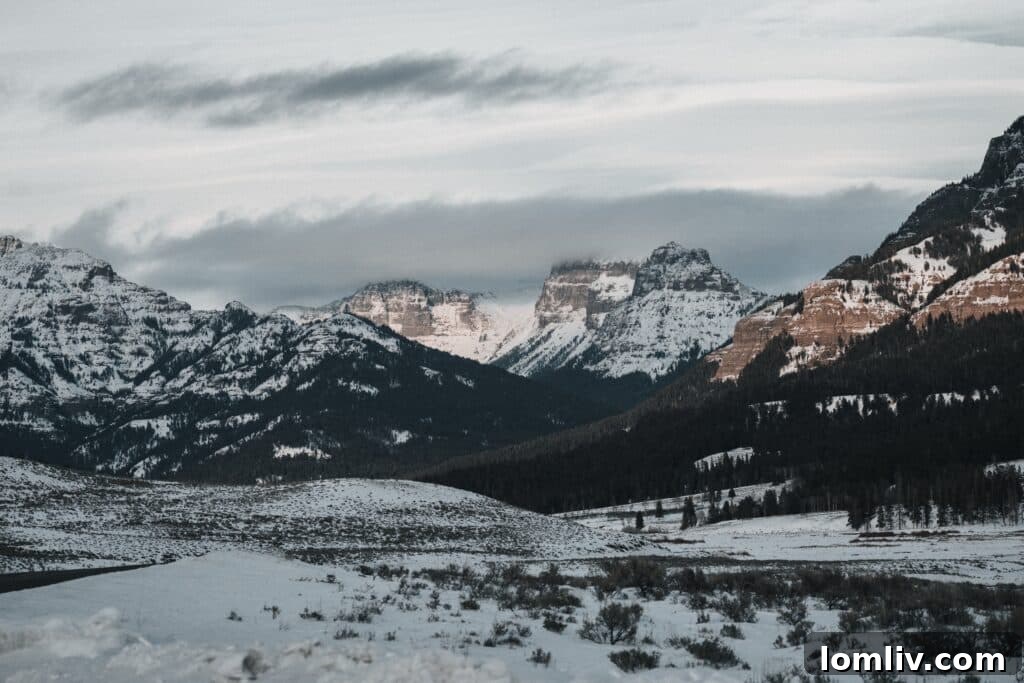
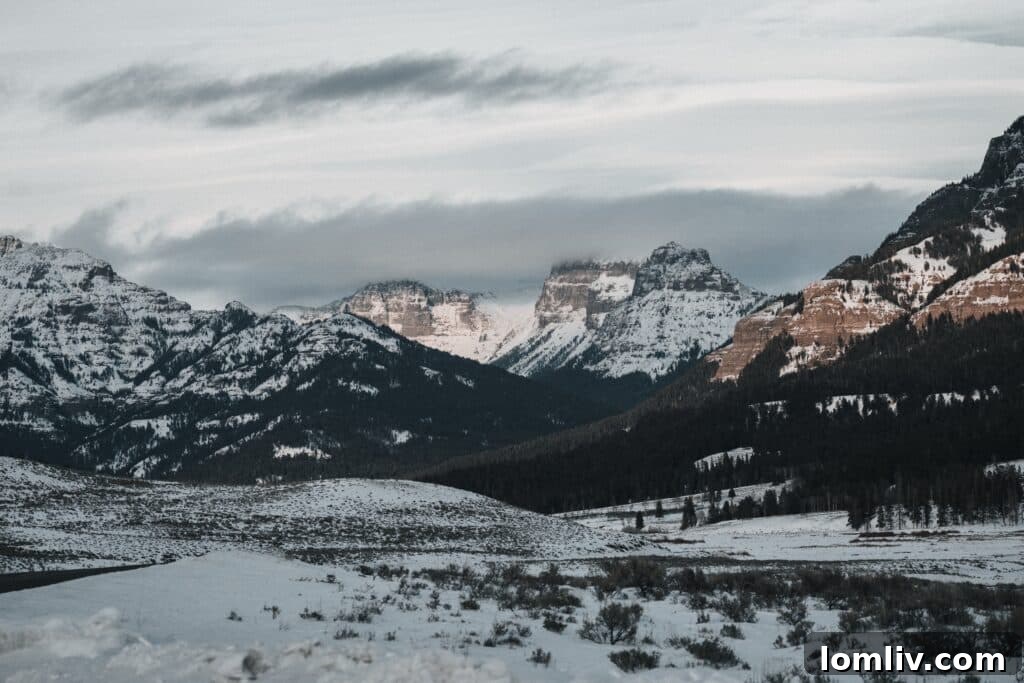
Winter transforms familiar landscapes into entirely new spectacles. Mountains cloaked in fresh snow, frozen waterfalls glistening in the sunlight, and icicles adorning rock formations create postcard-perfect scenes that are distinct from their summer counterparts. The stark beauty of winter often highlights the rugged contours of the land, offering dramatic contrasts between white snow, dark evergreens, and often, vibrant red rock formations in parks like Zion or Grand Canyon. This seasonal metamorphosis provides incredible opportunities for photography, capturing images that convey both the harshness and exquisite beauty of nature in winter.
Enhanced Wildlife Viewing Opportunities
Many animals, while still active, are often easier to spot against a snowy backdrop. Their tracks become visible, telling stories of their movements, and certain species, like bison in Yellowstone or elk in Rocky Mountain National Park, are known to gather in more accessible valleys for warmth and food. With fewer human disturbances, wildlife may also be more visible and less skittish, offering incredible chances for observation and appreciation of their resilience in a challenging environment.
A Wider Range of Activities and Experiences
Beyond traditional hiking, winter opens up a whole new world of recreational activities. Many national parks offer fantastic opportunities for cross-country skiing, snowshoeing, and even ice climbing. Imagine gliding through a silent, snow-laden forest or trekking across a pristine snowfield to a scenic overlook. Some parks provide ranger-led snowshoe walks, offering educational insights into the winter ecosystem and ensuring visitors navigate safely. These activities provide an exhilarating way to explore the parks and gain a unique perspective on their winter ecology.
Potential for Cost Savings and Better Availability
With fewer visitors, demand for accommodations inside and just outside the parks often decreases. This can translate to lower prices for lodging and easier access to coveted reservations, even at popular park lodges that are booked solid months in advance during summer. Car rental availability might also be better, and certain tours or services could be more readily available, offering a smoother and potentially more affordable travel experience.
Planning Your Unforgettable Winter National Park Expedition
While the rewards of a winter national park visit are immense, it’s crucial to acknowledge that such a trip requires careful planning and preparation. Winter conditions can be challenging and demand respect for nature’s power.
Thorough Research is Your Best Friend
Before embarking on any winter adventure, extensively research the specific national park you plan to visit. Check the official park website for crucial information regarding road closures (many high-elevation roads are seasonal), visitor center hours, trail conditions, and any specific winter regulations. Weather can change rapidly in mountainous and desert environments, so stay updated on forecasts and be prepared for anything from mild temperatures to heavy snowfall and ice.
Dress for Success: Layering is Key
Proper winter attire is non-negotiable. Layering is essential to adapt to changing temperatures and activity levels. Start with a moisture-wicking base layer, add insulating middle layers (fleece or down), and top it off with a waterproof and windproof outer shell. Don’t forget insulated, waterproof boots, warm hats, gloves or mittens, and gaiters to keep snow out of your boots. Pack extra socks and hand warmers for added comfort.
Vehicle Preparedness and Safety
Depending on the park and the severity of winter, a four-wheel-drive (4WD) or all-wheel-drive (AWD) vehicle might be necessary. Always carry tire chains and know how to install them, as many park roads require them during snow events. Keep your fuel tank full, and pack an emergency kit including blankets, extra food and water, a shovel, jumper cables, and a first-aid kit. Inform someone of your itinerary and expected return time, especially if you plan to venture into remote areas.
Safety First: Staying Vigilant in Winter Conditions
Winter brings inherent risks, including hypothermia, frostbite, and potential avalanche danger in certain mountainous regions. Always stay on marked trails, be aware of your surroundings, and turn back if conditions become too challenging or you’re unsure of the path. Carry navigation tools (map, compass, GPS), a headlamp, and a fully charged phone. Remember that cell service can be spotty or nonexistent in many park areas. Hydration is just as important in cold weather as in warm, so drink plenty of fluids.
Embrace the Winter Wonderland
Ultimately, a winter visit to a national park offers a profoundly different experience than its summer counterpart. It’s an opportunity to witness nature’s resilience, to find solace in its silence, and to challenge yourself in a refreshing way. The beauty of a snow-covered landscape, the crispness of the air, and the quiet reverence that permeates the atmosphere combine to create memories that will last a lifetime. It’s an invitation to see familiar wonders through a new lens, discovering the profound depths of their winter charm.
If you’re ready to trade the summer crowds for winter serenity and discover which parks truly come alive when the temperatures drop, it’s a good idea to start looking ahead several months. Availability for lodging and specific tours can still book up quickly, even in the off-season, especially for highly sought-after winter destinations. Don’t miss out on this incredible opportunity to explore. See a few of the best national parks to visit in the winter on SecondShelters.com now and start planning your unforgettable winter escape!