Every week, the dedicated experts at Green Scene Home Inspections bring valuable insights to Daltxrealestate.com readers, offering an in-depth education in home inspection. Curious to uncover what professional inspectors meticulously examine? Be sure to tune in for our ongoing series, “Upon Closer Inspection.”
As the long, sunny days of summer approach, homeowners and prospective buyers alike begin to shift their focus towards seasonal preparations. This time of year often reveals a unique set of repair and maintenance challenges within residential properties. Whether you’re actively searching for your dream home or you’re a seasoned homeowner looking to safeguard your investment, understanding these common summer-related issues is crucial. Proactive inspection and timely maintenance can prevent minor annoyances from escalating into costly repairs, ensuring your home remains a comfortable, safe, and efficient haven throughout the warmest months.
At Green Scene Home Inspections, we emphasize the importance of a comprehensive approach to home care, especially during seasonal transitions. Our goal is to empower you with the knowledge needed to identify potential problems early, fostering peace of mind and protecting your property value. Let’s delve into some critical areas that demand attention as temperatures rise and summer activities begin.
Optimizing Your HVAC System for Summer
In regions like North Texas, where springs can be unexpectedly mild, your air conditioning system might not have been put through its paces just yet. However, as summer heat waves loom, your HVAC system becomes the unsung hero of indoor comfort. It’s not merely about turning it on when it gets hot; ensuring its peak performance requires consistent, professional maintenance. Regular servicing is paramount to prevent major problems, improve energy efficiency, and extend the lifespan of your unit.
Many homeowners overlook the intricacies of their HVAC system until a breakdown occurs, often during the hottest part of the year. A professional inspection goes beyond a simple filter change. Technicians examine refrigerant levels, check electrical connections, lubricate moving parts, and inspect ductwork for leaks. These preventative measures are vital. For instance, a clogged condenser coil can drastically reduce efficiency, leading to higher energy bills and increased wear and tear on the compressor. Likewise, a dirty evaporator coil can impede heat absorption, resulting in inadequate cooling and potential mold growth within the system.
Our inspectors often discover critical issues that even routine AC technicians might miss, highlighting the value of a meticulous inspection. Take, for example, a disconnected flue pipe in the attic. This seemingly minor issue can have serious implications. A flue pipe is responsible for venting exhaust gases, including carbon monoxide, safely out of your home. If it’s disconnected, these harmful gases can leak into your attic space and potentially seep into your living areas, posing a significant health risk to occupants. Additionally, a compromised flue pipe can lead to reduced system efficiency, as heated or cooled air might escape, or the unit might struggle to operate properly.
Addressing such hidden dangers is precisely why a thorough home inspection is invaluable, providing an extra layer of scrutiny and peace of mind before summer’s peak demand hits your system.
DIY HVAC Checks for Homeowners
While professional servicing is non-negotiable, there are simple checks homeowners can perform: regularly replace or clean air filters (at least every 1-3 months), ensure outdoor units are free of debris and foliage, and check that your thermostat is functioning correctly. These small steps contribute significantly to overall system health and efficiency.
Essential Sprinkler System Inspection and Maintenance
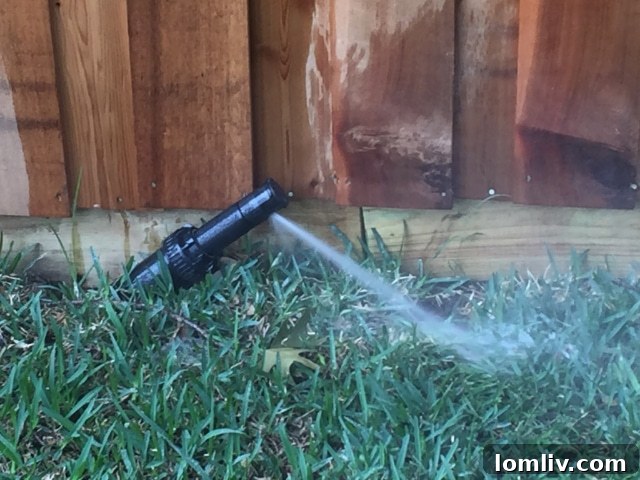
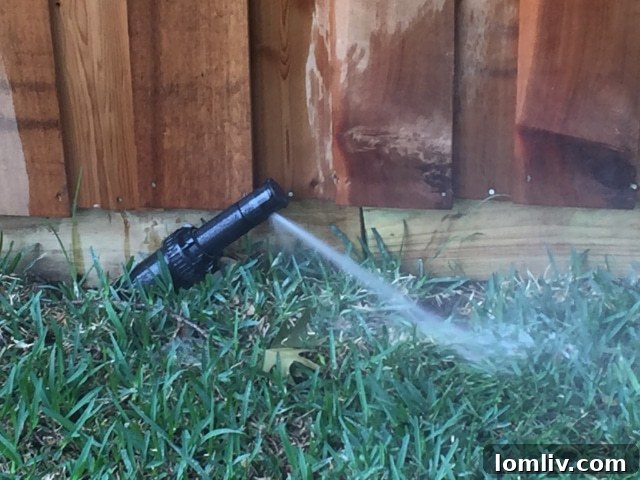
A well-maintained lawn and garden are hallmarks of a beautiful home, and during the dry summer months, your sprinkler system plays a pivotal role in achieving this. If you haven’t meticulously checked your sprinkler system recently, or if you’re in the process of purchasing a home equipped with one, performing a thorough inspection before the heat sets in is an absolute must. The severe winter storms experienced in many regions this year, particularly in areas like North Texas, could have inflicted significant, often unseen, damage to these systems.
Freezing temperatures can cause water in pipes to expand, leading to burst pipes, cracked sprinkler heads, and damaged valves. Such damage isn’t always immediately apparent and can manifest as a variety of problems as you begin to use the system regularly. These include significant water leaks, which not only waste precious resources and inflate your water bills but can also lead to localized flooding. Persistent leaks near your home’s foundation can cause serious structural damage over time, including foundation shifts and cracks. Inefficient water distribution, another common issue from damaged components, means some areas of your yard may be overwatered, creating muddy patches and promoting fungal growth, while others remain parched and unhealthy, leading to unsightly brown spots and costly lawn repair.
A professional sprinkler system inspection involves checking the main shut-off valve, backflow prevention device, individual sprinkler heads for proper function and coverage, and the overall system pressure. Our inspectors can identify misaligned or clogged heads, diagnose controller programming issues, and pinpoint underground leaks that might not be visible from the surface. Addressing these issues proactively ensures your irrigation system operates efficiently, conserves water, and keeps your landscaping vibrant without unnecessary expense or damage to your property.
Tips for Maintaining Your Sprinkler System
Beyond professional inspections, homeowners should regularly walk their property while the system is running to identify broken heads or areas of poor coverage. Check your controller settings to ensure optimal watering schedules, adjusting for seasonal changes and local regulations. Consider smart irrigation controllers that adapt to weather conditions, further enhancing efficiency.
Rain Gutters and Drainage: Your Home’s First Line of Defense
While summer often brings hot, dry spells, it can also be a season of intense thunderstorms and heavy rainfall, particularly in many parts of the country. We’ve seen periods of almost a month of consistent rain and storms, with more potentially on the horizon. In such conditions, your home’s drainage system—specifically your rain gutters and downspouts—becomes critically important. If this system isn’t functioning correctly, it can ironically cause more harm than good to your property.
Rain gutters are designed to collect rainwater from your roof and channel it away from your home’s foundation. When gutters become clogged with leaves, twigs, shingle grit, or other debris, they can’t perform this essential task. Instead, water overflows, cascading directly down your siding, pooling around the base of your foundation, or eroding your landscaping. This overflow can lead to a multitude of severe and costly problems. Prolonged exposure to moisture can cause wood rot on fascia boards, soffits, and window frames. It can damage exterior paint and siding, leading to premature deterioration.
More critically, water pooling around your foundation can saturate the soil, leading to hydrostatic pressure against the foundation walls. Over time, this pressure can cause cracks in the foundation, leading to structural instability and expensive repairs. Water can also seep into basements or crawl spaces, creating damp environments conducive to mold growth, musty odors, and pest infestations. Furthermore, improper drainage can wash away valuable topsoil, damage flowerbeds, and create unsightly trenches in your yard.
Ensuring your gutters are free of debris and that downspouts are properly directed is a simple yet incredibly effective preventative measure. Downspouts should ideally extend at least 5 to 10 feet away from the foundation or discharge into a proper drainage system, like a French drain. Our inspectors frequently uncover instances of severe moisture damage directly attributable to neglected gutters, as demonstrated in the accompanying video showcasing roof damage caused by inadequate drainage.
Proactive Gutter Maintenance Tips
Make gutter cleaning a biannual task, ideally in late spring and late fall. Consider installing gutter guards to reduce the frequency of cleaning, but remember they still require occasional maintenance. Check for loose or damaged gutters and ensure all seams are sealed to prevent leaks. Inspect splash blocks or downspout extensions to ensure water is channeled far enough away from your home.
Beyond the Basics: Additional Summer Home Inspection Points
While HVAC, sprinkler systems, and gutters are critical, summer offers a chance to inspect other vital components of your home:
Roofing System Integrity
Summer’s intense sun can take a toll on roofing materials, accelerating wear and tear. High winds from summer storms can also dislodge shingles. An inspection should look for missing, cracked, or curled shingles, signs of granules accumulating in gutters (indicating wear), and proper flashing around chimneys, skylights, and vents. Any vulnerabilities can lead to leaks, especially during heavy summer downpours.
Pest Control and Prevention
Warmer weather often brings increased pest activity. Termites, ants, spiders, and rodents actively seek food, water, and shelter. During an inspection, we look for potential entry points like cracks in the foundation, unsealed utility penetrations, gaps around windows and doors, and conducive conditions like excessive moisture or wood-to-soil contact. Early detection and sealing can prevent infestations.
Deck, Patio, and Exterior Structures
With summer comes increased outdoor living. It’s essential to inspect decks, patios, and other outdoor structures for safety and integrity. Check for loose railings, rotting wood (especially at joists and posts), insect damage, and secure stair treads. Ensure concrete patios are free of significant cracks that could worsen with freeze-thaw cycles or allow water intrusion. Proper sealing and staining of wood decks can also extend their lifespan.
Windows and Doors Efficiency
Summer heat can highlight inefficiencies in windows and doors. Check for drafts, damaged weatherstripping, and properly functioning seals. Gaps can lead to significant energy loss, making your AC work harder and increasing utility bills. Look for signs of condensation between glass panes, indicating a failed seal in double-paned windows.
The Value of Proactive Seasonal Home Check-Ups
Whenever the seasons change, it’s not just a good idea, but a vital practice to conduct a comprehensive seasonal home check-up. This proactive approach allows you to identify minor problems and address them efficiently before they escalate into major, costly issues that disrupt your comfort and budget. Think of it as preventative medicine for your home – a small investment in time and attention now can save you significant headaches and expenses down the line.
At Green Scene Home Inspections, we are committed to helping homeowners and buyers maintain safe, healthy, and valuable properties. Our detailed inspections provide the clarity and confidence you need to tackle seasonal challenges head-on. Don’t wait for a breakdown to discover a problem; empower yourself with knowledge and prepare your home for a season of comfort and peace of mind.