Editor’s Note: This article marks the inaugural entry in a comprehensive series dedicated to presenting responses from candidates vying for office in the upcoming May 6 Dallas City Council election. These insights are drawn from questionnaires distributed by daltxrealestate.com to all hopefuls. Over the coming days, we will systematically unveil these responses, offering voters a clear understanding of each candidate’s vision and priorities for the city. Our journey begins with District 2, as candidates from District 1 – incumbent Chad West, Mariana Griggs, and Albert Mata – did not submit their responses. Notably, Councilman West opted not to participate, citing “out of respect” for District 11 candidate Jaynie Schultz, who is challenging daltxrealestate.com publisher Candace Evans. Early voting for these crucial elections commences on April 24, underscoring the urgency for residents to engage with their potential representatives.
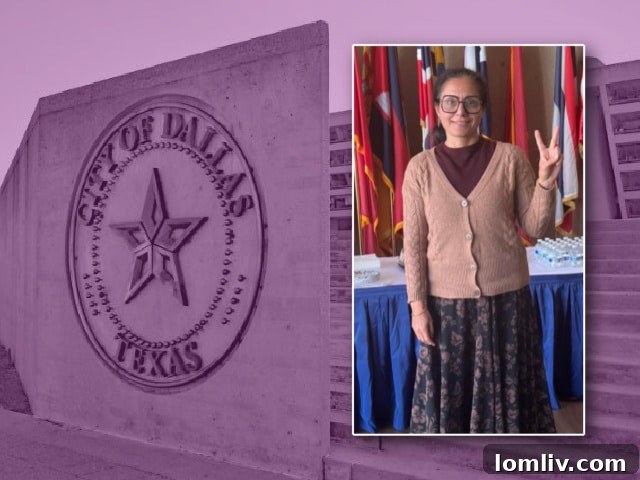
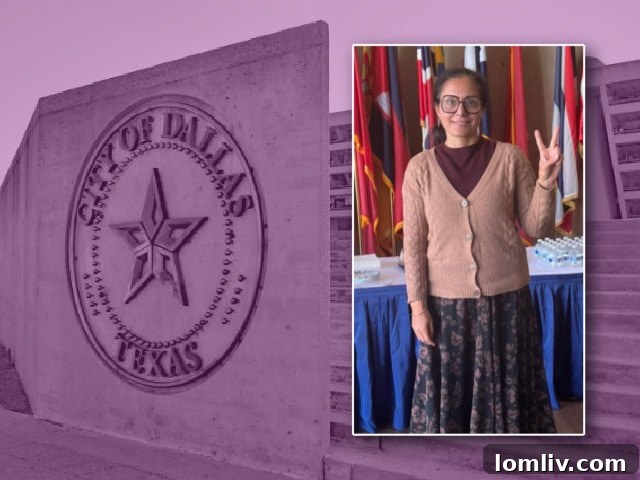
Sukhbir Kaur: A Vision for Dallas City Council District 2
As the Dallas City Council election draws near, voters in District 2 are presented with a clear choice. This segment features the thoughtful responses of Sukhbir Kaur, a dedicated candidate for the District 2 City Council seat. Her opponent, the incumbent Jesse Moreno, did not provide responses to the daltxrealestate.com questionnaire, making Kaur’s detailed perspectives particularly vital for constituents seeking insight into their future representation. Kaur’s platform emphasizes a commitment to community-driven solutions and sustainable growth, offering a fresh approach to the challenges and opportunities facing District 2 and the greater Dallas area.
Why do you think Dallas continues to attract corporate relocations and new residents at a greater frequency than the rest of the nation?
Dallas’s unparalleled success in attracting both corporate relocations and a steady influx of new residents can be attributed to a confluence of compelling factors that collectively create an irresistible environment for growth and prosperity. At the forefront is the remarkably affordable cost of doing business, complemented by a highly favorable tax climate that incentivizes companies to establish and expand their operations here. This economic magnetism is further bolstered by access to a deep pool of skilled workforce talent, cultivated by our world-class educational institutions and leading research universities, which continuously feed innovation and expertise into various sectors. Our strategic geographical position is enhanced by two major international airports, DFW and Dallas Love Field, providing unmatched connectivity for global commerce and travel. Beyond the strong economic fundamentals, Dallas offers an exceptional quality of life. The city boasts some of the nation’s most spectacular museums and performing arts venues, alongside a vibrant and diverse culinary scene that rivals any major metropolis. This blend of economic opportunity, robust infrastructure, and rich cultural amenities has fundamentally transformed Dallas into a burgeoning financial and tech hub, drawing in businesses and individuals seeking dynamic growth and a high standard of living.
What areas in your district could see a housing boom in the next few years?
District 2 is strategically positioned for significant housing development in the coming years, particularly in its Northwestern, Southern, and Eastern corridors. These areas are ripe for growth due to a combination of their proximity to key employment centers, ongoing revitalization efforts, and increasing demand for diverse housing options. Specifically, the regions along Harry Hines Boulevard and West Mockingbird Lane are poised for substantial residential expansion, driven by their excellent connectivity and potential for mixed-use developments that blend living, working, and retail spaces. The Medical District, with its continuous expansion of world-renowned healthcare institutions, naturally generates a high demand for housing for medical professionals, staff, and students, indicating strong potential for new residential projects. Additionally, Deep Ellum, already a vibrant cultural and entertainment hub, is experiencing a renaissance in urban living, with loft conversions and new apartment complexes catering to those seeking a lively, walkable community. These areas represent prime opportunities for developers and residents alike, promising a dynamic evolution of the district’s housing landscape.
What is occurring in your area that could poise your district for growth, and how can you support that?
District 2 is experiencing a robust influx of both people and businesses, driven by its exceptional proximity to vital urban amenities and infrastructure. This rapid growth is fueled by easy access to prominent educational and financial institutions, state-of-the-art medical facilities, major airports and freeways, a thriving arts and cultural scene, the dynamic Downtown Dallas community, extensive parks, and an expanding public transportation network. Significant housing projects are currently underway, further enhancing the district’s appeal as a desirable place to live and work. To effectively support and manage this accelerating growth, my focus will be on several key initiatives designed to enhance the quality of life and ensure sustainable development for all residents. This includes a steadfast commitment to public safety and health, which I believe is best achieved through robust community involvement and unwavering support for local initiatives. I will advocate for stringent enforcement of code compliance to maintain neighborhood standards and actively work towards addressing challenges such as panhandling and homeless encampments. My approach to homelessness includes preventing these encampments from becoming havens for illicit activities like drug buying and selling in alleys, underpasses, and residential areas, coupled with proactive public education and awareness campaigns. Furthermore, I am committed to streamlining the permits process, making it more efficient and user-friendly for businesses and developers. A critical component of my platform involves building on efforts to expand affordable housing options and foster increased homeownership opportunities. Lastly, I will prioritize better care and maintenance of our city’s recreational centers and parks, ensuring they remain vibrant, safe, and accessible community assets.
How can the City of Dallas improve the redistricting process, and how would that positively impact your district?
The redistricting process is a cornerstone of democratic representation, and it is imperative that the City of Dallas reforms this process to genuinely reflect the best interests of its people, rather than serving the agendas of incumbent political parties or specific candidates. An improved redistricting process would prioritize community cohesion, ensuring that neighborhoods with shared interests and demographics are kept together, fostering stronger community bonds and more effective representation. This would involve establishing an independent commission or adopting clear, non-partisan criteria that emphasize population equality, contiguity, and respect for existing community boundaries, minimizing political gerrymandering. For District 2, such an improvement would have profoundly positive impacts. It would guarantee that the district’s unique needs and diverse voices are accurately represented in city council, leading to more targeted and equitable allocation of resources for public safety, infrastructure, and community services. A fair process ensures that District 2’s constituents have a stronger, more unified voice in city hall, fostering greater trust in local government and promoting a political landscape where representatives are truly accountable to the communities they serve, unburdened by politically motivated district lines.
How would you vote on the matter of allowing or restricting short-term rentals in residential neighborhoods?
When considering the complex issue of short-term rentals (STRs) in residential neighborhoods, my voting decision would prioritize a balanced approach that allows for their operation while simultaneously implementing robust public safeguards to protect the character and tranquility of our communities. I believe that rather than an outright ban, a regulated framework is necessary. This would entail instituting higher business tax rates specifically for STR operators, ensuring that these commercial activities contribute equitably to city revenues, much like traditional hotels do. Additionally, it would be essential to mandate significantly higher insurance rates for STRs, providing comprehensive coverage for potential liabilities that could impact neighbors or property. Crucially, a strict disclosure requirement would be put in place, ensuring that both the city and neighborhood residents are fully aware of STR locations and contact information for responsible parties, facilitating accountability and addressing concerns proactively. These measures would help mitigate common issues associated with STRs, such as noise complaints, parking congestion, and impacts on neighborhood safety, while still allowing property owners the flexibility to utilize their assets. My aim is to create a fair system that supports property rights while upholding the peace and stability of residential areas.
How do you feel about the Public Facility Corporation financing structure for multifamily development?
The Public Facility Corporation (PFC) financing structure, while often presented as a mechanism for affordable housing, raises significant concerns due to its reliance on taxpayers’ money and its broader implications for the city’s financial health and public services. In essence, the PFC structure diverts potential property tax revenue, which would otherwise contribute to critical public services, directly from the city’s general fund. This reduction in revenue inevitably takes away money that could be allocated to vital areas such as public safety, ensuring our police and fire departments are adequately funded. It also impacts essential sanitation services, public transportation networks, the operation of hospitals, support for education, and the maintenance and upgrade of our parks, recreational centers, roads, and streets. Consequently, to compensate for these lost revenues, more property taxes are often levied on existing homeowners, businesses, and the general public, effectively increasing the overall cost of living for everyone in Dallas. Furthermore, there are legitimate concerns that the PFC structure can be rife with corruption, and despite its intent, often fails to deliver truly affordable rents, leaving housing costs prohibitively high for many. Therefore, it is absolutely essential to implement stringent safeguards, raise public awareness, and provide comprehensive education regarding the PFC. This transparency is crucial because the PFC’s impact on the property tax base directly affects the city’s bottom line and the well-being of its residents, demanding careful oversight and public scrutiny to ensure accountability and genuine public benefit.
How do you plan to engage with the public and local media?
Effective engagement with the public and local media is paramount for any city council member, forming the bedrock of transparent and responsive governance. My plan centers on fostering communication through honest and continuing engagement, ensuring that constituents always feel heard, valued, and informed. This means prioritizing transparent and timely information sharing on all matters affecting District 2 and the broader city. I intend to hold regular town hall meetings, both in-person and virtually, to directly address community concerns and provide updates on ongoing projects and initiatives. Utilizing various digital platforms, including social media and a dedicated website, will ensure accessibility and broad dissemination of information, allowing residents to stay connected and voice their opinions readily. Furthermore, I will actively solicit and genuinely welcome feedback from the community, recognizing that resident input is invaluable for shaping policies that truly serve the public interest. This commitment extends to the local media, with whom I will maintain an open and cooperative relationship, providing clear and concise information to help them accurately inform the public. By consistently engaging in open dialogue, sharing information proactively, and listening attentively to constituents, I aim to build a relationship of trust and collaboration that strengthens our community and ensures accountability in governance.
How do you feel about using historic and conservation districts to preserve a neighborhood’s character?
Historic and conservation districts play an indispensable role in preserving the unique identity and rich heritage of our city. I strongly believe in leveraging these designations as powerful tools to protect and enhance a neighborhood’s character. Such districts bring immense value, charm, culture, and beauty to Dallas, especially in a rapidly growing metropolitan area where the risk of losing distinctive architectural and historical elements is ever-present. They serve as living museums, telling the story of our past and fostering a sense of community pride and belonging. Beyond their cultural significance, these districts often contribute to economic vitality by attracting tourism and supporting local businesses. Moreover, the preservation efforts within these areas frequently lead to increased property values and a more stable, aesthetically pleasing environment for residents. My commitment to these districts also includes ensuring that all properties within them are meticulously maintained and adhere to established building codes and preservation guidelines. This balance of preservation with practical upkeep guarantees that our historic treasures remain vibrant, functional, and cherished parts of the great city of Dallas for generations to come, enriching the lives of all who live, work, and visit here.
What is the role of a developer in providing affordable housing? What is the role of the city in providing affordable housing?
Addressing the critical need for affordable housing requires a collaborative and strategic approach involving both private developers and the city government, each with distinct yet complementary roles. Developers, as key change-makers, play a transformative role by not only constructing new housing units but also by creatively converting underutilized or empty office buildings into residential spaces, thereby increasing housing density and revitalizing urban cores. Their innovation in design, construction, and financing is crucial for bringing diverse housing options to market, including mixed-income developments that cater to a range of affordability levels. Developers are essential in identifying opportunities and executing projects that can significantly alleviate housing shortages. Concurrently, the city has an equally vital role in fostering an environment conducive to affordable housing development. This involves providing efficient and streamlined services to support businesses and housing initiatives, reducing bureaucratic hurdles that often delay or inflate project costs. Furthermore, the city should strategically offer incentives to developers, such as zoning variances, expedited permit processes, or targeted tax abatements, to encourage the creation of affordable units. However, these incentives must come with robust safeguards to ensure they genuinely benefit the community without negatively impacting the city’s base tax rate or raising public safety concerns. The city’s overarching responsibility is to create a comprehensive framework that encourages the private sector to build and maintain affordable housing, ensuring that growth is equitable and accessible for all residents without compromising essential city services or public welfare.
What projects/needs in your district should be given priority in the 2024 bond?
For the 2024 bond package, my top priority for District 2 would be a comprehensive allocation of funds towards initiatives that directly enhance the safety, infrastructure, and overall well-being of our community. Foremost, substantial investment in public safety is paramount. This includes bolstering crime prevention programs, intensifying efforts against narcotics and drug-related activities, and launching public education awareness campaigns to foster safer neighborhoods. Concurrently, our district’s infrastructure requires significant attention. This means prioritizing improvements in transportation networks, undertaking essential street repairs to ensure smooth and safe commutes, installing solar lights for enhanced visibility and security, and paving alleys to improve sanitation and accessibility. Addressing overgrown shrubs and vegetation throughout the district is also crucial for both aesthetics and safety. Furthermore, bond funds should be directed towards upgrading sanitation services, improving underpasses to prevent blight and enhance safety, and implementing effective, compassionate strategies to address homeless encampments and panhandling, focusing on long-term solutions rather than temporary fixes. Finally, a significant portion of the bond should be dedicated to the upgrade and diligent care of our public recreational centers and parks, ensuring these vital community hubs are well-maintained and accessible for all residents. Investing in these areas will create a more vibrant, secure, and thriving District 2.