Coppell’s Evolving Landscape: Addressing the Surge in Single-Family Rental Properties and Community Standards
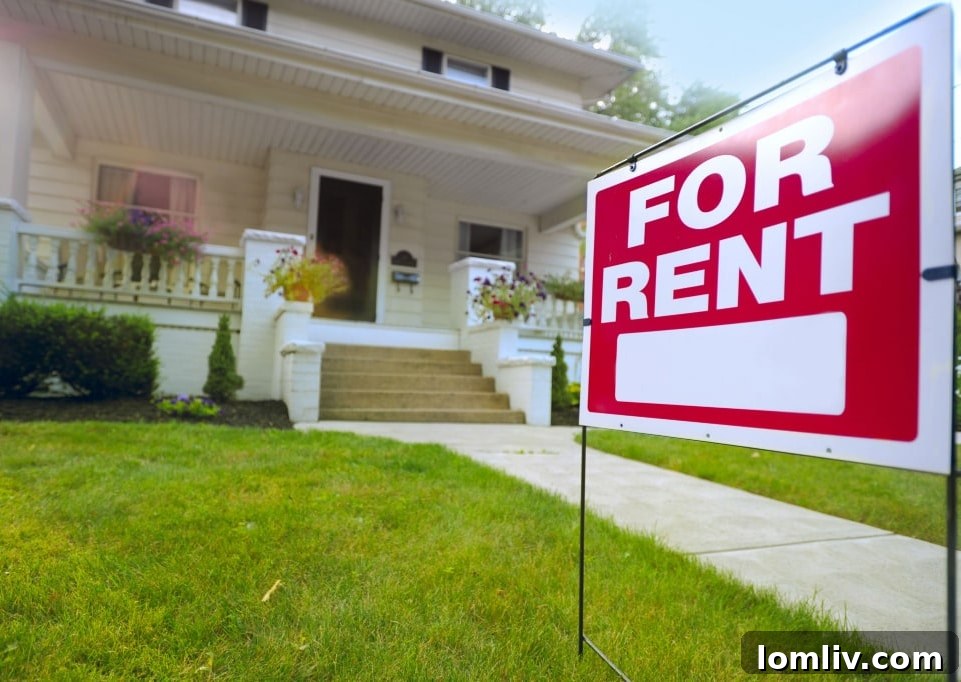
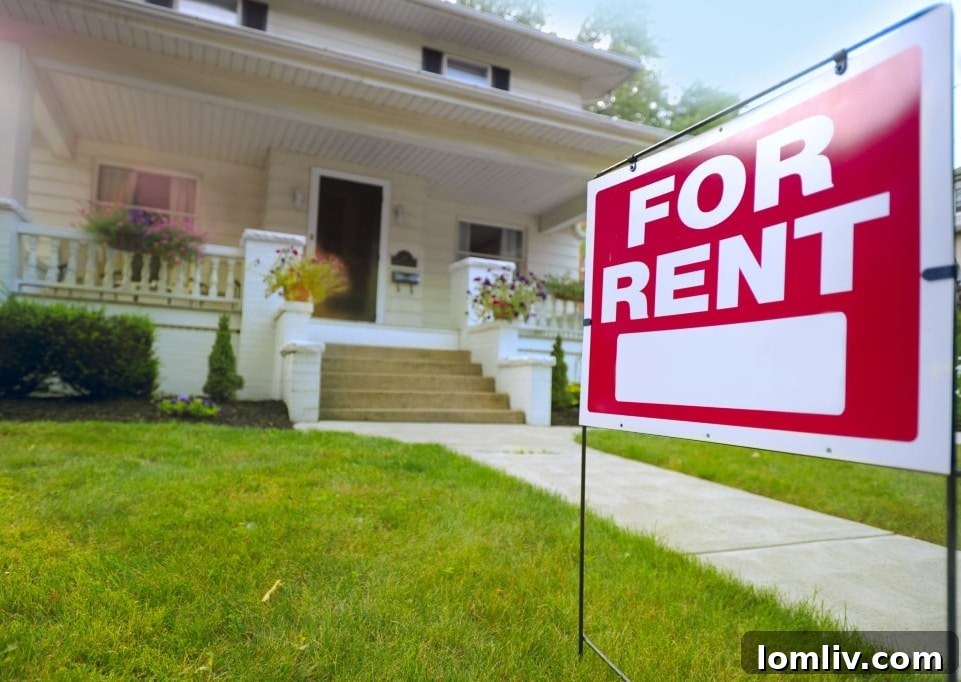
In an era where the dream of homeownership appears increasingly distant for many Americans, a significant shift in the housing market is underway. Across the nation, a growing number of single-family homes are either being purpose-built for rental income or are acquired by investors looking for rental opportunities. This trend, while reflecting broader economic forces and changing demographics, presents unique challenges and opportunities for communities. Coppell, a highly desirable suburb of Dallas, Texas, finds itself at the forefront of this evolution, experiencing a remarkable increase in single-family rental properties within its city limits.
Over just five years, Coppell has witnessed the number of its single-family rental properties surge by more than a third. This substantial growth has prompted city officials to closely examine the implications for the community’s character and the enforcement of its established standards. The data underscores a transformative period for Coppell’s residential landscape.
A Striking Increase: Coppell’s Single-Family Rental Boom
During a pivotal Coppell City Council meeting on October 10th, City Manager Mike Land presented compelling figures that illuminated the rapid expansion of the rental market. According to Land’s report, city staff now actively monitors 1,474 single-family rental properties. This represents a significant leap from the 1,081 properties recorded in 2019. Dan Koller, the esteemed publisher of the Coppell Chronicle, meticulously analyzed these numbers, concluding that the city has experienced a staggering 36 percent increase in single-family rental homes in just half a decade. This dramatic rise is not merely a statistical anomaly; it signals a profound change in the ownership and occupancy patterns within the community, raising questions about everything from property values to long-term resident engagement.
This rapid proliferation of rental properties in Coppell mirrors a broader national trend where institutional and individual investors are increasingly purchasing single-family homes. Factors such as a robust job market, an attractive quality of life, and the excellent Coppell Independent School District make the city a prime target for real estate investment. While this influx of investment can contribute to a dynamic housing market, it also necessitates a proactive approach from city leadership to ensure that growth aligns with community expectations and existing regulatory frameworks.
The Unforeseen Consequences: Code Compliance and Community Character
While the economic implications of an expanding rental market can be complex, the immediate concerns highlighted by city officials and community members alike revolve around the maintenance and upkeep of these properties. As Koller noted in his report, the City Council meeting predominantly focused on issues related to code compliance. These are not merely aesthetic concerns; they touch upon the very fabric of community pride and the preservation of Coppell’s reputation as a well-maintained, desirable place to live.
City Manager Mike Land articulated a sentiment frequently voiced by residents: “When you talk to folks in the community,” Land said, as reported by Koller, “people notice in this community that it’s not as ‘kept’ — I guess is the way to say that — as it has been in the past.” This observation points to a perceptible decline in the perceived standard of property maintenance, particularly among rental units. Typical code compliance issues can range from overgrown yards, unkempt exteriors, and visible trash to unpermitted modifications or signs of neglect that detract from the overall streetscape. These issues, though seemingly minor individually, can collectively erode property values, diminish neighborhood aesthetics, and foster a sense of civic disengagement.
For Coppell, a city long lauded for its manicured landscapes, excellent public services, and strong community spirit, maintaining these high standards is paramount. The challenge lies in ensuring that properties, regardless of whether they are owner-occupied or rental, adhere to the city’s ordinances. The difficulty of achieving this compliance with rental properties often stems from the distance between landlords, who may not reside in the city or even the state, and the day-to-day oversight of their properties. This detachment can lead to slower responses to maintenance requests or a lack of understanding regarding local expectations.
Navigating Resistance: The City’s Approach to Landlord Accountability
For city staff, the task of ensuring landlord adherence to Coppell’s property maintenance standards has proven to be a persistent challenge. Historically, the city has approached these issues with an emphasis on communication, education, and empathy, aiming to work collaboratively with property owners. However, this compassionate strategy is encountering increasing friction.
“This is the culture of working with them with empathy and compassion, but what we’re finding is that the pushback is harder, faster, not as nice,” Land said, describing the difficulties faced by city personnel. “Therefore, staff does take it on the chin.”
This candid assessment from City Manager Mike Land highlights the growing frustration among city staff who are tasked with upholding community standards. The resistance encountered suggests that the current approach, while well-intentioned, may no longer be sufficient to address the scale of the issue. The integrity of Coppell’s housing stock and its cherished community aesthetics are at stake, prompting a serious reevaluation of enforcement strategies.
The city’s legal counsel, City Attorney Bob Hager, a seasoned professional who has served similar roles for other Texas cities like Duncanville, Lancaster, and Red Oak, weighed in on the matter with a clear recommendation. Hager underscored the urgency of the situation and the necessity for a firmer stance.
“You have to be very vigilant about this,” Hager said, emphasizing the need for proactive engagement. “You might have to start getting uglier than you have been in the past. You cannot afford for your housing stock to slip.”
Hager’s counsel serves as a potent reminder that while cities prefer amicable resolutions, there comes a point where stronger enforcement mechanisms become essential. “Getting uglier” might involve more stringent fines, expedited timelines for corrective actions, or even more aggressive legal pursuit of non-compliant landlords. The message is clear: the city’s long-term health and the value of its residential properties depend on a robust and consistently applied regulatory framework. Preventing the deterioration of the housing stock is not just about aesthetics; it’s about protecting investments, ensuring safety, and maintaining the quality of life that residents expect and deserve.
Preserving Coppell’s Character: A Path Forward
The conversation within the Coppell City Council reflects a broader challenge faced by many thriving suburban communities. As housing markets evolve and investment trends shift, municipalities must adapt their strategies to maintain their unique identity and quality of life. For Coppell, this means finding a balance between accommodating growth and upholding the stringent standards that have long defined it. The 36% increase in single-family rental properties is a significant demographic and economic shift that requires a thoughtful and firm response from city leadership.
Moving forward, Coppell may need to explore a multi-faceted approach. This could include revising existing ordinances to provide clearer guidelines and stiffer penalties for repeat offenders, implementing more frequent or proactive inspection programs for rental properties, or even considering rental registration programs that require landlords to be more accountable. Enhancing communication channels for residents to report concerns efficiently, coupled with robust enforcement actions, will be crucial. The goal is not to discourage investment or rental opportunities, but to ensure that all property owners, regardless of their intent for occupancy, contribute positively to the community’s upkeep and standards.
Ultimately, the discussion in Coppell is a testament to the city’s commitment to preserving its valued character. By addressing the challenges posed by the rise of single-family rental properties with vigilance and, if necessary, a tougher stance, Coppell aims to ensure that its housing stock remains a source of pride, contributing to the continued appeal and vitality of this dynamic Dallas suburb.
To stay informed about ongoing developments and critical issues impacting Coppell, residents and interested parties are encouraged to subscribe to the Coppell Chronicle Substack newsletter here.