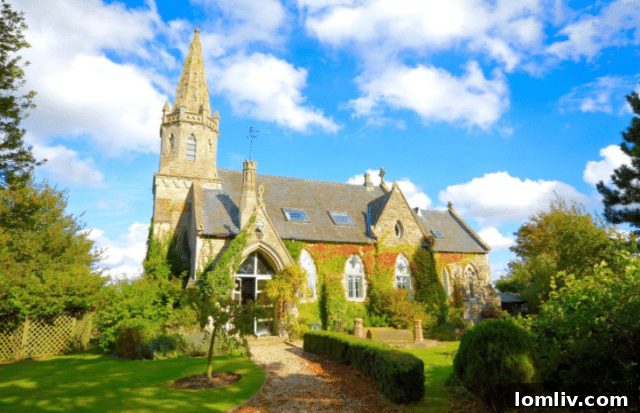
A Divine Transformation: Discovering a Stunning Church Conversion in Cold Hanworth, England
For those with a penchant for properties that weave history with contemporary luxury, the allure of a meticulously converted church is undeniable. Moving across the Atlantic to the serene landscapes of England, we unveil a truly breathtaking example of architectural repurposing – a magnificent church conversion nestled in the charming village of Cold Hanworth. This particular project stands as a testament to innovative design, breathing new life into a structure steeped in centuries of history, transforming sacred space into an extraordinary residential dwelling.
The Genesis of a Landmark: All Saints Church, Cold Hanworth
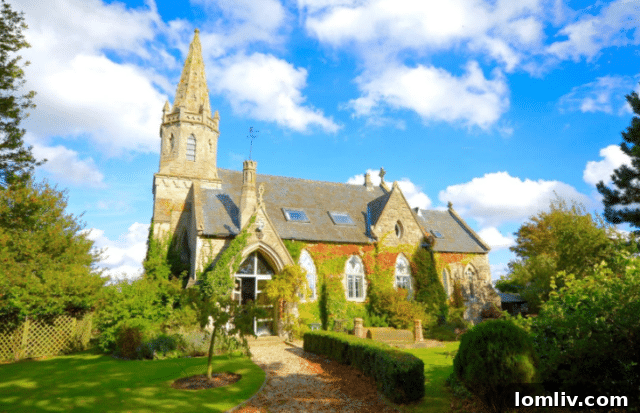
The story of this unique home begins in 1861, with the construction of what was originally known as All Saints Church. Located in the picturesque village of Cold Hanworth, a tranquil locale that perfectly encapsulates the idyllic charm of rural England, the church was more than just a place of worship; it was a significant architectural endeavor of its time. Commissioned by Commodore Peter Cracroft, a figure of notable standing, the church was designed and built by J. Croft of Islington. Beyond its primary function, it also served as a poignant memorial to Commodore Cracroft’s late father, adding a deeply personal layer to its historical narrative. This dual purpose imbued the structure with a profound sense of heritage and individual legacy, elements that remarkably persist within its new identity as a family home.
The original Victorian Gothic architecture, typical of mid-19th century ecclesiastical design, would have featured impressive stone masonry, pointed arches, and perhaps intricate detailing that signified its solemn purpose. The craftsmanship of that era speaks volumes about the enduring quality of its construction, which has allowed it to stand for over 160 years, transitioning gracefully into its next chapter. Understanding this foundational history is crucial to appreciating the sensitivity and vision required to undertake such a significant conversion, ensuring that the soul of the building remains intact while accommodating the demands of modern living.
From Sacred to Spectacular: The Art of Church Conversion
The transformation of a church into a residential property is an intricate dance between preservation and innovation. It requires a deep respect for the building’s original character and historical significance, coupled with the foresight to envision and implement contemporary comforts. This particular conversion exemplifies the finest aspects of this art form. The former All Saints Church has been meticulously reimagined as a spacious, three-bedroom, two-bathroom home, boasting an expansive open-plan layout that perfectly suits modern lifestyles while celebrating the grandeur of its past. The challenge lies in adapting vast, often vertically oriented spaces for domestic use without losing their inherent charm or sense of scale, a feat flawlessly achieved in this Cold Hanworth gem.
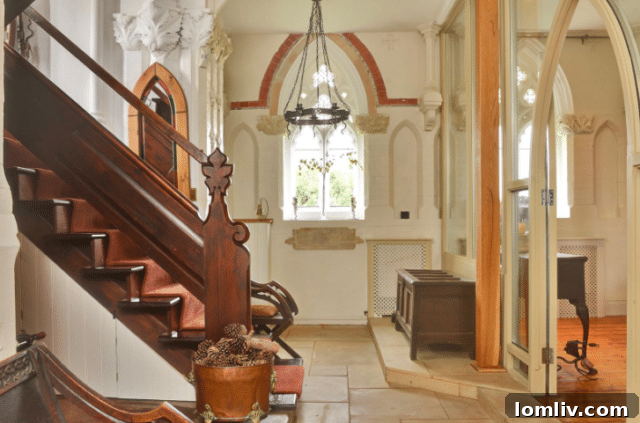
What truly sets this property apart is its commitment to preserving a “wealth of period features,” as highlighted by the listing from Mount and Minster. These aren’t merely decorative touches; they are integral parts of the church’s identity, thoughtfully integrated into the new residential scheme. Among the most striking examples is the Grade II listed Lychgate, a beautiful covered gateway often found at the entrance to churchyards, which immediately signals the historical importance of the property. Inside, the original stained glass windows continue to cast their vibrant, ethereal light, creating an ever-changing display of color and adding an unparalleled atmospheric quality to the living spaces. These elements serve as constant reminders of the building’s ecclesiastical past, offering a unique living experience that few other homes can provide.
Interior Design: Blending Heritage with Contemporary Comfort
Stepping inside this Cold Hanworth conversion is an experience in itself, a journey where centuries converge. The open-plan design is particularly effective in maximizing the dramatic scale of the original church structure. High ceilings, often with exposed original beams or vaulted arches, create an incredible sense of volume and light, fostering an airy and inviting atmosphere. Modern minimalist aesthetics often complement these grand spaces, allowing the historical features to truly shine without competition. Imagine a sleek, contemporary kitchen seamlessly flowing into a spacious living area, all bathed in natural light filtering through ancient windows. The design philosophy here isn’t about erasing the past, but rather enhancing it with thoughtful, functional upgrades.
The three bedrooms and two bathrooms are likely designed with comfort and privacy in mind, yet probably maintain subtle nods to the building’s heritage. Perhaps original stone walls are exposed in certain areas, or window frames retain their historic character. The bathrooms would feature modern fixtures, but could also incorporate design elements that echo the overall aesthetic, such as vintage-inspired tiling or custom vanities that blend old with new. This meticulous attention to detail ensures that every corner of the home tells a story, offering both a comfortable sanctuary and a fascinating historical narrative. Living in such a space means experiencing architecture not just as shelter, but as a dynamic work of art.
The Enchantment of the Exterior and Surroundings
Beyond the impressive interiors, the outdoor spaces of this converted church are equally captivating. The property boasts “beautifully landscaped gardens with mature trees and planted beds,” creating a serene and private oasis around the historic dwelling. These gardens are not merely decorative; they serve as a natural extension of the home, offering spaces for relaxation, entertainment, and connection with nature. Mature trees provide shade and a sense of establishment, while thoughtfully designed planted beds add bursts of color and texture throughout the seasons. Such gardens are often meticulously planned to complement the architectural style of the building, enhancing its curb appeal and providing a harmonious transition from the historical structure to the natural environment.
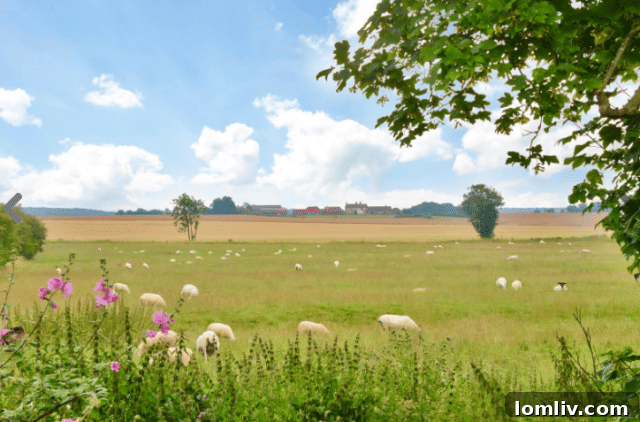
The village of Cold Hanworth itself contributes significantly to the property’s appeal. Located in the heart of rural Lincolnshire, it offers the quintessential English village experience – peace, tranquility, and a strong sense of community. The surrounding countryside provides endless opportunities for walks, cycling, and enjoying the natural beauty of the region. This combination of a unique, historically significant home within a charming village setting makes the Cold Hanworth church conversion not just a residence, but a lifestyle choice. It’s an opportunity to escape the hustle and bustle, to live amidst history, and to enjoy the serene rhythm of country life, all while residing in a truly one-of-a-kind property.
Why Church Conversions Captivate Homeowners and Designers Alike
The increasing popularity of church conversions reflects a broader trend in real estate towards unique, character-filled properties that offer more than just a place to live. Homeowners are drawn to the inherent charm, the dramatic architectural elements, and the sense of history that these buildings provide. A converted church offers unparalleled spaciousness, often with soaring ceilings and expansive windows that flood the interiors with light. This grand scale, combined with original features like stained glass, stone arches, and intricate woodwork, creates living spaces that are truly distinctive and awe-inspiring. Furthermore, by repurposing an existing structure, these conversions contribute to sustainable living practices, reducing the need for new construction and preserving valuable historical assets for future generations.
The challenges involved in such conversions – from navigating planning permissions for historic buildings to designing solutions for heating vast spaces – are often met with ingenious architectural and design solutions. The result is typically a home that is not only visually stunning but also highly functional and energy-efficient, blending the best of old-world charm with modern convenience. For many, owning a converted church is a dream come true, offering a sanctuary that is both a statement of personal style and a testament to the enduring beauty of historical architecture. It’s an opportunity to reside in a piece of living history, to be a custodian of its legacy, and to enjoy a lifestyle that is truly without parallel.
Embrace a Piece of English History
This remarkable church conversion in Cold Hanworth, listed by Mount and Minster, represents an exceptional opportunity to own a piece of England’s rich architectural heritage, reimagined for the demands and luxuries of modern living. It stands as a shining example of how historical buildings can be preserved and celebrated through thoughtful adaptation, offering homeowners a home that is both historically significant and utterly contemporary. Whether you are captivated by the grandeur of its past or the elegance of its present design, this former All Saints Church promises a truly unique and enriching living experience. It is a home that not only provides shelter but tells a story, inviting its inhabitants to become part of its ongoing narrative.
For those eager to delve deeper into the captivating details and visual splendor of this extraordinary property, further insights and an extensive gallery await. This Cold Hanworth masterpiece is more than just a house; it’s a landmark reborn, ready to embark on its next chapter with a new custodian.
See more of this stunning conversion on SecondShelters.com.