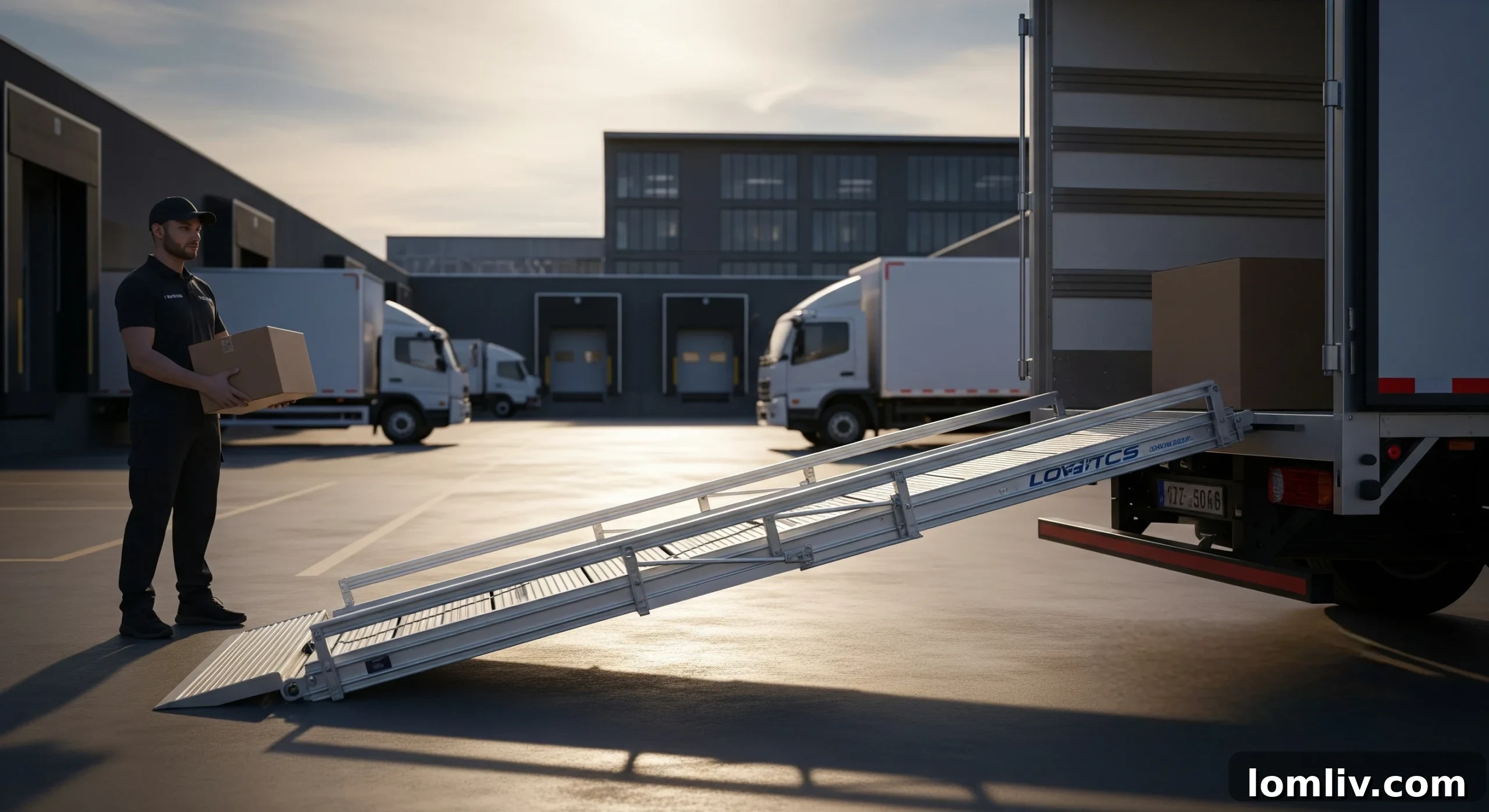
The journey of warehouse expansion is rarely a linear path. One month might find valuable equipment sitting idle, collecting dust, while the next sees teams scrambling, stretched to their limits to process a sudden surge of orders. This inherent unpredictability keeps the perennial question of whether to rent or buy essential loading equipment at the forefront for many logistics and supply chain managers. While purchasing equipment can offer significant long-term advantages, it also demands substantial upfront capital investment and can restrict operational flexibility. Conversely, renting provides a perceived safety net against fluctuating demand, offering agility and lower initial costs, yet it may not always prove to be the most economical choice over extended periods. The true strategic challenge for high-growth warehouses isn’t about identifying a universally “better” option, but rather discerning the optimal approach that will consistently support seamless operations, irrespective of how rapidly market conditions or internal demands shift.
Navigating the Dynamic Landscape of High-Growth Warehouses
Rapidly expanding warehouses operate in an environment characterized by constant flux, far removed from neat, predictable growth models. Order volumes can spike unexpectedly, inventory levels fluctuate wildly, and precious warehouse space can suddenly feel insufficient. Delivery schedules are often subject to last-minute changes, placing immense pressure on operational workflows. In such high-stakes scenarios, the right material handling and loading equipment can be the linchpin that keeps operations flowing smoothly, preventing costly bottlenecks and delays that could otherwise cripple the entire supply chain.
Critical to maintaining this flow are loading systems such as versatile modular ramps, robust portable docks, and adjustable platforms. These pieces of equipment serve as vital conduits, efficiently connecting delivery trucks with storage and processing areas. They are more than just practical tools; they are fundamental components of any modern logistics infrastructure. However, the operational necessity of these systems brings forth a crucial strategic dilemma for businesses: should they invest in owning this equipment outright, or is a rental model a more prudent choice?
The decision hinges on several interconnected factors, deeply influenced by the pace and nature of expansion, the availability of capital, and the projected mobility of the operation. When growth is accelerating at an unprecedented rate, many warehouses simply do not have the luxury of time to wait for permanent construction or lengthy equipment installation timelines. In these situations, renting emerges as a highly attractive option, offering unparalleled speed of deployment and operational flexibility. It allows businesses to scale up or down quickly without long-term commitments. However, as operations mature, volumes stabilize, and the need for a consistent, dedicated loading setup becomes permanent, purchasing these essential assets begins to make significantly more economic and strategic sense. This shift underscores the dynamic nature of equipment acquisition strategies, which must evolve with the business itself.
The Strategic Advantages of Renting Loading Equipment
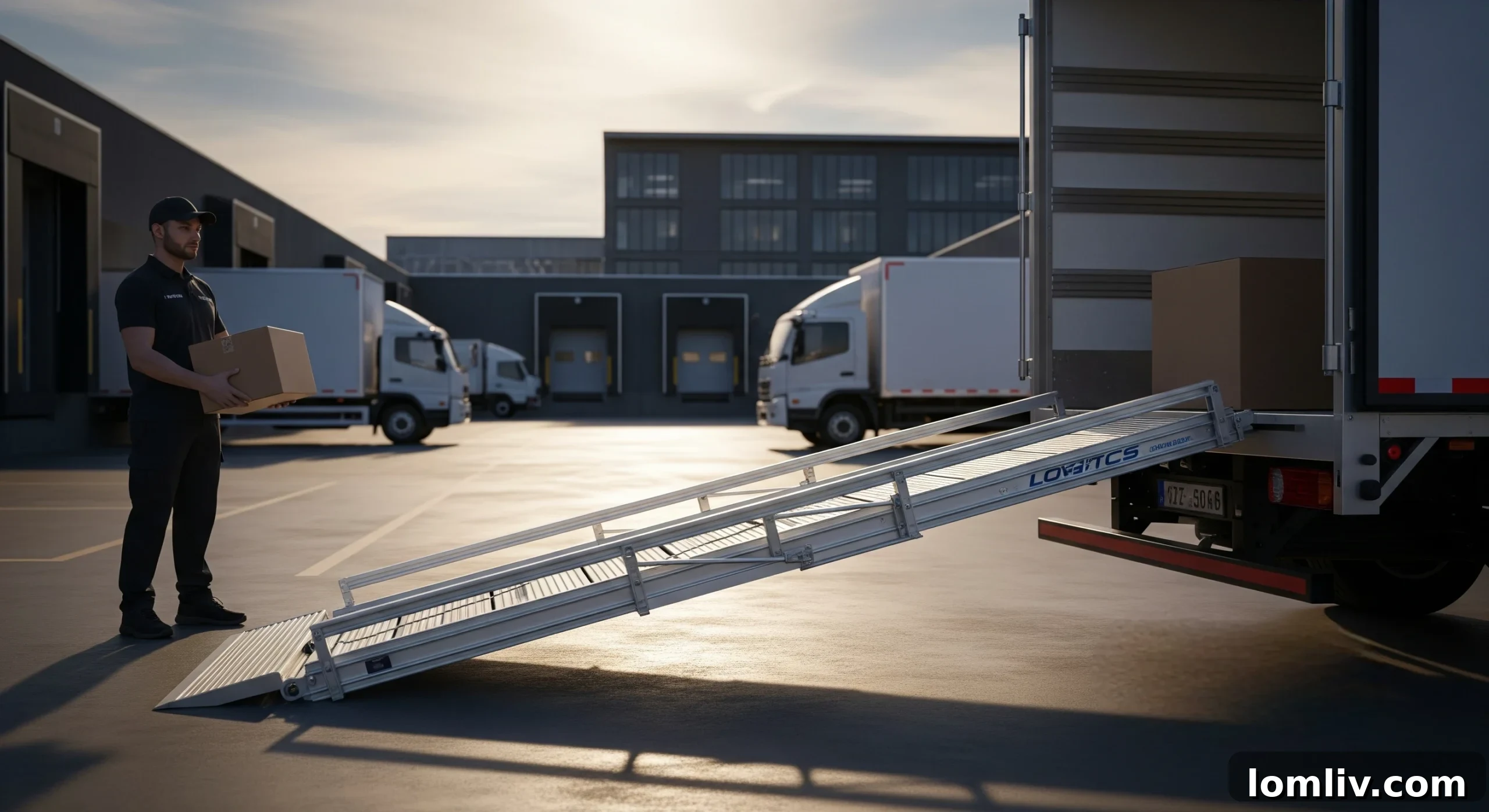
Renting loading equipment often presents itself as a straightforward solution, and in many operational contexts, it is precisely that. For warehouses contending with highly seasonal spikes in demand, unpredictable short-term projects, or temporary facility setups, the commitment of owning equipment can often feel like an unnecessary burden and an overinvestment. Rental gear, in contrast, offers remarkable agility: it can be delivered swiftly, installed the same day, and integrated into active operations almost immediately. Crucially, when the peak period subsides, or the temporary project concludes, the equipment can be returned just as easily, freeing up capital, space, and resources.
This flexibility offers substantial benefits that often extend beyond mere convenience. The financial drain and operational inefficiency of paying for expensive equipment that remains unused for half the year can be significant. Ownership in such scenarios introduces a host of hidden costs and complications: managing storage space for idle machinery becomes a logistical headache, and ongoing maintenance, even for dormant equipment, turns into a repetitive chore. Renting skillfully sidesteps all these issues, providing a lean, efficient solution particularly vital when demand patterns refuse to conform to a consistent, predictable schedule. It allows businesses to align their operational capacity precisely with their immediate needs, avoiding unnecessary overhead.
For nascent operations or businesses venturing into new markets, renting is almost invariably the safer and more pragmatic initial move. During these early stages, teams are still in the process of understanding order flows, identifying potential bottlenecks, and experimenting with various equipment configurations to optimize workflows. Committing to a large-scale purchase too early, before these critical insights are fully gleaned, carries the significant risk of acquiring unsuitable equipment that may prove inefficient or ill-suited to evolving needs. Renting provides invaluable breathing room, enabling businesses to rigorously test different setups, make necessary adjustments, and, if required, admit that an initial configuration was not the optimal choice, all without the financial penalty of being locked into a long-term asset.
The underestimated factor of mobility also strongly advocates for renting. Not every warehouse operation is destined to remain in a single fixed location indefinitely. Some businesses may frequently relocate between different sites, while others might establish temporary distribution centers for specific projects or market expansions. Renting equipment on a site-by-site basis ensures maximum flexibility and eliminates the significant logistical challenges and costs associated with transporting heavy machinery across multiple locations. While modular systems offer inherent adaptability, the primary benefit of renting in such dynamic environments is the freedom from being tied to a major, long-term capital decision too prematurely, allowing businesses to remain agile and responsive to changing operational demands.
The Robust Case for Buying Loading Equipment
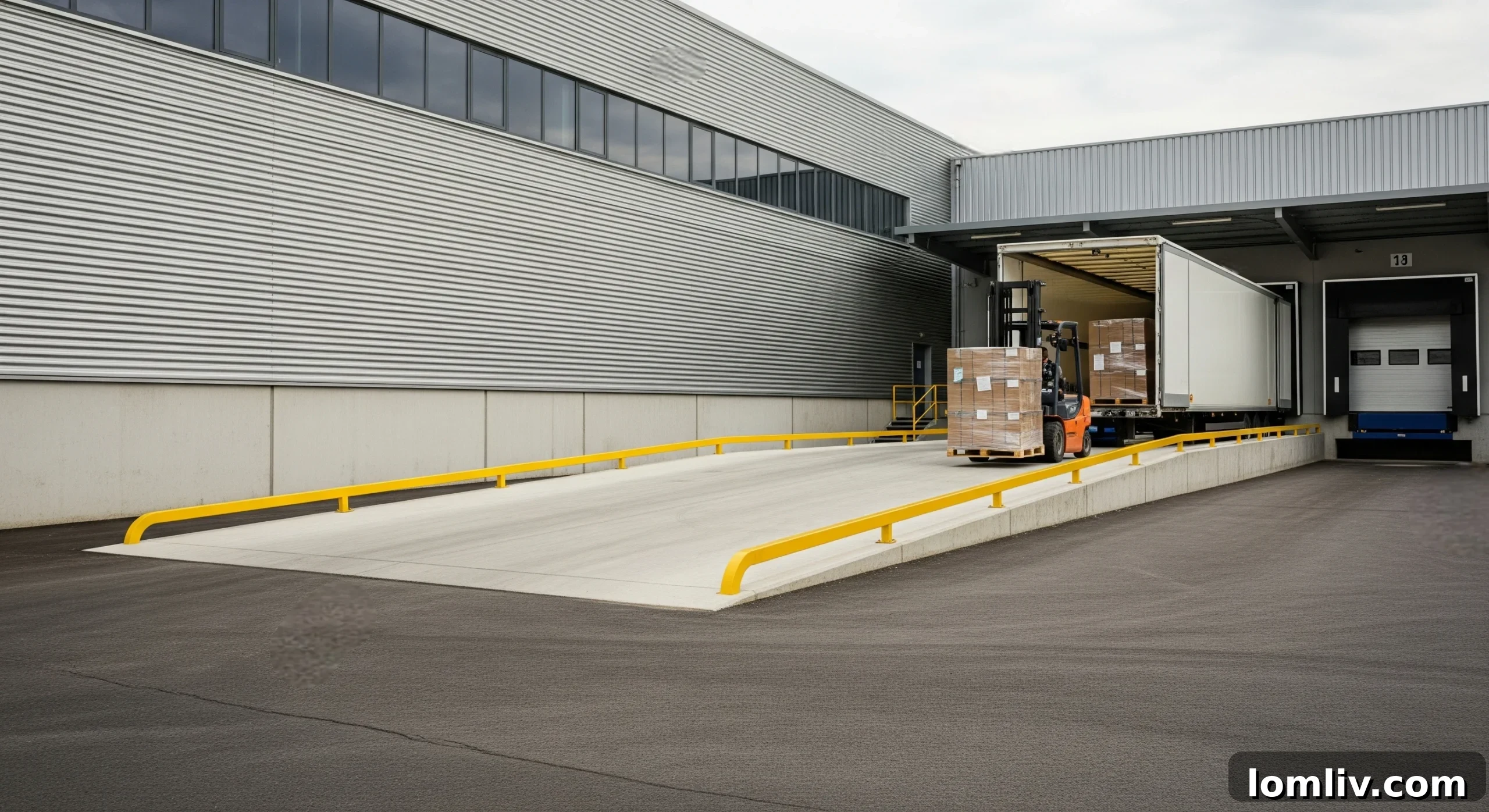
While renting offers unparalleled flexibility, the outright purchase of loading equipment delivers a compelling package of stability, long-term cost savings, and operational autonomy that becomes increasingly attractive as a warehouse operation matures. Once a business achieves a consistent and predictable level of activity, with stable order volumes and established operational workflows, owning essential assets like loading ramps and platforms invariably leads to lower overall costs over their useful lifespan. Instead of incurring recurring monthly rental fees that never culminate in ownership, the initial investment for a purchased asset transforms into a tangible business property, utilized daily for many years, progressively reducing the effective cost per use.
A significant advantage of ownership is the substantial reduction in the cost per use over time. The initial capital outlay, when amortized across thousands of loading and unloading cycles over several years, diminishes significantly, often making it far more economical than cumulative rental payments. Furthermore, ownership grants complete control. When loading equipment is an integral part of the warehouse’s permanent infrastructure, it is consistently available whenever needed. There is no dependency on rental schedules, no waiting for third-party deliveries, and no concerns about equipment availability during peak seasons. This constant, unhindered access ensures uninterrupted operations and greater peace of mind for logistics managers.
Beyond mere availability, owning modular ramps and portable docks empowers companies with the ability to meticulously customize their equipment to perfectly align with their unique operational requirements. This customization can extend to specific height adjustments, specialized surface finishes for diverse cargo types or weather conditions, integrated safety features like robust handrails or curb chains, and even bespoke add-on features tailored to very specific loading situations. Since this equipment is destined to be a cornerstone of daily operations for years, the investment in such customization is not merely justifiable but often crucial for optimizing efficiency and enhancing safety. A tailored solution improves workflow, minimizes the risk of product damage, and ensures that the workforce remains consistently familiar with a standardized and optimized set of tools, ultimately contributing to a safer and more productive environment.
Strategic Financial Management: Balancing Cash Flow with Long-Term Value
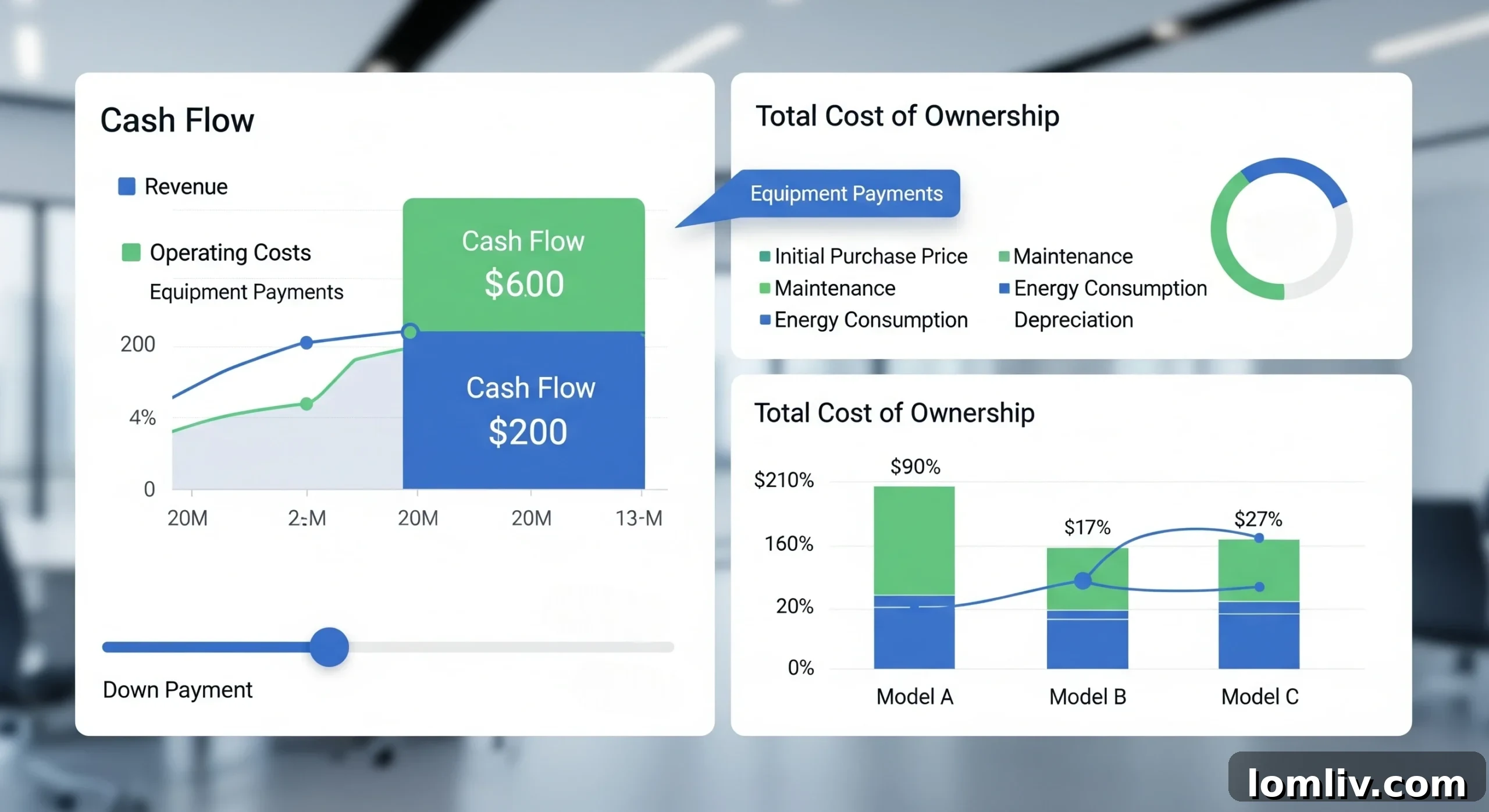
Ultimately, financial considerations profoundly influence the rent-versus-buy decision, whether explicitly acknowledged or implicitly understood. Renting equipment significantly lightens the short-term financial burden, preserving immediate cash flow and providing greater liquidity which can be critical for agile businesses. This approach treats equipment costs as operational expenses (OpEx), allowing for easier budget management and more predictable monthly outlays. Conversely, purchasing equipment necessitates a considerable upfront capital expenditure (CapEx), tying up significant funds early in the process. However, this initial outlay transforms over time into a tangible asset that the business owns, depreciates, and can leverage for future operations or even resale.
For burgeoning warehouses, adeptly juggling these competing financial priorities is often the most intricate part of the decision-making process. During phases of high demand uncertainty or frequent changes in operational locations, renting frequently serves as a strategic safeguard against unnecessary financial strain. It prevents the commitment of substantial capital to assets that might not be consistently utilized or might quickly become obsolete due to evolving operational needs. This financial breathing room is invaluable, particularly during volatile growth phases when capital might be better allocated to other critical areas such as inventory expansion, technology upgrades, or workforce development. It allows a business to maintain financial agility and respond quickly to market shifts without the encumbrance of heavy fixed assets.
As business operations mature, contracts stabilize, and shipment volumes become significantly easier to forecast with a high degree of certainty, the strategic rationale for purchasing equipment becomes far more compelling. At this juncture, the cost of equipment transitions from a recurring operational expense into a depreciable asset that contributes to the company’s balance sheet. This ownership allows the business to build equity, potentially realize tax benefits through depreciation, and ensures a stable, long-term infrastructure. The investment yields not just operational tools but a valuable component of the company’s fixed assets, which can appreciate in strategic value over time and support future expansion plans.
Furthermore, the financial and accounting implications of each option are distinct and can subtly but significantly influence profitability and tax liabilities. Rental payments are typically categorized as operating expenses, which are fully deductible in the year they are incurred. In contrast, purchased equipment is recorded as a capital investment, subject to depreciation deductions spread over its useful life. These different treatments can have varying impacts on a company’s financial statements, tax strategy, and overall financial health. Therefore, a holistic decision-making process must meticulously integrate these crucial financial considerations with the operational demands to truly select the most advantageous approach for the business’s unique circumstances.
Adapting to Rapid Growth: Scaling Operations with Agility
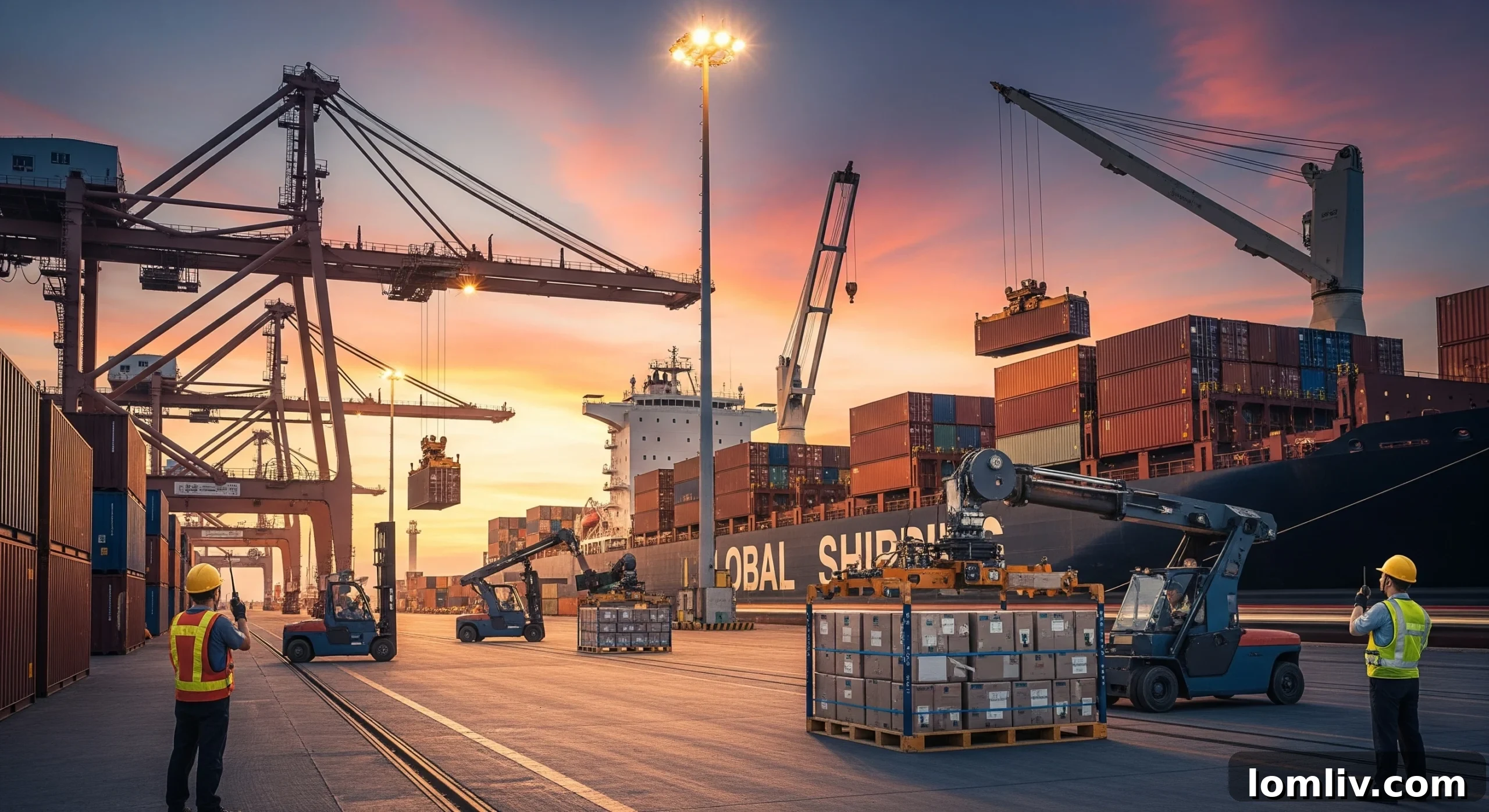
Rapid growth is a double-edged sword, presenting both unparalleled opportunities and immense operational pressures. A warehouse experiencing a doubling or even tripling of its shipment volumes within a short timeframe faces the critical imperative to scale its equipment infrastructure with matching speed. This is where the strategic flexibility of renting loading ramps and portable docks truly shines. Renting makes it feasible for businesses to respond almost instantaneously to new demands, enabling them to onboard new clients, expand into new delivery zones, or handle unexpected surges without being hampered by the often-protracted timelines associated with construction, permanent installations, or lengthy capital expenditure approval cycles. This immediate scalability is a competitive advantage in fast-moving markets.
However, as the initial rapid growth phase stabilizes and operations settle into a more predictable rhythm, the strategic calculus often shifts towards ownership. Once demand patterns become clearer, volumes more consistent, and long-term operational needs are well-defined, ownership frequently emerges as the more economically efficient and operationally robust option. Many forward-thinking businesses do not limit themselves to an “either/or” choice; instead, they strategically adopt a hybrid approach. This often involves purchasing core, high-utilization equipment for daily, foundational operations while simultaneously renting supplementary units to manage peak periods, handle specialized projects, or provide additional capacity during unexpected surges. This intelligent blend of short-term flexibility derived from renting and the long-term investment benefits of ownership allows businesses to effectively manage costs, optimize capacity, and maintain agile responsiveness without compromising the stability of their core infrastructure.
Enhancing Operational Efficiency and Strategic Space Management
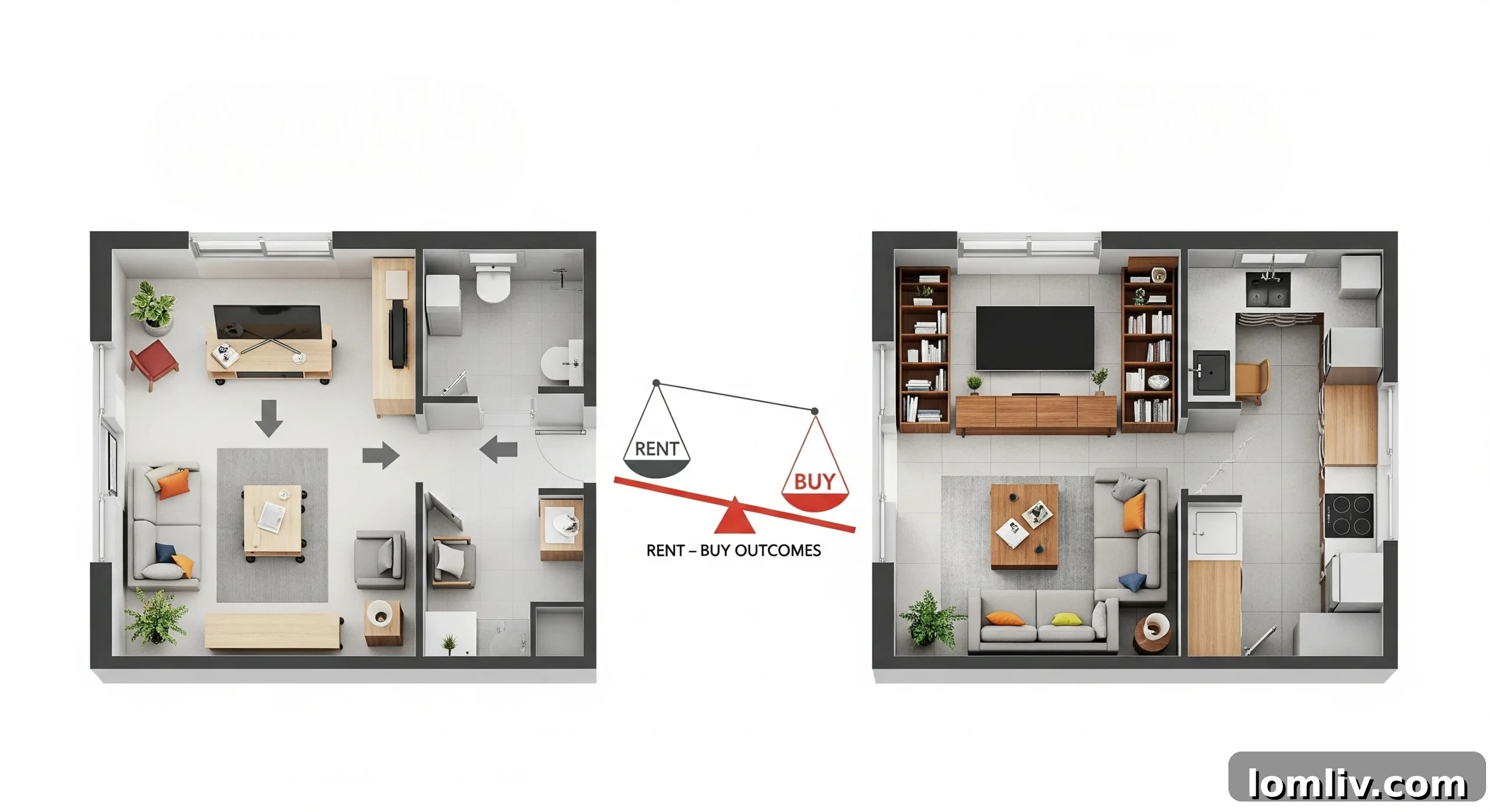
Within the confines of a warehouse, space is never merely an empty void; it represents untapped potential for efficiency, storage, and operational flow. The decision to rent or buy loading equipment directly influences how this valuable space is utilized and managed. Rental ramps and portable docks offer a distinct advantage in dynamic environments: they can be promptly returned when they are no longer required, immediately freeing up crucial floor space that can then be repurposed for additional storage, new processing equipment, or a revised workflow layout. This fluid approach to equipment deployment is particularly beneficial in facilities where layouts are frequently reconfigured to adapt to changing inventory, new product lines, or seasonal operational shifts, ensuring maximum adaptability and minimal wasted space.
Conversely, purchasing loading equipment makes eminent sense when the warehouse layout is stable, well-established, and intended to remain consistent for an extended period. Permanent equipment setups inherently support smoother workflows, facilitate better organizational practices, and minimize unnecessary material movement, which are all critical drivers of operational efficiency. Even within the framework of ownership, modern modular systems offer a degree of inherent flexibility, allowing for minor adjustments and reconfigurations without necessitating a complete overhaul or starting from scratch. In both rental and ownership scenarios, the ultimate measure of efficiency hinges upon two key factors: the frequency with which operational layouts are expected to change and the degree of control the operational team requires over the precise placement and integration of their loading equipment. A thoughtful approach ensures that equipment choices support, rather than hinder, the overarching goals of optimal space utilization and streamlined logistics.
Managing Maintenance and Operational Responsibility
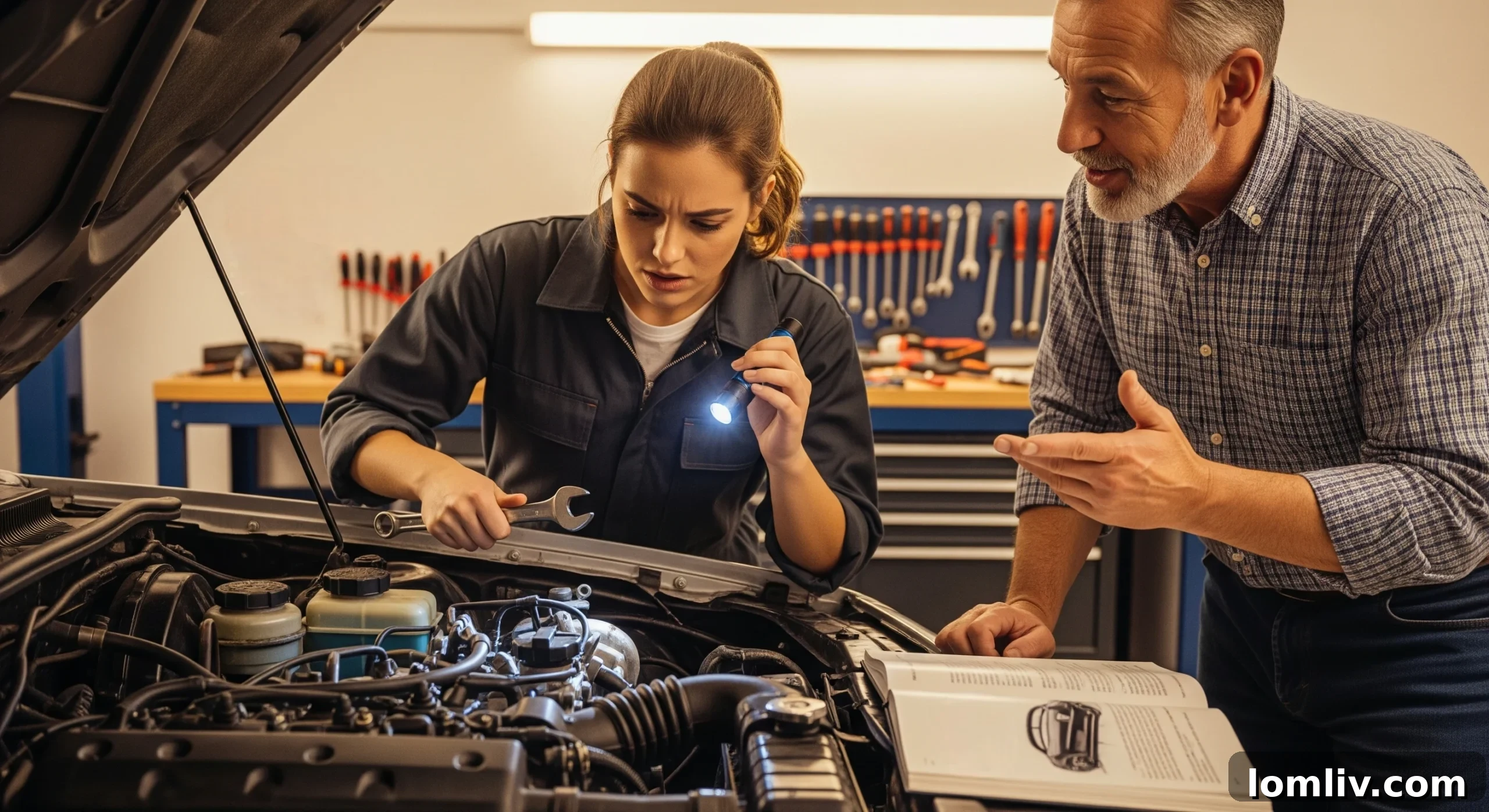
Maintenance is often perceived as a minor operational detail, but its cumulative impact on costs, safety, and operational continuity can be substantial. With rented equipment, the responsibility for upkeep, routine servicing, and major repairs is typically borne by the rental provider. This arrangement offers significant benefits: it saves the warehouse precious time, eliminates the need to allocate internal resources for maintenance staff or specialized training, and frees operational teams to concentrate fully on their core logistics tasks. Furthermore, renting often includes access to modern, well-maintained equipment, reducing the risk of unexpected breakdowns and associated downtime, and providing predictable maintenance costs that are factored into the rental agreement.
Ownership, however, fundamentally shifts this responsibility. The meticulous scheduling of inspections, routine cleaning, preventative maintenance, and any necessary repairs become an intrinsic part of the long-term cost of ownership. This requires either maintaining an in-house team of skilled technicians or establishing reliable contracts with external maintenance providers. While this transition entails direct costs and increased management oversight, it also grants the warehouse complete control over its equipment’s condition and operational readiness. A diligent and proactive maintenance program for owned loading equipment can extend its lifespan significantly, ensure consistent, reliable performance over many years, and ultimately deliver a robust return on the initial capital investment. The trade-off is between the convenience and predictable costs of rented equipment maintenance versus the control and long-term asset value derived from owning and managing the maintenance of your own assets.
Making the Optimal Decision for Your Warehouse Operations
In the complex and rapidly evolving world of logistics, there is no universally correct answer to the fundamental rent-versus-buy question for warehouse loading equipment. The optimal choice is highly contingent upon a multitude of specific factors, including the current growth trajectory of a warehouse, its unique financial health, the stability of its operational environment, and the particular challenges it faces along its evolutionary path. Renting consistently provides unparalleled flexibility and agility during periods of significant change, uncertainty, or rapid scaling, allowing businesses to adapt quickly without heavy capital commitments. Conversely, outright purchasing equipment delivers foundational stability, long-term economic value through asset ownership, and complete operational control, which becomes increasingly valuable as operations mature and stabilize. Many sophisticated operations discover that the most effective strategy involves adopting a dynamic, hybrid approach, intelligently leveraging both renting and buying at different stages of their business lifecycle to maximize efficiency and cost-effectiveness.
Ultimately, what holds paramount importance is a comprehensive understanding of how loading equipment seamlessly integrates into the entire flow of goods within the warehouse ecosystem. Reliable, well-maintained ramps, platforms, and docks are not merely pieces of machinery; they are critical enablers that ensure goods move safely, efficiently, and without interruption from the truck to the storage or processing area, and vice-versa. When the selection and deployment of these essential systems are meticulously aligned with the overarching business plan, strategic objectives, and financial capabilities of the organization, they transcend their basic function. They evolve from being mere operational tools into powerful strategic assets that actively support sustainable growth, enhance competitive advantage, and underpin long-term success in an increasingly demanding supply chain landscape.