Mortgage Report: Navigating Interest Rates Amidst Market Volatility
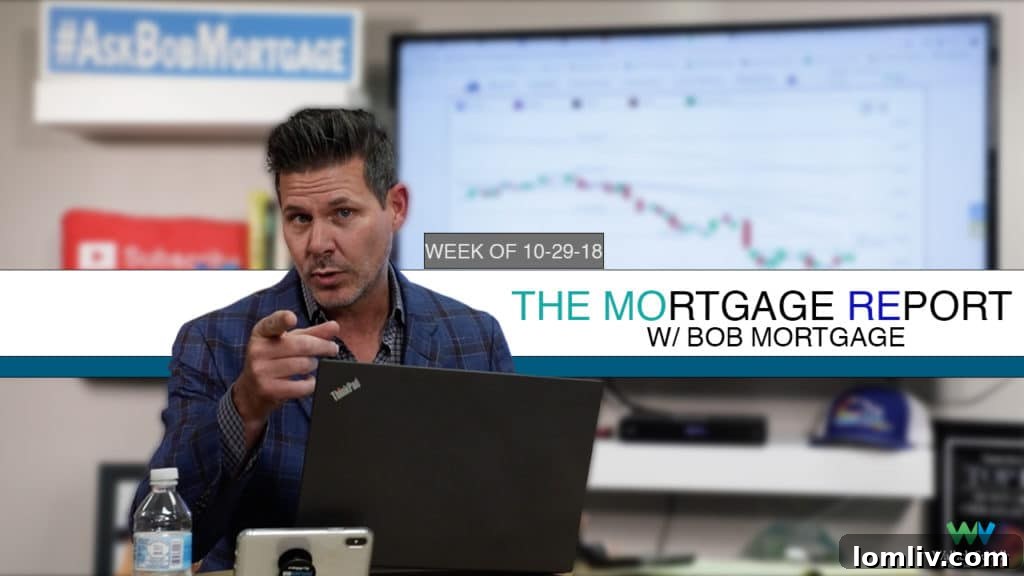
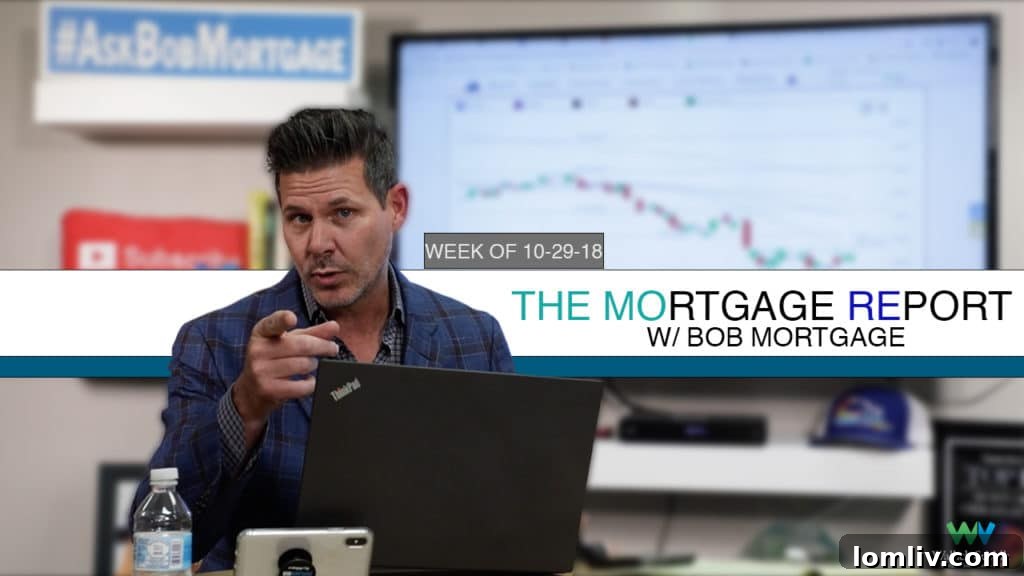
In the dynamic world of finance, every market fluctuation can have significant implications for consumers, especially those considering a home purchase or refinancing. Recent weeks have seen a notable downward trend in the stock market, a development that, perhaps counterintuitively, often signals positive news for the bond market and, by extension, mortgage interest rates. To help us understand these complex interactions, we turn to Bob Johnson, affectionately known as Bob Mortgage, a distinguished senior mortgage adviser at Wallick & Volk, the nation’s oldest private lender. His insights are crucial for anyone looking to make informed decisions in today’s mortgage landscape.
Understanding Current Market Dynamics and Their Impact on Mortgage Rates
When the stock market experiences a period of decline, investors often seek safer havens for their capital. This “flight to safety” typically translates into increased demand for bonds, which are generally considered lower-risk investments compared to stocks. As bond prices rise, their yields — and consequently, long-term interest rates like those for mortgages — tend to fall. This inverse relationship is a fundamental principle in financial markets that directly impacts the cost of borrowing for homebuyers.
The Stock Market’s Influence on Bonds and Mortgage Rates
The recent volatility in the stock market has triggered a predictable reaction: a surge in investor confidence in the bond market. For many, bonds represent a stable alternative during periods of economic uncertainty, offering a perceived shield against the unpredictable swings of equities. This increased demand for bonds pushes their prices up and their yields down. Since mortgage rates are closely tied to the yields on long-term Treasury bonds, a downward movement in bond yields typically translates into more favorable mortgage rates for consumers. This creates a window of opportunity for prospective homebuyers and those looking to refinance existing loans at a lower cost.
Understanding this correlation is vital. When headlines scream about stock market dips, it’s not always bad news for your mortgage prospects. Instead, it might be the very signal indicating a potential softening of interest rates, making homeownership or refinancing more affordable. Keeping an eye on these broader economic indicators, rather than just focusing on one segment, provides a more holistic view of the financial landscape.
The Federal Reserve’s Role and Economic Reports
Beyond stock market performance, the Federal Reserve’s pronouncements and various economic reports also play a pivotal role in shaping interest rate expectations. The Fed’s rhetoric, particularly regarding inflation and future monetary policy, can induce fear or confidence across markets. When the Fed hints at tightening monetary policy or raises concerns about the economy, investors may become more risk-averse, again driving funds into the bond market.
Furthermore, less-than-stellar economic reports, especially within critical sectors like the housing industry, can amplify these reactions. Negative housing data, for instance, might suggest a weakening economy, prompting the Fed to adopt a more dovish stance or reinforce the flight to safety in bonds. These factors collectively contribute to a complex environment where mortgage rates are constantly being influenced by a multitude of interconnected forces. Staying informed about these central bank communications and key economic indicators is crucial for anticipating rate movements and timing your mortgage decisions effectively.
Expert Insight: Bob Johnson on Mortgage Strategy
In times of market flux, expert guidance becomes indispensable. Bob Johnson, widely known as Bob Mortgage, brings years of experience and deep market understanding to help clients navigate these challenges. As a senior mortgage adviser at Wallick & Volk, he offers invaluable perspectives on making the most of current market conditions.
Who is Bob Mortgage? The Trusted Adviser at Wallick & Volk
Bob Johnson, or Bob Mortgage as he is popularly known, is a senior mortgage adviser with Wallick & Volk, a venerable institution recognized as the nation’s oldest private lender. With a legacy built on trust and expertise, Wallick & Volk has been assisting generations of homebuyers and property owners. Bob’s extensive knowledge of market trends, coupled with his commitment to client success, makes him a trusted resource for mortgage planning. He specializes in demystifying complex financial scenarios, providing clear, actionable advice tailored to individual needs. His insights are particularly valuable now, as market forces create unique opportunities and challenges for mortgage applicants.
Working with an adviser of Bob’s caliber means having a seasoned professional guide you through every step of the mortgage process. Whether you’re a first-time homebuyer or an experienced investor, his expertise helps ensure that your mortgage strategy aligns with your financial goals and the prevailing market conditions. This personalized approach is what sets Wallick & Volk apart and solidifies Bob Mortgage’s reputation as a leader in the field.
Decoding “Lock or Float”: A Crucial Mortgage Decision
One of the most critical decisions facing borrowers in a volatile rate environment is whether to “lock” their mortgage interest rate or “float” it. This choice can significantly impact the overall cost of your loan. Bob Johnson frequently advises clients on this dilemma, weighing current market signals against individual financial comfort.
- Locking Your Rate: When you lock your mortgage rate, you are securing a specific interest rate for a predetermined period, typically 30 to 60 days. This protects you from potential rate increases if the market shifts unfavorably during your loan processing.
- Floating Your Rate: If you choose to float, your interest rate is not set. It will move with the market until you decide to lock it in, or until your loan is ready to close, at which point it defaults to the current market rate. This strategy is chosen when borrowers anticipate rates will fall further before their closing date.
The decision to lock or float hinges on several factors, including your risk tolerance, the current trajectory of interest rates, and how long you expect your loan to take to close. If rates are currently low and showing signs of increasing, locking might be the safer bet. Conversely, if rates are trending downwards, floating could lead to a better deal, but it also carries the risk of rates rising unexpectedly. Consulting with an expert like Bob Mortgage provides the analytical support needed to make this decision confidently, considering both market forecasts and your personal financial situation.
Navigating Today’s Mortgage Landscape for Homebuyers and Refinancers
The current market environment, characterized by downward pressure on interest rates, presents significant opportunities for both prospective homebuyers and those looking to refinance existing mortgages. Understanding these opportunities and how to capitalize on them is key to making financially savvy moves.
Opportunities for Homebuyers and Refinancers
For homebuyers, a period of lower interest rates translates directly into greater purchasing power and more affordable monthly payments. This can make owning a home more accessible or allow buyers to qualify for a larger loan amount for their dream home. For those who already own property, lower rates offer a prime opportunity to refinance. Refinancing can lead to substantial savings over the life of the loan, reduce monthly payments, or even allow homeowners to tap into their home equity at a favorable rate. The key is to act strategically and in a timely manner, as market conditions can shift rapidly.
Whether you’re entering the housing market for the first time or looking to optimize your current mortgage, vigilance and proactive engagement are essential. Tracking rate trends, understanding the implications of Federal Reserve actions, and consulting with a mortgage professional will empower you to seize these advantageous conditions. Don’t let uncertainty prevent you from exploring the potential benefits that current market dynamics might offer your financial future.
The Importance of Professional Guidance
Given the complexity and volatility of financial markets, the value of professional guidance cannot be overstated. An experienced mortgage adviser like Bob Johnson provides clarity amidst the noise, helping clients interpret market data, understand the fine print of loan products, and develop a personalized mortgage strategy. Wallick & Volk, with its long-standing reputation, emphasizes a client-centric approach, ensuring that each borrower receives comprehensive support and tailored advice.
Choosing the right mortgage is one of the most significant financial decisions many individuals will make. Relying on the expertise of a trusted adviser means you have an advocate who can guide you through the intricacies of rate lock options, loan types, and market forecasts. This professional insight ensures that you’re not just getting a loan, but making a well-informed financial decision that supports your long-term goals. The guidance provided by seasoned professionals is an invaluable asset in today’s ever-changing economic landscape.
Frequently Asked Questions About Mortgage Rates and Market Trends
To further clarify common concerns, here are answers to frequently asked questions regarding mortgage rates and the factors influencing them:
What causes mortgage rates to go down?
Mortgage rates typically decrease when there’s an increased demand for bonds, often driven by investor uncertainty in the stock market (a “flight to safety”), or when the Federal Reserve signals a more accommodative monetary policy due to concerns about economic growth or inflation.
How does the Federal Reserve influence mortgage rates?
While the Fed directly controls the federal funds rate (short-term), its commentary, policies, and bond-buying programs (quantitative easing) significantly impact long-term rates like mortgages. Its actions and rhetoric can sway investor sentiment and bond yields, which mortgage rates track closely.
When should I consider locking my mortgage rate?
You should consider locking your rate when you are comfortable with the current rate offered, believe rates are likely to rise in the near future, or want certainty in your monthly payments. This is especially true if your closing date is imminent.
What are the risks of floating my mortgage rate?
The primary risk of floating is that interest rates could unexpectedly increase before you lock your rate or close your loan, resulting in a higher monthly payment than you initially anticipated. This strategy is best for those who believe rates will continue to fall or who have a higher tolerance for risk.
How can I stay informed about mortgage rate changes?
Staying informed involves regularly checking financial news outlets, subscribing to mortgage rate updates from trusted lenders, and consulting with a professional mortgage adviser who can provide real-time insights and forecasts.
Watch the Full Mortgage Report for More Insights
Conclusion: Stay Informed and Act Wisely
The current financial landscape presents a unique set of circumstances for anyone involved in the housing market. While stock market volatility can be unnerving, it often creates a silver lining for bond investors and, by extension, those seeking favorable mortgage rates. With the insights from experts like Bob Johnson of Wallick & Volk, consumers can navigate these waters with greater confidence.
Understanding the interplay between stock performance, bond yields, Federal Reserve policies, and housing reports is crucial. Whether you choose to lock in a rate or float, the decision should always be informed by current market analysis and personalized advice. Don’t miss out on potential savings or opportunities; stay updated, ask questions, and partner with a trusted mortgage adviser to ensure your financial decisions are sound and strategic.
For more detailed analyses and up-to-the-minute updates, be sure to explore the Mortgage Report category.