Historic Elegance: A Masterpiece by Flint & Broad at 1846 Mayflower Drive
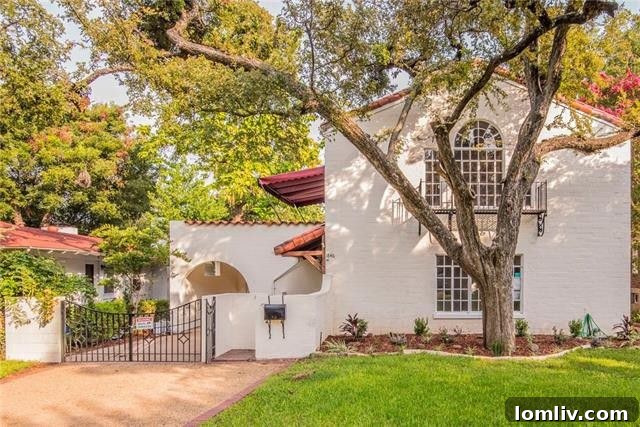
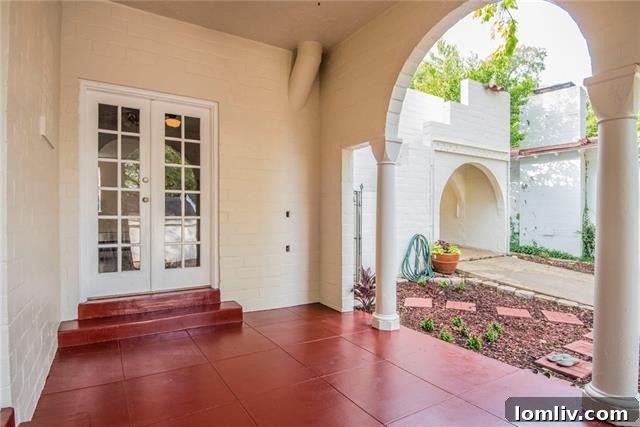
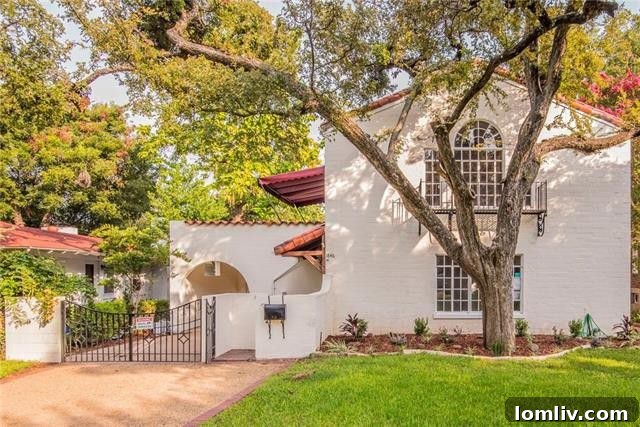
Nestled within the enchanting Stevens Park neighborhood of North Oak Cliff, Dallas, stands a truly exceptional property: 1846 Mayflower Drive. This gorgeous Venice-style Spanish mansion, a quintessential example of early 20th-century Dallas architecture, invites you to envision festive gatherings and a life steeped in timeless elegance. Built in 1928, this architectural gem carries nearly a century of stories, gracefully blending historical grandeur with every modern comfort imaginable, making it the perfect canvas for your holiday traditions and a luxurious everyday life.
The Enduring Legacy of Flint & Broad: Architects of Dallas’s Golden Age
The remarkable residence at 1846 Mayflower Drive is more than just a house; it’s a living testament to the visionary work of the architectural firm Flint & Broad. Established in 1923 by Thomas Broad and Lester Flint, this prominent Dallas firm left an indelible mark on the city’s landscape during a period of significant growth and architectural innovation. Their designs spanned an impressive range from pivotal commercial landmarks to elegant private residences, collectively shaping the very character and aesthetic of Dallas.

Defining Dallas: Key Projects by Flint & Broad
Flint & Broad were responsible for a multitude of significant structures that continue to define Dallas’s historical and cultural fabric. Beyond the residential masterpiece on Mayflower Drive, their extensive portfolio includes:
- The iconic Masonic Temple on Harwood Street, a downtown landmark renowned for its imposing presence and intricate detailing, symbolizing a blend of classic and modern architectural principles.
- Integral parts of the Dallas Aquarium at Fair Park, a beloved institution that has delighted generations with its aquatic wonders, designed with their signature touch.
- The original Love Field passenger terminal, a crucial hub for early air travel and a symbol of Dallas’s rapid progress in aviation infrastructure, reflecting the city’s forward-thinking spirit.
- A prestigious Highland Park home on Versailles Avenue, showcasing their versatility and ability to craft luxurious residences for affluent communities.
- Beyond Texas, their influence extended significantly, encompassing designs like the Medical Arts Building in Shreveport, Louisiana, and the grand Black Hotel in Oklahoma City, demonstrating their regional prominence and architectural reach.
These diverse projects collectively underscore Flint & Broad’s profound impact, solidifying their reputation as master architects whose work contributed significantly to the civic, commercial, and residential development of the American Southwest during the transformative interwar period.
The Visionaries Behind the Designs: Thomas Broad and Lester Flint
The firm’s success was rooted in the distinct talents, educational backgrounds, and professional experiences of its founders. While Lester Flint’s public profile was somewhat more understated compared to his partner, his contributions were no less vital to the firm’s legacy and the architectural community. During the challenging years of the Great Depression, Flint served with distinction as president of the North Texas chapter of the American Institute of Architects (AIA), a testament to his leadership and unwavering commitment to the profession during a time of immense economic hardship. Furthermore, Flint was among the inaugural members of the State Board of Architectural Examiners, playing a pivotal role in establishing and upholding professional standards for architectural practice across Texas.
Thomas Broad, whose narrative offers more intricate details, was born in Paris, Texas. His distinguished architectural journey began with an undergraduate degree from the prestigious University of Texas at Austin, which he followed with advanced graduate studies at Harvard University. However, destiny called him back to his roots in 1916 when a devastating fire tragically ravaged downtown Paris, Texas. Broad, demonstrating profound dedication and community spirit, left his studies at Harvard to contribute his nascent architectural skills to the arduous rebuilding effort, helping to resurrect his hometown from the ashes.
After serving honorably in the U.S. Army Air Corp and gaining invaluable practical experience with a reputable firm in Kansas City, Broad embarked on a transformative journey to Europe in 1921. This period abroad was dedicated to further enriching his architectural education and broadening his design sensibilities. This international exposure undoubtedly infused his later work with a sophisticated, cosmopolitan flair that he brought back to Texas. By 1923, he had firmly established himself in Dallas, joining forces with Lester Flint to create Flint & Broad, a partnership that would soon leave an indelible mark on the city’s commercial and residential landscape.
The Great Depression posed immense challenges for architects and the construction industry alike, yet Broad demonstrated his profound commitment to public service during this trying era. He took a leave of absence from the thriving firm to assist with the Civil Works Administration (CWA) and other crucial federal relief organizations and programs, channeling his expertise towards broader societal needs. This period of dedicated public engagement highlights the civic-mindedness and resilience that defined many professionals of their generation.
A Partnership’s Evolution and Enduring Influence
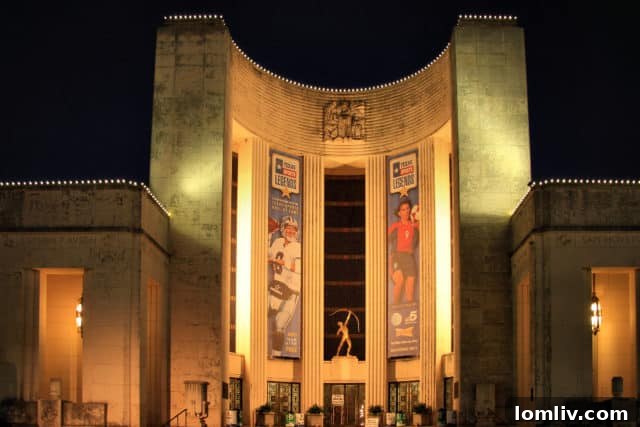
Papers from Broad’s later partner, Donald Nelson, provide invaluable insights into the firm’s extensive body of work and internal dynamics. These meticulously preserved documents confirm that the exquisite Mayflower Drive residence, a testament to their residential design prowess, was originally commissioned for Dr. Ben Grandstaff. Intriguingly, it was Lester Flint who took the helm of the firm’s day-to-day operations and project management while they were engaged in monumental civic projects such as the Hall of State and significant portions of the Dallas Aquarium, showcasing his administrative prowess and leadership.
Following Flint’s passing in 1938, Thomas Broad assumed sole ownership of the firm. Under his singular guidance, the practice continued to thrive and expand, overseeing significant new commissions and ongoing projects. These included the design of the administration building at Love Field, further contributions to the iconic Masonic Temple, and the comprehensive design and construction of 18 buildings for the Buckner Orphans Home. Broad’s unwavering commitment and continued architectural vision ensured the firm’s legacy continued to flourish, solidifying its prominent place in Dallas’s architectural history for decades to come.
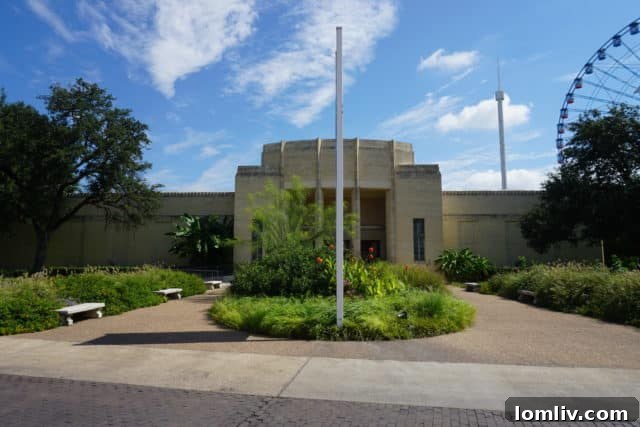
Modern Comforts Meet Historic Charm: A Renovated Masterpiece at Mayflower Drive
For some discerning buyers, the prospect of acquiring a home as venerable and historically significant as the Grandstaff residence might raise concerns about maintenance, structural integrity, or the need for extensive updates. However, the current sellers have masterfully alleviated these potential worries, transforming this historic property into a turn-key modern sanctuary. Extensive, high-quality renovations have been completed with meticulous care, ensuring that the home is not only aesthetically stunning but also structurally sound, highly efficient, and fully equipped for contemporary living. This thoughtful attention to detail means new owners can embrace the unparalleled character and charm of a 1928 build without facing the common challenges often associated with older homes.
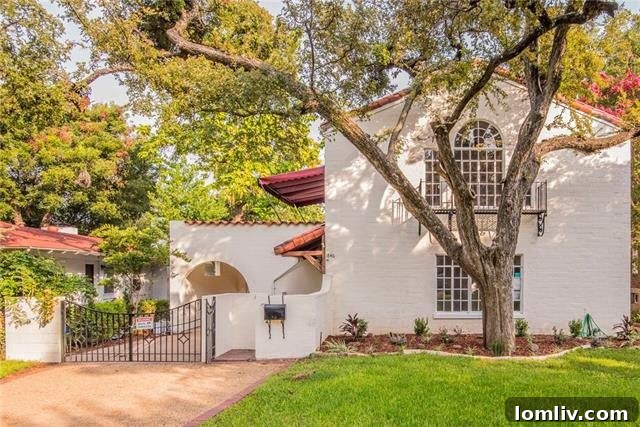
Impeccable Updates for Discerning Homeowners
The comprehensive list of recent upgrades at 1846 Mayflower Drive speaks volumes about the significant investment and care invested in its restoration and modernization:
- Structural Integrity Assured: Recent foundation and roof work provide paramount peace of mind, ensuring the home’s long-term stability, weather protection, and durability for years to come.
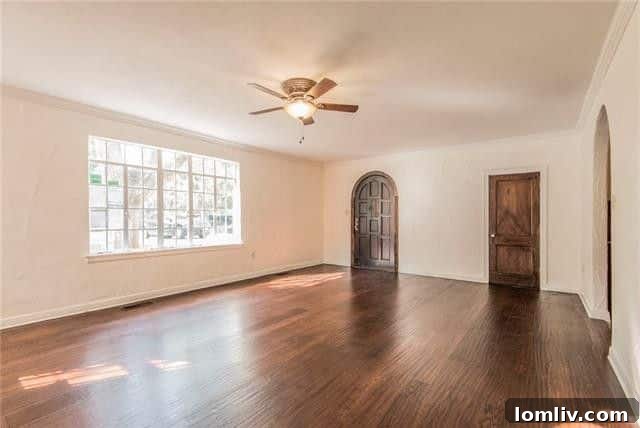
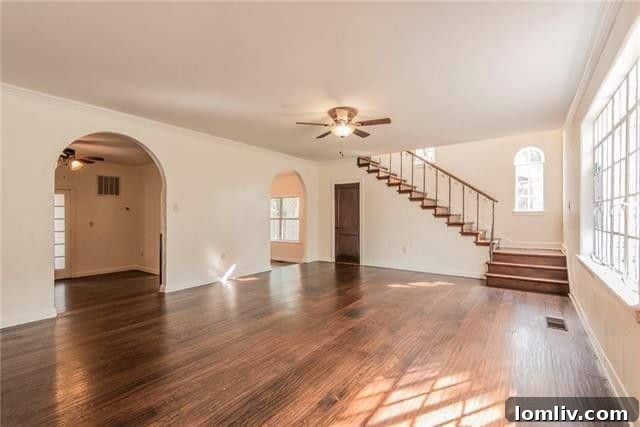
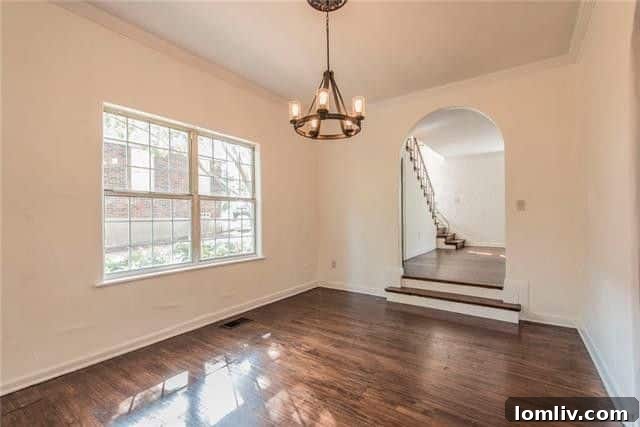
- Luxurious Interiors Reimagined: Gorgeously refinished floors gleam throughout the residence, enhancing its original character while providing a fresh, inviting, and sophisticated ambiance that welcomes all who enter.
- State-of-the-Art Infrastructure: Completely improved plumbing systems, modern, high-efficiency HVAC systems, and updated electrical wiring bring the entire home firmly into the 21st century, offering unparalleled comfort, efficiency, and reliability.
- Enhanced Aesthetics and Craftsmanship: Renewed framing, expertly restored plasters that honor historical techniques, and fresh, contemporary paint both inside and out contribute to a polished, pristine, and cohesive presentation throughout the property.
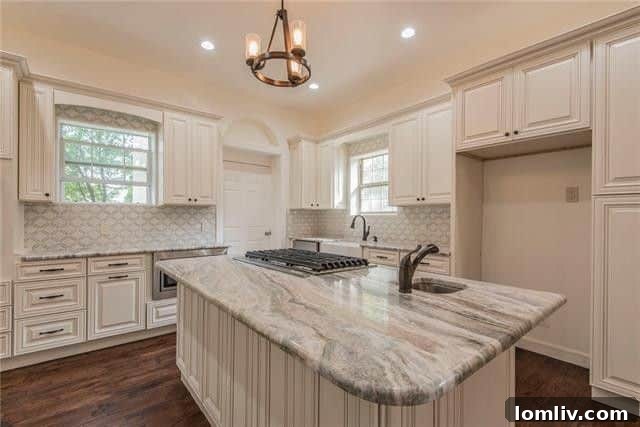
- Gourmet Kitchen Transformation: The heart of the home, the kitchen, has undergone a sleek, thoughtful, and highly functional upgrade that harmoniously blends modern culinary convenience with a period-appropriate aesthetic. It’s a true culinary dream space, designed for both effortless everyday living and sophisticated entertaining.
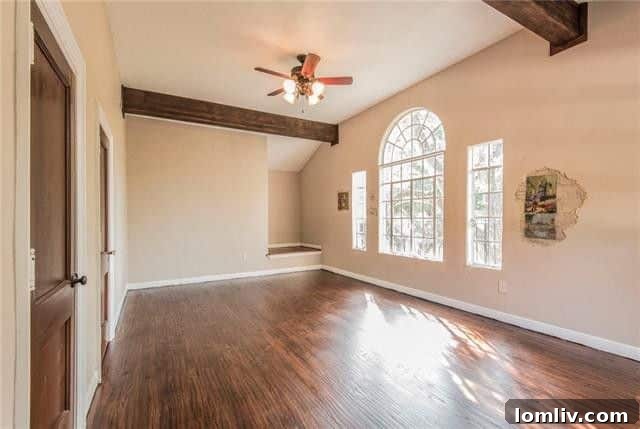
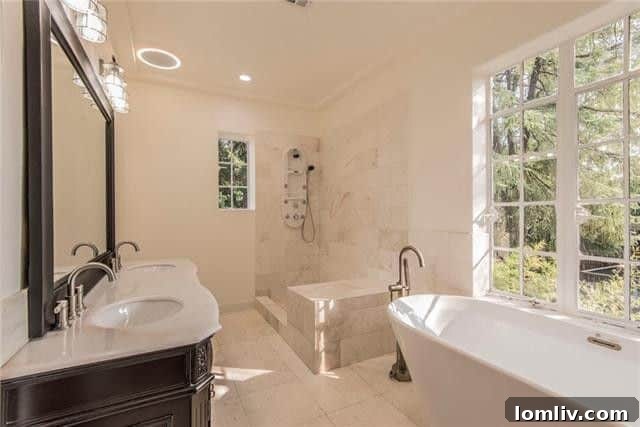
Beyond the structural and aesthetic improvements, the home’s living spaces have been meticulously reimagined for ultimate comfort and style. Both full bathrooms and the convenient powder room have received complete, contemporary updates, featuring modern fixtures, elegant finishes, and superior functionality. Thoughtful and strategic lighting installations throughout the residence not only highlight its exquisite architectural details but also create an inviting, warm, and highly functional atmosphere. With four generously sized bedrooms, this home provides ample private retreats for family members and guests alike, while its wonderful, open-concept floor plan in the common areas is perfectly suited for entertaining guests, fostering family connections, and enjoying a truly luxurious lifestyle.
Experience Stevens Park: A Premier North Oak Cliff Neighborhood
The Stevens Park neighborhood is widely regarded as one of North Oak Cliff’s most coveted locales, renowned for its picturesque tree-lined streets, a stunning collection of historic homes, and a vibrant, close-knit community spirit. Owning a property like 1846 Mayflower Drive means more than just acquiring a beautiful house; it signifies becoming an integral part of a rich tapestry of Dallas history and a thriving, active community. Residents of Stevens Park enjoy unparalleled access to the eclectic Bishop Arts District with its renowned dining and boutiques, the recreational amenities of Kessler Park, and the bustling energy of downtown Dallas, offering a perfect blend of suburban tranquility with urban convenience and cultural richness.
Aaron Jistel, who listed this magnificent property with Listing Spark, enthusiastically underscores the inherent quality and enduring integrity of its original construction. He states, “Solid bones strongly built on pier and beams. Good for years to come.” This expert sentiment perfectly encapsulates the enduring value, robust craftsmanship, and superior construction methods characteristic of homes from this esteemed era, all of which have been meticulously enhanced by thoughtful, high-quality modern renovations. The impressive 3,033 square foot residence is truly more than just a house; it’s a living piece of Dallas history, beautifully updated and ready for its next chapter, poised to create new memories for its fortunate occupants.
This exquisite Stevens Park home is currently listed for $698,000, presenting an unparalleled opportunity to own a meticulously restored, architecturally significant Spanish mansion in one of Dallas’s most desirable and historically rich neighborhoods. It’s not merely a purchase; it’s an investment in heritage, luxury, and a distinctive lifestyle that gracefully bridges the grandeur of the past with the comfort and sophistication of the present.