Discover the Enduring Charm: State Thomas Historic District in Dallas
The State Thomas Historic District stands as a powerful testament to the triumph of community-driven historic preservation. More than just a collection of old buildings, it represents a vibrant neighborhood reborn through the unwavering dedication of its residents. This district serves as an inspiring example of how, when thoughtfully executed, preservation efforts can not only safeguard our architectural heritage but also unlock an entirely new dimension of value for an urban community. It’s a place where history intertwines seamlessly with modern living, offering an unparalleled quality of life.
A Rich Tapestry: The Storied History of State Thomas
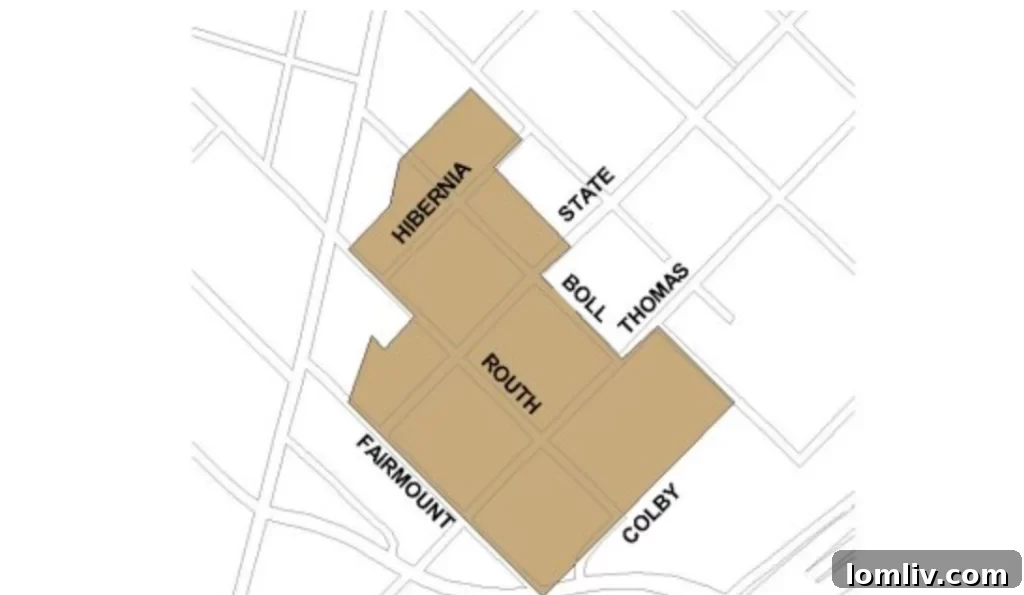
Spanning an impressive 96 acres today, the State Thomas area encompasses a smaller, incredibly significant 23-acre historic district. Within these cherished boundaries lies the largest concentration of late-1880s Victorian structures anywhere in Dallas. These few, meticulously preserved streets are the last remaining fragments of what was once the affluent Thomas-Colby District, a prestigious residential enclave in the burgeoning city.
It’s crucial to distinguish the State Thomas Historic District from the North Dallas Freedman’s Town. While both hold immense historical significance for Dallas, Freedman’s Town originated just north of State-Thomas, near Hall Street, representing a distinct and vital African American community that thrived post-Civil War.
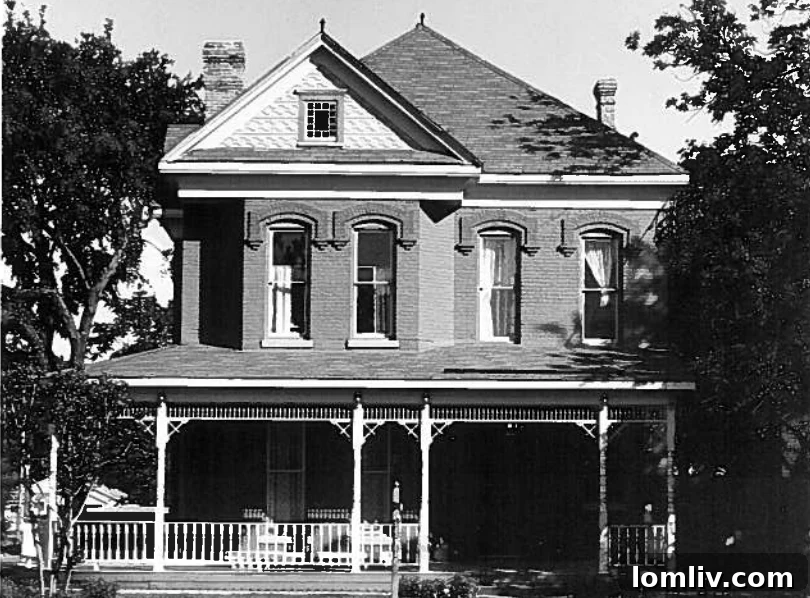
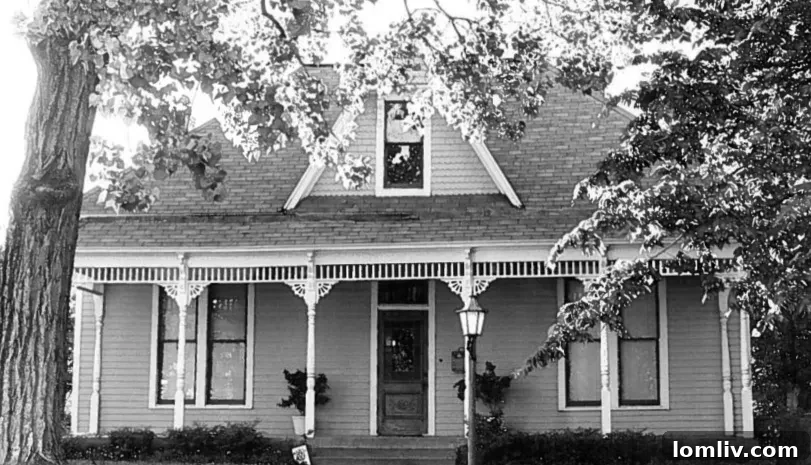
As the 20th century dawned, the demographics of the Thomas-Colby District began to shift. Many of its original affluent homeowners started migrating to newer, more expansive suburbs like Highland Park and to the stately homes emerging along Swiss Avenue. This residential exodus created an opportunity for the residents of Freedman’s Town, enabling many African American families to rent, and frequently purchase, these larger, well-appointed Victorian homes. From the 1920s through the 1960s, State Thomas flourished as a dynamic and richly diverse mixed-use neighborhood, bustling with families, businesses, and a strong sense of community.
The Peril and the Pioneers: Saving a Historic Gem
However, like many urban landscapes of the mid-20th century, State Thomas faced significant challenges. The relentless march of progress, particularly the construction of major highways like Central Expressway and Woodall Rogers Freeway, physically cleaved the neighborhood, disrupting its fabric and isolating communities. By 1975, the once-vibrant district found itself in a precarious state of decline, threatened by neglect and the looming prospect of widespread demolition to make way for modern developments. Many saw only blight where history stood.
It was at this critical juncture that a handful of determined residents refused to let their beloved neighborhood vanish. These “urban pioneers” took matters into their own hands, embarking on what would become a remarkable grassroots preservation effort. Their commitment was rooted in a deep appreciation for the area’s unique architectural legacy and a vision for its future.
A 23-acre cluster of homeowners and a few white urban pioneers remained with a desire to stay and fight to preserve and improve a portion of the once-proud neighborhood. Their area would become the State-Thomas Historic District.
Mckinney Avenue Trolleys by Jim Cumbie, Judy Smith Hearst, and Phillip E. Cobb.
Among these pivotal figures was Judy Hearst, who, alongside Arthur Hughes, spearheaded the preservation movement. Their tireless advocacy, coupled with the growing support from other residents, led to a monumental victory in 1984. That year, the State Thomas neighborhood earned the protective designation of a historic district by the City of Dallas. This official recognition was not merely symbolic; it provided crucial legal safeguards against demolition and mandated adherence to architectural guidelines that would ensure the district’s character remained intact for generations to come. Today, State Thomas stands as one of Dallas’s rarest and most cherished communities, celebrating its rich history while embracing a vibrant, mixed-use present.
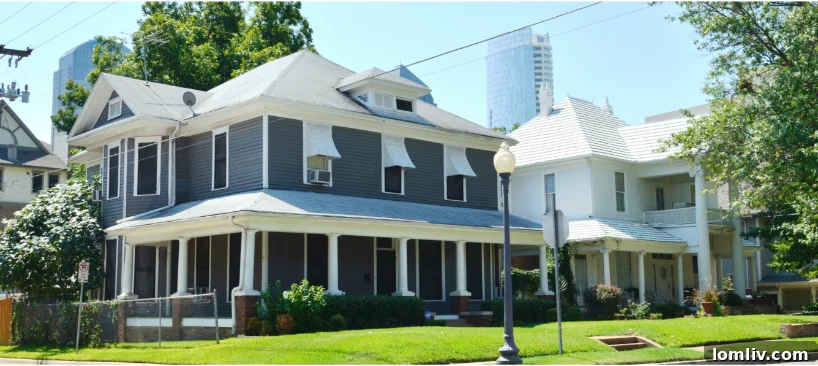
“It’s a tight-knit community, and people don’t leave,” Judy Hearst proudly affirms. “It’s a wonderful place to live with access to the McKinney Avenue trolley that runs down the original tracks.” This sentiment is echoed by long-time residents like John Armstrong of Armstrong Berger Landscape, who has been a part of the State Thomas Historic District since the early 1980s. Armstrong’s deep commitment to the neighborhood is evident through his service on the Landmark Commission and the State Thomas Task Force. His personal dedication to preservation is further exemplified by his meticulous restoration of two homes at 2611 and 2615 State Street, both of which have garnered prestigious preservation awards.
The Enduring Value of Historic Preservation
John Armstrong eloquently articulates the profound impact of historic district status: “My belief is that the historic district creates an integral value in real estate. You sell to people who are partial to older homes and want to preserve history. The State Thomas Historic District is an oasis in the middle of urban sprawl. Everyone that lives here is so proud of it.” His words underscore a fundamental truth: historic districts attract a specific kind of buyer – one who values character, authenticity, and a sense of place over cookie-cutter modernity. This creates a stable and appreciating real estate market, where homes are not just structures but cherished pieces of history.
Living in State Thomas means being part of a living museum, where every street and every building tells a story. The architectural integrity, the mature tree-lined streets, and the unique blend of residential and commercial spaces create an ambiance that is truly unmatched in Dallas. It’s a community where neighbors know each other, where local businesses thrive, and where the past is celebrated as an integral part of the present. The McKinney Avenue Trolley, a nostalgic and convenient mode of transportation, further enhances the district’s charm, offering easy access to the vibrant surrounding areas without the need for a car, fostering a pedestrian-friendly environment rarely found in a sprawling metropolis.
2707 Hibernia St: The Perfect Live/Work Opportunity in State Thomas
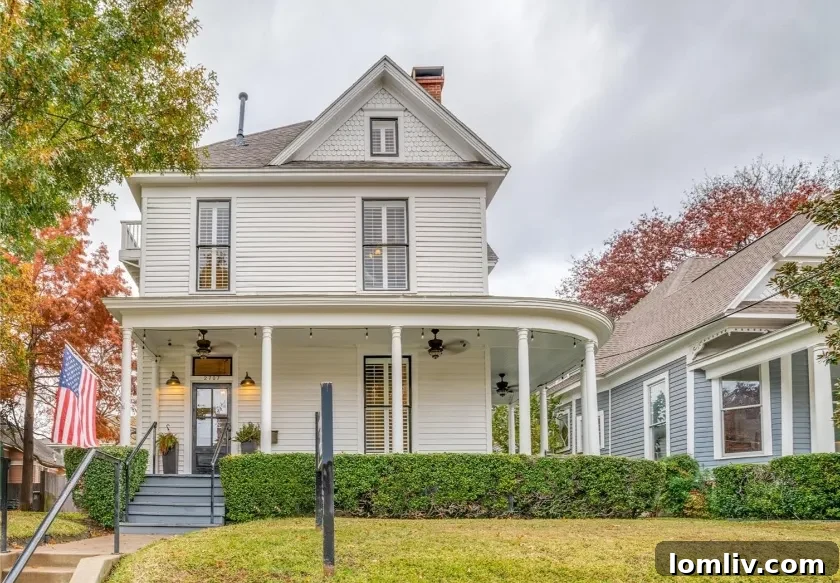
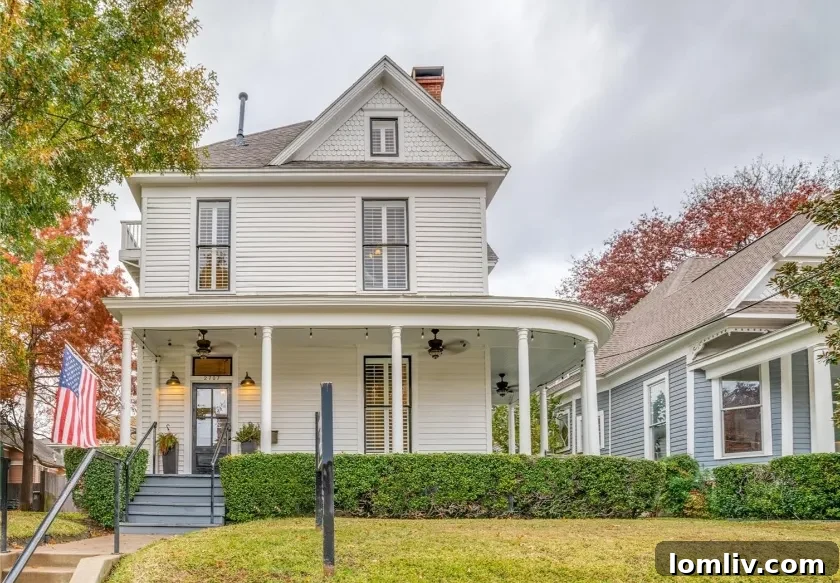
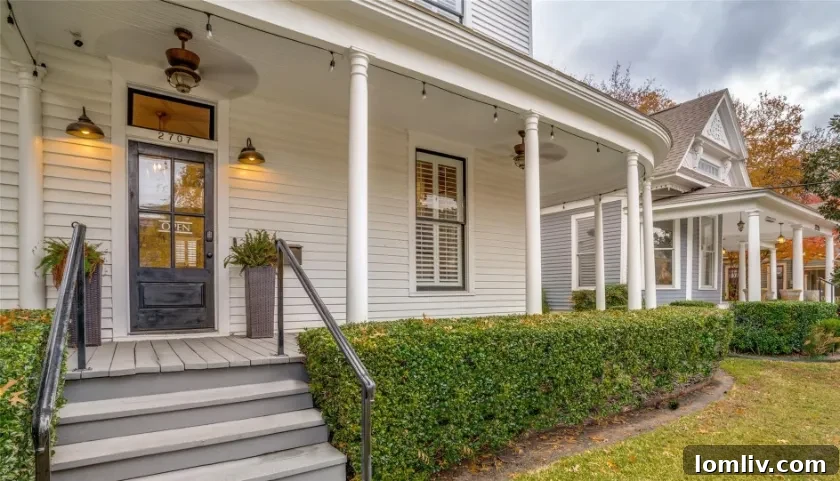
Opportunities to own a piece of this extraordinary community are exceptionally rare, making the recent listing of 2707 Hibernia Street a truly remarkable event. This 1925 classic home is not just a residence; it’s an invitation to become an integral part of Dallas’s most unique historic neighborhood. For discerning buyers, this represents a lucky chance to invest in a property that offers both historical significance and immense practical value.
This impressive 2,271-square-foot property boasts three well-appointed bedrooms, two full bathrooms, and a convenient powder bath. Historically, its flexible design has allowed it to seamlessly serve as a law office, showcasing the incredible adaptability inherent in State Thomas properties. What truly sets this district apart, however, are its special zoning designations. Unlike conventional residential or commercial zones, State Thomas embraces a mixed-use philosophy, meaning properties like 2707 Hibernia Street can function as a private residence, a bustling place of business, or a dynamic combination of both. Imagine living upstairs and running your entrepreneurial venture downstairs, or perhaps converting it into a charming bed-and-breakfast, an art gallery, or a professional office in a distinguished setting.
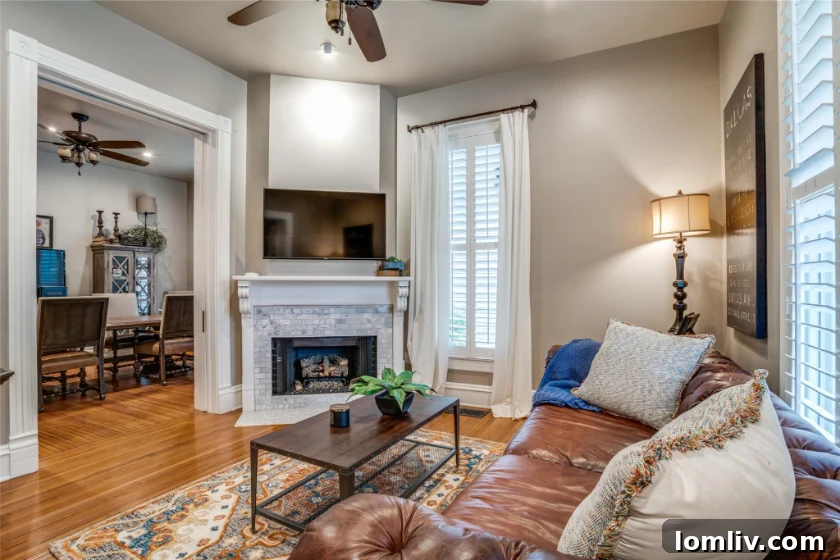
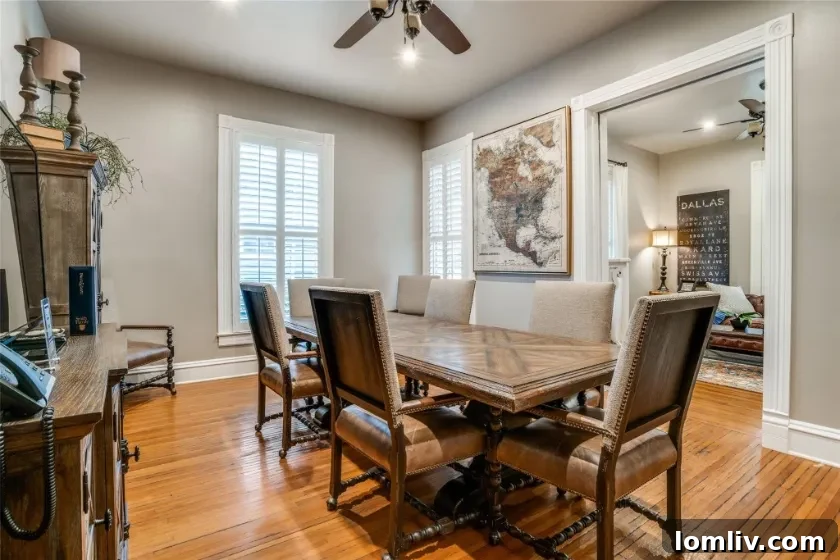
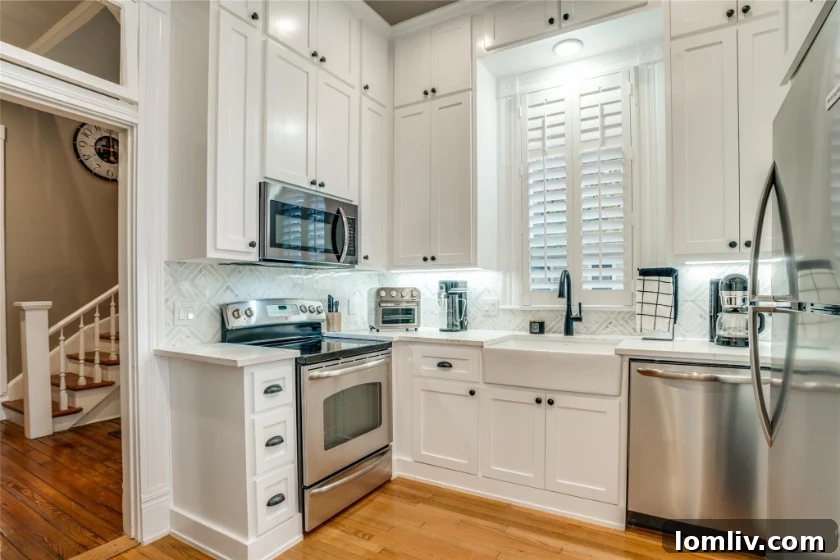
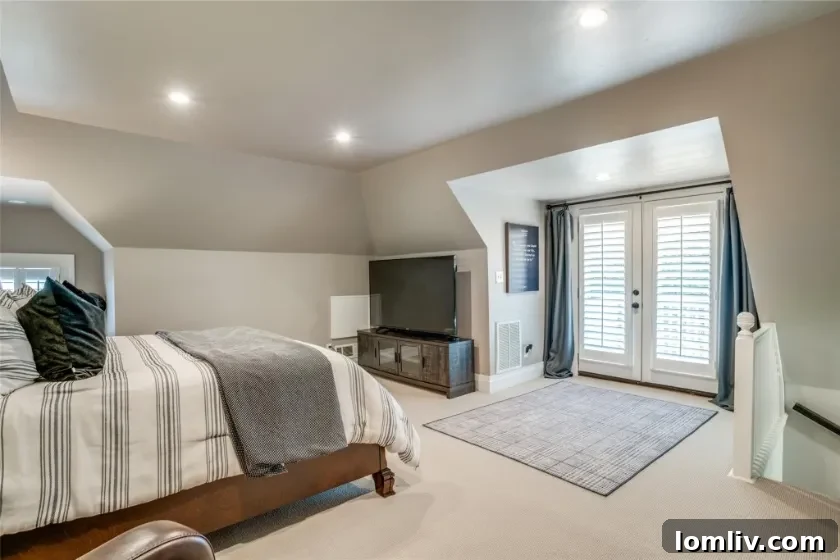

The interior of 2707 Hibernia St, while currently configured for office use, retains its classic residential charm, offering a canvas for its next owner to imprint their vision. High ceilings, original hardwood floors (or the potential for restoration), and large windows allowing abundant natural light are likely features of a home from this era. The layout provides ample private spaces, ideal for offices or bedrooms, alongside more open areas perfect for reception, living, or collaborative workspaces. A well-maintained exterior, typical of the district’s preservation standards, adds to its curb appeal and promises a welcoming presence on this historic street.
Beyond the property itself, living or working at 2707 Hibernia St means immersing yourself in the State Thomas lifestyle. Imagine stepping out your front door onto tree-lined streets, just moments away from delightful local cafes, acclaimed restaurants, and unique boutiques. The convenience of the McKinney Avenue Trolley connects you effortlessly to the vibrant energy of Uptown, the Dallas Arts District, and Klyde Warren Park, offering a blend of cultural experiences and green spaces that enhance urban living. This isn’t just a location; it’s a destination, a community that fosters connection, creativity, and a deep appreciation for heritage.
Don’t let this unique opportunity pass you by. Becoming a part of the State Thomas Historic District means embracing a lifestyle where history, community, and unparalleled flexibility converge. It’s an investment not just in real estate, but in a piece of Dallas’s soul.
Compass agent Brady Moore has 2707 Hibernia St. listed for $1.79 million. Explore this listing and envision your future in one of Dallas’s most coveted historic enclaves.