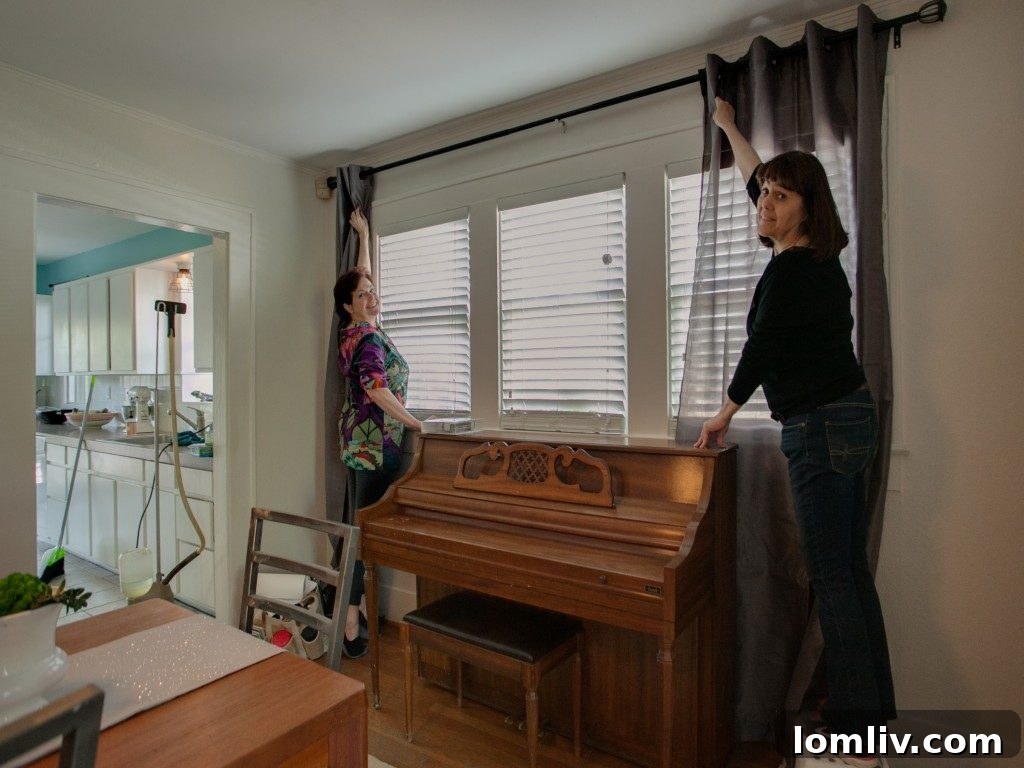
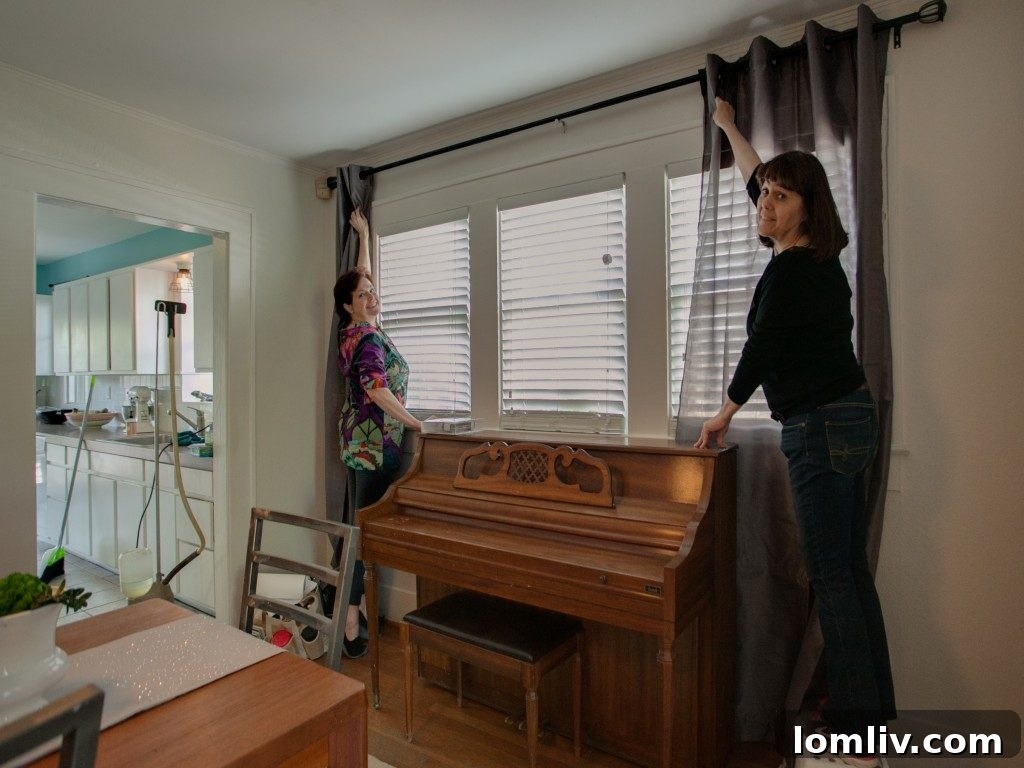
In the dynamic world of real estate, the art of presentation has become paramount. For homeowners looking to sell, understanding the nuances of how a property is perceived can make all the difference. This article delves into the transformative power of professional home staging and merchandising, drawing insights from a collaborative project at 307 N. Waverly, where Lifestylist Suzanne Felber partnered with Karen Eubank of Eubank Staging to unlock the home’s full potential. This project exemplifies how strategic design choices and a keen eye for detail can significantly enhance a property’s appeal, streamline the selling process, and ultimately maximize its market value.
The Evolution of Home Presentation: From Personal Space to Market-Ready Masterpiece
Having navigated the journey of selling my own home and acquiring ‘The Home Idea Factory’ fifteen years ago, I’ve gained firsthand experience in the emotional and practical aspects of real estate transitions. My historical home in Oak Cliff, a constant source of creative projects, offers a daily reminder of the enduring charm of well-designed spaces. However, my professional life as a merchandiser for new homes presents a different challenge: crafting aspirational living environments from a blank slate. Collaborating with Karen Eubank of Eubank Staging on a consumer-owned home like 307 N. Waverly was a refreshing opportunity to apply merchandising principles to an existing property, highlighting the critical distinctions and shared goals between staging and merchandising.
Distinguishing Lifestylists, Home Stagers, and Model Home Merchandisers
As a Lifestylist, I often encounter questions about the roles of home stagers versus model home merchandisers. While both professions are dedicated to enhancing a property’s appeal, their approaches and objectives differ significantly. My work as a model home merchandiser begins with a pristine, newly constructed space. I collaborate with builders from the architectural plans through to the grand opening, meticulously selecting colors, building materials, trim details, and, of course, all furniture, artwork, window treatments, and accessories. Everything I specify remains in the home, sometimes for three to four years, shaping the buyer’s perception of a complete lifestyle within a new community. We strive to create a dream, a vision of what life could be like in that specific home and neighborhood. The ultimate compliment for us is when a buyer is so captivated by the vision that they wish to purchase the model home, furniture and all.
Conversely, a home stager, like Karen Eubank, works with occupied or vacant consumer-owned homes. Their primary goal is to depersonalize the space, removing traces of the current sellers’ lifestyle so that prospective buyers can easily envision themselves living there. This often involves decluttering, rearranging furniture, and introducing neutral, appealing decor to broaden the home’s appeal to the widest possible audience. While a merchandiser crafts a specific aspirational lifestyle, a stager creates a versatile, welcoming canvas onto which any buyer can project their own dreams. Despite their distinct methodologies, both stagers and merchandisers share one overarching objective: to facilitate the swift and profitable sale of a home.
The Digital First Impression: Why Online Presence Matters More Than Ever
The landscape of home buying has dramatically shifted. Fifteen years ago, selling my home involved constant vigilance; every interested party, or even just curious neighbor, might drop by for a visit. Maintaining a perpetually perfect home was a demanding task, as potential viewings were unpredictable. Today, the initial viewing experience has largely moved online. Buyers extensively tour homes virtually before ever setting foot on the property. This fundamental change underscores the immense importance of high-quality online photographs and virtual tours.
In our visually-driven world, captivating imagery is non-negotiable. If your home’s online photos fail to do it justice, the ideal buyer might scroll past, never realizing the true potential of your property. A poorly presented home online can deter interested parties before they even consider an in-person visit. Therefore, investing in professional staging and photography is not an indulgence but a strategic necessity. It’s a proactive step that can save homeowners and their realtors considerable time, reduce ongoing expenses, and ultimately help secure the best possible selling price. Conversely, homes that appear unkempt or neglected in photos often signal to buyers that they can negotiate a bargain, leading to lower offers and a slower sale. The perception of value is powerfully influenced by visual presentation.
The 307 N. Waverly Transformation: A Case Study in Strategic Staging
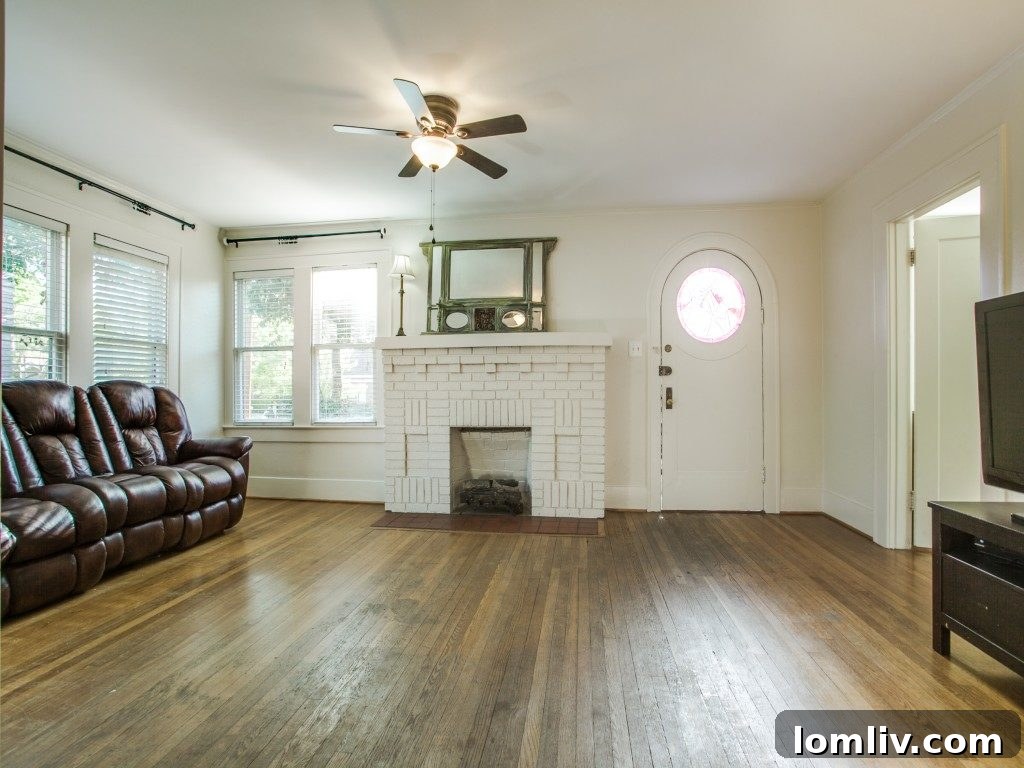
When I first encountered the initial photos of 307 N. Waverly, my immediate thought was how much potential lay beneath the surface. Small changes, such as repositioning furniture and adding area rugs, promised a dramatic transformation. The absence of window treatments in many shots was particularly telling; it suggested a rushed departure or a readiness on the part of the sellers to “wheel and deal.” This perception, while potentially advantageous for a buyer, works against the seller’s goal of achieving maximum value.
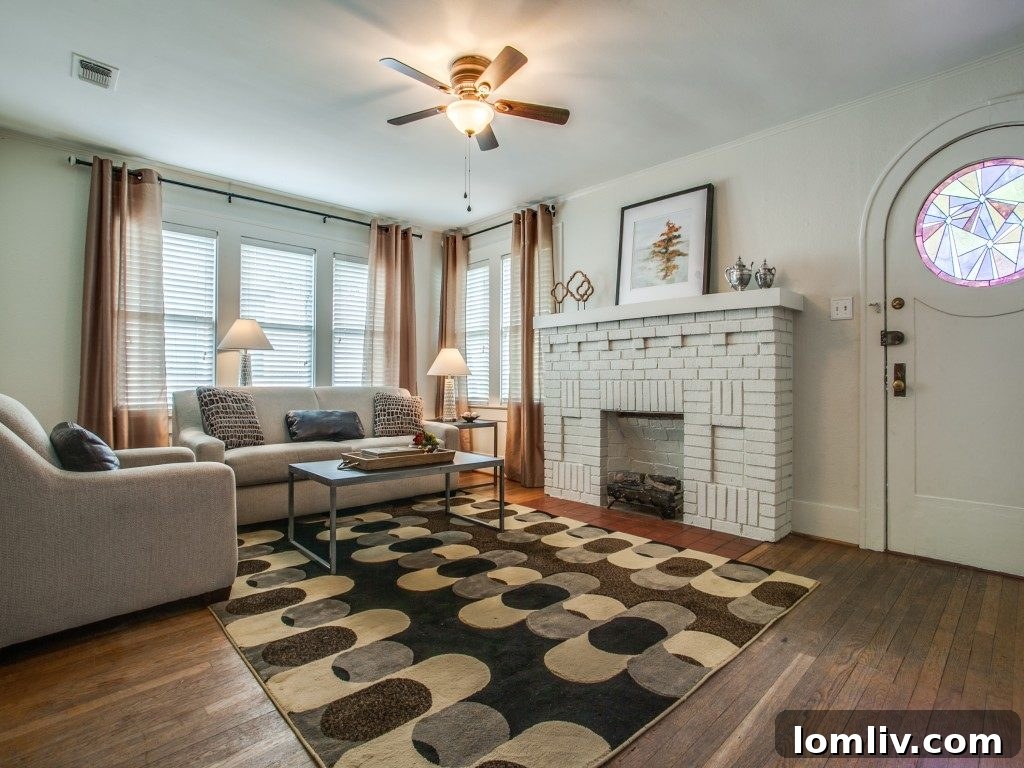
The home boasted beautiful original features, including abundant windows that invited natural light, a charming fireplace, and classic hardwood floors. These are significant assets that, with the right enhancement, could truly shine. However, the existing presentation left much to be desired. Bare curtain rods suggested an incomplete space, rather than a move-in-ready sanctuary. Both the fireplace and hardwood floors, though inherently appealing, needed a touch of “love”—strategic placement of furniture and carefully chosen accessories to highlight their beauty and demonstrate how a buyer could comfortably live and enjoy these spaces.
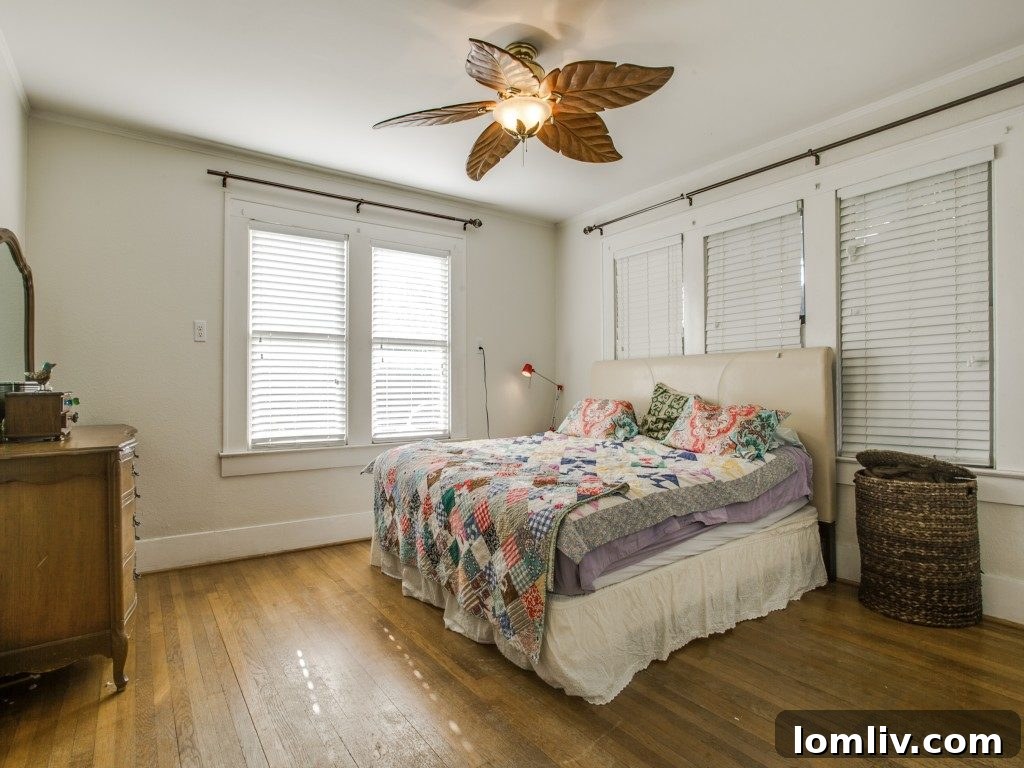
Consider the master bedroom, where the bed was positioned directly in front of a window. This arrangement often creates a visual distraction and can evoke feelings of vulnerability or discomfort, especially in climates with significant temperature fluctuations like Texas. If time had allowed, I would have draped the entire wall behind the bed, creating a unified backdrop that eliminated this common objection. A similar issue was present in the nursery; as a parent, the thought of a child sleeping in front of a drafty window, exposed to Texas’s intense heat or cold, is a definite concern. These seemingly minor details, when unaddressed, can create subconscious objections for potential buyers, hindering their ability to connect emotionally with the home.
Budget-Friendly Brilliance: Sourcing Smart for Maximum Impact
One of the persistent challenges for a Lifestylist and merchandiser lies in the relentless pursuit of the best products at the most advantageous prices. While many assume that “shopping for a living” is inherently enjoyable, the reality involves stringent budgets, tight deadlines, and the daunting task of finding very specific items with little time to spare. The 307 N. Waverly project perfectly illustrated this challenge, demanding creative solutions to achieve high impact within financial constraints.
Fortunately, my experience with affordable home projects has equipped me with invaluable knowledge of where to find hidden gems. Stores like Ross and TJMaxx are treasure troves for drapery panels, often retailing for an incredibly reasonable $14.99 to $24.99 per pair. A particular hurdle at 307 N. Waverly was the unusually high placement of the drapery rods, rendering standard 84-inch panels too short. Ross, once again, saved the day. I discovered 96-inch neutral panels for just $17.99 a pair, which were absolutely perfect. These inexpensive additions instantly infused the rooms with much-needed color and softness, qualities that translated beautifully in the professional photographs, enhancing the overall warmth and inviting atmosphere.
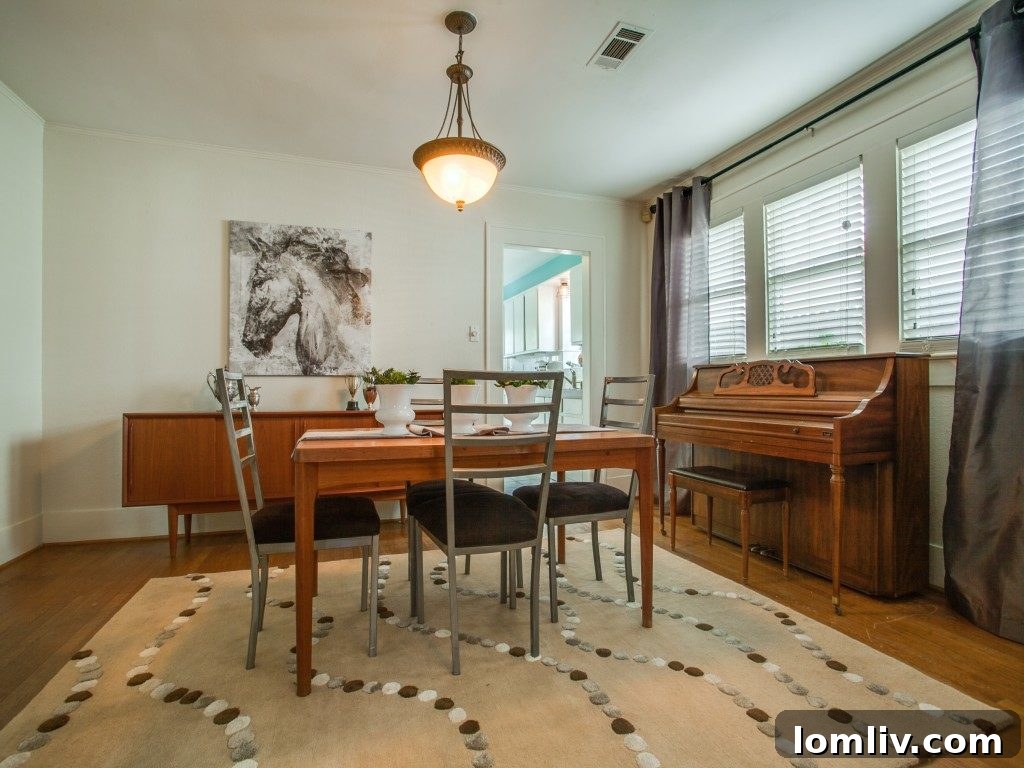
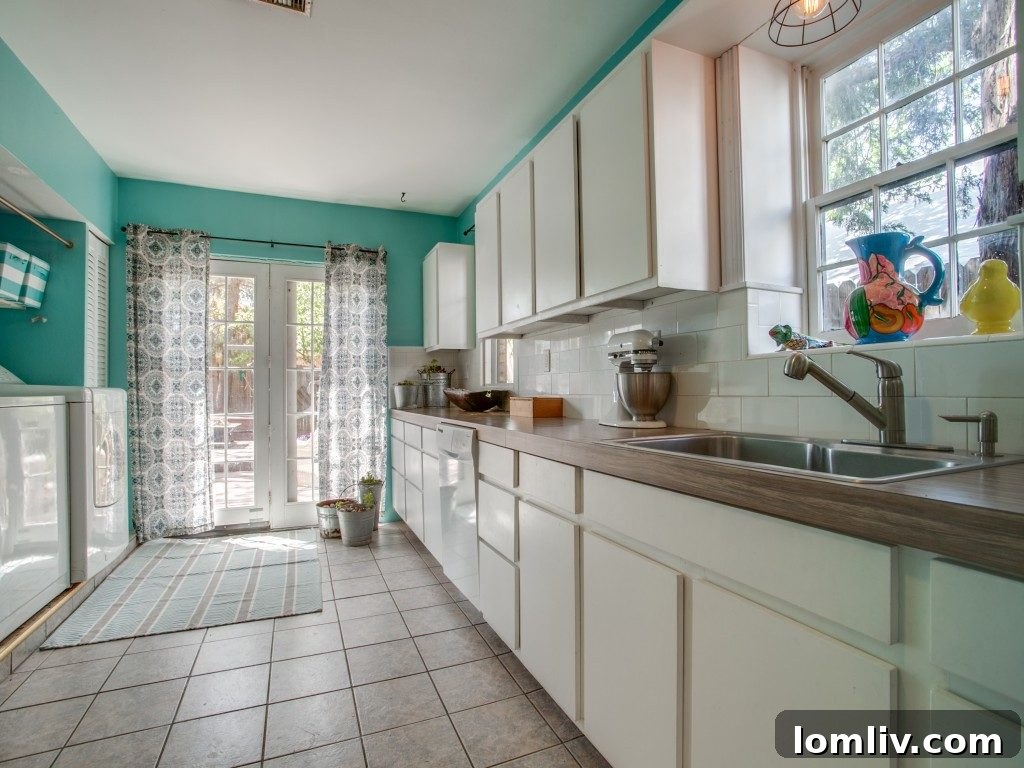
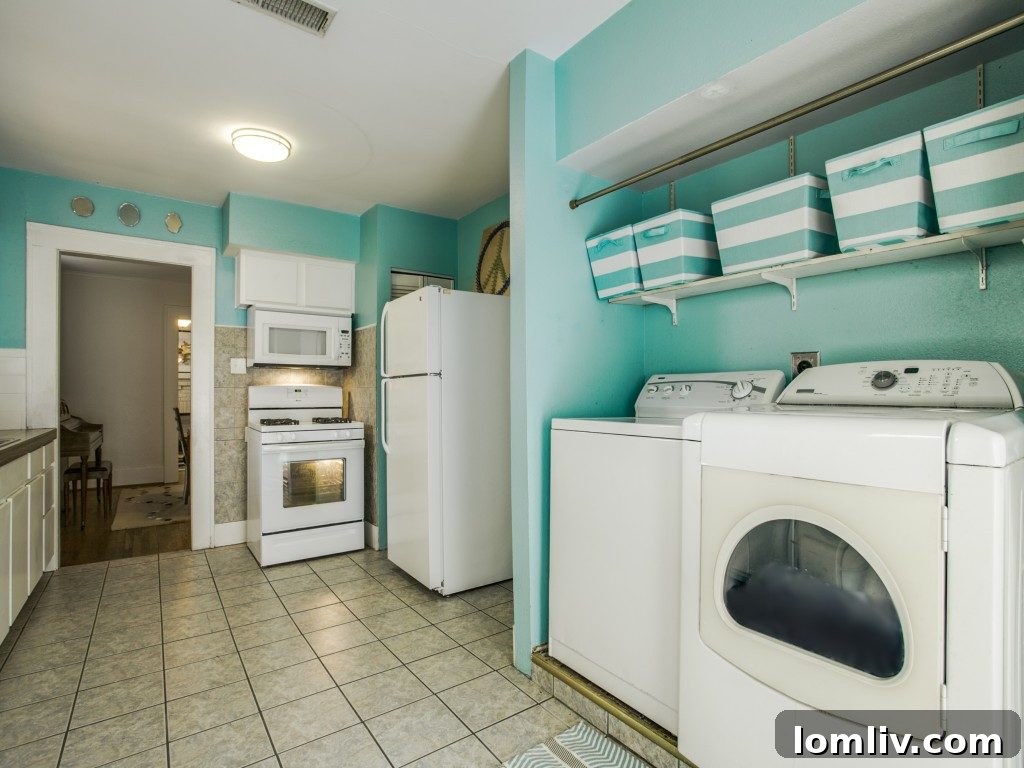
Beyond window treatments, artwork and rugs are crucial for defining spaces and adding personality. Ashley Home Stores have become a reliable source for reasonably priced pieces, and I often keep a stock for such occasions. Other excellent retailers for budget-friendly art and rugs include Kirklands, At Home, and, of course, the ever-dependable Ross and TJMaxx. Even seemingly minor details can have a major impact. For instance, the baskets in the utility area were a savvy Target sale find at $4.99 each, and the rug in the kitchen was a last-minute Ross discovery for a mere $14.99. These strategic, affordable purchases collectively elevate the perceived value and aesthetic appeal of a home, transforming it from ordinary to inviting.
Beyond new purchases, thrift stores are invaluable resources for unique accessories. I particularly love hunting for tabletop items, silver pieces, and books. These elements add character and a sense of curated style without breaking the bank. The elegant silver accessories gracing the dining room and mantle at 307 N. Waverly, for example, were all sourced from a garage sale benefiting Ronald McDonald House – a true win-win, combining charitable giving with smart staging.
Final Thoughts: Marketing Your Home Like a Brand
Before you place your home on the market, take a moment to consider your favorite retail store. How do they meticulously merchandise their inventory and market their brand? Imagine walking into a store that is dirty, with outdated merchandise, and advertisements featuring unkempt models. Would you be inclined to shop there again? Most likely not. The same principle applies to selling your home. Your home is a product, and its presentation directly impacts its marketability and perceived value. It’s not merely about tidiness; it’s about crafting an aspirational experience for potential buyers.
By effectively merchandising your home and assembling the right team—a skilled stager, a talented photographer, and a knowledgeable realtor—you create an irresistible package. This strategic investment can lead to astonishing results, including a significantly faster sale and a more substantial profit. Proper home staging and thoughtful real estate marketing are not expenses; they are critical investments that yield exceptional returns. Embrace the power of presentation, and watch your home transform from a listing to a highly sought-after dream residence.