
Embarking on the journey of investing in a new home is akin to stepping onto a pristine, polished dance floor. Everything appears flawless, beckoning with promise, yet navigating it successfully demands the right moves to avoid missteps. The compelling truth is that a new home holds significant potential as a wealth-generating asset, but only if one deeply understands the core drivers of its value, the strategic importance of its location, and the disciplined management of its associated costs. Let’s explore these critical elements, stripping away the jargon and focusing on practical insights.
Decoding the Profitability of a New Home Investment
The profit potential of a new home doesn’t materialize by chance; it’s a meticulously woven tapestry of strategic decisions and market dynamics. Understanding these underlying factors is paramount for any astute investor aiming to maximize their return.
Location, Location, Location: This age-old real estate mantra remains undeniably true. Investing in a neighborhood experiencing robust demand, driven by factors like job growth, excellent school districts, and attractive amenities, positions your property to ride a wave of consistent price appreciation. Conversely, a sluggish market may leave your investment stagnating, delaying any significant gains.
Timing the Market: While perfectly timing the market is a challenge, understanding broader economic cycles and local market trends is crucial. Buying when the market is stable or on an upward trajectory, and selling when demand is high, can significantly impact your profitability. Keep an eye on inventory levels and average days on market in your target areas.
Builder Reputation and Quality: The credibility and track record of the developer are often overlooked yet critical. A property from a builder renowned for superior construction quality, premium finishes, and reliable after-sales service tends to command a higher resale value and experiences more stable appreciation. Researching past projects, reading homeowner reviews, and inspecting their previous work can provide invaluable insights.
Interest Rate Environment: The prevailing interest rates directly influence borrowing costs. Lower rates make mortgages more affordable, stimulating buyer demand and potentially boosting property values. Conversely, rising rates can cool the market, making it harder for buyers to qualify and potentially dampening appreciation rates. Securing a favorable interest rate can significantly enhance your overall investment returns by reducing your carrying costs.
Compelling Benefits of Investing in New Construction

A newly constructed home offers a distinct allure, much like the very first slice of a freshly baked cake – pristine, untouched, and ready for enjoyment without any prior history. This inherent freshness translates into a multitude of advantages for the savvy investor or homeowner.
Immaculate Condition and Modern Design: Unlike older homes that often come with outdated aesthetics, mystery stains, or a hidden backlog of repairs, a new build is a blank canvas. It features contemporary layouts, open-concept living spaces, and modern finishes that are highly sought after by today’s buyers. This eliminates the immediate need for costly renovations and allows occupants to move in without delay.
Superior Energy Efficiency: Modern building codes and technologies prioritize energy conservation. New homes typically boast advanced insulation, high-performance windows, efficient HVAC systems, and eco-friendly appliances. These features significantly reduce utility bills, offering substantial long-term savings and contributing to a healthier bottom line for investors.
Comprehensive Builder Warranties: A significant peace of mind comes with the warranties accompanying most newly built homes. These typically cover major components like the structural integrity, major systems (HVAC, plumbing, electrical), and even cosmetic issues for a specified period. This safety net translates into fewer unexpected repair expenses during the initial years of ownership, protecting your investment from unforeseen costs.
Customization Opportunities: While not always an investment benefit for immediate resale, the ability to select finishes, fixtures, and even floor plans during the construction phase allows buyers to personalize their space to their exact preferences. This can sometimes lead to a higher perceived value if upgrades are chosen wisely with future resale in mind.
Smart Home Technology Integration: Many new homes are built with integrated smart home technology, including smart thermostats, security systems, and lighting controls. These features offer convenience, enhanced security, and further energy savings, appealing strongly to a modern demographic.
Understanding the Average Return on Investment for New Builds
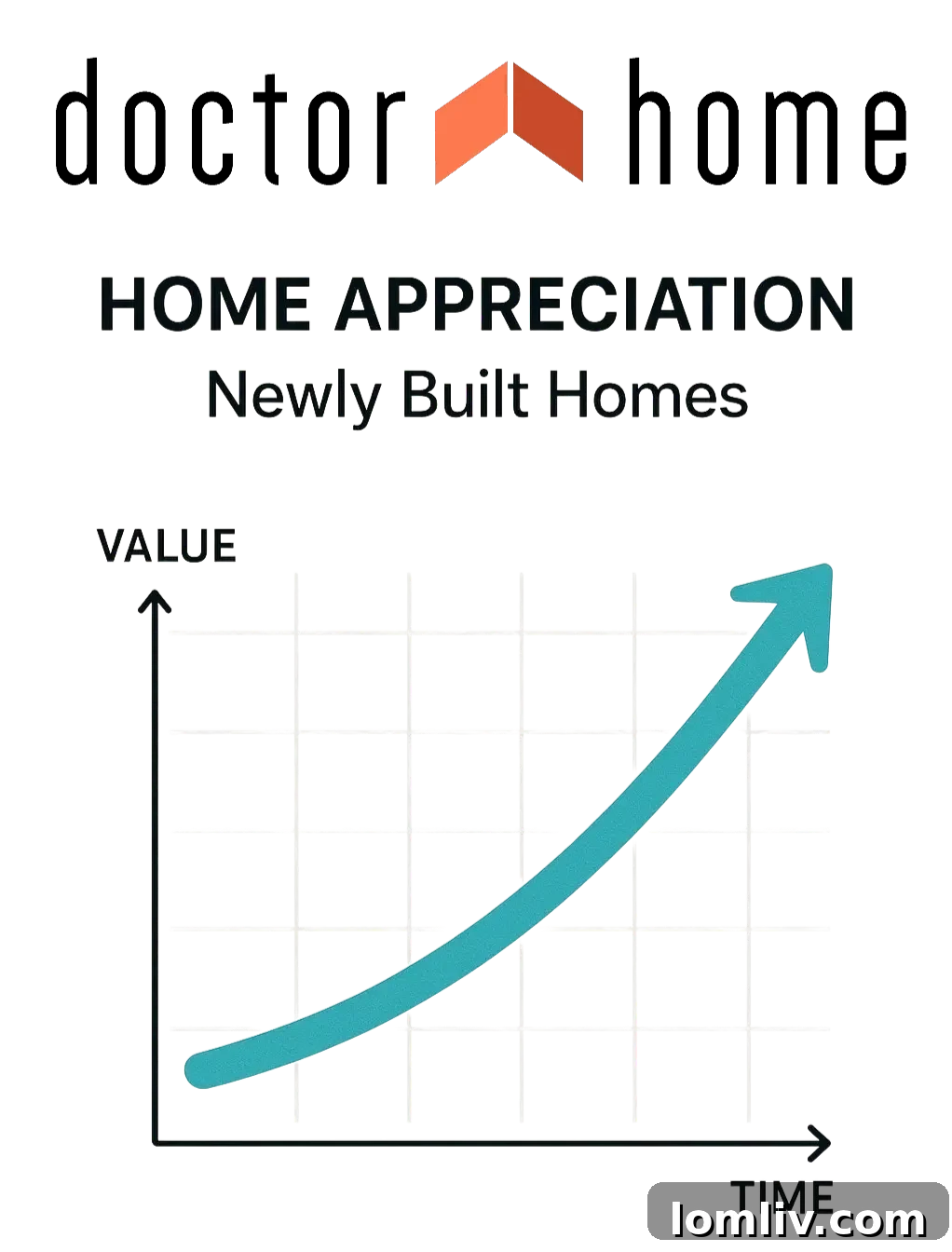
The return on investment (ROI) for new homes can exhibit a wide range, fluctuating as much as any other dynamic investment. In high-demand, rapidly appreciating markets, annual appreciation rates can reach double digits over a few years, leading to substantial profits. In more subdued markets, growth might be a more modest but still steady climb.
The true financial advantage of new construction often stems from a powerful combination of value growth and significant cost savings. The minimal maintenance and repair requirements in the first 5 to 10 years mean you’re not constantly funneling money into upkeep, which is a common drain on profitability for older properties. This dramatically enhances your net gain. This reduced expenditure on immediate repairs allows more capital to be retained or reinvested, making the overall return significantly healthier.
Furthermore, when the time comes to sell, the modern appeal and turnkey nature of a new home can attract buyers more quickly. The option to sell fast with Doctor Home – a trusted cash home buyer in St. Louis, for example, can be a game-changer. This streamlines the selling process, avoids the prolonged headaches of traditional listings, and allows you to lock in profits efficiently, turning your investment into liquid assets with minimal delay.
New Homes vs. Older Properties: A Deep Dive into Appreciation
While older homes often exude charm and character, new builds possess an undeniable curb appeal that resonates deeply with contemporary buyers. In today’s competitive real estate landscape, many buyers are willing to pay a premium for “turnkey” properties – homes they can move into immediately without the need for immediate renovations or updates.
This preference gives new construction a distinct advantage in terms of initial appreciation. New builds situated in desirable, growth-oriented areas frequently experience faster value appreciation within their first decade. This is primarily because they align perfectly with current design trends, incorporate advanced building materials, and meet stringent energy efficiency standards. They offer what modern families and professionals are actively seeking: convenience, low maintenance, and contemporary living.
Older homes, while capable of significant appreciation, often require substantial investment in renovations to compete with new construction. These updates, encompassing everything from kitchen and bathroom remodels to system upgrades and aesthetic overhauls, demand considerable time, effort, and capital. While these renovations can eventually bring an older home’s value in line with or even surpass that of newer properties, the initial cost and disruption represent a significant hurdle that new home buyers often prefer to avoid.
Moreover, the lifecycle of major components (roof, HVAC, water heater) in an older home means that a buyer is inheriting items nearing the end of their useful life, necessitating future capital expenditures. A new home, conversely, offers peace of mind with fresh components and builder warranties, contributing to its faster initial climb in market value and its attractiveness to a broad pool of buyers.
Essential Costs to Factor Before Investing in a New Home
The advertised price tag of a new home is merely the starting point of your financial commitment. A comprehensive budget must account for various additional expenses that can accumulate rapidly, significantly impacting your overall investment and profitability.
- Closing Costs: These are unavoidable and encompass a range of fees associated with finalizing the home purchase. Expect to budget for legal fees, title insurance, escrow fees, appraisal fees, loan origination fees, and various transfer taxes. These typically range from 2% to 5% of the home’s purchase price and must be paid upfront.
- Upgrades and Customizations: Builders often offer a base model with a vast array of upgrade options, from flooring and countertops to fixtures and smart home technology. While tempting, it’s easy to overspend here. Smart investors select upgrades that offer the best return on investment, such as enhanced kitchens or energy-efficient systems, rather than highly personalized choices that may not appeal to future buyers.
- Homeowners Association (HOA) Fees: Many new communities come with HOA fees, which are regular, mandatory payments. These fees typically cover the maintenance of shared amenities like pools, clubhouses, common landscaping, security, and sometimes even trash removal. While they provide value, they represent an ongoing cost that must be factored into your monthly budget.
- Property Taxes: New builds are often assessed at current market rates, which can result in higher initial property taxes compared to older homes in the same area whose assessments might not have caught up with recent market values. It’s crucial to understand how property taxes are calculated in your chosen municipality and budget accordingly.
- Landscaping and Exterior Finishes: That pristine lawn and elegant patio often seen in model homes are not always included in the base price. Many new homes come with a very basic landscaping package, or sometimes none at all. Budget for initial landscaping, fencing, decks, or patios to enhance curb appeal and outdoor living space, which are vital for future resale.
- Utility Hook-up Fees: Moving into a new home may involve initial fees for connecting utilities such as water, electricity, gas, and internet.
- Furnishing and Decorating: While not a direct investment cost, furnishing a new, often larger space can be a significant expense.
Neglecting these crucial calculations can transform what appears to be a profitable investment into a financially tight and stressful experience.
Identifying Prime Locations for High-Value New Home Investments

The strategic selection of location is arguably the single most critical determinant of your new home investment’s success. A well-chosen location can amplify returns, while a poor one can significantly impede appreciation.
Proximity to Expanding Job Markets: Areas experiencing robust job growth attract new residents, leading to increased housing demand and, consequently, rising property values. Look for regions with diverse industries and major employers, indicating a stable and expanding economic base.
Top-Rated School Districts: For many families, access to high-quality education is a non-negotiable factor. Properties within highly-rated school districts consistently command higher prices and appreciate more reliably, as demand remains strong regardless of broader market fluctuations.
Upcoming Infrastructure Projects: Investments in new roads, public transportation, commercial developments, and community facilities signal growth and improved quality of life. These projects enhance connectivity, accessibility, and convenience, all of which contribute to property value appreciation.
Emerging “Buzz” Neighborhoods: The keen investor identifies neighborhoods that are on the cusp of significant growth, rather than those that have already reached their peak. The sweet spot for buying is just before the influx of trendy coffee shops, farmers’ markets, boutique gyms, and high-end restaurants. These amenities are indicators of gentrification and rising desirability, which invariably drive property prices upwards. Buying into such areas early allows you to capitalize on the subsequent surge in value.
Access to Amenities and Recreation: Proximity to parks, green spaces, shopping centers, entertainment venues, and healthcare facilities greatly enhances a property’s desirability and, by extension, its market value. A location that offers a balanced lifestyle often appeals to a broader demographic.
Remember, even the most beautifully constructed home in an area lacking growth drivers is like a powerful sports car stuck in traffic – it won’t be going anywhere fast in terms of value appreciation. Research local development plans, demographic shifts, and economic forecasts to make an informed location choice.
Maximizing Profit from Your New Home Investment: Final Tips
To truly extract the maximum juice from your new home investment, approach it with a long-term, strategic mindset. Treating it not just as a place to live but as a significant financial asset will guide your decisions towards greater profitability.
Prioritize Consistent Maintenance: A well-maintained home holds its value better and appeals more strongly to potential buyers. Even with a new build, regular upkeep of the interior and exterior, from HVAC servicing to minor cosmetic repairs, preserves its pristine condition and prevents costly issues down the line.
Invest in Smart Upgrades: While it’s easy to over-customize, focus on upgrades that offer broad appeal and a strong return on investment. Energy-efficient appliances, modern kitchen and bathroom finishes, quality flooring, and smart home technology are generally safe bets that add significant value for future buyers.
Monitor Market Dynamics: Stay informed about local real estate trends, interest rates, and economic indicators. Understanding when supply is low and demand is high is crucial for achieving optimal resale value. Selling at the right time can be the difference between a good profit and an exceptional one.
Negotiate Effectively with Builders: Don’t assume the listed price is non-negotiable. Builders often have incentives, especially towards the end of their fiscal year or if specific inventory needs to move. Inquire about closing cost credits, free upgrades, or discounts on lot premiums.
Consider Rental Potential: Even if you plan to live in it initially, consider the home’s potential as a rental property down the line. A strong rental market can provide an alternative income stream or a holding strategy during a slow sales market.
Ultimately, successful new home investing requires a dual perspective: you want a place that offers comfort and functionality for immediate living, but is also strategically positioned to deliver substantial financial returns in the future.
Frequently Asked Questions About New Home Investments
Are new homes generally more profitable than older ones?
Often, yes, especially in the initial years. New homes typically incur significantly lower repair and maintenance costs early on, and their modern appeal, energy efficiency, and warranties can drive faster appreciation in active markets. However, location, market timing, and individual property specifics always play a pivotal role.
What is the recommended holding period for a new home before selling for profit?
Most real estate investors aim for a minimum holding period of 5 to 7 years. This timeframe generally allows for sufficient market appreciation to offset initial closing costs, cover any selling expenses, and generate a meaningful profit. Longer holding periods often lead to greater capital gains due to compounding appreciation.
Is it necessary to pay for upgrades in a new home to ensure profitability?
Not always. A new home with basic, quality finishes can still be very profitable. However, strategically chosen upgrades, particularly in high-impact areas like kitchens, bathrooms, flooring, and energy-efficient systems, can significantly enhance the home’s appeal and boost its resale value, often yielding a good return on the upgrade investment.
Is investing in a new home during a market slowdown considered risky?
It can introduce additional risk. A market slowdown typically means reduced buyer demand and slower appreciation rates, potentially delaying your investment’s profitability. However, buying in a fundamentally strong, growing area during a lull can sometimes present opportunities for long-term investors, as prices may be more favorable before the next market upturn.
What is the fastest way to sell a new home for profit?
To sell a new home quickly and efficiently for profit, consider options like working with a reputable cash home buyer or real estate investor. This approach typically bypasses agent fees, eliminates the need for any repairs or staging, and significantly shortens the selling timeline, allowing you to liquidate your asset and realize your profit much faster than through a traditional listing process.