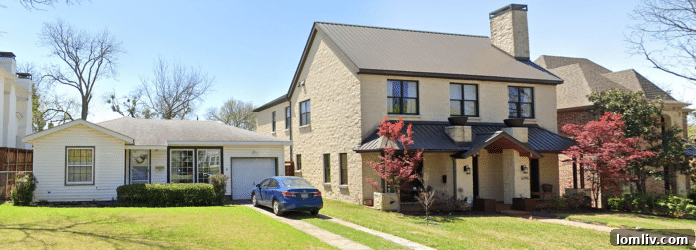
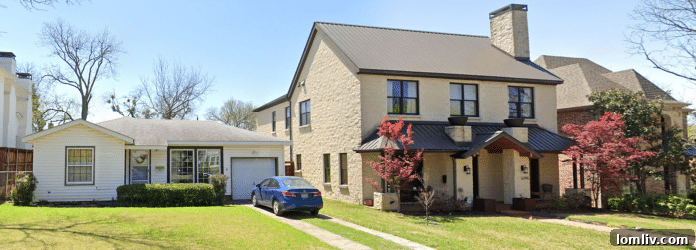
The vibrant Dallas community is buzzing with anticipation as a crucial public meeting is set to take place at 6 p.m. on Monday, December 5th. This gathering is dedicated to discussing the comprehensive plans for the proposed South Winnetka Heights Conservation District (CD). This initiative represents a significant step towards preserving the unique charm and architectural integrity of one of Dallas’s most cherished neighborhoods. Residents, stakeholders, and interested parties are strongly encouraged to attend and contribute to shaping the future of South Winnetka Heights.
Understanding Conservation Districts in Dallas: Preserving Unique Neighborhood Character
To fully grasp the importance of this proposal, it’s essential to understand what a conservation district entails. The City of Dallas defines a conservation district as a vital zoning tool designed to protect and enhance areas within a neighborhood that possess a distinct physical character. Unlike conventional zoning, which primarily regulates land use and density, a CD focuses on safeguarding the visual and structural elements that give a community its unique identity.
Conservation districts are often likened to historic districts, as both serve as powerful forms of preservation. However, their core objectives differ significantly. Historic districts primarily aim to preserve historical integrity, materials, and architectural styles from a specific period, often referred to as a “period of significance.” The goal is to maintain authenticity to a particular historical era. In contrast, conservation districts are conceived to provide a flexible yet robust mechanism for conserving an area’s distinctive character by protecting or enhancing its physical attributes. These attributes can include everything from building setbacks and lot coverage to façade materials, roof pitches, and landscaping standards. As stated on the City of Dallas website, “They are often seen as complementary branches of preservation,” working hand-in-hand to ensure Dallas’s diverse architectural heritage remains vibrant and intact for generations to come. This distinction highlights the adaptability of CDs, allowing neighborhoods to tailor regulations that specifically address their unique challenges and aspirations without strictly adhering to a single historical period.
The Distinctive Character of South Winnetka Heights
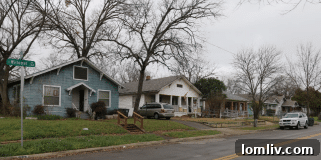
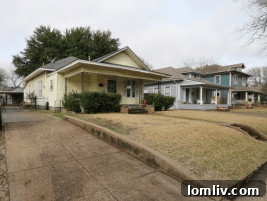
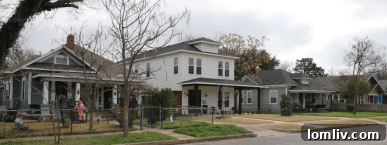
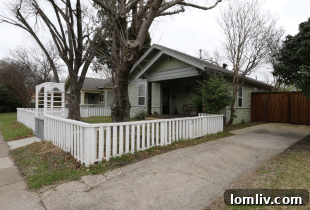
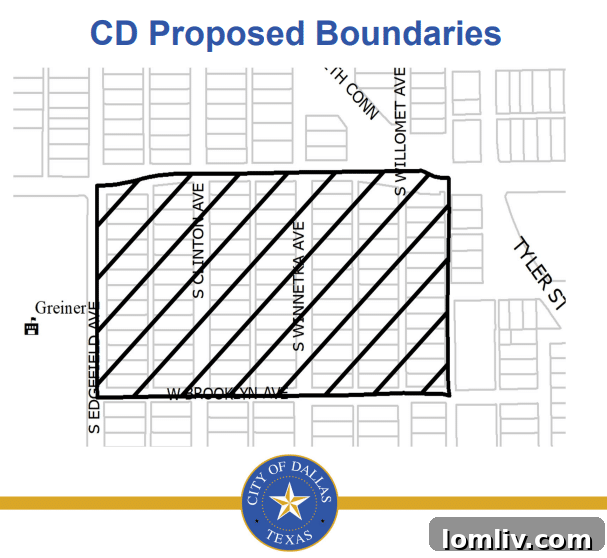
The proposed South Winnetka Heights Conservation District is rooted in a rich history and a strong sense of place. This charming area was originally platted in the first decade of the 1900s, initially under the broader umbrella of Winnetka Heights. Its geographical boundaries clearly define its unique enclave: bordered on the west by South Edgefield Avenue, to the south by Brooklyn Avenue, to the north by 12th Street, and to the east by South Polk Street. The neighborhood boasts a compelling similarity in character to its namesake and immediate northern neighbor, Winnetka Heights, which already benefits from a conservation district designation. This established precedent provides a clear vision for how a CD can successfully protect and enhance a community’s attributes.
South Winnetka Heights is particularly renowned for its collection of lovely Craftsman-style homes, with a significant majority constructed between 1925 and 1930. These homes are characterized by their distinctive architectural features: low-pitched roofs with wide, overhanging eaves, exposed rafters, decorative brackets, large front porches supported by thick columns, and a masterful use of natural materials like wood and stone. This consistent architectural vocabulary, combined with mature tree-lined streets and well-maintained landscapes, contributes to a cohesive and appealing streetscape that residents are eager to safeguard. The designation of a conservation district aims to ensure that any new development or renovations adhere to these established aesthetic guidelines, thus preserving the visual harmony and historical resonance of the area.
Why South Winnetka Heights Needs a Conservation District
The drive to establish a Conservation District in South Winnetka Heights stems from a deeply felt desire within the community to protect its unique identity amidst rapid urban development. Dallas is a growing metropolitan city, and while transformation is important and inevitable, residents want to ensure that growth is harmonious, orderly, and respectful of existing neighborhood character. Chief Planner Trevor Brown, who is leading the project for the city, articulates this sentiment perfectly: “As homogenous architecture becomes the norm across the country, it is important to protect and enhance the neighborhoods that provide an identity unique to Dallas.” He further emphasized to Daltxrealestate.com that “conservation districts are a way of managing change in a way that ensures harmonious, orderly, and efficient growth in the neighborhoods that shape and inform the Dallas we know today.”
Residents have witnessed, in other burgeoning areas of the city, how unchecked development can lead to the demolition of architecturally significant homes and their replacement with structures that are entirely incompatible with the surrounding neighborhood. The term “McMansions” often comes up in these discussions – large, often generic houses that overshadow existing homes, disrupt lot sizes, and clash with the established architectural rhythm of a street. The South Winnetka Heights community website highlights that despite being “though small in area, only four blocks long and one block wide, big changes are underway.” The area is undergoing a “significant resurgence,” and residents want to proactively manage this renaissance to ensure it respects and enhances the existing fabric, rather than eroding it. By pursuing a Conservation District, residents are taking control of their neighborhood’s future, ensuring that future development contributes positively to its distinctive charm and character.
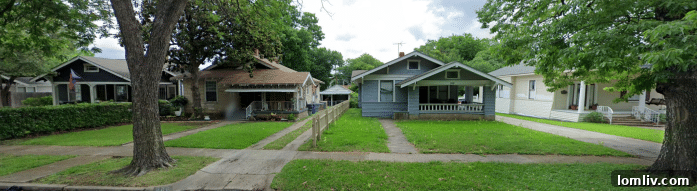
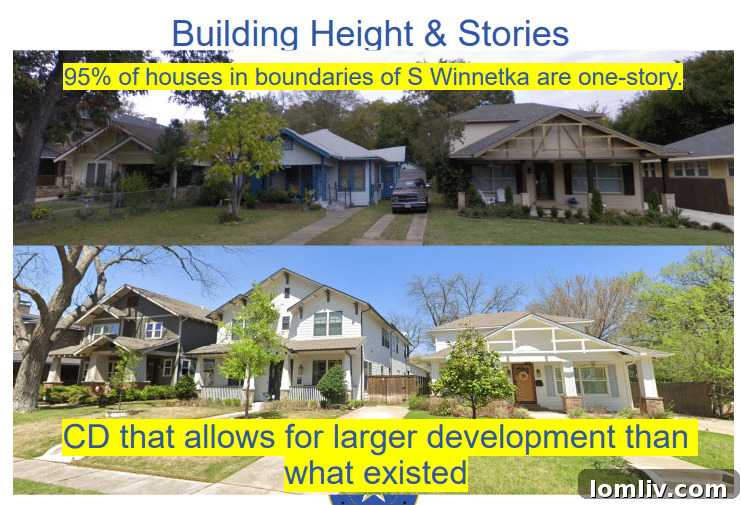
The experience of Lakewood residents, who initiated the process of expanding an existing conservation district, serves as a powerful precedent. Their primary motivation was to prevent new buyers from demolishing architecturally significant homes and rebuilding structures incompatible with the neighborhood’s established aesthetic. South Winnetka Heights residents echo this sentiment, expressing a clear desire to avoid “McMansions” and instead “preserve the architectural characteristics of the neighborhood.” This collective vision is what drives the arduous, yet ultimately rewarding, process of establishing a Conservation District.
The Journey to Designation: A Community-Driven Process
The creation of a conservation district is a testament to sustained community effort and collaboration with city officials. South Winnetka Heights is one of two neighborhoods currently in the process of establishing a CD, and notably, its journey began earlier than the highly publicized efforts in Lakewood. The South Winnetka Heights community held its first pre-application meeting with city staff in November 2020, demonstrating a long-standing commitment to this goal.
Gathering Community Support: The Petition Phase
The initial and most crucial step in forming a conservation district involves a neighborhood committee circulating petitions. To move forward, these petitions must garner signatures from property owners within the proposed district, representing at least 58 percent of the land area, excluding streets and alleys. This rigorous requirement ensures that the initiative truly reflects the widespread desire of the community. For the South Winnetka Heights Conservation District, residents successfully submitted and verified 71 petitions, a clear indicator of strong neighborhood consensus, according to city documents.
Shaping the Standards: Public Meetings and Resident Input
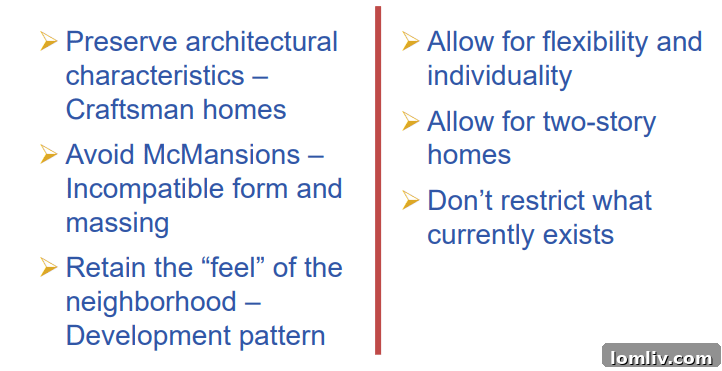

Following the petition phase, the process transitions to a series of intensive public meetings where the specific details of the proposed district are debated and refined. Public meetings for the South Winnetka Heights proposal began in September, and Monday’s meeting will mark the fifth time the community has convened. This multi-meeting format is essential because, as Chief Planner Brown explained in a November presentation to residents, “Current City of Dallas code will allow development that is incompatible with the existing character of the neighborhood. The neighborhood has expressed a desire to preserve its character. Some degree of additional standards will be necessary to maintain the characteristics of the neighborhood and meet the desires of the residents. We are meeting to develop specific details for the development standards and architectural standards your neighborhood chose for consideration.”
These discussions are comprehensive, covering everything from fundamental building height restrictions and setbacks to more intricate details like roofing materials, window styles, and front porch requirements. It often takes at least 10 meetings to thoroughly discuss and finalize these various aspects, ensuring that the proposed standards accurately reflect the neighborhood’s vision and are legally sound. Residents play a critical role in these meetings, offering invaluable input that directly shapes the draft ordinance, ensuring that the preservation guidelines are both effective and representative of community values.
Official Approval: City Plan Commission and City Council
Once the series of public meetings concludes and the specific standards are agreed upon, city staff diligently draft an official ordinance. This document then embarks on a journey through the city’s approval process, first going before the City Plan Commission. The Commission reviews the proposal for its adherence to city planning goals and overall feasibility. Upon their recommendation, the proposal proceeds to the Dallas City Council for final approval. This multi-layered review ensures that the proposed conservation district is not only desirable to the community but also aligns with the broader development and preservation objectives of the City of Dallas.
Looking Ahead: The Future of South Winnetka Heights
The successful establishment of the South Winnetka Heights Conservation District promises a future where the neighborhood’s distinctive character is legally protected. This designation will empower residents with greater control over the aesthetic direction of their community, preventing the encroachment of incompatible development and safeguarding the architectural heritage that makes South Winnetka Heights so special. It fosters a sense of stability, predictability, and pride, which can also positively influence property values and attract homeowners who appreciate the area’s unique charm.
As the South Winnetka Heights neighborhood website proudly states, “Look for more information on the imminent community renaissance in South Winnetka Heights.” The Conservation District is not just about preservation; it’s about intelligent growth, ensuring that the “big changes” underway contribute to a sustainable and aesthetically pleasing future. It’s a proactive measure to ensure that this small but significant Dallas neighborhood continues to thrive as a unique, architecturally rich, and desirable place to live for many years to come.
Community participation is paramount in this crucial stage. All residents and interested parties are urged to attend the upcoming meeting on Monday, December 5th, at 6 p.m. at Arts Mission Oak Cliff, located at 410 South Windomere Ave. Your voice and input are invaluable in defining the specific development and architectural standards that will guide South Winnetka Heights into its bright future.