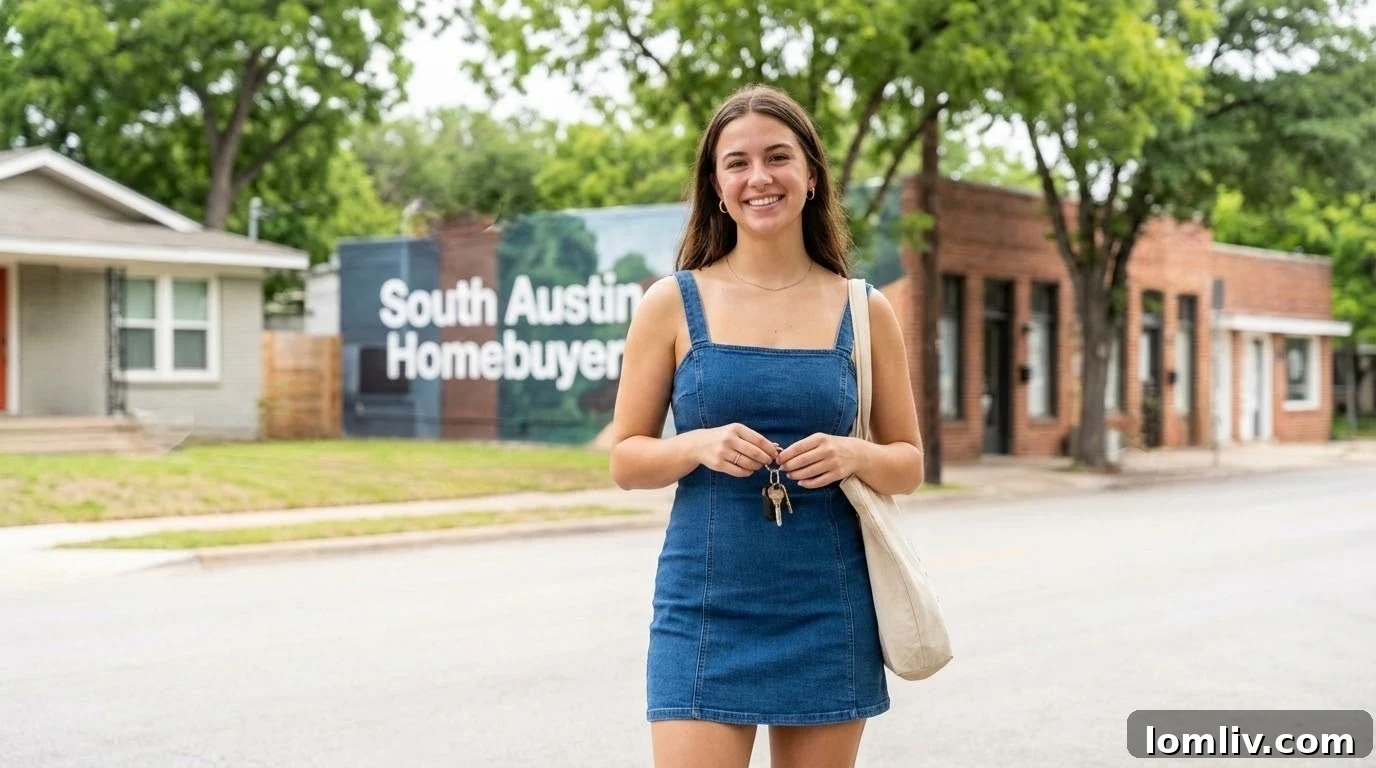
For decades, the journey of homeownership followed a predictable path. Prospective buyers typically sought residences close to their workplaces, meticulously evaluated school districts, assessed square footage, and finalized the purchase. In this traditional paradigm, location was almost exclusively defined by its proximity to one’s employer, with all other considerations largely secondary.
However, this long-standing formula has been undergoing a significant transformation, a shift that profoundly reflects the contemporary American lifestyle. The priorities now topping buyers’ checklists signal a fundamentally different understanding of what constitutes an ideal location in 2026 and beyond. This evolution is driven by a confluence of societal, technological, and environmental factors, reshaping the very fabric of real estate decision-making.
This article delves into the most substantial shifts in current buyer priorities, exploring the underlying reasons for these changes and their profound implications for local real estate markets across the nation.
The Lifestyle Migration: Redefining City Growth and Resident Needs
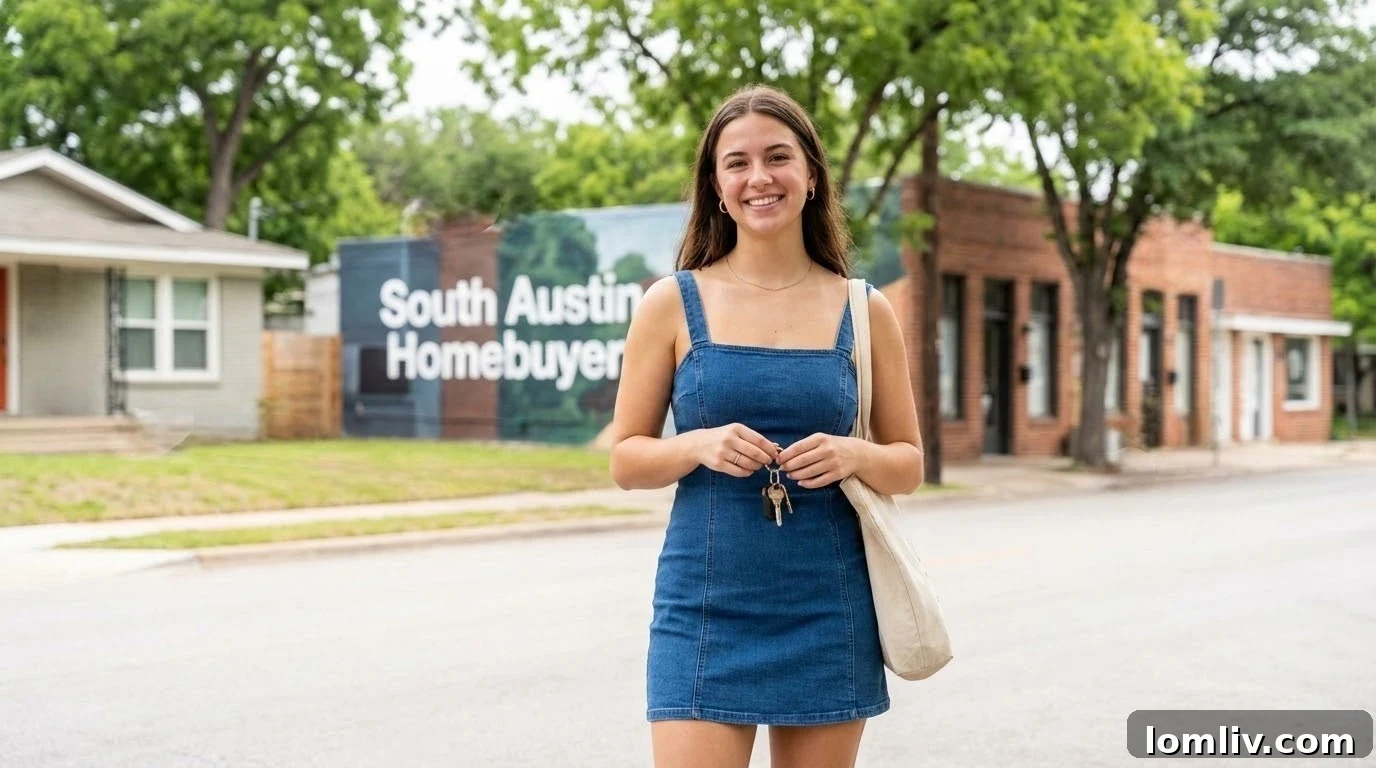
While growth statistics often highlight the sheer volume of people relocating to certain areas, the truly insightful narrative unfolds as these new residents settle and their evolving needs begin to influence their living choices. It’s not just about who is moving in, but what they are seeking once they’ve arrived and decided to put down roots. This phenomenon, often termed ‘lifestyle migration,’ focuses on the desire for a particular quality of life rather than merely economic opportunity.
Austin, Texas, stands as a prime example of a city experiencing significant lifestyle migration. Ranking sixth nationally as a destination for millennial movers, the city welcomed over 105,000 adults aged 25 to 44 in 2024 alone. By 2026, Austin is home to more than 393,600 millennial adults, a demographic whose priorities are increasingly shaping the housing market. As Austin’s robust tech sector matures and stabilizes after years of rapid expansion, buyers are now prioritizing long-term stability and community integration over speculative investment opportunities or quick property appreciation. They seek a place where they can envision a future, not just a temporary stop.
Many of these new residents are drawn to South Austin’s established neighborhoods. The allure lies in the vibrant cultural scene, the renowned food landscape, and a palpable sense of community that feels authentic and deeply lived-in. These areas offer a blend of modern amenities and traditional charm, appealing to those who desire more than just a house, but a lifestyle. However, as these millennials increasingly purchase homes, start families, and firmly establish themselves, their initial priorities begin to evolve significantly.
While the appeal of a fantastic taco spot undoubtedly retains its charm, the importance of practical amenities and essential services grows exponentially. Knowing there’s a reliable emergency room in South Austin within reasonable proximity becomes just as, if not more, critical than trendy dining options. This shift towards more practical considerations, encompassing everything from accessible healthcare to quality childcare and well-maintained public spaces, is a clear trend observable across the entire Austin metropolitan area and similar growing cities nationwide.
As Ally Medical Emergency Room aptly states, emergencies don’t wait for appointments. This stark reality profoundly influences how individuals evaluate their chosen living environments. The increasing emphasis on robust, readily available everyday support systems is a strong indicator that as millennials settle into places like Austin for the long haul, these foundational services are increasingly becoming non-negotiable elements in their home search criteria. A vibrant city is no longer enough; it must also be a functional, supportive city.
Millennials who made dynamic cities like Austin their home in their twenties are not necessarily looking to depart as they enter new life stages. Instead, they expect the city to evolve alongside them, providing the critical family support and safety nets that align with this new chapter of life. This includes excellent schools, safe parks, community engagement opportunities, and a general environment conducive to raising families and fostering long-term well-being. The definition of a “good city” expands from exciting to encompassing “sustainable living” for decades to come.
The Rise of Community: When Proximity to Work Takes a Backseat
For the majority of the twentieth century, conventional real estate wisdom adhered to a single, overriding principle: buy a home close to your place of employment. This fundamental belief profoundly influenced urban planning, spurred suburban development, and dictated the price premiums for neighborhoods within city limits. However, the advent and widespread adoption of remote and hybrid work models have significantly eroded this traditional logic, as clearly demonstrated by recent housing market data.
Insights from the National Association of Realtors’ (NAR) 2025 Profile of Home Buyers and Sellers underscore this pivotal shift. A significant 59 percent of buyers identified the overall quality of the neighborhood as their paramount factor when selecting a home. Following closely, 45 percent prioritized proximity to friends and family. In stark contrast, only 34 percent cited convenience to their job as a top consideration. This data vividly illustrates a departure from a work-centric housing market to one focused on personal well-being and social connections.
The prominence of “proximity to friends and family” as a key motivator for moving is particularly noteworthy and often overlooked in broader discussions about population shifts. Much of the analysis around urban growth and migration patterns tends to focus on factors like housing affordability or the flexibility offered by remote work. While these are undoubtedly significant, the deep-seated human desire to live closer to one’s core support system – the people who matter most – represents a powerful and often underestimated driver behind residential relocation decisions.
Today, prospective buyers are not merely evaluating a neighborhood as a geographical point on a map; they are assessing it as an integral component of their daily lives and long-term aspirations. The critical question they pose is no longer solely about commuting efficiency, but rather: Does this neighborhood genuinely support the life I envision for myself and my family, beyond just my current career trajectory? This holistic perspective necessitates a deeper look into the surrounding environment, demanding more than just a house.
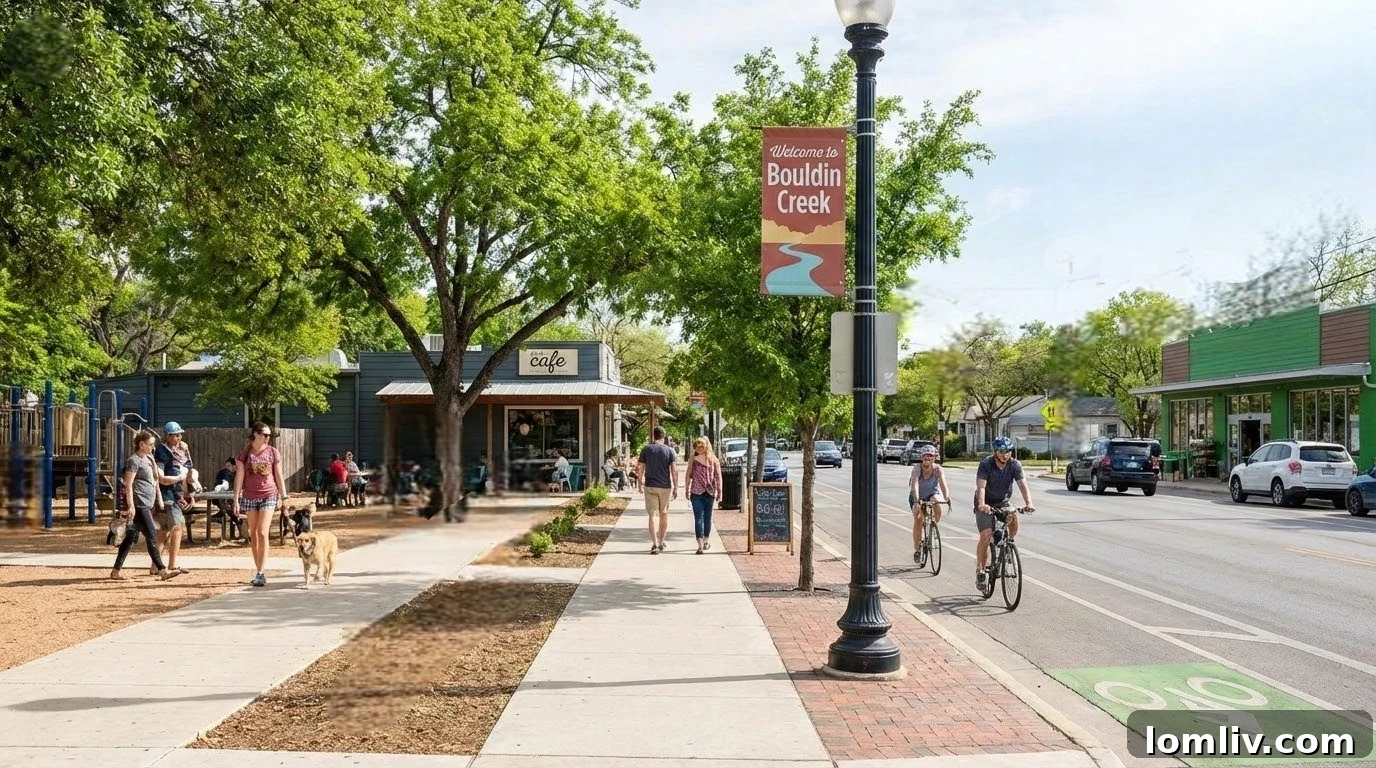
As a direct consequence, social infrastructure and a clearly defined sense of neighborhood identity have emerged as critical elements that buyers are actively seeking, alongside the physical attributes of the home itself. This includes access to parks, community centers, walkable streets, vibrant local businesses, and opportunities for social engagement. Buyers want a place where they feel connected, where their children can play safely, and where they can build lasting relationships. The shift from “commute is king” to “community is core” fundamentally redefines what makes a location desirable in the modern era.
Climate Risk: From Obscure Disclosure to Primary Concern
For many years, the specter of climate risk lingered quietly in the periphery of most home purchasing decisions. It typically manifested in the obscure fine print of insurance disclosures, or on the intricate lines of FEMA flood maps, seldom acting as a decisive factor in making or breaking a real estate deal. However, this era of passive consideration is decisively over. Today, climate-related risks have ascended to a level of importance that warrants discussion alongside traditional deal-breakers like mortgage rates and school district ratings, fundamentally altering how properties are evaluated and transacted.
A recent national poll, conducted by Kin Insurance involving one thousand American homeowners, revealed a sobering trend: nearly half of respondents indicated that climate-related risks could compel them to relocate. Even more striking, a staggering 93 percent expressed concern that extreme weather events could inflict damage upon their property within the next three years. These statistics highlight a pervasive anxiety and a growing consciousness among homeowners regarding the tangible threats posed by a changing climate to their most significant asset.
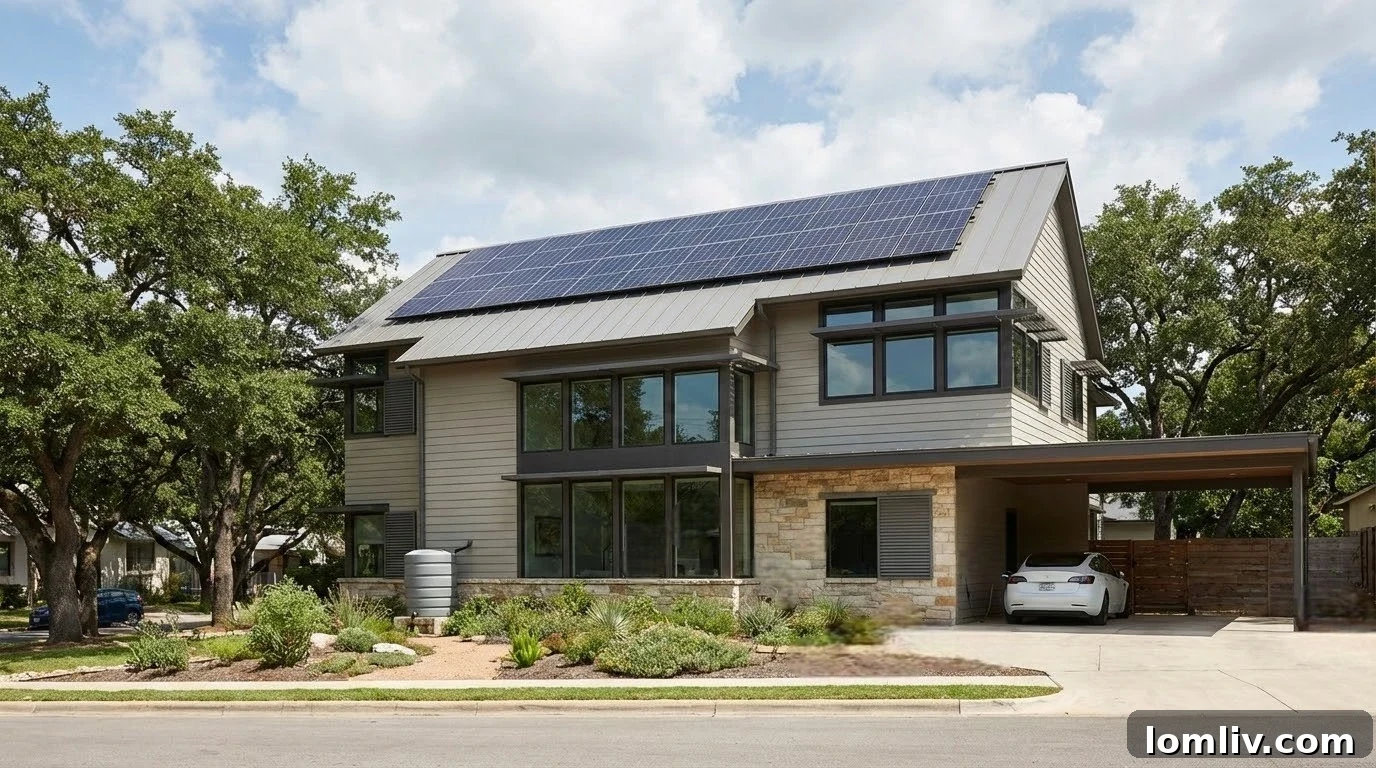
In states like Texas, where the infrastructure has been severely tested by extreme summer heatwaves and unpredictable winter freezes in recent years, buyers are exhibiting a heightened vigilance regarding home resilience. The devastating impacts of power grid failures and burst pipes have imprinted a clear lesson. Consequently, properties equipped with advanced solar panels, superior insulation, or energy-efficient windows are no longer just appealing for their utility savings; they are now distinct differentiators in competitive markets like South Austin. These features represent a proactive defense against environmental challenges and offer a greater sense of security.
This increased awareness has propelled infrastructure resilience into a critical component of the modern home search. Buyers are now actively engaging with sellers and agents, asking pointed questions about the presence of backup generators, the quality of pipe insulation, and the immediate proximity to essential emergency services. They are seeking homes that are not just aesthetically pleasing or ideally located, but fundamentally robust and capable of withstanding environmental pressures. This reflects a desire for peace of mind and protection of their investment against increasingly frequent and severe weather events.
Simultaneously, the rapidly escalating costs of homeowners insurance premiums are quietly, yet powerfully, pushing certain zip codes and even entire regions off prospective buyers’ lists. What was once a minor annual expense has, in some areas, become a prohibitive barrier to entry. Many buyers are discovering that while they might qualify for the mortgage itself, the annual cost of protecting their home against floods, fires, or windstorms is making homeownership financially unsustainable. This “insurance affordability crisis” is forcing a radical re-evaluation of what constitutes a truly “affordable” location, adding another layer of complexity to the already challenging homebuying process and emphasizing climate risk’s profound economic impact.
Frequently Asked Questions About Modern Homebuying Priorities
1. How can I thoroughly check if a home is in a high climate risk zone before purchasing?
Begin your research by consulting the FEMA Flood Map Service Center to understand flood risk. Supplement this with advanced digital tools such as Climate Check or Risk Factor by First Street Foundation, which provide comprehensive scores for properties based on flood, wildfire, extreme heat, and storm risks. These platforms offer granular data that can significantly inform your decision. Furthermore, a crucial indicator is your homeowners insurance quote; an unusually high premium is a significant red flag that warrants immediate and thorough investigation into potential environmental hazards and resilience issues.
2. What specific amenities are most important to first-time homebuyers in 2026?
As anticipated, convenient access to grocery stores and a diverse range of restaurants continues to top the list for first-time buyers. However, the priorities for 2026 have expanded significantly. These buyers are also heavily weighing proximity to urgent care facilities, ample green spaces for recreation, and, crucially, highly reliable internet service. The ability to access essential shops and everyday conveniences within walking distance has evolved from a desirable bonus to a fundamental baseline expectation for many individuals entering the housing market, underscoring a demand for highly livable and self-sufficient neighborhoods.
3. Which neighborhoods and areas in America are experiencing the fastest growth right now?
Current trends indicate rapid growth in areas such as the suburbs of Fulton County, Georgia; Pinal County, Arizona; and the expansive outlying areas surrounding Fort Worth, Texas. This growth is predominantly fueled by a combination of factors including the availability of more affordable land, comparatively lower property taxes, and convenient access to major metropolitan centers without the accompanying high cost of living. These regions offer a compelling balance of urban proximity and suburban tranquility, making them attractive to a wide demographic seeking value and quality of life.
Ultimately, today’s discerning buyers have fundamentally expanded their definition of what constitutes a “practical” homebuying decision. The long-held primacy of proximity to work has gracefully given way to a new emphasis on proximity to community, essential services, and environmental resilience. Sellers, real estate agents, and property developers who keenly recognize and adapt to these evolving paradigms are already repositioning their properties and reshaping their narratives about the neighborhoods they represent, ensuring their offerings align with contemporary demands.
The buyers entering the market in 2026 have navigated a period marked by significant global disruption, from pandemics to climate crises. They understand intuitively that a home’s true and lasting value is inextricably linked to the vitality, safety, and resilience of the area surrounding it. Therefore, when they make purchase decisions with these multifaceted considerations in mind, it is not merely a preference but a logical adaptation. They are simply striving to secure the optimal match for their deeply considered and evolving priorities, seeking not just a house, but a secure, supportive, and sustainable place to thrive.