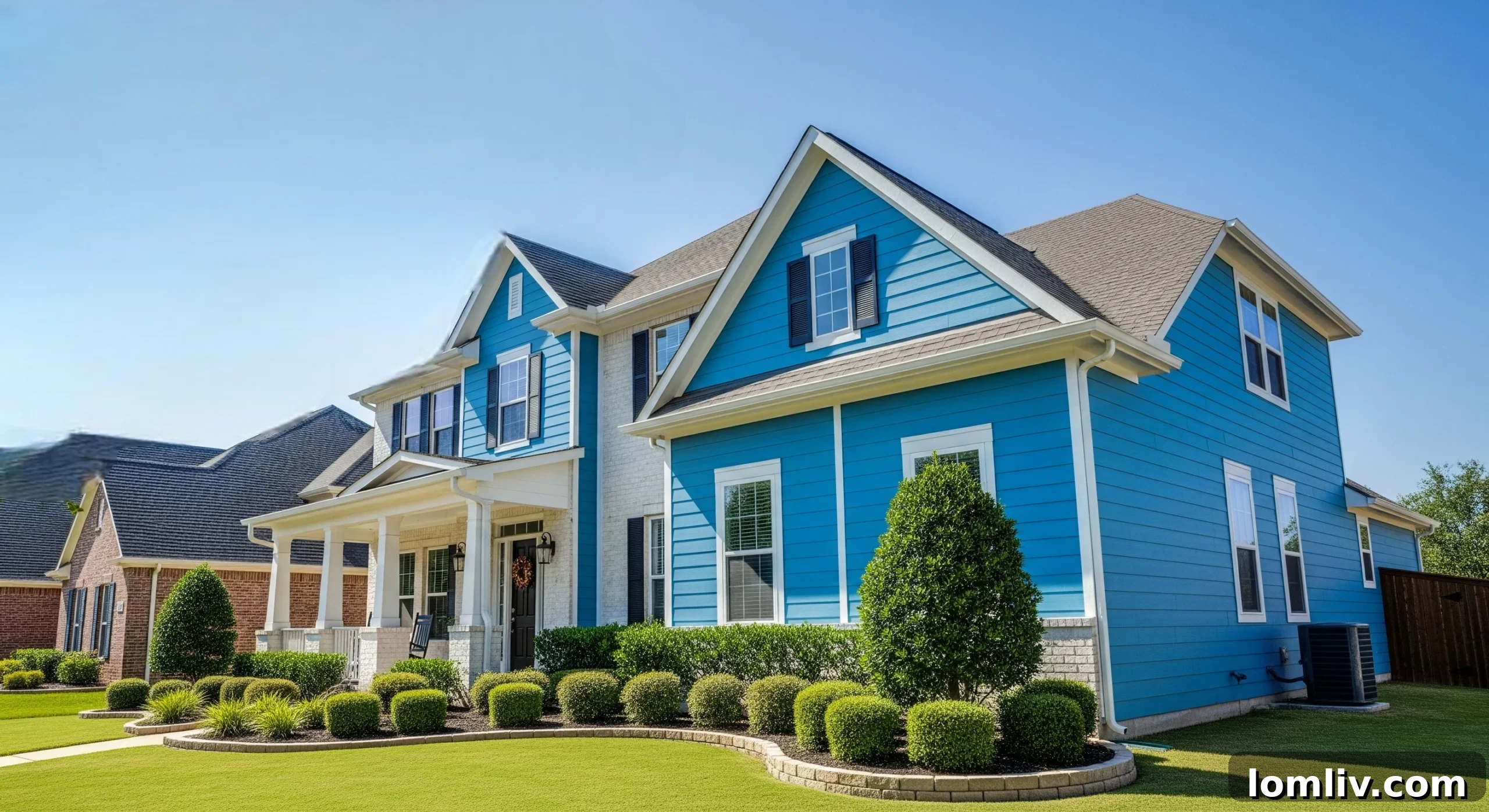
Investing in a professional paint job is one of the most effective ways to refresh your home’s appearance, boost its curb appeal, and protect your most significant asset. However, the success of this endeavor hinges entirely on choosing the right painting contractor. A high-quality finish not only looks impeccable on day one but also stands the test of time, enduring years of wear and weather. Conversely, a rushed or subpar paint job can quickly diminish your home’s value and become a source of frustration, leading to costly re-dos.
In bustling areas like McKinney, numerous painting companies vie for your business, making the selection process seem daunting. Identifying a contractor who genuinely aligns with your project’s specific requirements, budget, and timeline demands careful consideration. This comprehensive guide will equip you with the essential knowledge and questions to ask, helping you navigate the options, spot the true professionals, and ensure your home receives the impeccable finish it deserves. By focusing on key aspects from project compatibility to contractual clarity and site management, you can confidently select a painting partner who delivers exceptional results and a smooth, stress-free experience.
1. Ensure Their Expertise Matches Your Project’s Needs
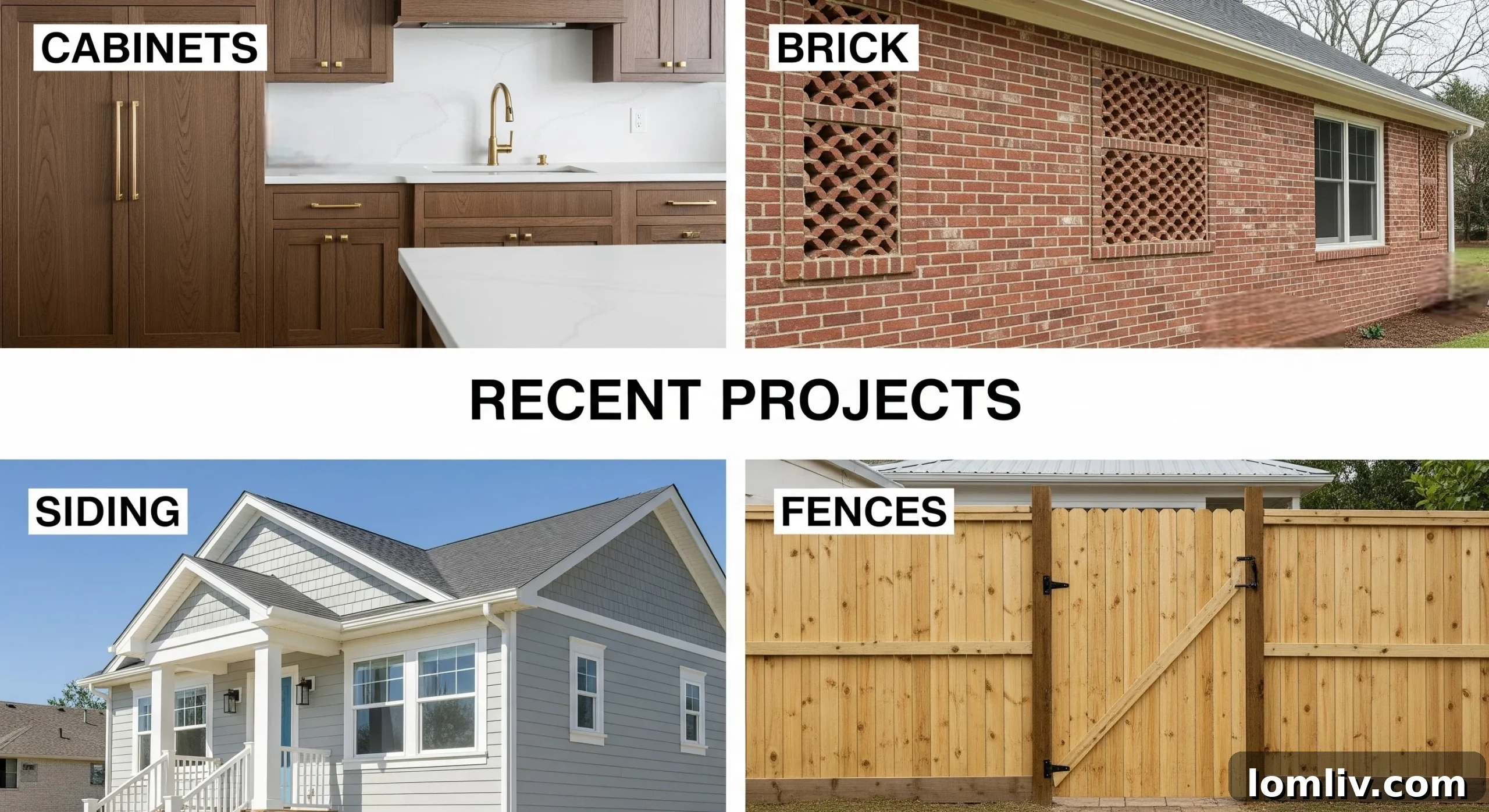
Before committing to a painter, it’s crucial to verify their capability to handle the specific intricacies of your project. Not every crew possesses the specialized skills or equipment required for every surface or application. Always ask to see examples of recent work that closely mirrors your needs, whether it’s exterior siding, interior walls and ceilings, intricate cabinet refinishing, challenging brick or masonry work, or even fence painting.
- For Cabinet Painting: Cabinetry requires meticulous preparation to ensure durability. Inquire about their detailed process, which should include thorough degreasing to remove grease and grime, comprehensive sanding to create an optimal bonding surface, application of a high-quality bonding primer, and robust dust control measures. Critical questions involve their drying and curing times for each coat, and whether they utilize a controlled spray environment with proper masking and ventilation. Without these precise steps, cabinet coatings are highly prone to premature failure, chipping, and peeling. Ask if they spray off-site in a dedicated booth or if they can create an equivalent controlled environment within your home.
- For Brick or Masonry: Painting brick and other masonry surfaces demands specific product knowledge. Confirm they exclusively use breathable masonry acrylics, which allow the brick to “breathe” and moisture to escape naturally. Avoid contractors who propose heavy, non-breathable waterproof coatings (elastomerics) unless the project genuinely requires them for specific structural reasons, as these can trap moisture within the masonry, leading to spalling, efflorescence, and long-term damage. Discuss their methods for cleaning and repairing mortar joints prior to painting.
- For Other Surfaces: If your project involves wood siding, stucco, metal railings, or other unique materials, ask about their experience with those specific substrates and the recommended primers and paints.
Whenever possible, ask to walk a recent project or browse a detailed portfolio that includes addresses or verifiable examples. When inspecting their work, look for unmistakable signs of craftsmanship: clean, razor-sharp cut lines where ceilings meet walls and along trim; perfectly even sheen across all surfaces; smooth, consistent caulk joints free of cracks or gaps; absence of drips on door edges or inside corners; and absolutely no overspray on windows, roofs, landscaping, or adjacent property. Beyond visual inspection, always request three local references and make it a point to call them. Inquire about the crew’s punctuality, their daily cleanup routines, and how effectively they handled any touch-ups or final adjustments after the project’s completion. These insights offer invaluable real-world feedback on their professionalism and commitment to client satisfaction.
2. Demand a Detailed, Itemized Contract
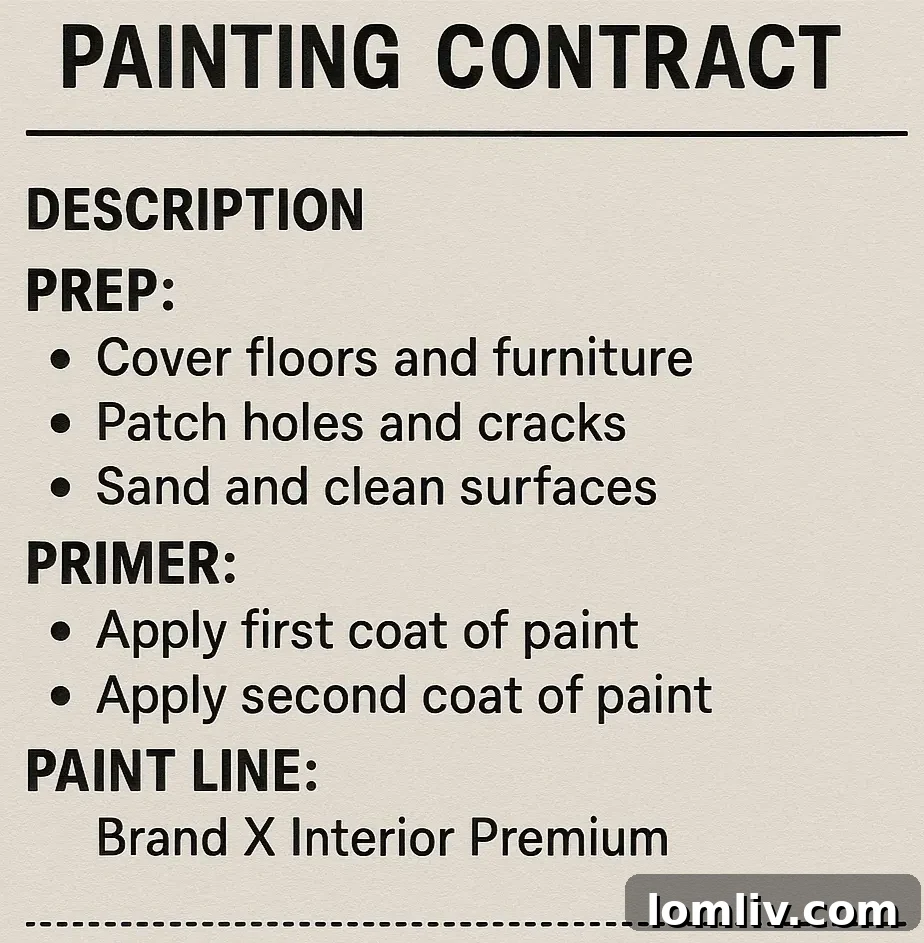
The contract serves as the blueprint for your painting project and your primary protection. Request a comprehensive, written, and itemized contract from every company you consider. This allows for a direct, apples-to-apples comparison, revealing which contractors truly prioritize the critical details that ensure a successful outcome. Your contract should explicitly outline the following:
- Detailed Surface Preparation: This is paramount. The contract must specify all prep work, including pressure washing, scraping, sanding, patching holes and cracks, caulking, priming (type and number of coats), and masking procedures. Poor prep is the leading cause of paint failure.
- Repairs: Any specific repairs agreed upon, such as rotten wood replacement, drywall repair, or stucco patching, should be itemized.
- Primer Application: Clearly state the type of primer (e.g., stain-blocking, bonding, masonry) and the number of coats.
- Number of Finish Coats: Specify how many coats of paint will be applied to each surface. Typically, two finish coats are standard for optimal coverage and durability, especially when changing colors dramatically.
- Paint Specifications: Crucially, the contract must list the exact paint brand, product line (e.g., Sherwin-Williams Duration, Benjamin Moore Aura), specific product name, precise colors (including color codes), and the chosen sheens for each area (e.g., Eggshell for walls, Semi-Gloss for trim). This prevents substitutions with lower-quality materials.
- Project Timeline: A clear start date, estimated duration for completion, and specific weather contingencies (e.g., temperature and humidity thresholds for exterior painting) should be included.
- Change-Order Process: Detail the steps for handling any changes or additions to the scope of work, including how costs will be adjusted and approved in writing.
- Daily Protection and Cleanup: Specify what measures will be taken to protect your property (e.g., drop cloths, furniture covering, landscaping protection) and the contractor’s daily cleanup protocols, including waste disposal.
- Paint Procurement and Leftovers: Clarify who is responsible for purchasing the paint. The contract should also state how much leftover paint you will receive and ensure that all cans are properly labeled by room and paint formula for future touch-ups.
- Touch-Up Period and Warranty: Define the number of days you have to flag any required touch-ups after the crew departs. Furthermore, a clear, written workmanship warranty detailing what is covered (e.g., peeling, blistering due to faulty application) and what is excluded (e.g., fading, normal wear, moisture intrusion, substrate movement) is essential.
Contracts are excellent for exposing red flags early. Be wary if a timeline seems overly aggressive or unrealistic, if the requested deposit is excessively large (a small deposit to hold the date is standard, typically 10-25%), if the warranty language is vague or non-existent, or if the scope of work seems light on critical preparation steps while heavy on grand promises. Protect yourself by using small deposits to secure your project date and tie subsequent progress payments to verifiable milestones, such as “surface prep complete,” “primer applied,” or “final punch list approved,” rather than issuing a large upfront check. This structure incentivizes the contractor to complete each phase to your satisfaction.
3. Observe Their Communication and Job Site Management
The quality of communication often dictates whether your painting project is a smooth, enjoyable experience or a source of constant stress. Engaging with a few different painters will quickly reveal who responds promptly, answers your questions clearly and concisely, and demonstrates genuine respect for your budget and schedule. Effective communication begins long before the first brushstroke.
Ask critical questions to gauge their operational approach:
- On-Site Lead: Who will be your single point of contact on the job site? Having a dedicated lead streamlines communication and ensures consistency.
- Crew Structure: Are the painters direct employees of the company, or are they subcontractors? While both can be professional, employee-based crews often offer more consistent quality control and greater accountability. Confirm that all crew members are properly vetted.
- Update Frequency: How often will you receive updates on the project’s progress? Regular communication, whether daily check-ins or end-of-week summaries, helps manage expectations.
- Logistical Handling: Discuss their specific procedures for managing common household elements:
- Pets: How will they ensure the safety of your pets, and what protocols are in place to prevent them from interfering with the work or paint?
- Alarms: How will they coordinate access with your home security system?
- Moving Furniture: Is moving furniture included in the quote, and how will it be handled and protected?
- Masking and Protection: Detail their masking techniques for windows, floors, trim, and fixtures, as well as the use of drop cloths.
- Daily Cleanup: Will they perform daily HEPA vacuuming to control dust? How will they manage debris and dispose of waste responsibly?
- Home Access: How will they gain access to your home when you are not present? Discuss key exchange or lockbox procedures.
Before day one, establish clear agreements on crucial logistical points to ensure everyone is on the same page. This includes defining quiet hours (if applicable), designated parking areas for their vehicles, where tools and materials will be safely stored overnight, access to bathroom facilities, and comprehensive plans for protecting your landscaping, gardens, and interior flooring. Proactive communication about these details minimizes misunderstandings and contributes to a harmonious working environment throughout the duration of the project.

4. Verify Insurance, Lead-Safety, and HOA Requirements
Protecting yourself and your property is paramount. In Texas, neither general contractors nor painters are required to hold a statewide license, making it even more critical for homeowners to conduct thorough due diligence. Your primary layers of protection come from robust insurance coverage, solid references, and a meticulously crafted written contract.
- Insurance Verification: Always request a current certificate of insurance directly from their insurance provider. This certificate should specifically name you as the certificate holder and include your property address. Verify both General Liability insurance, which covers property damage to your home or neighboring properties, and Worker’s Compensation insurance (where applicable), which covers medical expenses and lost wages for any crew members injured on your property. Hiring an uninsured contractor leaves you vulnerable to potentially massive financial liabilities if an accident occurs or property is damaged.
- Lead-Safe (RRP) Certification: If your home was built before 1978, there is a high probability of lead-based paint being present. Any paid work that disturbs paint in pre-1978 homes (or child-occupied facilities) must be performed by an EPA Lead-Safe Certified Firm, with a certified renovator on site. This is a federal requirement under the Renovation, Repair, and Painting (RRP) rule. Ask for their EPA Lead-Safe certification and ensure the contract explicitly lists lead-safe practices for any work that disturbs old paint. These practices include:
- Establishing a contained work area to prevent the spread of lead dust.
- Prohibiting unsafe removal methods like open-flame burning or high-heat guns.
- Utilizing HEPA-filtered vacuums for cleanup.
- Properly disposing of lead-contaminated waste.
- Thorough final cleaning verification.
Failing to adhere to these regulations not only carries steep fines for the contractor but also poses significant health risks to your family, especially children and pregnant women.
- HOA and ARC Requirements: If your property is part of a Homeowners Association (HOA) or falls under an Architectural Review Committee (ARC), it is your responsibility to understand and comply with their specific guidelines. Confirm what submittals, approvals, and timelines are required for exterior painting projects. HOAs often have strict rules regarding permissible color palettes, materials, and even the start and end dates of projects. Ensure the painting schedule allows ample time for these approval processes to avoid delays, fines, or even being forced to repaint. Even if city historic district rules are lenient on color choices, always double-check and adhere to your HOA’s specific requirements and submission deadlines.
5. Finalize Your Colors, Finish, and Sheen
Making definitive choices about colors, finishes, and sheens well in advance will not only ensure accurate bids but also streamline the entire project, preventing costly delays and potential rework. Color perception is highly subjective and influenced by various factors, making careful selection crucial.
- Color Selection Process: Don’t rely solely on small paint chips. Request large sample boards or peel-and-stick swatches of your preferred colors. Observe these samples in both morning and evening light, as well as under different weather conditions. The intense North Texas sun and varying shade can dramatically alter how colors appear on your walls. Consider how existing elements like roofing, landscaping, and adjacent structures might influence your chosen hues.
- Choose Appropriate Finishes and Sheens: Different sheens offer varying levels of durability, washability, and aesthetic appeal.
- Flat/Matte: Best for ceilings or areas with minimal traffic, as they hide imperfections well but are less washable.
- Eggshell/Satin: Ideal for busy interior walls (living rooms, bedrooms, hallways) due to their soft luster and enhanced washability, making them practical for daily life.
- Semi-Gloss: Highly durable and easy to clean, perfect for trim, doors, cabinets, and bathrooms where surfaces take a beating and require frequent cleaning.
- High-Gloss: Offers the highest durability and shine, often used for furniture or specific architectural features.
Discuss with your painter which sheens are most suitable for each area of your home, considering both aesthetics and practical use.
- Primer and Coverage: If you’re transitioning from a dark color to a significantly lighter one, always specify the use of a tinted primer followed by two finish coats. Tinted primer helps block the underlying color and ensures uniform coverage, preventing the need for additional finish coats and guaranteeing a true, even color.
- Exterior Paint Specifications: For exteriors in McKinney, always insist on 100% acrylic exterior paint. This type of paint is specifically formulated to withstand the harsh local climate, offering superior resistance to intense heat, UV radiation, and seasonal storms. Confirm that all caulks and sealants used are paintable, flexible, and specifically designed for exterior use to prevent cracking and maintain a weather-tight seal. Elastomeric sealants should only be used in areas where significant movement is anticipated. If your home features fiber-cement siding or engineered wood products, ensure that the chosen paints and primers meet the specific manufacturer’s guidelines for warranty compliance and optimal performance.
- HOA Color Approval: If you live in an HOA-governed community, submit your chosen exterior colors for approval well in advance of your desired start date. This proactive step helps avoid potential delays and ensures your project can commence on schedule.
Why the Right Painter Matters: Long-Term Value and Peace of Mind
A professional paint job is far more than just a cosmetic upgrade; it’s a high-visibility project that significantly impacts your home’s perceived value and its protection against the elements. A little initial research and careful selection process will pay dividends in the form of superior, longer-lasting results and significantly fewer headaches down the line.
Always ask for a written workmanship warranty and ensure it is kept securely with your signed contract. Understand the specific terms and duration. In North Texas, many exterior paint warranties typically range from one to three years, while interior touch-up policies can vary considerably by company. Crucially, the warranty should clearly spell out what issues are covered (e.g., peeling, blistering, or flaking due to faulty application) and what is explicitly excluded (e.g., normal fading from sun exposure, moisture intrusion originating from structural issues, natural wood movement, or damage from external forces). Maintain meticulous records of your receipts, exact color codes, and properly labeled leftover paint cans for all future touch-ups or reference needs.
By diligently performing the fundamental steps outlined in this guide, you significantly increase your chances of finding the perfect fit for your painting project. Begin by reading recent online reviews from multiple platforms, seek recommendations from trusted friends and neighbors, and make sure to collect at least two to three thoroughly itemized proposals. When comparing these proposals, resist the urge to focus solely on the bottom-line price. Instead, conduct a comprehensive comparison of the entire scope of work, the quality of materials specified, the preparation details, and the warranty provisions. Prioritize the crew that demonstrates excellent communication skills from the outset, explicitly outlines all preparation work in writing, and provides compelling evidence of their ability to deliver the precise, high-quality finish you envision for your cherished home. Choosing wisely ensures a beautiful, durable result that enhances your home’s beauty and value for years to come.