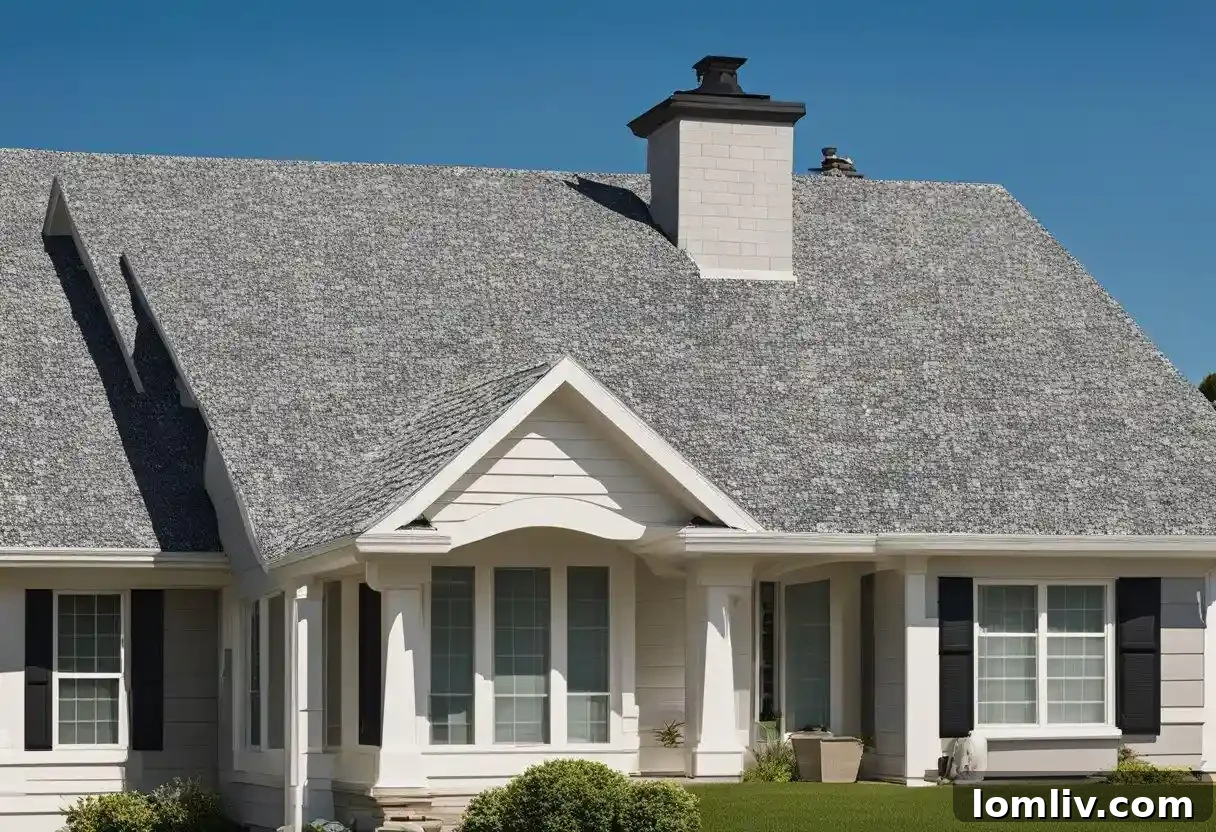
Undertaking a home improvement project like installing vinyl siding can significantly enhance your property’s curb appeal, energy efficiency, and overall value. However, when the existing exterior involves asbestos shingles, the process becomes considerably more complex, impacting both safety protocols and the total financial outlay. The decision to install vinyl siding directly over asbestos shingles, or to remove the asbestos first, carries specific implications for material prices, labor fees, and necessary preparatory work. Understanding these variables, alongside the quality and type of vinyl siding chosen, insulation requirements, trim selections, and critically, the potential need for professional asbestos abatement services, is paramount to accurately budgeting and ensuring a safe, successful renovation.
Evaluating the Existing Structure: A Crucial First Step for Safety and Success
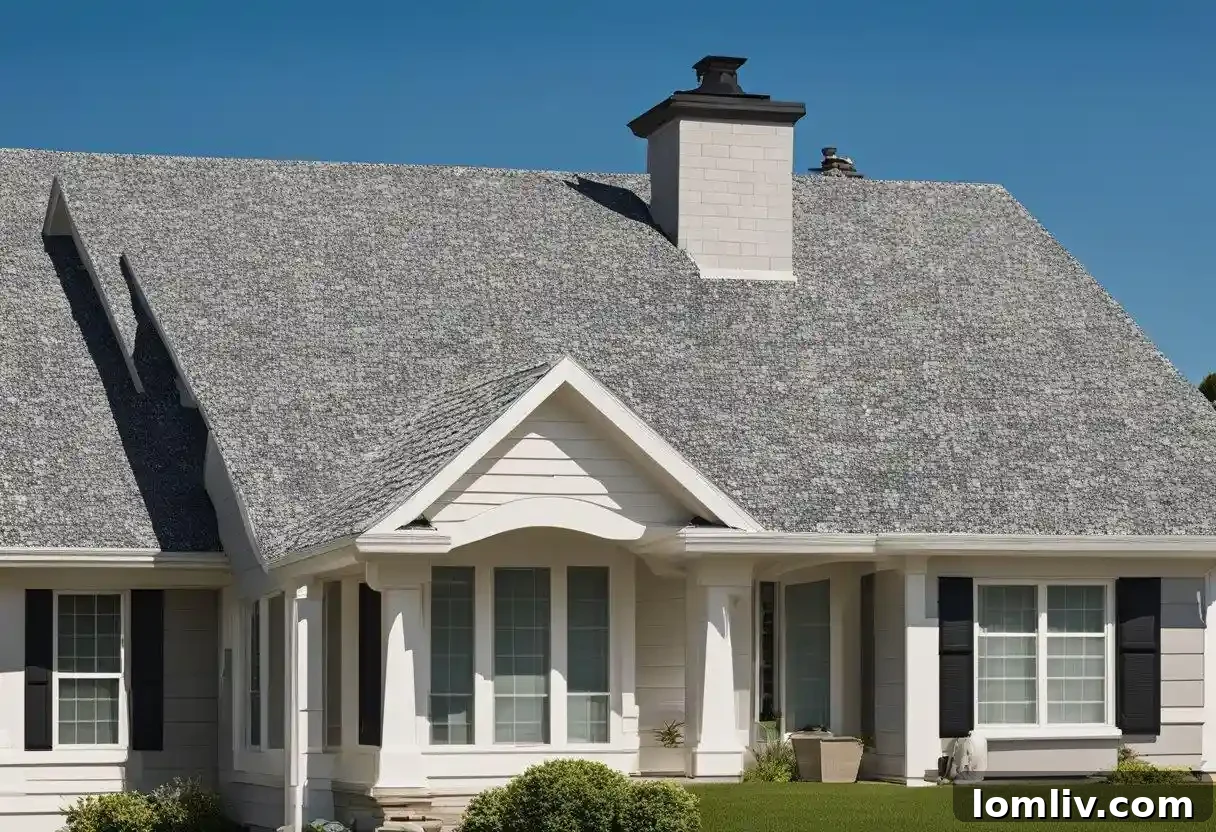
Before any tools are lifted or materials ordered, a thorough evaluation of the existing exterior, specifically focusing on the asbestos shingles and the underlying structural integrity, is not merely recommended but often a legal and safety imperative. This initial assessment ensures compliance with local regulations and establishes a robust safety protocol, safeguarding both the property and those involved in the work. Failing to adequately inspect or understand the risks associated with asbestos can lead to serious health hazards, legal penalties, and significant cost overruns.
Assessing the Condition of Asbestos Shingles and Underlying Structure
The journey begins with a meticulous inspection of the asbestos shingles themselves. Homeowners or qualified professionals should carefully look for any signs of degradation such as cracking, crumbling, or missing pieces. It’s crucial to remember that asbestos cement shingles, despite their initial durability, can become quite brittle over time, especially when subjected to weathering and age. Any physical damage to these shingles increases the risk of asbestos fibers becoming airborne, which is the primary health concern.
Beyond the surface, the underlying sheathing and structural components must also be thoroughly checked. Are there signs of moisture damage, rot, or pest infestation? Installing new siding over compromised structural elements is a recipe for future problems, potentially voiding warranties and leading to expensive repairs down the line. A sound, stable substrate is essential for the longevity and performance of new vinyl siding. This comprehensive assessment will dictate whether the asbestos can be safely encapsulated or if professional removal is the only viable option.
Understanding Local Regulations and Safety Protocols for Asbestos
The presence of asbestos materials in a residential renovation project immediately triggers a specific set of local, state, and sometimes federal regulations. Many jurisdictions have stringent requirements concerning the handling, disturbance, and disposal of asbestos-containing materials (ACMs) due to the severe health risks associated with inhaling asbestos fibers. These risks include asbestosis, lung cancer, and mesothelioma.
To ensure full compliance with these laws, homeowners must contact local authorities, such as health departments or building code offices, or consult with professional asbestos abatement services. Reputable professional roofing services and siding contractors typically possess extensive knowledge of local codes and standards related to asbestos, ensuring all work is performed legally and safely. They can advise on necessary permits, notification requirements, and appropriate procedures. Ignorance of these regulations is not an excuse and can result in hefty fines, project delays, or even legal action.
If removal is determined to be necessary—which is often the safest and most recommended route—it must be executed using approved safe removal methods. This includes, but is not limited to, using appropriate personal protective equipment (PPE) such as respirators, disposable coveralls, and gloves; employing wet removal techniques to minimize fiber release; establishing containment areas; and ensuring safe, specialized disposal of all asbestos waste at certified landfills. The health and safety of workers, residents, and the surrounding community are paramount throughout this process.
Cost Factors for Vinyl Siding Installation Over Asbestos Shingles
The financial implications of installing new vinyl siding, especially when asbestos is involved, extend beyond the mere cost of materials. Several interconnected factors influence the overall expense, making detailed planning and budgeting indispensable. These factors encompass material selection, labor and installation complexities, and a range of additional expenses that can arise throughout the project’s duration.
Material Costs and Selection: Quality, Type, and Accessories
The upfront cost of the vinyl siding itself is a primary determinant of the total project expense. Prices vary significantly based on the type, quality, brand, and aesthetic features of the chosen vinyl. Basic, thinner panels are typically more economical, while premium options such as insulated vinyl siding, darker colors, or specialty styles like vinyl shakes or scallops will command a higher price point. Insulated siding, while more expensive initially, offers enhanced energy efficiency and can lead to long-term savings on utility bills.
Most reputable providers, including specialized contractors like Jackson Contracting, offer various tiers of material pricing to accommodate different budgets and preferences. Beyond the main siding panels, a complete installation also requires numerous accessories. These include starter strips, finishing trim pieces, corner posts, J-channels around windows and doors, soffits (covering the underside of eaves), and fascias (covering the ends of rafters). Each of these components adds to the total material cost and contributes to the finished aesthetic and weather resistance of the home. Home wrap, vapor barriers, and specialized fasteners designed for durability and weather protection also fall under material costs and are crucial for a proper installation.
Labor and Installation Considerations: Expertise, Safety, and Complexity
Labor costs represent a significant portion of any siding project, and they are particularly influenced by the presence of asbestos. If asbestos shingle removal is necessary, the labor fees will be substantially higher than a standard siding installation. This is because due care removal entails specialized skills, extensive training, and adherence to strict safety protocols, all of which require additional labor time and expertise. Contractors certified in asbestos abatement must employ specific techniques, use specialized equipment, and handle disposal according to hazardous waste regulations. Their workers require specific certifications and ongoing training.
Even if the asbestos shingles are to be encapsulated rather than removed, the installation process is more intricate. The new siding must be attached securely without damaging the brittle asbestos materials, often requiring furring strips or a specific fastening method. This adds to the complexity and therefore the labor time. Quality contractors provide detailed quotes that carefully consider these labor aspects, especially those particular to working with or around asbestos. Experienced installers are crucial for achieving an exact, weather-tight installation that will last for decades without future complications. Always seek professionals certified by relevant boards and associations, ensuring they are properly licensed and insured for asbestos-related work.
Additional Expenses and Contingencies: Permits, Disposal, and Unforeseen Repairs
Several often-overlooked expenses can significantly increase the overall project cost. Foremost among these are local city permits, which are mandatory for both asbestos work (if removal is chosen) and general siding installation. These permits ensure the work meets local building codes and safety standards, and their fees vary by municipality. Furthermore, waste disposal processes are a major cost factor, especially for asbestos. Asbestos-containing materials cannot be disposed of with regular construction debris; they require special containment, transportation, and disposal at certified hazardous waste landfills, incurring higher fees. This can include costs for specialized bags, dumpsters, and disposal manifests.
Unexpected repairs are another common additional expense. During the initial inspection or even after beginning work, contractors might uncover pre-existing damage beneath the asbestos shingles, such as rotted sheathing, damaged framing, or pest infestations. Addressing these issues before installing new siding is critical for the long-term integrity of your home. These repairs can add considerable time and material costs to the project. Occasionally, the project might require special lifting equipment like scaffolding or lifts, particularly for multi-story homes or complex architectural designs, adding to equipment rental fees.
Prudent financial planning dictates the inclusion of a contingency fund in the project budget, typically 10-20% of the estimated total cost. This reserve is specifically for unforeseen expenses or changes in scope. While a contractor can estimate most visible and known costs upfront, proper planning ensures that no financial surprises derail the completion of the project. Thorough preparation, meticulous cleanup of the work site, and post-installation inspections also contribute to the overall expense, ensuring a complete and satisfactory outcome.
The Benefits of Investing in New Vinyl Siding
Despite the complexities and potentially higher initial costs associated with installing vinyl siding over or after removing asbestos shingles, the long-term benefits typically outweigh these challenges. Vinyl siding offers exceptional durability, capable of withstanding harsh weather conditions, including strong winds, heavy rain, and extreme temperatures, without peeling, cracking, or rotting. Its low-maintenance nature is a significant advantage, as it generally only requires occasional cleaning with soap and water, eliminating the need for regular painting.
Aesthetically, modern vinyl siding options are incredibly versatile, available in a vast array of colors, textures, and profiles that can mimic the look of traditional wood siding, shakes, or even stone. This allows homeowners to dramatically transform their home’s appearance, boosting curb appeal and potentially increasing property value. When combined with proper insulation (especially insulated vinyl siding or additional rigid foam insulation underneath), it can significantly improve a home’s energy efficiency, leading to noticeable savings on heating and cooling bills. The encapsulation of asbestos, while not removing it, provides a safe, stable, and visually appealing new exterior that improves the home’s protective envelope.
Professional Installation: A Non-Negotiable for Asbestos Projects
While some home improvement tasks might lend themselves to DIY enthusiasts, installing vinyl siding over asbestos shingles is unequivocally a job for certified professionals. The health risks associated with asbestos exposure are too severe to take shortcuts. Attempting to DIY such a project without the proper training, equipment, and knowledge of safety protocols can lead to serious personal injury, contamination of your home, and legal repercussions. Professional asbestos abatement contractors are licensed, insured, and specially trained to handle these hazardous materials safely and legally.
Beyond the asbestos factor, the precise installation of vinyl siding itself requires skill and experience. Proper measurements, alignment, flashing, and fastening techniques are crucial for ensuring the siding is watertight, performs as expected, and maintains its aesthetic appeal for years to come. Professional installers understand how vinyl expands and contracts with temperature changes and will install it in a way that prevents buckling or warping. Engaging a reputable contractor provides peace of mind, knowing that the project will be completed efficiently, safely, and to the highest standards, ultimately protecting your investment and your family’s health.
Making an Informed Decision: Weighing Options and Long-Term Value
The decision to install vinyl siding on a home with existing asbestos shingles requires careful consideration of various factors: safety, regulations, aesthetics, and finances. Whether you opt for direct encapsulation or complete removal followed by new siding, prioritize safety above all else. Obtaining multiple quotes from licensed and experienced professionals who specialize in asbestos-related work and siding installation is crucial. These quotes should be detailed, outlining material costs, labor for both asbestos handling and siding installation, permit fees, and disposal costs.
While the initial expense might seem daunting, view this project as a long-term investment in your home’s safety, efficiency, and market value. A well-executed vinyl siding installation can provide decades of protection, aesthetic enhancement, and reduced maintenance, transforming your property into a more attractive, comfortable, and valuable asset. By understanding the complexities and preparing adequately, homeowners can navigate this challenging renovation project successfully, ensuring a beautiful and safe outcome.