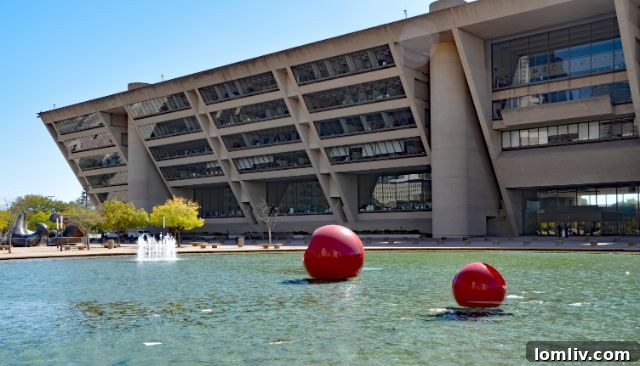
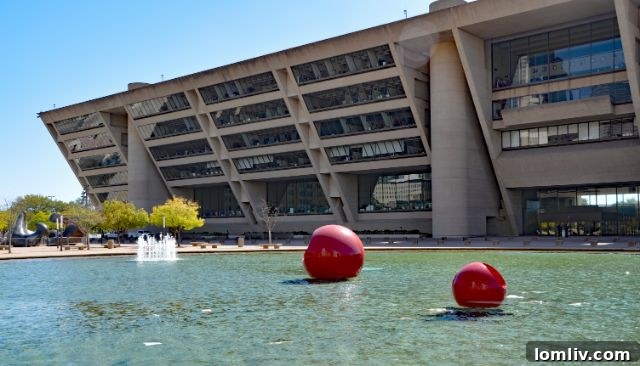
For the residents of Dallas, public safety consistently ranks as the paramount concern. Yet, a recent extensive four-hour budget presentation, comprising 118 detailed slides, did little to alleviate growing anxieties surrounding the city’s critically underfunded police and fire pension system. This system faces an alarming deficit of approximately $3 billion, a financial shortfall that profoundly hinders the city’s ability to attract and retain essential law enforcement officers and firefighters. The implications of this systemic issue extend far beyond financial spreadsheets, directly impacting the safety and well-being of every Dallas citizen.
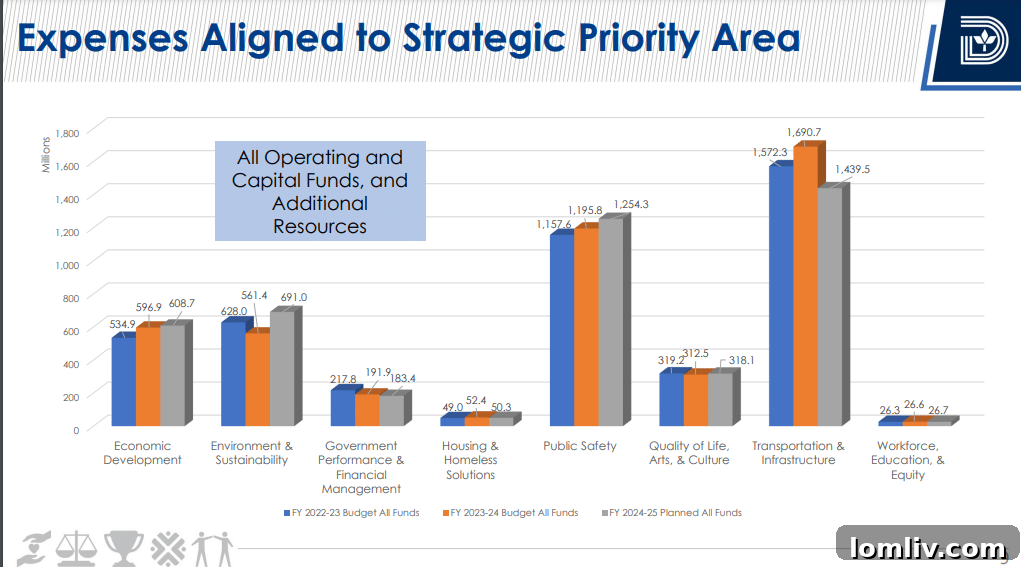
The proposed 2023-24 budget allocates significant resources to key municipal areas, reflecting the city’s diverse priorities. Topping the list for expenditure is transportation and infrastructure, with a substantial allocation of about $1.7 billion. This investment underscores Dallas’s commitment to maintaining and enhancing its urban framework, ensuring smooth transit and robust public services. Public safety, though facing pension challenges, remains a high priority with a budgeted allocation of approximately $1.2 billion, highlighting the ongoing commitment to protecting the community. Furthermore, solutions for housing and homelessness are earmarked with about $52.4 million, signaling efforts to address critical social challenges within the city.
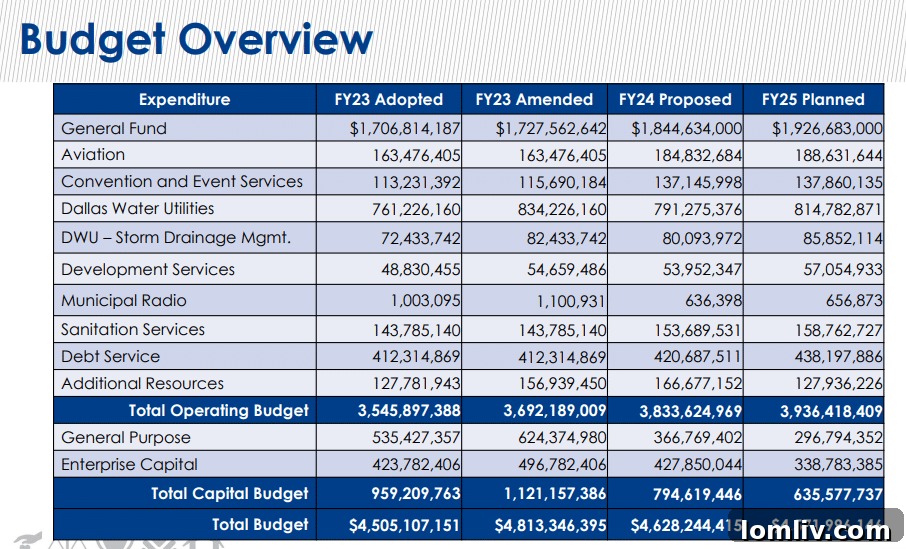
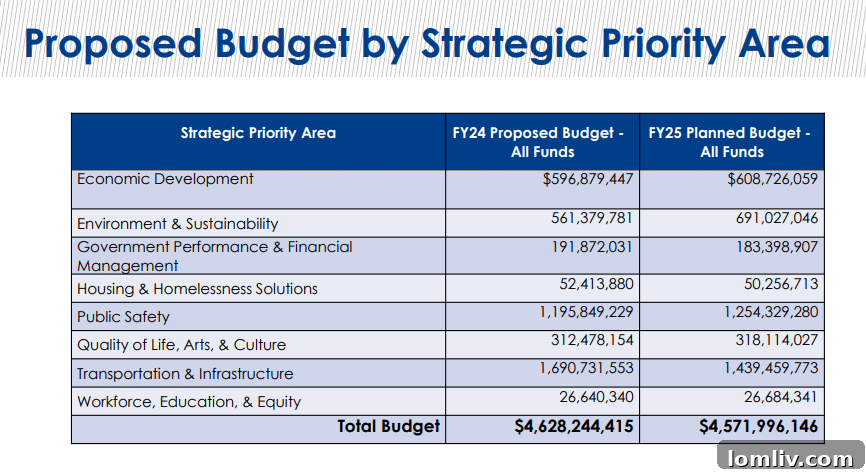
City Manager T.C. Broadnax has put forward a comprehensive budget recommendation totaling $4.63 billion for the upcoming fiscal year. This represents a notable increase from the previous year’s adopted budget of $4.51 billion, underscoring the dynamic growth and evolving needs of Dallas. Specifically, the city manager recommends an 8.1 percent increase in the general fund compared to the prior fiscal year, signaling an expansion of city services and operational capacities. While this growth aims to meet the demands of a burgeoning metropolitan area, it also sparks important discussions about fiscal prudence and taxpayer impact.
One of the key components of the proposed budget involves a reduction in the property tax rate. The recommendation suggests decreasing the rate from 74.58 cents per $100 of assessed valuation to 73.93 cents per $100. While a decrease might typically be welcomed by residents, this modest adjustment failed to appease some council members, notably District 12 Councilwoman Cara Mendelsohn. She expressed significant disappointment, advocating for a more substantial tax rate reduction that she believes would better reflect the financial realities faced by Dallas residents, many of whom are grappling with rising costs of living.

Councilwoman Mendelsohn’s critique stems from a broader concern about the rapid expansion of the city’s budget. “I am disappointed with the proposed tax rate that it’s not more significant of a decrease,” she stated, highlighting a persistent trend. She noted that during her tenure, the city has consistently experienced substantial increases in tax revenue, particularly from existing property taxpayers. This trend, she argues, indicates that the rapid growth of the city budget is becoming problematic, outpacing the growth of residents’ income. Such a disparity creates an unsustainable financial burden on households, potentially leading to increased financial strain for many Dallas families and businesses, hindering overall economic stability.
To further illustrate her point, Mendelsohn pointed out that property taxes for existing taxpayers have collectively risen by an astonishing $371 million over the past four years. This figure emphasizes the cumulative impact of rising valuations and previous tax rates, fueling her call for more aggressive fiscal restraint. The debate over the property tax rate underscores a fundamental tension in urban governance: how to fund essential services and pursue growth initiatives without unduly burdening the tax base, especially when resident incomes may not be keeping pace with municipal expenditure increases. Achieving this balance is crucial for Dallas’s long-term prosperity and the well-being of its citizens.
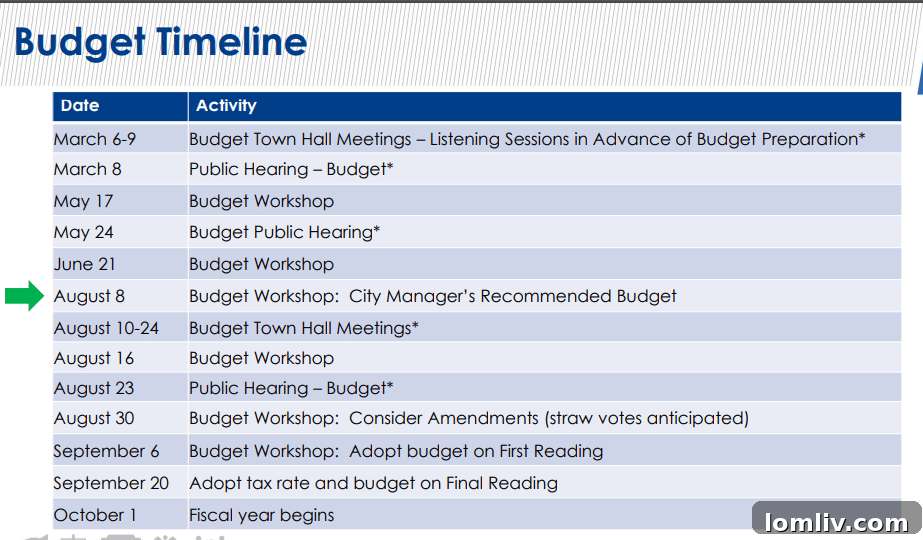
The city’s budget approval process is designed to be comprehensive and collaborative, incorporating various feedback mechanisms. Throughout August, a series of public town hall meetings are being held, providing residents with invaluable opportunities to voice their opinions, concerns, and suggestions regarding the proposed budget. These forums are crucial for ensuring transparency and community engagement in municipal finance, fostering a sense of shared responsibility. Following these public consultations, council members are expected to propose and deliberate on various amendments to the budget proposal before its final adoption, which is slated for late September. This period allows for critical adjustments to ensure the budget aligns with both community needs and fiscal realities, making the process highly adaptive.
For those interested in a deeper dive into the specifics of the city’s financial plans, the city manager’s recommended budget is readily available for public review online. This accessible documentation empowers citizens, businesses, and advocacy groups to thoroughly understand the allocations, projections, and underlying assumptions of the proposed financial framework. Transparency in this process is key to fostering public trust and accountability, allowing stakeholders to participate meaningfully in shaping the city’s economic future.
The intricacies of the proposed budget were further elucidated during an extensive workshop held by the City Council on August 8. Chief Financial Officer Jack Ireland and Budget & Management Services Director Janette Weedon jointly presented a lengthy and detailed presentation. A critical point highlighted during this session was a projection indicating that the city’s outgoing expenses are anticipated to exceed its revenue starting in 2025. This long-term financial forecast immediately raised red flags among several council members, prompting serious discussions about the city’s fiscal sustainability and future planning. Such a projection necessitates proactive strategies to either increase revenue streams, implement stringent expenditure controls, or explore new economic development initiatives to avert a potential budgetary crisis and maintain financial health.
Addressing these concerns, Director Weedon emphasized the city’s unwavering commitment to fiscal responsibility. “Our goal is to always deliver a balanced budget to the City Council,” she affirmed. She elaborated on the annual budget development process, explaining that it involves a continuous reassessment of revenues and expenses. This iterative approach allows the city to make necessary adjustments to ensure financial equilibrium and respond to economic shifts effectively. While projections indicate future challenges, the administration’s stated objective is to meticulously review and adapt its financial strategies each year to prevent deficits and maintain a stable economic outlook for Dallas, ensuring long-term fiscal prudence.
Housing and Homelessness Solutions: A Comprehensive Approach to Urban Challenges
Addressing the complex challenges of housing affordability and homelessness requires innovative solutions and a multi-faceted approach. District 1 Councilman Chad West has been a vocal proponent of strategies that seek to generate additional city revenue without disproportionately burdening individual taxpayers. Among his suggestions is the crucial concept of allowing for increased housing density within the city. This approach posits that by making it easier to build more housing units on existing land, Dallas can enhance its tax base through new development and increased economic activity, simultaneously addressing the housing supply shortage and promoting urban revitalization.

City Manager Broadnax acknowledged the council’s strategic direction regarding urban development, confirming that a clear policy has been established to increase density, particularly through multifamily housing projects. This initiative is being pursued through various mechanisms, including leveraging the Public Facility Corporation and fostering other strategic partnerships. Broadnax expressed optimism about the progress already made: “I would hope that you have seen an increase in the level of projects and number of units over the last several years.” He further articulated the long-term vision, stating, “I do believe there’s still probably room to grow there but it helps us focus on the central thing the council has focused on the last several years: economic development, new tax base, and creating opportunities … to utilize land that is not being utilized.” This approach aims to transform underutilized parcels into vibrant residential areas, contributing both to housing availability and the city’s economic vitality.
The city’s commitment to addressing housing challenges extends beyond increasing density. On the critical topic of homelessness, city officials outlined an ambitious goal: to house 6,000 homeless individuals by the year 2025. This significant undertaking is being pursued through a vital partnership with Housing Forward, an organization dedicated to creating sustainable solutions for homelessness. This collaboration emphasizes comprehensive support, moving individuals from instability to stable living situations, thereby improving public health outcomes, reducing societal costs, and enhancing community well-being through targeted interventions and supportive services.
In a further effort to support its most vulnerable residents, city leaders have also proudly highlighted a $1.7 million addition to a minor home repair program specifically designed for senior citizens. This program addresses essential maintenance and safety issues in seniors’ homes, such as fixing leaky roofs, repairing unsafe flooring, or improving accessibility, allowing them to age in place with dignity and security within their familiar environments. Such investments reflect a holistic approach to community care, ensuring that all residents, including the elderly, have access to safe and habitable living conditions and crucial support.
Addressing the proliferation of short-term rentals (STRs) and their impact on the housing market and neighborhood character, the proposed budget allocates resources for a new registration and inspection program. This includes funding for nine new code enforcement positions and $1.4 million dedicated to ensuring compliance and managing the growth of STRs, aiming to mitigate potential negative effects. Chief Financial Officer Ireland confirmed that the controller’s office will continue its diligent monitoring of hotel occupancy taxes, a crucial revenue stream that can be affected by the shift towards STRs. This regulatory framework aims to strike a balance between allowing property owners flexibility and mitigating potential negative impacts on residential areas and traditional hospitality sectors. Councilman West, recognizing the complexity of this new program, has specifically requested a detailed breakdown of the total anticipated costs for STR regulation and enforcement before the budget receives final approval, ensuring full financial transparency and accountability to taxpayers.
Public Safety: Addressing the Pension Crisis and Staffing Shortages
The issue of public safety in Dallas is inextricably linked to the severe challenges facing the Dallas Police and Fire Pension System (DPFP). David Elliston, President of the Dallas Police Retired Officers Association, made an impassioned plea to the council, urging immediate action to address the critical funding shortfall in the pension system. His testimony underscored the profound human impact of this financial crisis. “There are approximately 5,000 retirees and their beneficiaries who are dependent upon this plan,” Elliston explained, highlighting that for many, this pension is their sole source of retirement income. He stressed the grim reality that “Unless they worked elsewhere in addition to working for the city, they do not qualify for Social Security,” leaving a significant portion of retired public servants in a precarious financial position, vulnerable to economic hardship.
Elliston delved into the historical context of the pension crisis, explaining a pivotal change enacted in 2017. At that time, the city, the pension system, and the state legislature modified the pension plan from a predictable 4 percent annual adjustment to an “ad-hoc cost of living adjustment” (COLA). Crucially, this ad-hoc COLA can only be paid once the plan achieves a 70 percent funding level. The devastating reality, Elliston added, is that this critical milestone is not projected to be reached for another 50 years. This means that “Police and fire have not received a cost of living adjustment since 2016,” leading to a continuous and rapid erosion of their pensions. The lack of COLA means retirees’ fixed incomes lose purchasing power annually due to inflation, forcing many into financial hardship. In light of this, Elliston sternly requested that the city refrain from moving forward with a general obligation bond until a concrete plan is firmly in place to stabilize and adequately fund the pension system, arguing that long-term fiscal health for retirees must precede other city borrowing initiatives to restore trust and stability.
Retired Dallas Police Officer Larry Eddington echoed Elliston’s sentiments, further emphasizing the dire consequences of the pension crisis on active recruitment and operational effectiveness. “Right now we are short about 600-plus officers in Dallas,” he stated, attributing this alarming deficit directly to the perceived “attack” on the pension system. This significant understaffing creates immense pressure on the existing force and compromises the city’s ability to maintain optimal public safety levels, impacting response times and community engagement. Eddington passionately advocated for backing the pensions with pension obligation bonds, asserting that such a measure is “necessary right now” to restore faith among current and prospective officers and to ensure the long-term viability of the police and fire departments. The continuous erosion of pension benefits is a critical disincentive for those considering a career in Dallas’s public safety sectors, exacerbating the staffing crisis and jeopardizing the city’s ability to protect its citizens effectively.
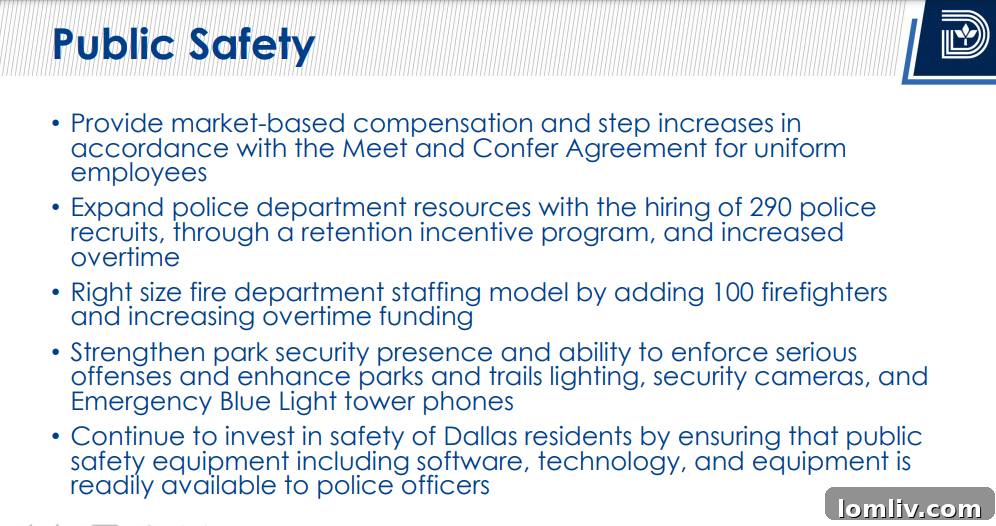
In response to these staffing concerns, CFO Ireland outlined the city’s strategic plans for bolstering its public safety ranks. He stated that the city intends to hire 290 police officers and 100 firefighters in the upcoming fiscal year, a much-needed injection of personnel into critical departments. However, Ireland also candidly explained a significant budgetary reality: “A significant amount of overtime has been budgeted in recent years because we can’t meet our minimum staffing level.” This reliance on overtime, while necessary to maintain operations, is fiscally inefficient and can lead to officer burnout, impacting morale and long-term retention. He further elaborated on the current “double hit” scenario, explaining: “It is funding the overtime to meet the minimum staffing requirements and it’s funding the new positions to build up the staffing level.” The immediate challenge is sustaining current service levels through overtime, while concurrently investing in recruitment and training programs to achieve sustainable staffing levels in the long run. The goal is to get new recruits through training and into stations before overtime can be significantly reduced, a process that requires considerable time, strategic planning, and financial commitment.
Cybersecurity: Fortifying Dallas’s Digital Defenses Amidst Threats
In a sobering reminder of modern digital vulnerabilities, the City of Dallas recently announced that employee data was likely compromised during a sophisticated ransomware attack in May. This incident highlighted the increasing risks faced by municipal governments in an interconnected world, where cyber threats are becoming more frequent and complex. City officials confirmed in an August 3 press release that “an unauthorized third party accessed certain servers and downloaded some data from the servers between April 7, 2023, and May 4, 2023.” The scope of the breach was further clarified on June 14, 2023, and in subsequent weeks, as investigations determined that “files potentially containing sensitive information of certain individuals were accessed by the unauthorized third party, including full name, home address, Social Security number, date of birth, insurance information, clinical information, claims information, diagnosis, and other identifiers.” This comprehensive list of compromised data underscores the severe privacy and security risks now confronting affected city employees and individuals, demanding robust protective measures and clear communication.
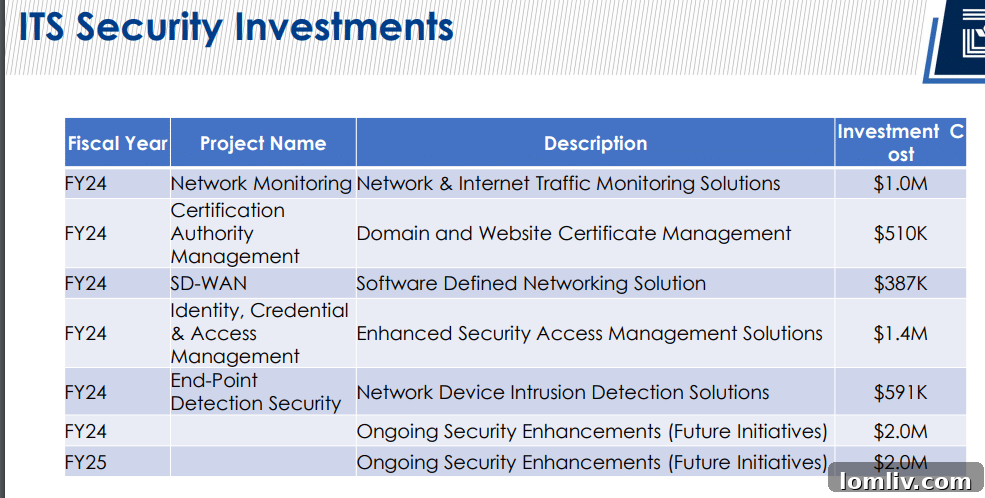
Further details regarding the extent of the cyberattack emerged on Tuesday, when The Dallas Morning News reported that hackers affiliated with the notorious Royal Ransomware group successfully gained unauthorized access to the personal information of over 26,000 individuals. This revelation underscores the widespread impact of the breach and the sophistication of the attackers. In the aftermath, city officials have maintained a deliberate silence on the specific countermeasures being deployed, citing ongoing security concerns and the need to protect sensitive operational details from potential future exploits. However, during Tuesday’s budget workshop, assurances were provided that robust measures are actively being implemented to bolster the city’s digital infrastructure and prevent future attacks, reflecting a serious commitment to improving cyber resilience.
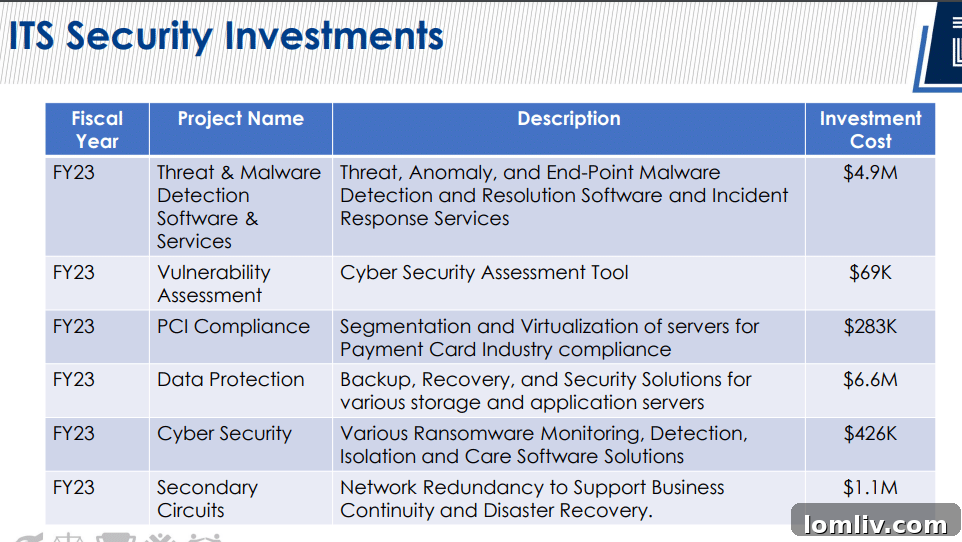
Chief Information Officer Bill Zielinski recently addressed reporters during a webinar, shedding light on the city’s proactive investment in cybersecurity. He confirmed that a dedicated $9.7 million is specifically earmarked for cybersecurity initiatives in the proposed 2024 budget. Furthermore, an even larger sum of $10.5 million has been flagged for similar purposes in the Fiscal Year 2025 budget. These significant allocations signify the city’s recognition of cybersecurity as a critical and ongoing investment, essential for protecting sensitive data, maintaining public trust, and ensuring the continuity of vital city services. The funds will likely be used for a combination of advanced threat detection systems, employee training, data encryption, incident response planning, and regular security audits, all aimed at building a resilient digital defense for Dallas against an ever-evolving threat landscape.
As Dallas navigates these intricate financial and operational landscapes, public engagement remains crucial for fostering transparent governance and effective decision-making. The next budget workshop, providing another opportunity for discussion and deliberation, is scheduled for August 16. These ongoing dialogues and transparent budget processes are vital for shaping a financially sound, secure, and thriving future for all Dallas residents, ensuring that municipal priorities align with community needs and expectations.