Innovating Construction Aesthetics: A Look at Highland Park’s Porta Potty Screen Contest
In a groundbreaking move to enhance urban aesthetics, Highland Park, a picturesque community known for its meticulous standards, recently implemented a novel regulation requiring that portable toilets at residential construction sites be elegantly screened from public view. This forward-thinking rule, designed to maintain the community’s upscale appearance, sparked an extraordinary creative challenge: the “2015 Sitting Pretty Porta Potty Screen Contest.”
Launched in response to the town’s mandate, this unique competition aimed to transform an often-overlooked necessity into an opportunity for innovative design. Gone were the days of unadorned plywood enclosures; Highland Park sought solutions that reflected its commitment to beauty, even in the most utilitarian aspects of urban development. This contest not only addressed a practical need but also set a new precedent for how construction sites can integrate seamlessly and aesthetically into their surroundings.
The Genesis of a Creative Challenge: Elevating Job Site Standards
The “Sitting Pretty Porta Potty Screen Contest” was more than just a competition; it was a testament to the power of design to solve everyday problems and elevate community standards. Generously sponsored by two prominent entities in the Dallas-Fort Worth area, Sardone Construction and HPD Architecture, the contest captivated the local design and construction community. It officially closed for submissions on June 29, drawing impressive participation from nearly 30 registered designers, with 17 distinct and imaginative entries making it to the final judging round.
The core challenge posed to participants was straightforward yet profound: transcend the basic utility of a portable toilet screen. Designers were encouraged to infuse their creations with “a bit of flare” and “a little splash,” moving beyond rudimentary construction materials to craft screens that would proudly proclaim, “When ya gotta go, you might as well do it in style!” This call for creativity resonated deeply, leading to a diverse array of submissions that blended practicality with an undeniable artistic vision.
The contest sought designs that were not only aesthetically pleasing but also considerate of factors like durability, ease of construction, and integration with various architectural styles found within Highland Park. It emphasized sustainable materials, modular components, and creative solutions that could be replicated across different job sites. The ultimate goal was to foster a culture where construction site elements, often seen as mere necessities, become opportunities for thoughtful design and community enhancement.
Announcing the Visionaries: Four Designs That Redefine Porta Potty Aesthetics
After careful deliberation by a distinguished panel of judges, four outstanding entries were selected, each showcasing remarkable originality, visual appeal, and practical ingenuity. These winning designs represent a significant leap forward in construction site aesthetics, proving that even the most functional structures can be transformed into points of interest rather than eyesores. The most anticipated outcome is the construction of the first-place design by HPD Architecture and Sardone Construction, bringing a conceptual vision to life in the coming weeks.
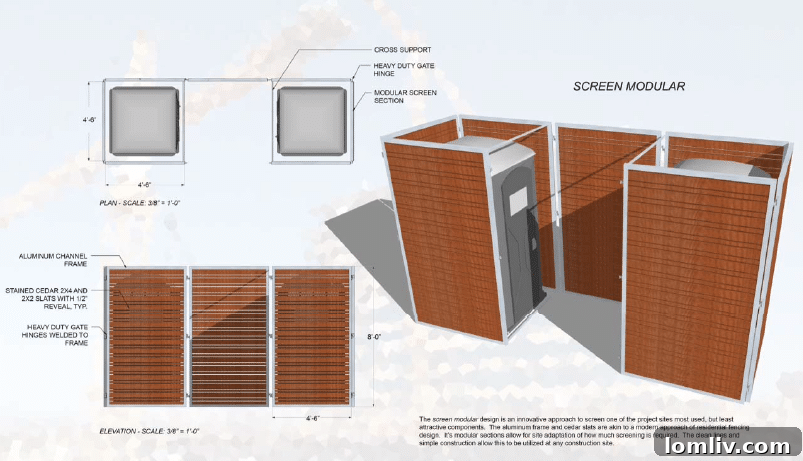
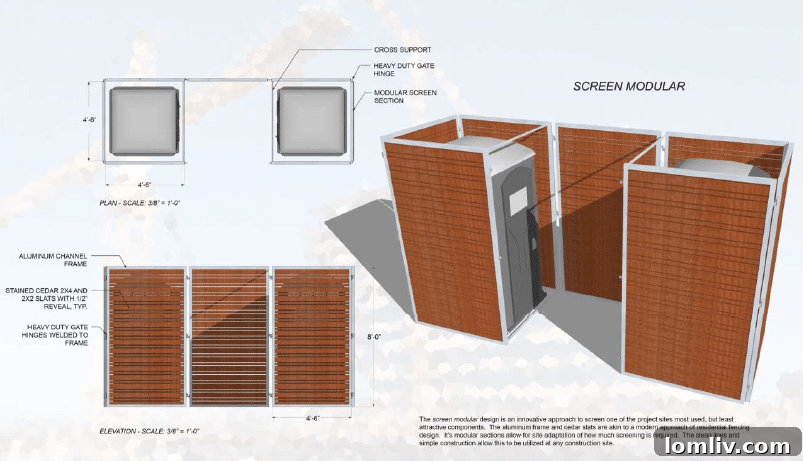
First Place: Brian Paletz, AIA – A Vision for Inclusivity and Style
The coveted first prize, along with a $100 gift certificate, was awarded to Brian Paletz, AIA, for his innovative and thoughtfully designed porta potty screen. Beyond the monetary reward, the true prize for Paletz is the realization of his vision: his design will be meticulously built by Sardone Construction, with HPD Architecture overseeing the coordination of construction drawings. Once completed, this groundbreaking screen will make its debut on one of Sardone’s active job sites in Highland Park, serving as a tangible example of the contest’s success.
Stephan Sardone, owner of Sardone Construction, expressed particular enthusiasm for Paletz’s design, highlighting a distinctive feature that resonated deeply with the evolving dynamics of the construction industry. “What I do love about the winner is that it has two separate porta potties—I interpret it as separate porta potties for women and men, which is novel for a job site,” Sardone remarked. He emphasized the growing presence of women in the industry, seeing Paletz’s design as a progressive step towards a more inclusive and considerate future. This dual-stall concept, perhaps featuring distinct entryways or visual cues, not only provides practical benefits but also sends a powerful message of welcome and respect. Sardone encouraged the community to “Keep your eye open for it next time you’re driving through Highland Park,” anticipating its impact as a beacon of modern job site design.
Paletz’s design is believed to incorporate a blend of durable, aesthetically pleasing materials such as treated wood, perhaps accented with metal or composite panels, designed to withstand the rigors of a construction environment while maintaining a sophisticated appearance. Its modular construction promises ease of installation and relocation, making it a highly practical solution for various job sites.
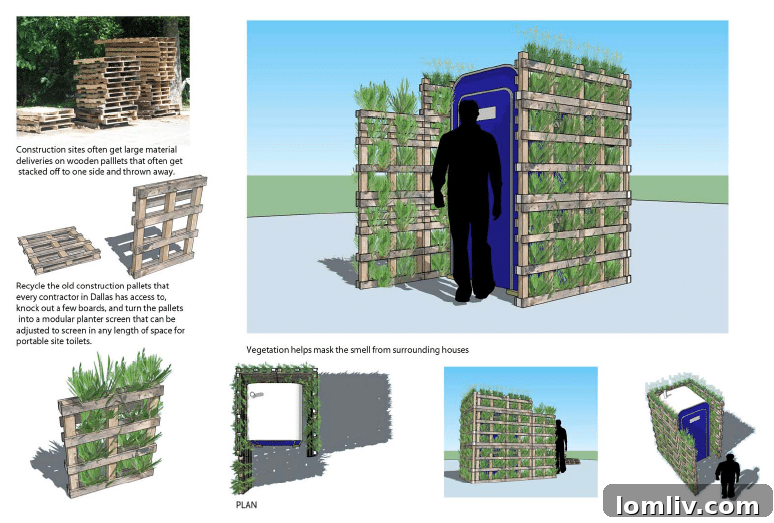
Second Place: Matthew Jacobson – Blending Functionality with Flair
The second-place honor, accompanied by a $75 gift certificate and significant bragging rights, was bestowed upon Matthew Jacobson. Jacobson’s design demonstrated an exceptional ability to merge practical screening requirements with a distinctive aesthetic. His entry likely featured thoughtful integration of elements that go beyond mere concealment, perhaps incorporating subtle landscaping features, artistic patterns, or innovative material combinations that complement urban landscapes. Imagined details might include a trellis system for climbing plants, enhancing the natural appeal, or modular panels that allow for customization based on site conditions. His approach undoubtedly offered a fresh perspective on how temporary structures can contribute positively to their surroundings.
Third Place: Benton Banowsky – A Creative and Elegant Solution
Benton Banowsky secured third place, earning a $50 gift certificate for his impressive contribution. Banowsky’s design was praised for its elegance and creative problem-solving. It likely presented a solution that was both simple in its execution and sophisticated in its visual impact. Perhaps his design utilized recycled or sustainable materials in an inventive way, or focused on a unique structural form that stood out without being ostentatious. One could imagine a design featuring clean lines, perhaps a staggered panel system that creates visual interest through shadow play, or a vibrant color palette that injects a touch of modern artistry into the construction environment.
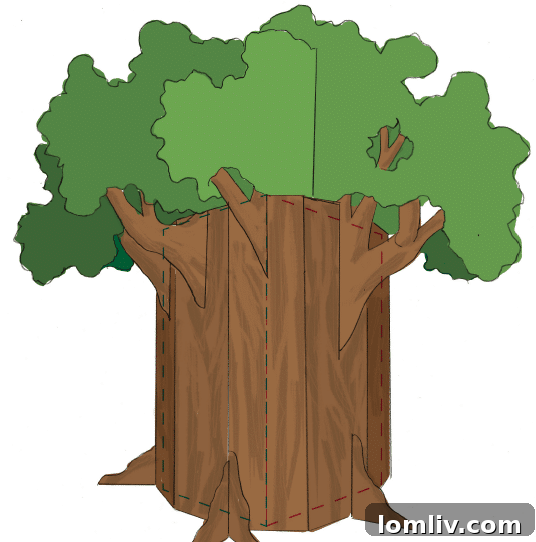
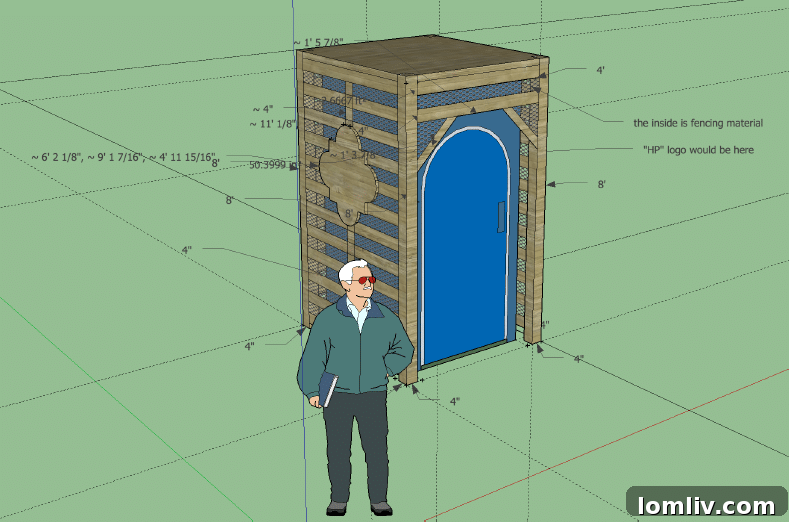
Most Creative Design: Eddie Hale – The “Live Oak Porta Potty Cover”
Recognizing exceptional ingenuity, the “most creative design” award was presented to Eddie Hale, who also received a $50 gift certificate. Hale’s entry, aptly named the “Live Oak Porta Potty Cover,” captivated the judges with its imaginative concept. This design likely drew inspiration from the natural environment, perhaps mimicking the organic forms of a live oak tree, integrating natural textures, or even incorporating actual foliage in a clever way to camouflage or enhance the porta potty. Such a design could involve laser-cut panels depicting tree branches, or an innovative material that simulates bark, creating a living, breathing aesthetic that blends seamlessly with the landscape rather than contrasting sharply with it. It’s a testament to how creative thinking can transform an industrial object into a piece of environmental art.
Celebrating Innovation: The Awards Ceremony
The accomplishments of the 2015 “Porta Potty Screen” winners will be formally celebrated and recognized at HPD Architecture’s monthly Architecture Happy Hour. This esteemed event, scheduled for August 19, 2015, at the BMC Design Center in Dallas, will serve as a platform to honor the visionaries behind these transformative designs. Each winner will be presented with a commemorative plaque and their respective gift certificate, acknowledging their contribution to elevating construction aesthetics.
Attendees at the Architecture Happy Hour, which typically draws professionals from various design and construction disciplines, will have the unique opportunity to view the winning entries firsthand. Displayed prominently, these designs will spark conversation and inspire future innovations, reinforcing the idea that thoughtful design has a place in every aspect of our built environment. The event promises to be a vibrant gathering, celebrating creativity, collaboration, and the positive impact of community-driven design initiatives.
A Distinguished Panel of Judges
The success and credibility of the contest were significantly bolstered by the expertise of its diverse and distinguished judging panel. Eight influential figures, including our esteemed founder Candy Evans, dedicated their time and insight to meticulously evaluate the submissions. This panel represented a wide spectrum of industries crucial to urban development and living, including architecture, construction, interior design, publishing, event planning, real estate, and crucially, homeowners themselves.
The judges undertook a rigorous process, carefully analyzing and evaluating each design against a set of criteria that encompassed aesthetics, practicality, innovation, and adherence to the spirit of the contest. Their collective experience ensured a comprehensive and fair assessment, ultimately leading to the selection of entries that truly embodied originality, utility, and the potential to positively impact the visual landscape of Highland Park’s construction sites. Their involvement underscored the importance of community input and multidisciplinary perspectives in addressing urban design challenges.
Beyond the Screens: The Broader Impact on Urban Development
The “Sitting Pretty Porta Potty Screen Contest” in Highland Park represents more than just a localized effort to beautify construction sites; it symbolizes a growing global trend towards more thoughtful and integrated urban development. As cities continue to expand and evolve, the demand for construction activities to be less disruptive and more aesthetically harmonious with their surroundings becomes increasingly critical. This contest serves as a powerful example of how creative problem-solving, spurred by local regulations and community engagement, can lead to innovative solutions that benefit everyone.
The initiative showcases how architects, builders, and community leaders can collaborate to improve the quality of life, even by focusing on seemingly minor details like portable toilet screens. It encourages a shift in mindset, prompting developers and contractors to consider the visual impact of their operations on neighborhoods and residents. The success of this contest could inspire similar initiatives in other communities, fostering a broader movement towards making construction sites not just functional spaces, but also respectful and visually appealing components of the urban fabric. It demonstrates that with a little creativity and a lot of community spirit, even the most mundane elements of construction can be transformed into points of pride and examples of exceptional design.