
North Carolina, a state deeply rooted in American history and blessed with breathtaking natural beauty, presents an unparalleled lifestyle for those seeking residence near its cherished historic towns. These communities are more than just places to live; they are vibrant repositories of Southern charm, profound traditions, and a captivating past that continues to shape modern life. From the cobblestone streets of colonial settlements to the solemn grounds of Civil War landmarks, living in or around these historically significant areas offers a unique blend of cultural richness, tight-knit community spirit, and an exceptional quality of life.
Whether you’re contemplating a move, searching for a serene retirement haven, or simply intrigued by a lifestyle that connects the past with the present, North Carolina’s historic towns provide a compelling array of benefits. Here are seven profound reasons why choosing to live around a historic town in North Carolina can be one of the most rewarding decisions you’ll ever make, promising not just a home, but an immersive experience in history, culture, and community.
1. Timeless Architecture You Can Live In and Cherish
One of the most immediate and striking appeals of North Carolina’s historic towns is the enduring beauty of their architecture. Walking through towns like Edenton, often called the “Prettiest Small Town in North Carolina,” New Bern, the state’s second-oldest city, or even the charming historic district of Apex, you’ll encounter a stunning array of architectural styles. Homes designed in Colonial, Federal, Georgian, Victorian, Queen Anne, and Craftsman styles meticulously line picturesque streets, many having been lovingly preserved for centuries. These aren’t just museum pieces; they are functional, cherished homes, testament to the craftsmanship and design principles of bygone eras.
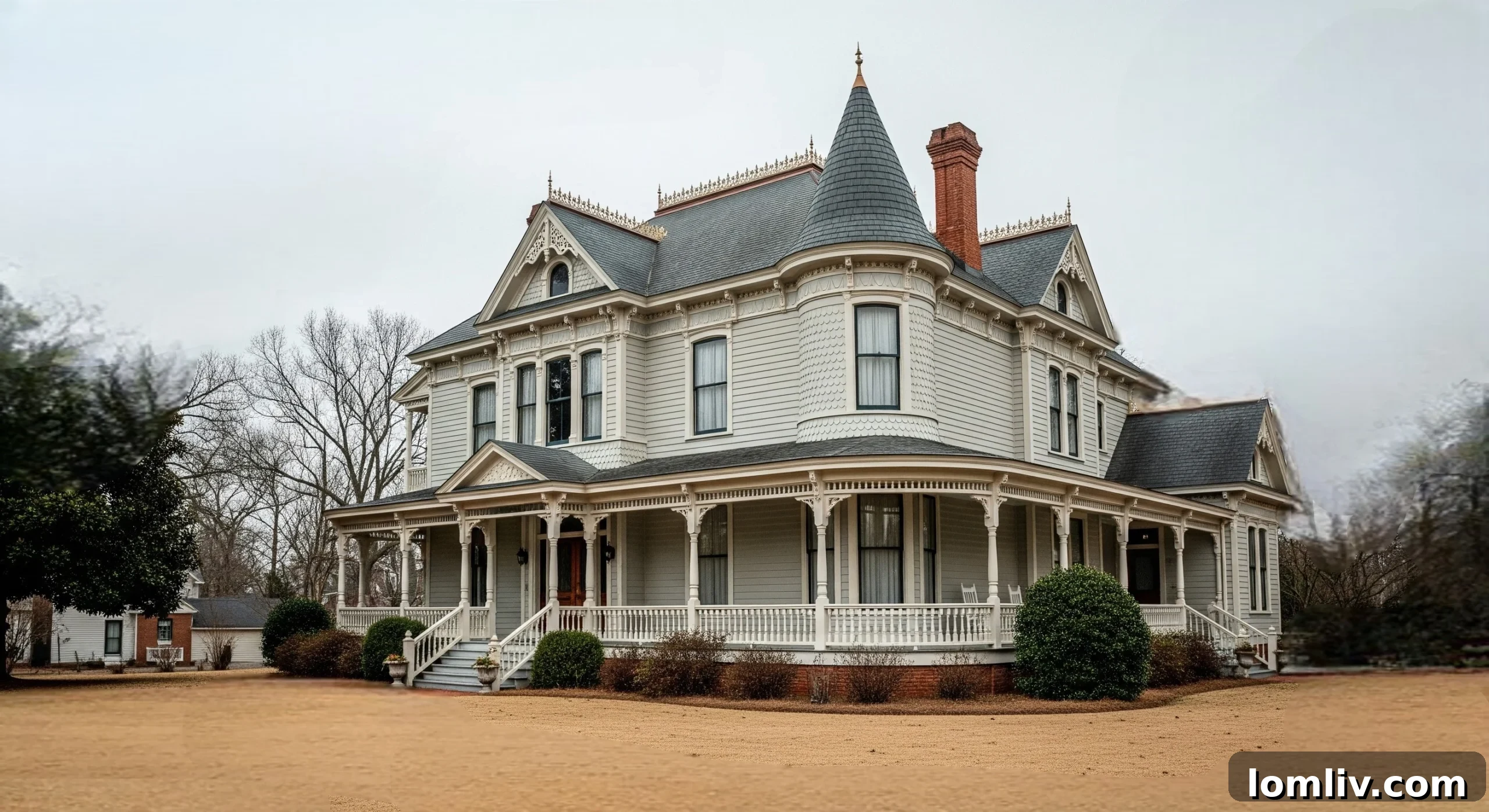
Living amidst these well-maintained architectural gems offers more than just aesthetic pleasure; it contributes significantly to the sustained value and unique character of these neighborhoods. Local historical societies and dedicated community efforts often spearhead preservation initiatives, ensuring that these areas retain their distinctive historical charm. Strict preservation ordinances and zoning regulations are frequently in place, shielding these treasured districts from the encroachment of overdevelopment and generic, cookie-cutter construction. This commitment to maintaining historical integrity helps preserve property values and fosters a sense of place that modern developments often lack.
For those considering purchasing property in these unique locales, navigating the specific nuances of local preservation laws, zoning regulations, and renovation guidelines is crucial. Engaging with an expert realtor specializing in historic properties can provide invaluable guidance, helping you understand the unique responsibilities and rewards of owning a piece of North Carolina’s past.
2. A Rich Cultural and Educational Tapestry
Historic towns in North Carolina are not merely collections of old buildings; they are dynamic, living museums that offer a profound cultural and educational experience. Each town tells its own compelling story. Bath, North Carolina’s oldest town, still echoes with tales of the infamous pirate Blackbeard and the bustling colonial commerce that once thrived there. New Bern invites residents and visitors to explore its role as the state’s first capital and the unexpected birthplace of Pepsi-Cola. Old Salem in Winston-Salem provides an immersive journey into 18th-century Moravian life, complete with costumed interpreters and traditional crafts.
Living within such culturally enriched environments offers unparalleled benefits for both adults and children. Residents gain direct access to a plethora of historical reenactments, engaging museum exhibits, beautifully restored historic homes, and a treasure trove of local folklore. Schools in these areas frequently integrate local history into their core curriculum, transforming textbooks into vivid, tangible experiences for students. Imagine field trips where history comes alive, allowing children to connect directly with the places and events they are studying.
Beyond formal education, the cultural calendar is often brimming with events. Annual Revolutionary War reenactments, colonial fairs, historical walking tours, and heritage festivals provide engaging entertainment and continuous learning opportunities right in your own backyard. This constant engagement with history fosters a deeper understanding of the nation’s roots and cultivates an appreciation for the sacrifices and achievements of those who came before us.
3. Tight-Knit Communities with a Strong Sense of Identity
Perhaps one of the most cherished advantages of historic towns is the profound sense of community they foster. Because these towns are often smaller in scale and deeply rooted in shared heritage and traditions, residents tend to be more engaged, interconnected, and supportive of one another. In picturesque places like Beaufort, known for its maritime history, or Hillsborough, with its charming downtown, neighbors don’t just live next door; they know one another, often by name, and genuine community pride runs deep.

Residents are actively involved in shaping their community, frequently participating in local preservation groups, arts councils, volunteer organizations, and planning for vibrant local festivals. Seasonal events, such as festive Christmas Candlelight Tours, spirited Founders Day Celebrations, or lively summer concerts on the town green, create abundant opportunities for social connection and active participation. This robust social fabric cultivates an environment of safety, mutual support, and a profound sense of belonging that is increasingly rare in today’s fast-paced world.
Many individuals and families relocating from sprawling urban or transient suburban environments find the slower pace, the genuine friendliness, and the meaningful relationships cultivated in these historic towns to be a profoundly welcome and refreshing change. It’s a return to a simpler, more connected way of life where neighbors genuinely look out for one another and civic engagement is a cornerstone of daily existence.
4. Seamless Access to Nature and Outdoor Recreation
North Carolina’s historic towns are not solely defined by their cultural and architectural richness; they are also remarkably integrated with the state’s stunning natural landscapes. Many of these towns are strategically situated beside scenic rivers, along the captivating coastline, or nestled gracefully near the rolling foothills of the majestic Blue Ridge Mountains. This unique geographical positioning ensures that residents enjoy an unparalleled balance between cultural immersion and abundant opportunities for outdoor recreation and natural exploration. For example:
- Historic Edenton is beautifully bordered by the tranquil Albemarle Sound, making it an idyllic spot for kayaking, paddleboarding, or leisurely sailing.
- Tryon, a charming equestrian town nestled near the Blue Ridge foothills, offers extensive equestrian trails, challenging hiking routes, and breathtaking scenic drives.
- Bath is renowned for its peaceful waterside views, offering excellent opportunities for fishing, birdwatching, and serene boat rides.
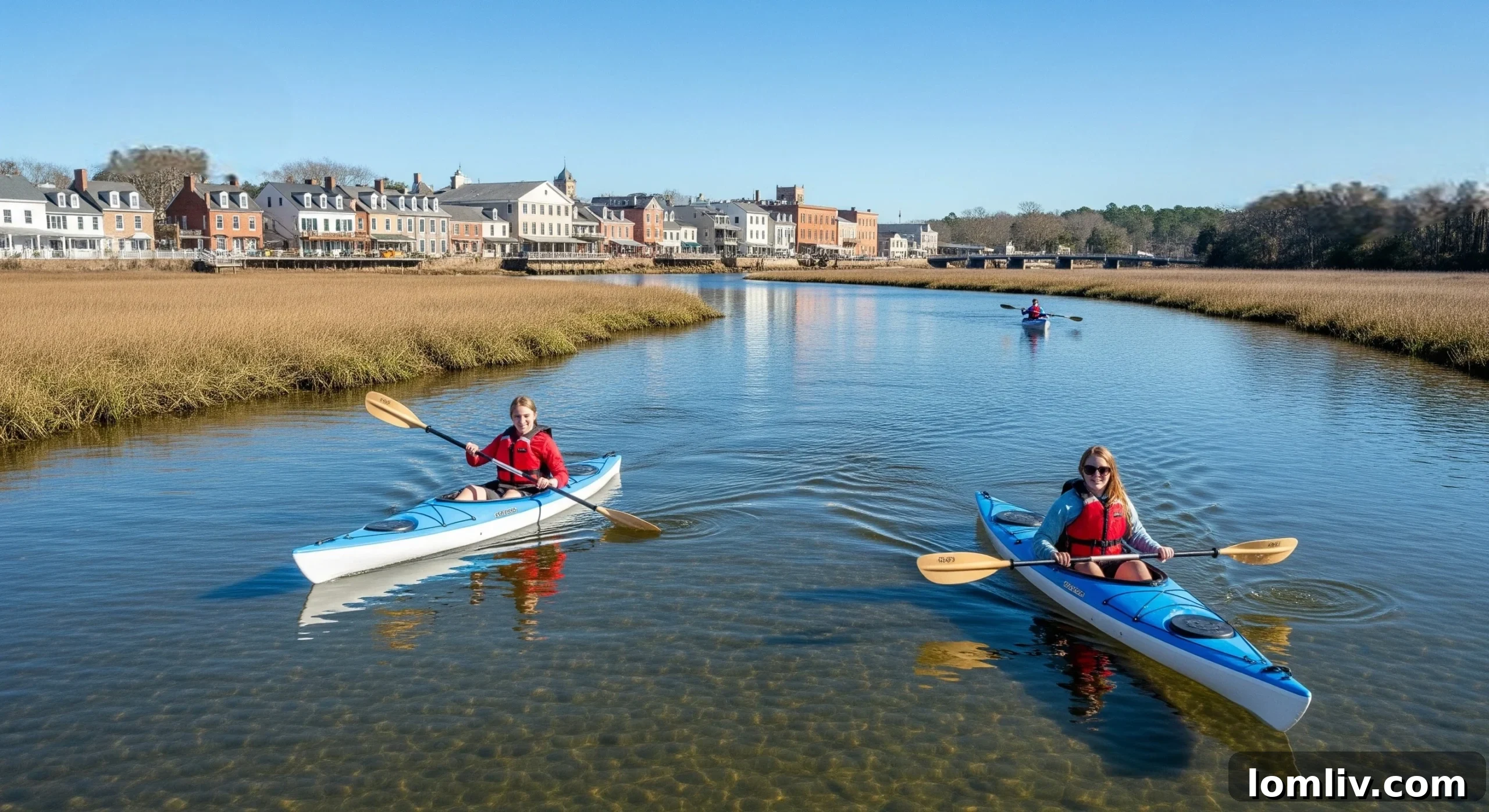
Even Apex, while now a thriving Raleigh suburb, proudly maintains its historic railroad-town roots, featuring beautifully preserved historic districts surrounded by an abundance of scenic walking paths, well-maintained parks, and expansive green spaces. The careful preservation of both natural and historical assets in these towns underscores a commitment to quality of life.
This harmonious balance between deep cultural significance and immediate access to nature makes these towns ideal for those who deeply value a slower-paced, wellness-focused lifestyle. Whether your preference is for invigorating morning walks by the water, peaceful afternoons exploring wooded trails, or family picnics near markers commemorating Revolutionary War events, the rejuvenating embrace of the outdoors is always just moments away, enhancing both physical and mental well-being.
5. Strong Real Estate Investment Potential
Investing in property within North Carolina’s historic towns can offer a remarkably solid and rewarding long-term real estate opportunity. Properties located in meticulously preserved historic areas frequently experience steady and often significant appreciation in value, particularly as the demand for unique homes with distinct character continues to rise. Buyers are increasingly seeking properties that offer more than just square footage; they desire homes with authentic features like gracefully arched doorways, rich heart pine floors, intricate original mouldings, and bespoke craftsmanship—elements rarely found in modern, mass-produced developments.

Furthermore, owners of historic properties often qualify for various advantageous tax incentives, grants, and low-interest loans specifically designed for restoration and rehabilitation projects. This is especially true for properties listed on the National Register of Historic Places or designated as local landmarks. North Carolina boasts a particularly robust and well-developed historic preservation tax credit program, available for both residential and income-producing properties, which can substantially offset renovation costs and make these investments even more attractive.
The burgeoning tourism in many of these historic locales also fuels the local economy, driving strong demand for charming vacation rentals, boutique hotels, and quaint bed and breakfasts. For entrepreneurial buyers, the opportunity to transform a grand 19th-century home into a successful bed and breakfast, an art gallery, or a unique retail space can be both a financially lucrative and profoundly personally rewarding endeavor, blending passion with profit.
6. Unique Local Businesses and Artisan Culture
The distinctive character and charm of North Carolina’s historic towns are vividly reflected in their vibrant business communities. Unlike generic shopping centers filled with national chains, you’ll discover a delightful array of artisan bakeries offering fresh, locally sourced delights, antique shops brimming with hidden treasures, cozy vintage bookstores, and independently owned cafés nestled within beautifully preserved 100-year-old buildings. These small, often family-run businesses contribute significantly to a unique, personalized shopping and dining experience that simply cannot be replicated in larger metropolitan areas dominated by corporate franchises.
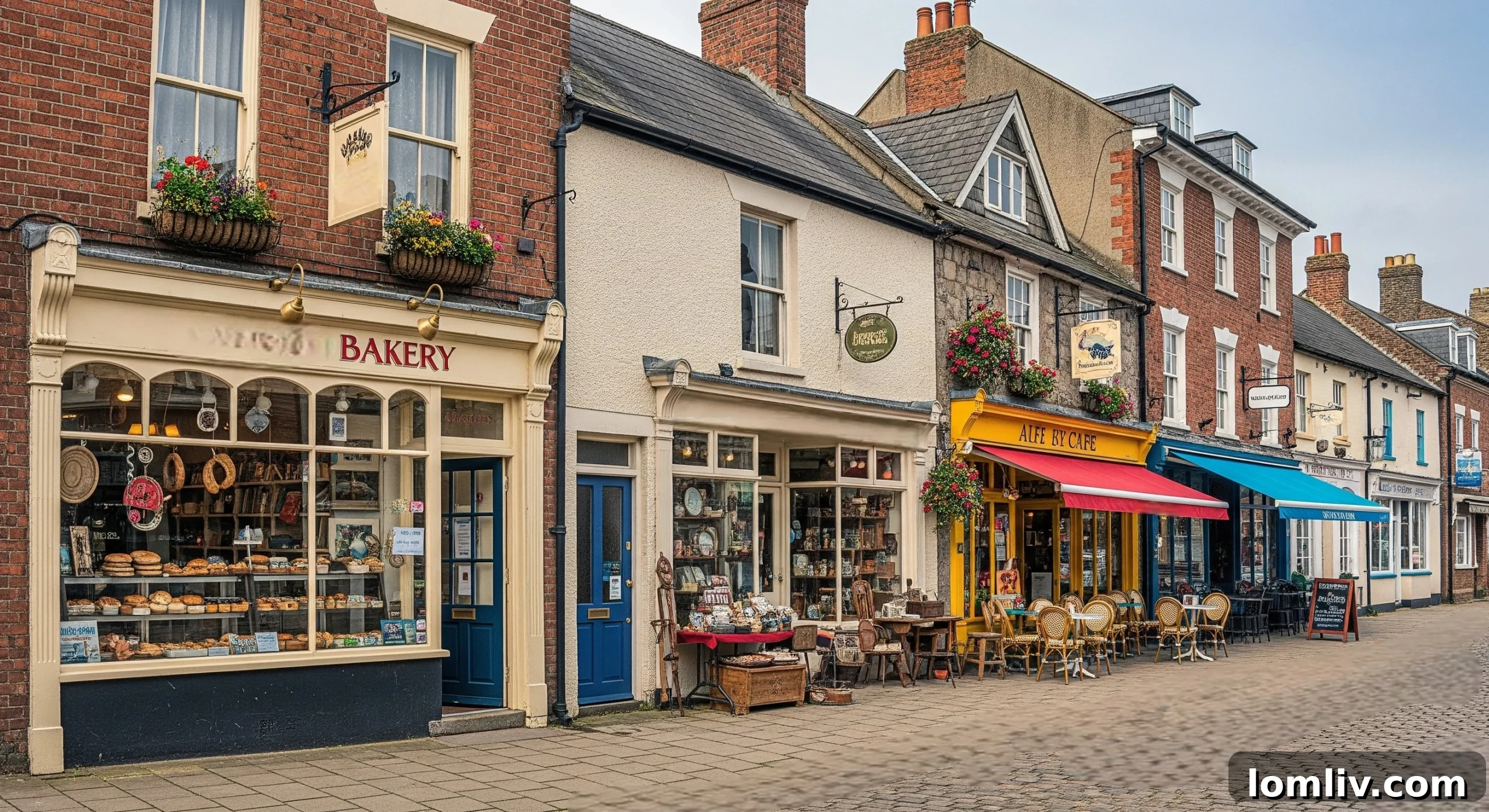
Many towns, such as Southern Pines, known for its equestrian heritage, and Hillsborough, with its artistic leanings, boast thriving arts scenes, complete with numerous galleries showcasing local talent, active pottery studios, and vibrant local theatre groups. Regular community events like farmers’ markets, craft fairs, and art walks further nurture a “local-first” economy, encouraging residents to support their neighbors and enjoy unique, high-quality goods and services.
Living in these towns provides direct access to locally grown produce, meticulously hand-crafted goods, and a rich, supportive network of talented artists and innovative entrepreneurs. Supporting these invaluable small businesses does more than just boost the local economy; it actively helps to preserve the unique authenticity, cultural richness, and overall resilience of the community, fostering a distinctive identity that sets these towns apart.
7. Peace, Safety, and Low-Crime Environments for All
One of the most compelling reasons drawing people to North Carolina’s historic towns is the pervasive sense of peace and security. Many of these communities maintain a wonderfully slower pace of life, which proves incredibly appealing to retirees seeking tranquility, families desiring a safe and nurturing environment for their children, and remote workers looking for a calm, inspiring setting. Bolstered by a strong community presence and an actively engaged citizenry, these towns generally boast significantly lower crime rates when compared to larger, more bustling metropolitan areas.
For instance, charming towns like Pinehurst, renowned for its golf courses, Blowing Rock, nestled in the mountains, and Davidson, a vibrant college town, consistently rank among the safest places to live in the state. Their deep historic roots often translate into long-standing, trusting relationships between residents and local law enforcement, coupled with a higher degree of neighborhood vigilance and a collective commitment to maintaining peace and order. This collaborative spirit creates a reassuring atmosphere.
This consistently peaceful and secure environment is ideal for those seeking a safe haven to raise children, embark on a fresh start in life, or enjoy a comfortable and worry-free retirement. The absence of urban stressors and the presence of a supportive community contribute significantly to a higher overall quality of life, allowing residents to thrive without constant concern.
Ultimately, choosing to establish roots in or around a historic town in North Carolina offers far more than just a beautiful view or a charming address. It’s a conscious decision to embrace a lifestyle deeply rooted in cultural richness, unwavering community spirit, and enduring long-term value. Whether your heart is drawn by the timeless beauty of historic architecture, the profound educational opportunities, the promising real estate investment potential, or simply the irresistible charm of slower, more meaningful living, there is an abundance of compelling reasons to call one of these remarkable towns home.
By carefully aligning your personal lifestyle goals with the myriad benefits that North Carolina’s historic towns graciously offer, and with the expert guidance of a seasoned real estate professional, you can confidently find a home that not only fulfills your practical needs but also resonates deeply with your love for heritage, community, and an exceptional quality of life.