Navigating Urban Development: The Saltillo Project, Height Disputes, and Community Engagement in Dallas
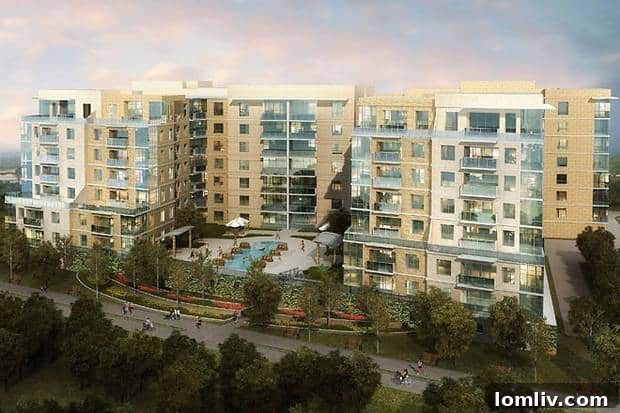
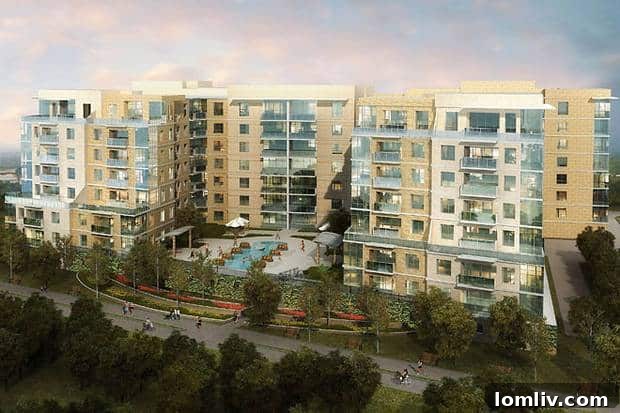
Urban landscapes are constantly evolving, shaped by a complex interplay of economic forces, demographic shifts, and community aspirations. In bustling metropolitan areas like Dallas, the escalating demand for housing, particularly in highly coveted locations, frequently catalyzes significant development projects that often spark vigorous public discourse. A prime example of this ongoing tension between growth and preservation is the discussion surrounding The Saltillo, a proposed seven-story apartment complex strategically located along the scenic Katy Trail. This ambitious project, which successfully secured approval from the Dallas City Council last August, has found itself at the nexus of a localized controversy, thereby illuminating broader challenges inherent in urban planning and the vital role of community involvement.
Recently, a news report from the esteemed Dallas Morning News inadvertently intensified aspects of this debate by referring to The Saltillo as a “high-rise” building. This seemingly minor detail, likely a product of a headline writer’s brevity, carries significantly more weight than one might initially perceive, especially given the fervent opposition emanating from nearby residents, most notably those within the affluent Highland Park community. While a seven-story structure certainly represents a substantial build, architectural and urban planning definitions typically classify it as a mid-rise development, not a high-rise. This nuanced distinction, though technical in nature, critically underscores how specific language and terminology can profoundly influence public perception and, consequently, intensify community reactions to the advent of new urban developments.
Deconstructing the Terminology: Mid-Rise vs. High-Rise in Urban Planning
The terms “mid-rise” and “high-rise” are ubiquitous in the lexicon of real estate and urban planning, yet their precise definitions can exhibit slight variations depending on the authoritative source or specific local zoning regulations. Generally speaking, a mid-rise building is characterized by its height, typically ranging from four to twelve stories. These structures are frequently lauded as a pragmatic and efficient solution for increasing urban density without drastically altering the existing skyline or placing undue strain on established infrastructure. They strike a crucial balance, providing substantially more housing or commercial space than low-rise buildings while generally possessing a less imposing visual footprint compared to their towering high-rise counterparts.
Conversely, a high-rise building is typically defined as a structure exceeding twelve stories, often reaching twenty stories or even more. These colossal edifices are the iconic skyscrapers that conspicuously define the skylines of many global city centers, distinguished by their profound vertical presence and often necessitating specialized construction techniques and advanced infrastructural support systems. The distinction between these two classifications is far from merely academic; it carries significant practical implications for building codes, elevator requirements, fire safety protocols, and, perhaps most critically, public perception concerning density, potential shadow impacts, and the overall character of a neighborhood. When a seven-story building is erroneously labeled a “high-rise,” it can inadvertently evoke mental images of much larger, more architecturally imposing structures, potentially exacerbating pre-existing community anxieties and fueling misconceptions.
The Saltillo Project: A Case Study in Urban Development and Community Opposition
The proposed Saltillo apartment complex along the celebrated Katy Trail is positioned in an area highly coveted for its extensive amenities, exceptional connectivity, and vibrant urban lifestyle. The Katy Trail itself stands as a cherished public green space, offering both residents and visitors an unparalleled recreational corridor weaving through the very heart of Dallas. Developments situated adjacent to such popular and valuable amenities are often considered premium investments, naturally attracting a diverse spectrum of residents seeking convenience, accessibility, and an enriched urban experience.
However, the very proximity to desirable features also invites heightened scrutiny and meticulous oversight from existing communities. The palpable opposition, particularly from the residents of Highland Park and other neighboring areas, originates from a multifaceted array of concerns. While the initial headline’s mischaracterization of the building’s height was indeed somewhat ironic given the central nature of their objections, it perfectly encapsulates the core of their contention: the perceived monumental impact of the building’s sheer scale on the surrounding environment and established community fabric. Primary concerns typically coalesce around several key issues:
- Height and Views: Even a mid-rise structure has the potential to obstruct existing panoramic views for some residents, or to cast significant shadows over adjacent properties and cherished public spaces, altering the natural light patterns.
- Traffic Congestion: A substantial increase in residential density inevitably leads to a greater volume of vehicles on local thoroughfares, thereby raising legitimate fears of chronic gridlock, increased commute times, and diminished road safety.
- Infrastructure Strain: A significant and sudden increase in population within a localized area can exert considerable pressure on existing essential utilities, public educational institutions, and various public services, potentially leading to service degradation.
- Neighborhood Character: Long-term residents often deeply value the established aesthetic, architectural harmony, and intangible “feel” of their neighborhoods, viewing large new developments as potentially incompatible, disruptive, or even detrimental to this cherished character.
- Property Values: While a subject of extensive debate, some residents express genuine apprehension that increased density, altered views, or a perceived change in neighborhood ambiance could negatively impact their property values and overall investment.
The Pivotal Role of the Dallas City Council and the Comprehensive Planning Process
The eventual approval of The Saltillo by the Dallas City Council last August represented the culmination of an exhaustive and rigorous planning and review process. City councils and their corresponding planning departments are entrusted with the crucial responsibility of balancing the imperative for urban growth and the provision of adequate housing supply with the paramount goal of preserving the quality of life and unique character of existing neighborhoods. This necessitates adept navigation through complex zoning ordinances, comprehensive master plans, and various environmental and social impact assessments.
During the initial planning stages, developers are typically required to submit meticulously detailed proposals, which include intricate architectural renderings, comprehensive traffic studies, and thorough environmental impact reports. These proposals subsequently undergo a stringent review by city planning staff, a process that often leads to expert recommendations and potential modifications to the original plans. Crucially, the entire process almost invariably includes multiple opportunities for robust public input, such as organized community meetings and formal public hearings. These invaluable forums empower residents, neighborhood associations, and other vested stakeholders to articulate their concerns, pose pertinent questions, and offer constructive suggestions. The city council, serving as the ultimate decision-making authority, must meticulously weigh all these diverse factors – the developer’s interests, the extensive community feedback, the professional planning recommendations, and the broader strategic vision for the city – before rendering a final and binding decision.
In the specific instance of The Saltillo, notwithstanding the significant community opposition, the City Council ultimately concluded that the project demonstrably aligned with the city’s overarching development goals and the existing zoning regulations pertinent to that specific area. This type of decision frequently reflects a broader municipal strategy to judiciously encourage density in designated corridors, particularly those boasting excellent access to public transit networks or significant urban amenities like the Katy Trail, thereby promoting sustainable urban growth patterns and effectively addressing pressing housing shortages within the city.
The Imperative of Accurate Reporting and its Impact on Public Perception
The media plays an undeniably significant and often determinative role in shaping public discourse surrounding urban development initiatives. As vividly demonstrated by the Dallas Morning News headline, even seemingly minor inaccuracies in terminology can exert an outsized influence on how a development project is perceived by the general public. Describing a seven-story building as a “high-rise” can inadvertently sensationalize the development, causing it to appear far more imposing, threatening, and disruptive to established neighborhood aesthetics than it genuinely is. Therefore, accurate, nuanced, and contextually rich reporting is absolutely essential to ensure that public discussions are grounded in verifiable facts rather than fueled by misinterpretations, exaggerated fears, or sensationalized narratives.
Journalists bear a profound responsibility to employ clear, precise, and unambiguous language when reporting on complex and often contentious topics such as urban planning and development. Diligently distinguishing between a “mid-rise” and a “high-rise,” or comprehensively explaining the underlying rationale behind specific zoning decisions, can empower the public to achieve a more profound and accurate understanding of the realities of a given project. This commitment to clarity fosters a more informed and constructive debate, enabling communities and policymakers alike to engage productively on the genuine merits and legitimate challenges of specific developments, rather than reacting reflexively to potentially misleading or inflammatory terminology. Such precision enhances public trust and facilitates more rational decision-making processes.
The Broader Implications: Harmonizing Growth with Community Identity
The Saltillo project in Dallas serves as a compelling microcosm of a larger, incessant debate confronting cities worldwide: how to effectively accommodate relentless growth and an ever-increasing demand for housing while simultaneously preserving the unique character, historical integrity, and cherished quality of life of existing neighborhoods. As urban populations continue their inexorable expansion, strategically increasing density becomes a pragmatic and often unavoidable necessity. Thoughtfully planned mid-rise developments, especially when situated in transit-oriented locations or adjacent to popular urban amenities, are frequently regarded as a cornerstone of sustainable urbanism. They possess the capacity to provide much-needed housing, stimulate vibrant street-level retail activity, and contribute significantly to a dynamic urban fabric, all without necessarily leading to the extreme congestion or profound shadow impacts typically associated with ultra-tall skyscraper structures.
However, the concerns articulated by residents are equally valid and demand to be taken with the utmost seriousness and respect. Communities inherently possess the right to articulate their anxieties about potential increases in traffic volume, the possible strain on critical infrastructure, and perceptible alterations to their immediate surroundings. The intricate challenge for city planners and elected officials lies in meticulously finding a delicate and equitable balance: actively encouraging responsible, forward-thinking development that adeptly addresses future needs, while simultaneously mitigating adverse impacts and fostering genuine, inclusive community engagement. This requires open dialogue, proactive listening, and innovative solutions.
Ultimately, projects such as The Saltillo vividly highlight the continuous, evolving dialogue that is absolutely essential in the realm of urban development. It is a profound conversation about sustainable growth, appropriate scale, deeply held community values, and the overarching future vision of our urban centers. This critical dialogue necessitates transparent processes, clear, unambiguous communication from all participating parties, and a shared, foundational understanding of terminology to ensure that discussions remain productive, constructive, and ultimately lead to outcomes that benefit the city as a comprehensive whole, while simultaneously respecting and addressing the legitimate concerns of its diverse and valued communities. The path forward requires collaboration, compromise, and a shared commitment to building better cities for everyone.