When you decide to sell your home, your primary goal is to secure the best possible price. The journey to a successful sale, however, is often filled with subtle traps that can unexpectedly diminish your property’s value. Many sellers focus on the big picture but overlook how small, easily avoidable mistakes can quietly chip away at their final profit margin. These issues aren’t always about major structural flaws; more often, they stem from poor presentation, outdated features, or neglecting basic maintenance.
Navigating the real estate market requires a strategic approach. By understanding what potential buyers are looking for and what turns them away, you can position your home to stand out for all the right reasons. This guide will walk you through the most common mistakes that can lower your home’s value, providing actionable advice to help you maximize your return on investment and achieve a smooth, profitable sale.
Mistake #1: Overpricing Your Home from the Start

One of the most significant and frequent errors a seller can make is setting an unrealistic asking price. It’s natural to have an emotional attachment to your home and believe it’s worth more than similar properties, especially after investing years of care and money into it. However, buyers approach the process objectively, armed with market data and comparisons.
When a property is priced too high, it often deters serious, qualified buyers from even scheduling a viewing. They may see the price as unreasonable and skip your listing entirely, assuming you are not a serious seller. This initial lack of interest can lead to your home sitting on the market for an extended period. The longer a home remains unsold, the more it develops a stigma. Potential buyers and their agents begin to wonder, “What’s wrong with it?”
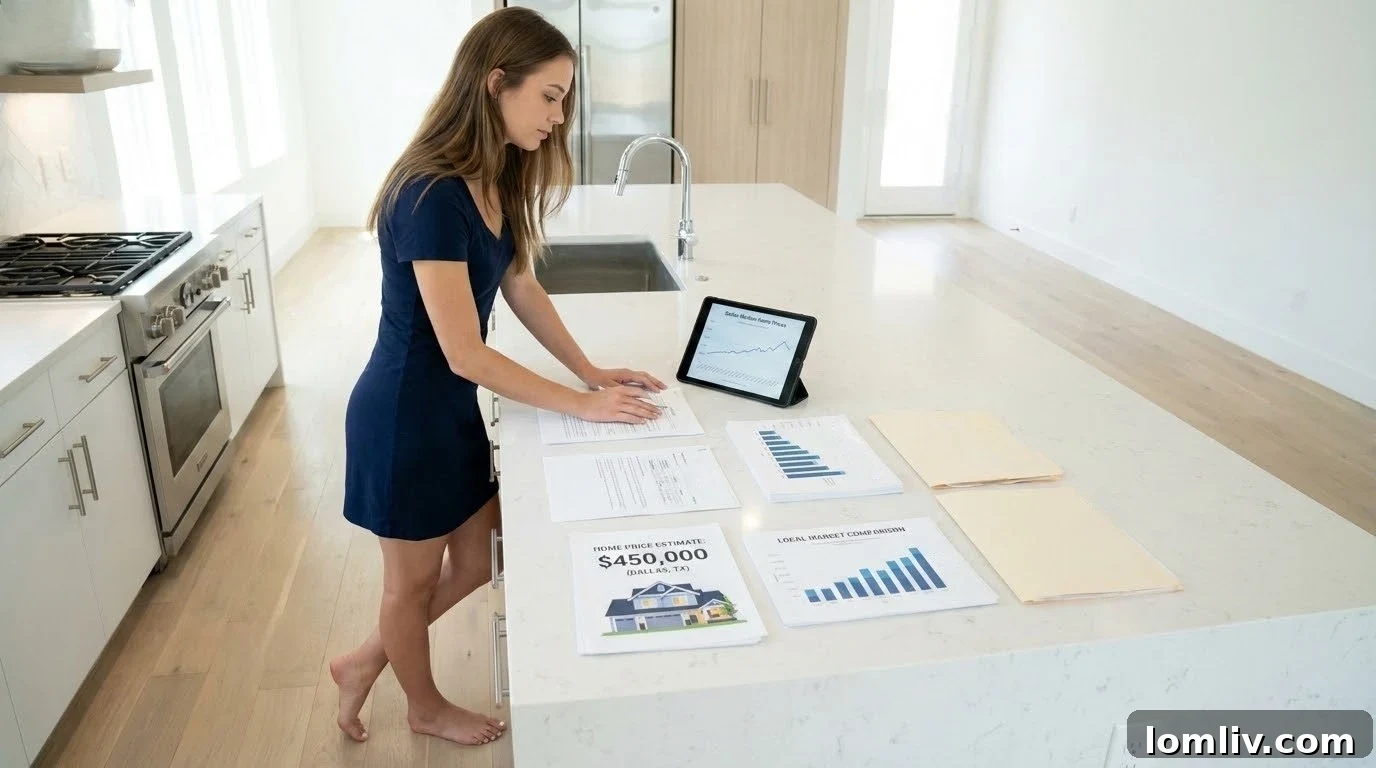
This perception forces you to eventually make price reductions. While a price cut can generate new interest, it can also weaken your negotiating position. Buyers may interpret the reduction as a sign of desperation and submit lowball offers, hoping you’ll accept anything to make a sale. Consequently, you might end up selling for less than what you could have achieved with an appropriate initial price. The key is to price your home competitively from day one. Work with a qualified real estate agent to conduct a thorough comparative market analysis (CMA) to set a realistic price that attracts buyers and encourages strong, timely offers.
Mistake #2: Neglecting a Powerful First Impression

In real estate, you never get a second chance to make a first impression. This critical moment often occurs before a buyer even sets foot inside your home. The exterior of your property, or its “curb appeal,” sets the tone for the entire viewing. A neglected lawn, peeling paint, cluttered porch, or faded front door can create a negative perception of poor maintenance that is difficult to overcome.
If a buyer’s first thought is about all the work the exterior needs, they will carry that critical mindset inside, scrutinizing every detail for further flaws. A report from the National Association of Realtors highlighted that a vast majority of agents recommend sellers enhance their curb appeal before listing. The great news is that many of these improvements offer a significant return on investment.
Focus on simple, high-impact updates. Start with basic landscaping: mow the lawn, trim overgrown shrubs, weed the garden beds, and add a fresh layer of mulch. A power washer can work wonders on dirty siding, walkways, and driveways. Consider applying a fresh coat of paint to the front door in an inviting, contemporary color. Ensure all exterior lights are working, and consider updating old fixtures. Clean the windows until they sparkle. These small efforts signal to buyers that your home is well-cared-for and loved, making them more excited to see what’s inside and more willing to pay a premium price.
Mistake #3: Skipping Essential Repairs and Maintenance

Ignoring necessary repairs is a surefire way to decrease your home’s value. While you may have grown accustomed to a leaky faucet, a sticky door, or a cracked tile, potential buyers will see these as immediate red flags. Minor, visible issues often lead buyers to a troubling conclusion: if the small, obvious problems haven’t been fixed, what larger, hidden issues might be lurking beneath the surface?
This concept is known as deferred maintenance, and it can spook even the most enthusiastic buyers. They begin to mentally calculate the cost, time, and hassle of making these repairs themselves. In most cases, buyers will dramatically overestimate the actual cost of repairs and will factor this inflated number into their offer, reducing it by far more than it would have cost you to fix the problem in the first place.
Before listing your home, conduct a thorough walkthrough and create a repair checklist. Address issues like dripping faucets, running toilets, broken light fixtures, faulty outlets, and holes or cracks in the walls. Ensure all doors and windows open and close smoothly. A fresh coat of neutral paint can cover scuffs and make the entire home feel cleaner and brighter. By presenting a well-maintained, move-in-ready home, you build confidence and trust with buyers. This proactive approach minimizes objections, streamlines negotiations, and ultimately helps you secure a higher and more competitive sale price.
Mistake #4: Ignoring Clutter and Lingering Odors

Two of the most potent buyer deterrents are clutter and unpleasant odors. When a home is filled with excessive furniture, personal belongings, and general mess, it feels smaller, darker, and more chaotic. Buyers need to be able to envision themselves and their belongings in the space, and clutter makes this mental exercise nearly impossible. It distracts them from seeing the home’s best features, like its beautiful hardwood floors or spacious layout.
Equally damaging are lingering smells. Every home has a unique scent, but sellers often become “nose-blind” to their own. Odors from pets, cooking, smoke, or dampness can create an immediate and lasting negative impression. No matter how beautiful your home is, a bad smell can make buyers want to leave as quickly as possible.
The solution is a two-pronged attack: declutter and deep clean. Be ruthless in your decluttering process. Pack away personal items like family photos, collections, and knick-knacks. Remove excess furniture to make rooms feel larger and more open. If necessary, rent a temporary storage unit—it’s a small investment for a big return. After decluttering, perform a thorough deep clean. This includes shampooing carpets, washing curtains, and cleaning inside closets and cabinets. Instead of using scented plugins that can trigger allergies, address odors at their source. Open windows to air out the house before showings and consider using a subtle, natural scent like fresh-baked cookies or a simple diffuser with a light citrus oil. A clean, fresh, and spacious-feeling home is far more appealing and commands a higher price.
Frequently Asked Questions
What is the best time of year to sell a house?
Traditionally, the spring and early summer months are considered the peak season for home sales. The pleasant weather encourages more buyers to be out house-hunting, and gardens and landscaping look their best. This heightened demand can often lead to quicker sales and more competitive offers. However, local market conditions are also a crucial factor. In a seller’s market with low inventory, any time of year can be a great time to sell.
Is professional home staging really worth the cost?
Home staging is a powerful marketing tool that can provide a significant return on investment. Staging goes beyond just cleaning and decluttering; it’s about arranging furniture and decor to highlight your home’s best features, define each room’s purpose, and create an emotional connection with buyers. A well-staged home helps buyers visualize themselves living in the space, which often leads to them selling faster and for a higher price compared to unstaged or vacant homes.
Which home repairs add the most value before selling?
Focus on repairs that offer the most visual and functional impact. Start with fixing anything that is obviously broken, such as leaky faucets, faulty light switches, or cracked tiles. A fresh, neutral coat of paint is one of the most cost-effective improvements you can make. Updating outdated light fixtures and cabinet hardware in the kitchen and bathrooms can also modernize the space without a full remodel. These small updates make your home appear well-maintained and move-in ready, which is highly attractive to potential buyers.
Successfully selling your home for top dollar requires more than just putting a “For Sale” sign in the yard. It involves a thoughtful strategy that focuses on presenting your property in the best possible light. By avoiding these common pitfalls, you can enhance your home’s appeal, attract serious buyers, and position yourself for a more profitable and less stressful transaction. Remember, small, smart choices made before listing can have a huge impact on your final sale price.