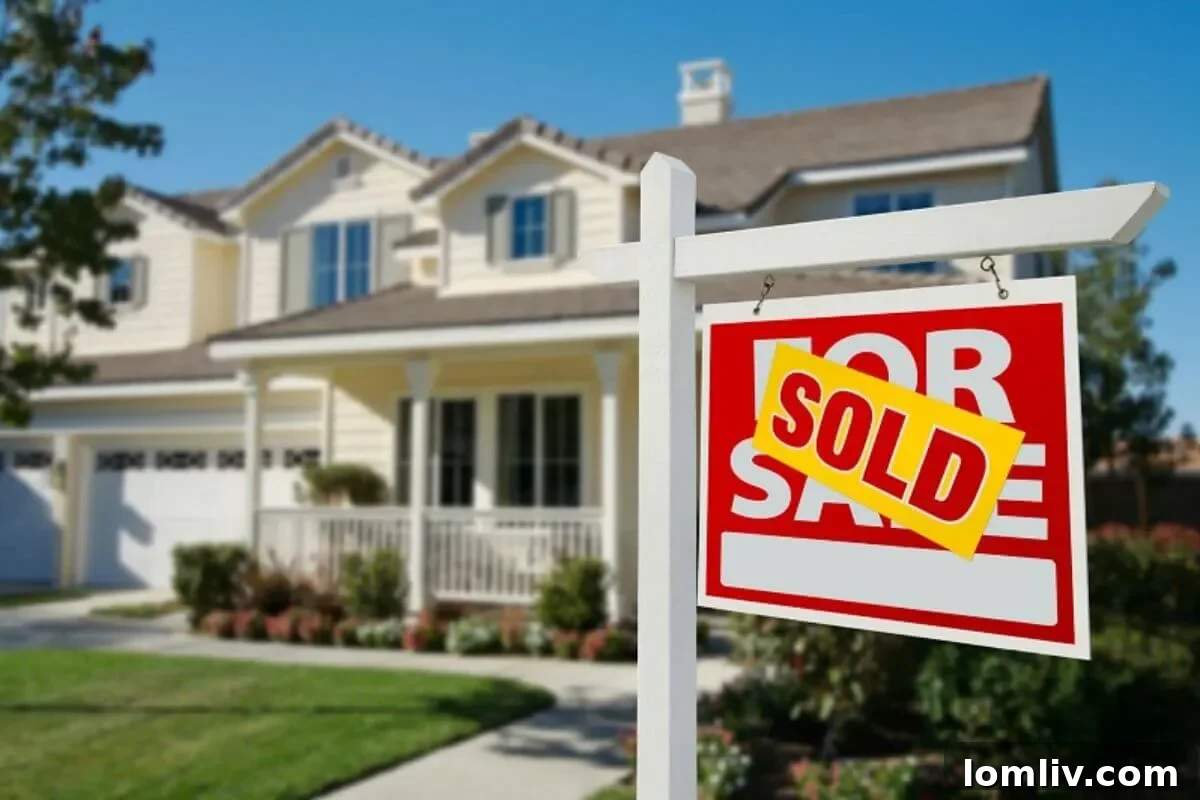
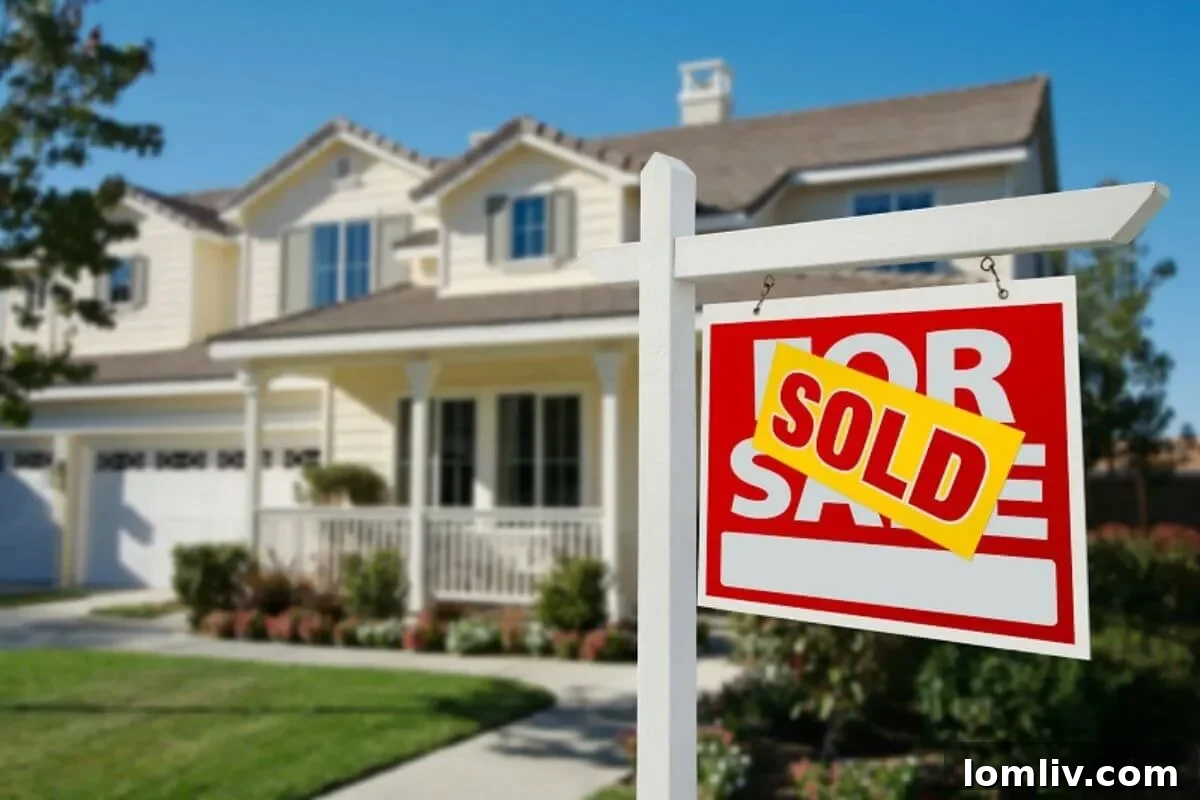
Selling a home in Wisconsin without a realtor, commonly known as For Sale By Owner (FSBO), offers a compelling opportunity for homeowners to save thousands of dollars on realtor commissions. While this path demands a greater investment of time and effort from the seller, it grants unparalleled control over every aspect of the transaction. For many, the prospect of navigating the real estate market independently is not just about financial savings but also about tailoring the selling experience to their unique needs and preferences. With meticulous preparation, a strategic approach, and access to the right resources, successfully selling your home unassisted is entirely achievable, making the process both smooth and rewarding.
In today’s dynamic real estate landscape, an increasing number of homeowners are opting for the FSBO route, empowered by readily available online tools and comprehensive guides. This article aims to demystify the process, providing a step-by-step roadmap for homeowners in Wisconsin looking to maximize their profit and manage their sale with confidence. From the initial stages of preparing your property to the complexities of closing the deal, we’ll explore key strategies that can transform a potentially daunting task into a streamlined success.
Prepare Your Home for Sale: Maximizing Appeal and Value
Preparing your house for sale is the foundational step in attracting potential buyers and securing a favorable price. This initial phase goes beyond simple tidying; it’s about presenting your home in its best possible light, allowing buyers to envision themselves living there. A clean, decluttered, and well-staged home creates an immediate positive impression, fostering emotional connection and increasing perceived value.
Deep Clean and Declutter
Begin with a thorough deep clean. This includes scrubbing every surface, cleaning windows until they sparkle, and ensuring all fixtures are dust-free. Next, declutter ruthlessly. Remove personal items, excess furniture, and anything that makes a space feel crowded. The goal is to create open, airy rooms that allow buyers to appreciate the size and layout of each area. Consider renting a storage unit for items you don’t need during the selling period.
Essential Repairs and Minor Updates
Even minor imperfections can deter buyers or lead to lower offers. Address all visible repairs, no matter how small. This includes patching holes in walls, fixing leaky faucets, tightening loose door handles, and replacing burnt-out light bulbs. Small cosmetic updates, such as a fresh coat of neutral paint throughout the interior, can have a dramatic impact. Neutral colors appeal to a broader audience and make rooms feel larger and brighter. Swapping out outdated light fixtures or cabinet hardware can also provide an inexpensive yet effective modern refresh, significantly enhancing the home’s overall appeal.
Enhance Curb Appeal
First impressions start at the curb. Dedicate time to the exterior of your home to ensure it is inviting and well-maintained. Mow the lawn, trim hedges, weed garden beds, and add fresh mulch. Planting colorful flowers can instantly boost visual appeal. Power wash the exterior siding, driveway, and walkways to remove dirt and grime. Ensure your front door is clean and welcoming, perhaps with a fresh coat of paint or a new welcome mat. A well-maintained exterior signals to potential buyers that the home has been cared for inside and out.
Carter Crowell, president of CB Home Solutions, emphasizes the critical role of presentation in the FSBO process: “Presentation matters immensely, especially when you’re selling without a realtor. At CB Home Solutions, we assist sellers who are needing improvements, through cosmetic repairs all the way to staging tips. Incremental improvements can have a major effect in accelerating the sale of homes and achieving a better price. Our objective is to make homes move-in-ready right out of the gate so that the buyer gets excited at the outset.”
Crowell’s insights underscore that strategic preparation is not merely about fixing flaws but about crafting an irresistible experience for prospective buyers, directly influencing both sale speed and final price.
Price Your Home Competitively: The Art and Science of Valuation
Pricing your home correctly is paramount when selling without an agent. It’s a delicate balance: overpricing will deter potential buyers, causing your listing to stagnate and eventually require price reductions, while underpricing means leaving money on the table. A well-researched, competitive price is crucial for attracting initial interest and generating offers.
Conduct a Comparative Market Analysis (CMA)
To establish an accurate price, begin by conducting your own Comparative Market Analysis (CMA). This involves researching recent sales of comparable properties (comps) in your immediate neighborhood or a very similar area. Look for homes that are similar in size, age, condition, architectural style, and number of bedrooms/bathrooms. Consider sales within the last three to six months to reflect current market conditions. Pay close attention to features that differentiate your home, such as upgrades, lot size, and specific amenities.
Leverage Online Tools and Public Records
Various online platforms can assist in your research. Websites like Zillow, Trulia, and Realtor.com offer valuation calculators and allow you to view recent sales data. While these tools provide useful starting points, they should be used with caution, as automated valuations can sometimes be inaccurate. Supplement this data with information from county property records, which offer detailed property histories, tax assessments, and sales prices. For an even more precise valuation, hiring a professional appraiser is a worthwhile investment. An independent appraisal provides an unbiased, expert opinion on your home’s value, which can be invaluable for setting your list price and for negotiations.
Understand Market Dynamics and Psychology
Consider the current real estate market in Wisconsin. Is it a seller’s market, buyer’s market, or balanced? Your pricing strategy should adapt to these conditions. In a hot market, you might price slightly higher, but in a slower market, competitive pricing becomes even more critical. Also, consider the psychology of pricing. Prices ending in 9s (e.g., $299,900 instead of $300,000) are often perceived as more appealing. Be prepared to adjust your price based on buyer feedback and market response.
Crowley explains why pricing is so important: “At CB Home Solutions, we use local data to provide sellers with appropriate price estimates. We’ve seen homes attract multiple offers just by being priced fairly and competitively. It’s all about understanding the market and positioning your home to meet buyer expectations.”
His counsel underscores that an effective pricing strategy is rooted in thorough market analysis and a practical understanding of buyer perceptions.
Market Your Home Effectively: Reaching the Right Buyers
Effective marketing is the engine that drives buyer interest when selling without a realtor. Your goal is to maximize your home’s visibility to as many qualified buyers as possible. This requires a multi-faceted approach, combining online and offline strategies.
Master Online Listings
The vast majority of home searches begin online. Your presence on major real estate platforms is non-negotiable. Post your listing on widely used sites such as Zillow, Trulia, Realtor.com, FSBO.com, and Facebook Marketplace. These platforms offer broad reach and are often the first place buyers look. To make your listing stand out:
- High-Quality Photography: Invest in professional photos. Well-lit, high-resolution images that showcase your home’s best features are crucial. Consider twilight shots for exterior appeal.
- Compelling Descriptions: Write a captivating description that highlights your home’s unique selling points, recent upgrades, and desirable neighborhood features. Use engaging language and precise details.
- Virtual Tours: If possible, include a virtual tour or a video walkthrough. This allows potential buyers to experience your home remotely, generating stronger interest before an in-person visit.
- Floor Plans: Providing accurate floor plans can help buyers visualize the layout and space effectively.
Leverage Local Marketing Efforts
While online presence is critical, don’t underestimate the power of local outreach. Prominently displayed “For Sale By Owner” yard signs can generate local purchaser traffic and attract neighbors who might know someone looking to buy. Consider placing flyers in local community centers, coffee shops, or grocery store bulletin boards, if permitted.
Specifically, for sellers in particular markets such as Green Bay, it is highly beneficial to target local consumers directly through market-specific listings and community channels. Highlighting neighborhood features, proximity to schools, parks, shopping, and community amenities can make your listing resonate more strongly with potential buyers in areas like Green Bay real estate listings.
Strategic Social Media Engagement
Social media can be a powerful, low-cost marketing tool. Share your listing on your personal Facebook profile, and more importantly, join local community groups on Facebook and Nextdoor to post about your home. You can also create targeted ads on Facebook or Instagram to reach specific demographics and geographic areas. Always include stunning visuals and direct links to your full listing.
Crowley shares insights on marketing success: “We’ve learned that great photos and strong online listings can make all the difference. At CB Home Solutions, we help sellers employ digital tools to access more buyers. Virtual tours and social media ads are particularly effective at presenting property and creating interest. Smarter Marketing is doing the right things for the right people at the right moment.”
Handle Negotiations and Paperwork: Navigating the Closing Process
The negotiation and paperwork phase is often where sellers without an agent feel the most apprehension. This stage requires careful attention to detail, a clear understanding of legal requirements, and effective communication. Successfully navigating offers, counteroffers, and the intricate legal documentation is crucial for a smooth transaction.
Understanding Offers and Contingencies
When an offer comes in, review it meticulously. Look beyond just the price; consider all terms and contingencies. Common contingencies include financing (buyer securing a mortgage), inspection (home passes professional inspection), appraisal (home appraises for at least the offer price), and sometimes a home sale contingency (buyer needs to sell their current home first). Pay attention to proposed closing dates and earnest money deposits. Each element can impact the overall value and feasibility of the offer.
The Art of Negotiation
Negotiation is a dialogue aimed at reaching mutually agreeable terms. Be prepared to issue counteroffers that address aspects of the buyer’s offer you wish to change, whether it’s the price, closing date, or removal of certain contingencies. Maintain a professional and polite demeanor, and always communicate in writing to avoid misunderstandings. In situations with multiple offers, you have a strong negotiating position, but still handle each offer with respect and transparency (within legal limits).
Legal Requirements and Disclosures in Wisconsin
The sale of real estate is governed by state laws. In Wisconsin, sellers are generally required to provide specific disclosures about the property’s condition. The Wisconsin Real Estate Condition Report is a crucial document where you must disclose any known defects or issues with the property. This is a legal requirement, and honesty is paramount to avoid future liability. Ensure all contracts comply with the legal requirements of Wisconsin statutes, particularly Chapter 709, and that all disclosures about the property’s condition are true and complete.
Professional Assistance and Digital Tools
While selling FSBO, hiring a real estate attorney is highly recommended, even if just for contract review. An attorney can ensure your purchase agreement protects your interests and complies with all state laws. They can also guide you through the closing process. Utilizing online legal forms and digital signing platforms can significantly streamline the paperwork. Tools that allow you to sign PDF documents online can facilitate the rapid and secure exchange of contracts, disclosures, and counteroffers, ensuring that the process stays on track. Timely responses to buyer inquiries and a proactive approach to all administrative tasks are key to a stress-free closing.
Crowley discusses how to manage this phase: “Negotiations and paperwork can sound daunting, but they don’t need to be. At CB Home Solutions, we guide sellers to ensure that there are no delays and legal problems. Being able to communicate clearly and document well is the key to running a transaction smoothly and with low stress. The thing is to stay on top of things and keep up to date through every step.”
His remarks highlight the relevance of preparation and expert guidance in the effective management of contracts and negotiations, emphasizing that proactive engagement is the best defense against potential issues.
Boost Your Visibility with Open Houses: Creating an Engaging Experience
Hosting an open house remains an excellent, time-tested strategy to attract potential buyers, generate buzz, and provide a tangible experience of your home. It offers a unique opportunity for prospective buyers to walk through the property at their leisure, mentally absorb the space, and envision their life within its walls. When executed thoughtfully, an open house can significantly accelerate the selling process and potentially lead to multiple offers.
Strategic Planning for Success
To maximize the impact of your open house, meticulous planning is essential. Choose a date and time that is convenient for most buyers, typically weekends during midday. Prepare marketing materials such as detailed brochures outlining your home’s features, recent upgrades, and neighborhood highlights. Create a simple sign-in sheet to capture contact information for follow-up. Ensure your home is impeccably clean, decluttered, and well-staged, allowing for an effortless flow from room to room. Open curtains and blinds to let in natural light, and ensure all lights are on to create a warm, inviting ambiance.
Creating a Memorable Experience
Go beyond just opening your doors. Think about creating a positive and lasting impression. Consider providing small refreshments like bottled water, cookies, or light snacks to make guests feel welcome. Play soft, unobtrusive background music to enhance the atmosphere. Be present to answer questions about the home and neighborhood, but also give buyers space to explore on their own without feeling pressured. Highlight key features verbally and with small, tasteful signs. For example, a sign next to a newly renovated kitchen could read, “Enjoy cooking in this state-of-the-art kitchen with granite countertops and stainless steel appliances.”
Promote and Follow Up
Leverage social media, local community groups, and online listing platforms to widely market your open house event. Post attractive photos, the date, time, and a brief description of your home. Encourage attendance by local buyers and spread the word through your network. After the open house, promptly follow up with all attendees who provided their contact information. A personalized email or call can reiterate your home’s appeal and address any lingering questions, keeping your property top-of-mind.
Crowley offers his advice for hosting successful open houses: “Open houses provide a single point of contact between sellers and buyers in person. At CB Home Solutions, we emphasize presentation and make sure every detail is covered—from staging rooms to answering questions about the property’s features. If well-organized, an open house can build interest and result in multiple offers. It’s all about creating the right impression and connecting with buyers on a personal level.”
Conclusion: Empowering Your FSBO Journey in Wisconsin
Selling a house in Wisconsin without a real estate agent is not just a theoretical possibility; it’s a tangible goal achievable with adequate preparation, a strategic plan, and a willingness to engage actively in the process. By embracing the steps outlined in this comprehensive guide, homeowners can confidently navigate the complexities of the market, save on significant commission fees, and retain full control over their most valuable asset.
From meticulously preparing your home to maximize its appeal and value, to setting a competitive price based on thorough market analysis, and executing compelling marketing strategies that capture buyer attention, each stage plays a vital role in your success. Furthermore, understanding the nuances of negotiation, diligently managing legal paperwork, and leveraging the power of engaging open houses will ensure a smooth and rewarding transaction. While the journey demands effort and attention to detail, the financial benefits and personal satisfaction derived from a successful FSBO sale are immense.
This guide provides proven techniques and insights to streamline the process, empowering homeowners to confidently close deals swiftly and for the right price. A realtor is not necessary when, with preparation, planning, and the correct tools, selling your home can not only go smoothly but also result in a truly profitable outcome, demonstrating that taking charge of your home sale in Wisconsin is a smart and achievable choice.