Every week, the detail-oriented professionals at Green Scene Home Inspections provide Daltxrealestate.com readers with invaluable insights into the world of property assessment. Eager to discover what seasoned inspectors uncover? Stay tuned for “Upon Closer Inspection” – your guide to understanding the hidden truths of potential homes.
As dedicated home inspectors, we routinely encounter a spectrum of common issues that recur across various properties. However, our work often presents us with discoveries that are truly extraordinary – findings that underscore the critical importance of a thorough, expert inspection. This week, we’re excited to share some of the most striking inspection finds that have recently caught our attention, highlighting both the surprising and the potentially dangerous conditions that can lurk within a property.
Beyond the Surface: What Lurks in the Crawl Space
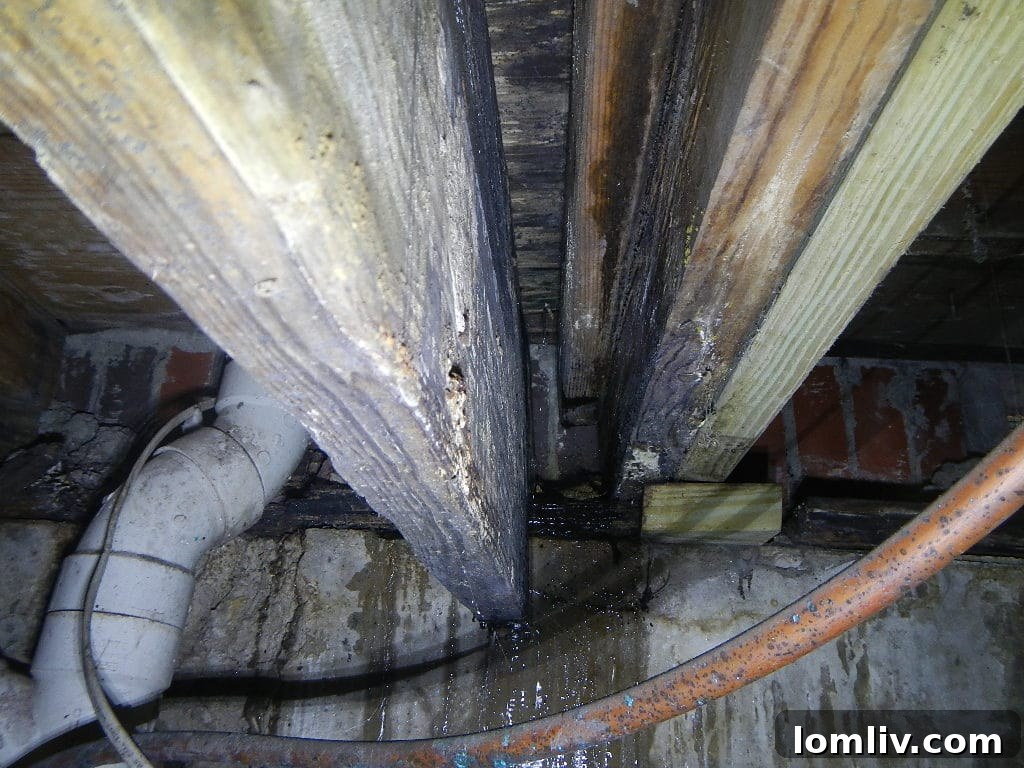
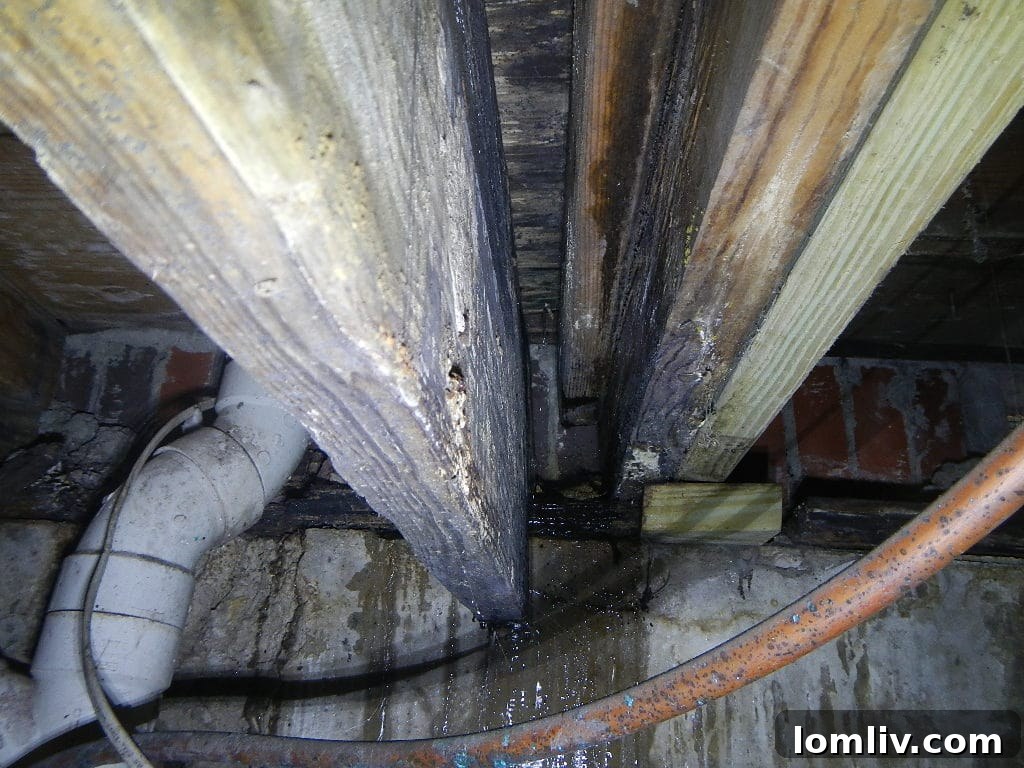
One particular inspection brought to light a situation that vividly illustrates why a comprehensive property assessment is non-negotiable. The homeowner had confidently presented a report from a foundation engineer, purportedly stating that the foundation was in excellent condition. Yet, upon our closer inspection of the crawl space – an area often overlooked but crucial – a starkly different reality emerged.
As depicted in the image above, our inspector immediately identified an active water leak. This wasn’t merely a minor drip; it was a persistent issue that had led to significant and visible damage to the structural beams supporting the home, particularly those beneath a hydro tub. The implications of such a finding are profound. An active water leak in a crawl space can precipitate a host of severe problems, including:
- Structural Integrity Compromise: Constant moisture can lead to wood rot, weakening the foundational beams, floor joists, and subflooring. This degradation can manifest as sagging floors, instability, and even severe structural failure over time.
- Mold and Mildew Growth: Crawl spaces are dark, often poorly ventilated environments. The presence of water creates an ideal breeding ground for mold and mildew, which can spread throughout the home, triggering allergies, respiratory issues, and other health concerns for occupants.
- Pest Infestations: Damp, rotting wood attracts termites, carpenter ants, and other wood-destroying insects, as well as rodents and other pests seeking moisture and shelter. These infestations can further exacerbate structural damage and pose health risks.
- Reduced Indoor Air Quality: Air from the crawl space can circulate into the living areas above, carrying mold spores, dust mites, and unpleasant odors, negatively impacting the home’s indoor air quality.
This incident serves as a powerful reminder: always ensure your home inspector thoroughly examines the crawl space. An engineer’s report, while valuable, may have a specific scope or could have been conducted at a different time, prior to the development of new issues. A meticulous home inspection provides a current, holistic view of the property’s condition, uncovering critical problems that might otherwise remain hidden. In this specific case, the foundation was emphatically *not* in good shape, highlighting a significant discrepancy that only a hands-on inspection could reveal. Ignoring such issues can lead to extensive, costly repairs down the line, significantly impacting both your wallet and your peace of mind.
The Curious Case of the Chimney: A Mystery, a Menace?
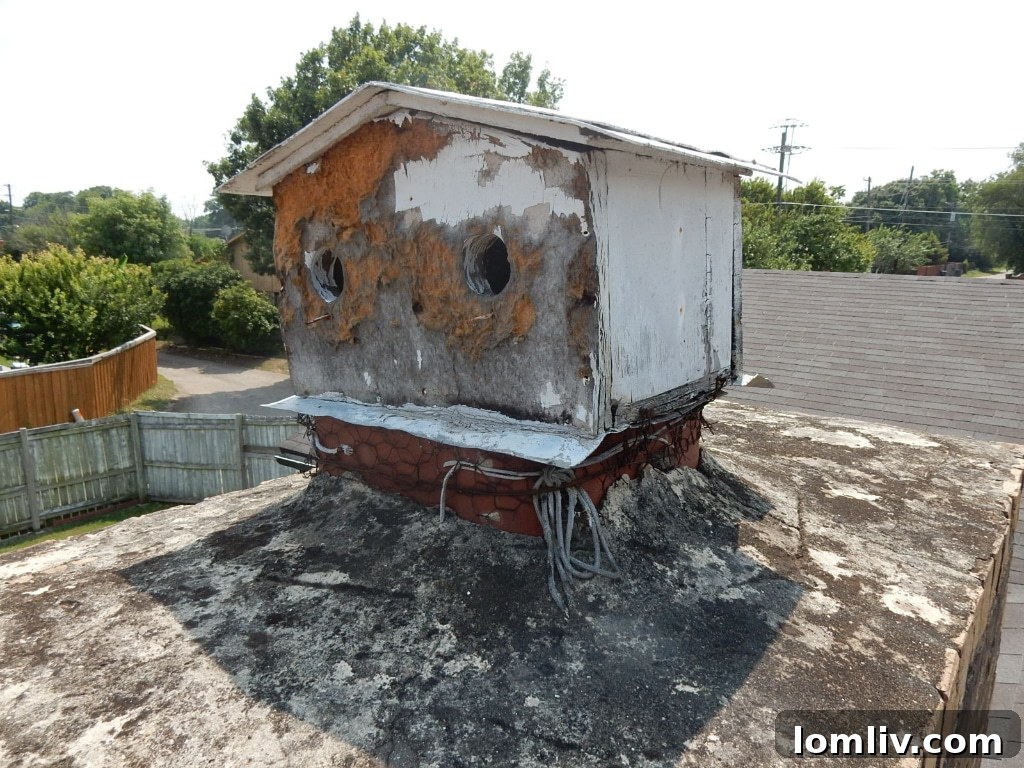
During another inspection, our team encountered an architectural enigma that left us, and undoubtedly many others, scratching our heads. Perched atop what appeared to be a chimney was a structure that defied conventional classification. Was it intended as a chimney cap? A clandestine outdoor oven? Perhaps a custom combination smoker and chicken coop? The questions mounted, but one thing was undeniably clear: SERIOUSLY, WHAT IS THAT FOR?
While the bizarre nature of this installation elicited a chuckle, its implications for safety and functionality are no laughing matter. A properly installed and maintained chimney cap is a vital component of any fireplace system, serving several crucial purposes:
- Preventing Water Intrusion: A good cap prevents rain, snow, and ice from entering the chimney flue, which can cause interior damage to the chimney lining, damper, and firebox, leading to costly repairs and potential safety hazards like mold or structural deterioration.
- Keeping Pests Out: Chimney caps with mesh screens effectively block birds, squirrels, raccoons, and other critters from nesting in the flue. Animal nests can create blockages, posing a significant fire hazard and preventing proper ventilation of combustion byproducts.
- Spark Arrestor: Many caps include a spark arrestor screen that prevents embers and sparks from escaping the chimney and landing on the roof or surrounding areas, thereby reducing the risk of a rooftop fire.
- Improving Draft: Some chimney caps are designed to enhance the chimney’s draft, ensuring efficient combustion and proper expulsion of smoke and gases.
The unusual structure observed in the image appears to circumvent all these protective functions, introducing a host of potential dangers. An improperly designed or absent chimney cap can lead to severe issues such as chimney fires due to creosote buildup, carbon monoxide poisoning from obstructed flues, and accelerated deterioration of the chimney structure itself. It’s a stark reminder that what might seem like a quirky modification can, in fact, be a serious safety hazard requiring immediate professional assessment and correction.
Fireplace Follies: A Hazard Ignited
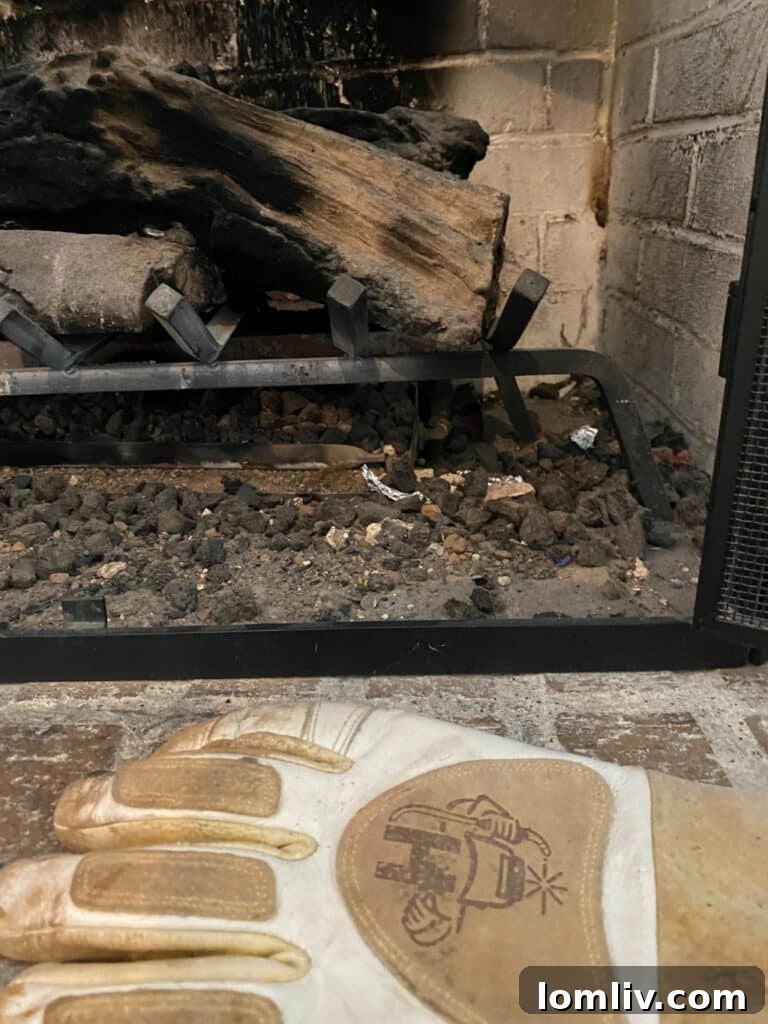
In the realm of home safety, some findings are not just concerning but outright alarming. One such instance occurred when our inspector was unable to locate the key required to test a gas fireplace. Upon inquiring with the listing agent about how to operate the unit, the response was, to put it mildly, deeply unsettling. The agent informed him that there was no key; the gas was to be turned on directly at a valve located *within the fireplace itself*. Furthermore, she casually mentioned that she had left a glove because one had to reach *through the actual fire* to turn the gas off.
This scenario is an egregious violation of all safety protocols and represents an extreme fire hazard. Gas fireplaces are designed with specific safety features to ensure their safe operation, including:
- External Controls: Gas fireplaces should always have easily accessible, external controls (a switch, remote, or key valve) to ignite and extinguish the flame, eliminating any need for direct contact with the fire.
- Pilot Light/Electronic Ignition: Modern gas fireplaces typically use either a continuous pilot light or an electronic ignition system, ensuring safe and controlled ignition.
- Thermocouple/Thermopile: These safety devices are designed to shut off the gas supply if the pilot light goes out, preventing gas leaks.
- Proper Venting: Gas fireplaces must be correctly vented to safely expel combustion byproducts, including carbon monoxide, which is odorless, colorless, and deadly.
The instructions provided by the agent describe a system that is not only profoundly unsafe but also indicative of a dangerous modification or severe lack of maintenance. Reaching into an active flame to manipulate a gas valve poses immediate risks of severe burns, gas leaks, and potential carbon monoxide exposure if the system is compromised. It’s a clear indication that the fireplace is not operating as intended and presents an unacceptable risk to anyone in the home. This find underscores the critical importance of having all fireplaces, especially gas-powered ones, inspected and serviced by qualified professionals to ensure they meet safety standards and function correctly. Never attempt to operate a fireplace in a manner that requires direct contact with the flame or bypassing established safety mechanisms.
The Silent Threat: Clogged Dryer Vents
While many homeowners diligently clean the lint trap inside their dryer after each use, a crucial aspect of dryer maintenance often goes overlooked: the dryer vent itself. Most people are aware of the need to check their inside dryer vents, but they frequently neglect to inspect the other end – the exhaust duct that vents outside the home. This oversight can lead to a silent but incredibly dangerous hazard, as dramatically demonstrated by one of our recent inspection finds.
In the video above, you can witness a dryer vent so severely clogged with lint and debris that it had completely disconnected from the wall. This seemingly minor issue is, in fact, a ticking time bomb and a significant fire risk. Lint, a highly flammable material, accumulates within the dryer vent duct over time. When airflow is restricted due to this buildup, the dryer has to work harder, generating excessive heat. This extreme heat, combined with accumulated lint, creates the perfect conditions for a dryer fire.
According to the U.S. Fire Administration, clothes dryer fires account for approximately 2,900 home fires annually, resulting in an estimated 5 deaths, 100 injuries, and $35 million in property loss each year. The leading cause of these fires is a failure to clean the dryer. Beyond the catastrophic fire hazard, a clogged dryer vent can lead to several other problems:
- Reduced Efficiency and Higher Energy Bills: When the vent is blocked, the dryer cannot efficiently expel hot, moist air. This means clothes take longer to dry, often requiring multiple cycles, leading to increased energy consumption and higher utility bills.
- Excessive Wear on the Dryer: The dryer’s motor and heating elements are put under greater strain when fighting against restricted airflow, potentially leading to premature breakdown and costly repairs or replacement.
- Moisture Buildup and Mold: If moist air cannot escape through the vent, it can back up into the laundry area, creating a humid environment ripe for mold and mildew growth, which can impact indoor air quality and cause structural damage.
- Carbon Monoxide Risk (for Gas Dryers): For gas dryers, a clogged vent can prevent the proper expulsion of carbon monoxide, a dangerous, odorless gas, into the outdoors. This can lead to a deadly buildup of carbon monoxide inside the home.
Regular maintenance of your dryer vent is crucial for safety and efficiency. This includes not only cleaning the lint trap but also inspecting and cleaning the entire vent system, from the dryer unit to the exterior exhaust, at least once a year. If you notice your clothes taking longer to dry, the dryer feeling unusually hot to the touch, or a burning smell, it’s a strong indicator that your vent needs immediate attention. Professional dryer vent cleaning services can thoroughly remove built-up lint and ensure your system is operating safely and efficiently.
Investing in Peace of Mind: The Value of a Comprehensive Home Inspection
The examples shared this week, ranging from hidden structural damage in crawl spaces and puzzling chimney structures to profoundly dangerous fireplace setups and neglected dryer vents, collectively highlight a singular, overarching truth: a home inspection is far more than a routine checklist. It is a critical investment in your safety, your finances, and your long-term peace of mind as a homeowner.
At Green Scene Home Inspections, our dedicated team goes “Upon Closer Inspection” not just to identify obvious flaws but to uncover the subtle, the surprising, and the genuinely hazardous conditions that might otherwise escape detection. We understand that buying or owning a home is one of the most significant investments you’ll ever make. Our mission is to empower you with comprehensive, accurate information, enabling you to make informed decisions, negotiate effectively, and prioritize essential repairs or maintenance.
These real-world examples serve as powerful reminders of why an experienced, detail-oriented home inspector is an indispensable ally. They possess the expertise to interpret signs of distress, understand the implications of unusual installations, and identify risks that a casual observer might miss. By choosing a thorough inspection, you’re not just buying a report; you’re gaining invaluable insights that protect your property and your loved ones from unforeseen dangers and costly future expenses. Don’t leave your most significant investment to chance; trust the professionals to illuminate every corner of your potential home.
For more insights and expert advice on home safety and maintenance, remember to regularly check “Upon Closer Inspection” brought to you by Green Scene Home Inspections.