Unlocking Your Hawaiian Dream: Finding an Affordable Slice of Honolulu Paradise with Breathtaking Views
The allure of Hawaii is undeniable. Pristine beaches, lush volcanic landscapes, and an unparalleled sense of tranquility draw millions to its shores each year. For many, the dream extends beyond a vacation; it’s about owning a piece of this paradise, perhaps a second home with a view that takes your breath away. However, the phrase “Million-Dollar Views” isn’t just a marketing slogan – it’s often a literal price tag. Renowned real estate expert Jon Anderson offers a grounded perspective, reminding us that while premium vistas come at a premium cost, the dream of an affordable property in Honolulu, complete with stunning outlooks, is far from impossible. With a strategic approach, a budget between $200,000 and $400,000 can indeed open doors to enjoying the vibrant culture and natural beauty that Honolulu generously offers.
Embarking on the journey to find a budget-friendly second home in the heart of Hawaii demands a clear understanding of priorities and market realities. According to Anderson, prospective buyers must acutely focus on three fundamental pillars: location, location, and size. These aren’t merely buzzwords; they are the critical levers that will dictate what kind of property and what type of view falls within your financial reach. Navigating Honolulu’s dynamic real estate landscape requires insight, patience, and a willingness to explore options beyond the postcard-perfect beachfront mansions.
Deconstructing the “Million-Dollar View” Phenomenon
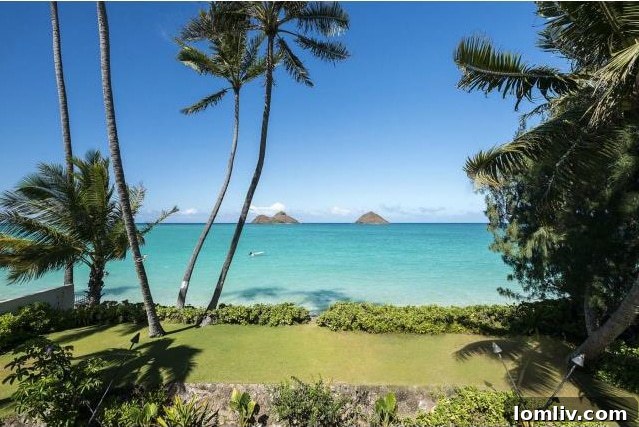
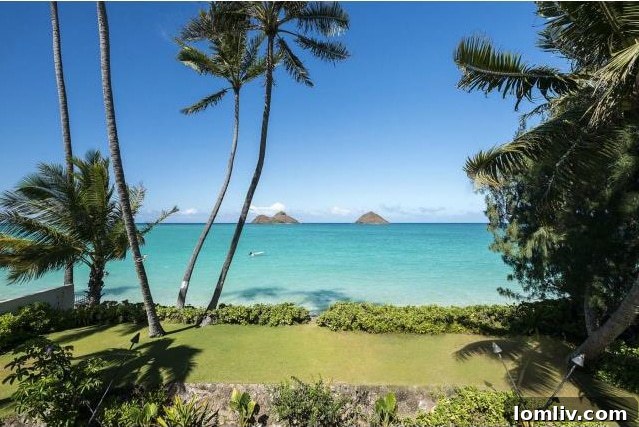
Why are certain views so astronomically priced? It’s a combination of scarcity, demand, and intrinsic value. Direct oceanfront properties, especially those offering unobstructed panoramic views of the Pacific, Diamond Head, or Waikiki’s iconic skyline, are inherently limited. These vistas provide an unparalleled sensory experience, from the sound of crashing waves to mesmerizing sunsets, and are considered prime real estate. Developers often capitalize on these sought-after perspectives, embedding their value into the property’s overall cost. This is the realm where “million-dollar views” truly earn their moniker. Understanding this benchmark is crucial, as it helps recalibrate expectations for those operating within a more modest budget.
However, Anderson’s core message is one of optimism: just because a direct oceanfront penthouse is out of reach doesn’t mean you can’t find a property that offers incredible visual delight. The trick lies in redefining what constitutes a “million-dollar view” for your specific needs and budget. It could be a vibrant city panorama that sparkles at night, a serene mountain vista providing a lush green backdrop, or even a partial ocean view glimpsed from a higher floor. The beauty of Honolulu is its diverse topography, offering a multitude of captivating scenes from various elevations and neighborhoods.
Strategic Property Hunting: Jon Anderson’s Essential Guidelines
For those aiming to acquire a slice of Honolulu paradise within the $200,000 to $400,000 range, Jon Anderson’s advice on location, location, and size becomes the foundational blueprint for success. This budget tier, while challenging in a high-demand market like Honolulu, is not without its opportunities. It requires strategic thinking, flexibility, and a deep understanding of local nuances.
1. Location: Beyond the Tourist Hotspots
When Anderson emphasizes “location, location, location,” he’s urging buyers to look beyond the obvious. Prime beachfront areas like Waikiki, Kahala, or Diamond Head typically command prices well above the target budget. To find value, one must explore neighborhoods that offer proximity to amenities, a strong community feel, and, crucially, elevation or positioning that allows for impressive views without the exorbitant price tag of being directly on the sand.
- Kaimuki and Palolo: Nestled in the hills above Diamond Head, these residential areas are known for their charming local vibe, excellent eateries, and often spectacular city, valley, and partial ocean views. Many older homes and smaller condo buildings here can offer significant value, especially if they require some modernization. The elevation provides a natural advantage for panoramic outlooks.
- Kalihi and Nuuanu: Located further west and north of downtown, these areas offer a different kind of charm and potential value. Kalihi, especially its higher elevations, can provide sweeping views of the city, harbor, and even parts of the Leeward coast. Nuuanu, known for its lush valleys and cooler temperatures, offers serene mountain vistas and often spacious lots, though property types might lean more towards older single-family homes or townhouses.
- Salt Lake and Aiea: These communities, further inland but still within reasonable commuting distance to downtown Honolulu, often feature condominium complexes built on higher ground. Many units boast stunning views of Pearl Harbor, the Waianae mountain range, and sometimes even the distant ocean. The pricing in these areas tends to be more accessible, making them ideal for budget-conscious buyers seeking an elevated perspective.
- Punchbowl and Makiki Heights: These areas, immediately above downtown Honolulu, are often overlooked but can yield incredible finds. Properties here benefit from significant elevation, offering unparalleled views of the cityscape, ocean, and surrounding valleys. While some properties can be very expensive, older condo buildings or smaller, less updated units might fall within the target budget, especially if you’re open to renovation.
The key is to understand that a “view” isn’t exclusively about the ocean. Honolulu’s urban sprawl, backed by majestic mountains, creates a dramatic tableau that can be equally captivating. A city view twinkling at night, or the verdant folds of the Ko’olau Range bathed in morning light, offers its own unique magic.
2. Size: Embracing Efficiency and Smart Living
The second critical factor Anderson highlights is size. Within the $200,000-$400,000 budget in Honolulu, sprawling estates or multi-bedroom homes are generally not an option, especially if a view is a priority. Buyers must be prepared to consider smaller units, such as studios or one-bedroom condominiums. This isn’t a compromise; it’s an opportunity to embrace efficient living and prioritize location and amenities over expansive square footage.
- Condominiums and Co-ops: These are the most likely property types to fall within the budget range. Many high-rise buildings in areas like Makiki, Moiliili, or even older parts of Waikiki offer compact units. The advantage often lies in shared amenities like pools, gyms, and security, and the potential for a view from a higher floor.
- Studio and One-Bedroom Units: These units are often the gateway to owning property in Honolulu. They are ideal for individuals, couples, or as a vacation rental. The focus shifts to maximizing the functionality of the space and ensuring the unit’s layout enhances the living experience, particularly if it boasts a desirable view.
- Older Buildings: Properties in buildings constructed in the 1960s, 70s, or 80s often present better value. While they might require updates, they often boast solid construction, established communities, and, crucially, may occupy prime elevated spots that offer unobstructed views that newer, more expensive developments might now block. These older buildings often have lower per-square-foot prices, allowing for a better chance of securing a view.
Thinking strategically about size means prioritizing a well-maintained, view-oriented smaller space over a larger, windowless dwelling. A compact unit with a balcony overlooking the city or mountains can feel far more luxurious and fulfilling than a larger space lacking any compelling vista.
Navigating Hawaii’s Unique Real Estate Landscape
Beyond location and size, budget-conscious buyers in Hawaii must understand specific market intricacies that impact affordability and ownership.
Fee Simple vs. Leasehold Properties
This distinction is paramount in Hawaii. A “fee simple” property means you own both the land and the structure on it outright. A “leasehold” property means you own the structure but lease the land for a specific period (e.g., 30-99 years). Leasehold properties typically have significantly lower upfront purchase prices compared to fee simple equivalents, making them attractive for buyers on a budget. However, they come with lease rent payments (which can increase over time) and the eventual expiration of the lease, which can impact financing and resale value. Jon Anderson would likely advise careful consideration and expert legal counsel for leasehold properties to understand the long-term implications.
Homeowners Association (HOA) Fees and Maintenance
For condominiums, HOA fees are a significant ongoing cost. These cover shared expenses like building maintenance, utilities for common areas, amenities, security, and sometimes even a portion of your electricity or water. While often providing great value through shared facilities, high HOA fees can quickly erode the “affordability” of a budget-priced unit. Always factor these into your total monthly cost, and review HOA financial statements diligently to ensure the building is well-managed and funded.
The Value of a Local Real Estate Agent
Working with an experienced local real estate agent, much like Jon Anderson himself, is indispensable. An agent familiar with Honolulu’s diverse neighborhoods, market trends, and unique property types (including the nuances of leasehold) can identify hidden gems, negotiate effectively, and guide you through the complexities of the Hawaiian real estate transaction process. They can alert you to properties before they hit the general market and provide invaluable insights into the true value and potential of a property, especially those in the budget range that might require a keen eye.
Embracing the Vision: What Your Budget Can Offer
With a budget of $200,000 to $400,000, while a direct oceanfront panorama might be a stretch, the potential for a captivating view in Honolulu is very real. Imagine waking up to the sun rising over the Ko’olau mountains, illuminating verdant valleys, or watching the city lights glitter below as you unwind after a day of exploring. Picture a partial ocean view, a sliver of azure visible between buildings, a constant reminder of your proximity to the Pacific. These are the “million-dollar views” reimagined – accessible, authentic, and uniquely Hawaiian.
Owning a second home in this price range in Honolulu offers more than just a place to stay; it offers a lifestyle. It’s an opportunity to immerse yourself in local culture, enjoy world-class outdoor activities, and have a consistent base in one of the world’s most desirable destinations. It can also serve as a strategic investment, potentially generating rental income when you’re not using it, provided you navigate local rental regulations carefully.
The journey to finding your Hawaiian paradise on a budget is one of discovery. It requires an open mind, a willingness to consider different perspectives on what constitutes a “dream home,” and the guidance of experts who understand the nuances of the Honolulu market. Jon Anderson’s advice is a potent reminder that with the right focus on location, location, and size, and a realistic understanding of market dynamics, that coveted slice of Honolulu – complete with its own version of a breathtaking view – is well within reach.
For more detailed insights on securing your slice of paradise — even on a budget — you can explore resources like SecondShelters.com.
Read all about getting your slice of paradise — even on a budget — over on SecondShelters.com right now.