
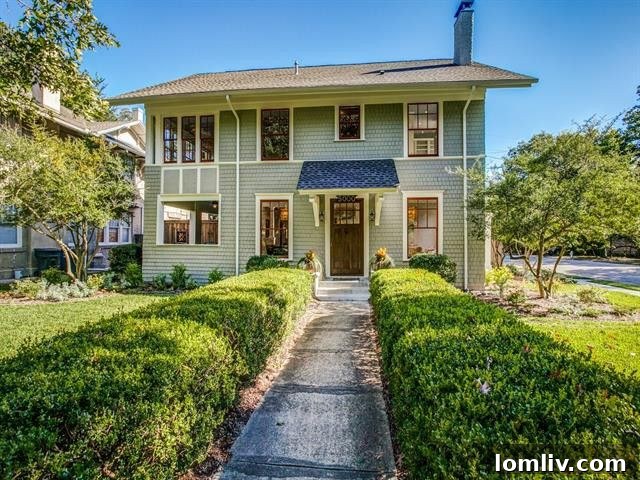
Rediscovering History: The Remarkable Restoration of a Dallas Sears Modern Home
The journey of a historic Sears Modern Home, a true architectural relic, stands as a compelling testament to the power of historic preservation. It’s a field often seen as academic or challenging, but as this particular project in Dallas vividly demonstrates, it’s profoundly rewarding, deeply impactful, and undeniably enjoyable. Witnessing a structure, once brimming with life and architectural significance, be painstakingly brought back from the brink of decay to its former glory, serves as a powerful reminder of our connection to the past and our responsibility to future generations.
For those unfamiliar, the phrase “Sears Modern Home” might spark curiosity. What exactly is a Sears Modern Home, and why does its preservation hold such importance in contemporary discussions about housing and heritage?
A Glimpse into the Past: The Enduring Legacy of Sears Kit Homes
Indeed, this magnificent dwelling is an authentic kit home sourced directly from Sears, Roebuck and Co., the retail giant that for decades served as a cornerstone of American consumerism. Many can recall the eagerly anticipated arrival of the iconic “big book” – the voluminous Sears catalog – a cherished publication that offered an astounding array of goods, from the latest fashion trends and household appliances to essential tools and garden equipment. For much of the 20th century, Sears was the undisputed titan of direct-to-consumer retail, a precursor to today’s digital marketplaces like Amazon.com. Given its vast reach and diverse product offerings, it comes as no surprise that Sears ventured into the housing market, offering complete kit homes that revolutionized how many Americans acquired their dream residences.
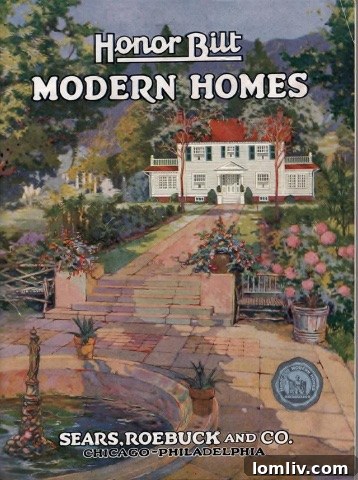
Between 1908 and 1940, Sears sold an incredible 70,000 to 75,000 homes across North America. These weren’t mere pre-fabricated boxes; they were thoughtfully designed, quality structures, ranging from modest bungalows to grand two-story residences. The Sears Modern Home concept was a stroke of genius, offering aspiring homeowners affordability, choice, and convenience at a time when traditional construction could be costly and slow. This innovative approach holds particular relevance today, as housing affordability remains a significant challenge for many. Sears provided an ingenious solution: they offered 447 distinct housing styles, meticulously categorized into three price tiers to suit various budgets and preferences. Instead of reinventing architectural styles, they skillfully replicated popular designs of the era, allowing buyers a remarkable degree of creative customization. This flexibility meant that while the core designs were catalog-based, each Sears home could feel uniquely tailored to its owners.
Beyond the standard designs, Sears empowered buyers to submit their own architectural plans. The company would then meticulously pre-cut and pre-fit all the necessary materials – a concept often likened to a “Build-A-Bear” experience for homes, where every component was precisely prepared for assembly. These complete house kits were then efficiently packed into boxes and shipped via the first available railroad car directly to the buyer’s building site. Adding to the appeal, Sears also provided favorable financing options, making homeownership accessible to a broader demographic. This comprehensive, customer-centric approach proved to be a resounding success, solidifying Sears’ reputation as an indispensable resource for American families for generations. A deeper dive into the specifics of these homes, particularly their construction quality, reveals why they remain highly regarded by historians and homeowners alike, as highlighted in excerpts from the Sears archives:
Honor Bilt homes, were the most expensive and finest quality sold by Sears. Joists, studs, and rafters were to be spaced 14 3/8 inches apart. Attractive cypress siding and cedar shingles adorned most Honor Bilt exteriors. And. depending on the room, the interior featured clear-grade (i.e., knot-free) flooring and inside trim made from yellow pine, oak, or maple wood.
The home featured in this article is a prime example of their premium “Honor Bilt Modern Home” series – a classic American Foursquare design known for its robust construction and enduring appeal. Once the highly anticipated “house in a box” arrived, it was a communal affair, much like the traditional barn-raisings of yesteryear. Families and friends would gather, contributing their labor and camaraderie to erect the new home. For those who preferred professional assistance, Sears also offered support in coordinating skilled contractors, carpenters, plumbers, and electricians, ensuring a smooth and efficient construction process from start to finish.
The Journey of 5000 Worth Street: From Grandeur to Disrepair
Fast forward several decades, and this charming Sears kit home in Dallas had fallen on hard times. Like many historic properties in evolving urban landscapes, it had endured significant transformations, including a period where it was subdivided into eight separate apartments – a common occurrence in the area and era, often leading to neglect and structural deterioration. The toll on the building was substantial, marking a stark contrast to its original Honor Bilt grandeur. However, its historical significance and inherent beauty did not go unnoticed. Within the tight-knit community of Munger Place, a vibrant historic district in Dallas, local residents held a watchful eye on this particular Sears Modern Home, patiently awaiting the opportune moment to intervene and rescue it from further decline.
Among those dedicated residents was Travis Ripley, the esteemed owner of Ripley Renovations. Having returned to Dallas from New York in 2012, Ripley became an eyewitness to the slow, disheartening deterioration of the property. “As a resident of the neighborhood, I had watched the property fall slowly into disrepair since I moved back to Dallas,” Ripley recounted. He observed vital exterior trim detaching, and a leaning fence that intruded so significantly onto the sidewalk that pedestrians were compelled to cross the street to pass by. From his first glimpse, Ripley felt a strong pull to the property, driven by both the inherent challenge of such a demanding restoration and the desire to contribute to the general aesthetic and historical improvement of Munger Place, particularly given the home’s prominent location on a highly visible corner. His vision was clear: to restore its dignity and integrate it seamlessly back into the fabric of the historic neighborhood.
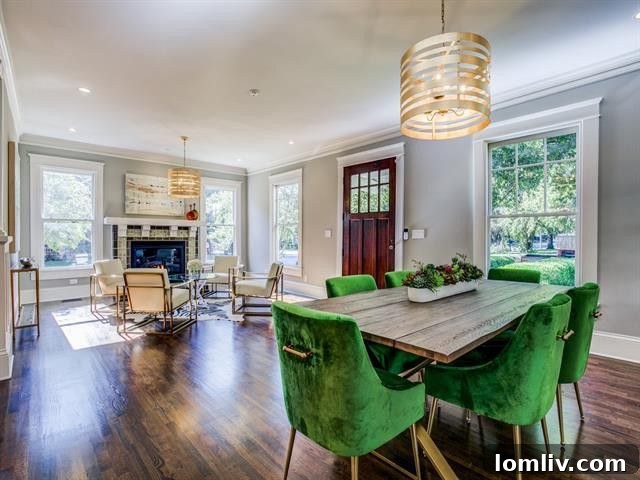
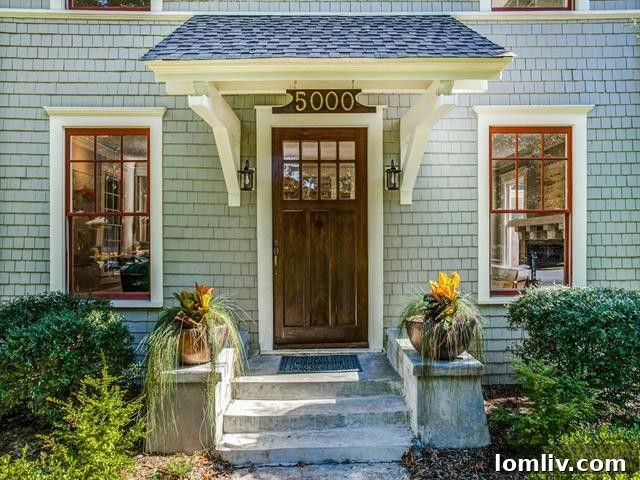
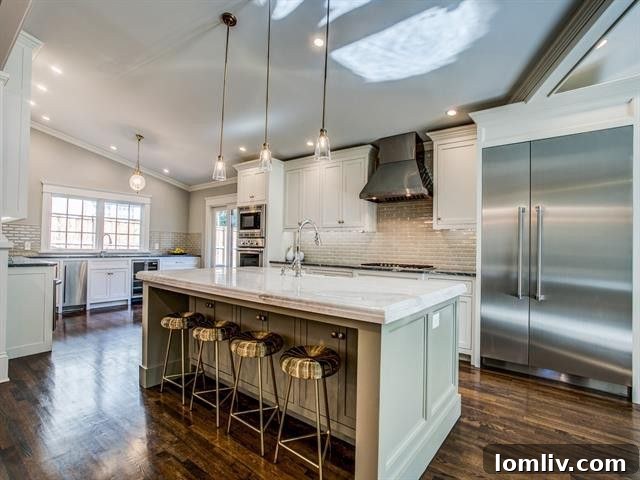
For years, the Sears Modern Home at 5000 Worth Street was a repository of unfulfilled good intentions. Its previous owners, who acquired it in the 1990s, harbored earnest desires to renovate, yet circumstances prevented them from realizing their ambitious plans. When Travis Ripley finally gained access to the property, the extent of its previous alterations and unexpected discoveries became apparent. He found evidence of a sunken hot tub room, framed within a rear addition – an addition that would ultimately become the home’s contemporary kitchen. This meant a substantial, unfinished void in the subfloor, indicative of the piecemeal changes the house had endured. But the surprises didn’t end there. Ripley described a scene that hinted at the former owner’s unique hobbies. “The previous owner was apparently a collector of old car parts,” Ripley revealed. “The first thing we did was clear out a myriad of engine blocks and restoration components for antique cars which were displayed almost as though the first floor was a showroom!” This unusual collection further highlighted the significant effort required to clear and prepare the space for a comprehensive historic renovation.
The Collaboration: Breathing New Life into a Historic Treasure
The opportunity for Ripley to acquire this significant property arose almost serendipitously. Trevor Speck of Speck Plumbing, a trusted professional whom Ripley utilized for all his renovation projects, was initially called to the property by the previous owners to perform some repairs. Recognizing the immense scope of work required to restore the house, Trevor and his father saw its potential and extended an offer to purchase it. However, upon deeper assessment, they quickly realized that this project demanded a level of expertise and commitment beyond their initial expectations. Understanding Ripley’s passion for historic homes and his proven track record in Munger Place, Trevor reached out to him, setting the stage for a pivotal collaboration.
This is where Paul and Terri Herrington entered the picture, bringing their own wealth of experience and a shared passion for historic architecture. Paul elaborated on their connection: “Travis and I met each other through our respective family members. We discovered we both enjoy old houses. I’ve restored a couple in the past and he lives and helps homeowners in Munger Place.” The Herringtons and Ripley had previously discussed embarking on renovation projects together, albeit on a different scale. However, when the opportunity to acquire and restore this historically significant Sears Modern Home presented itself, they seized it without hesitation. Their collective desire went beyond a simple renovation; they aimed for a first-class transformation that would honor the home’s legacy and significantly contribute to the revitalization of this cherished part of Dallas.
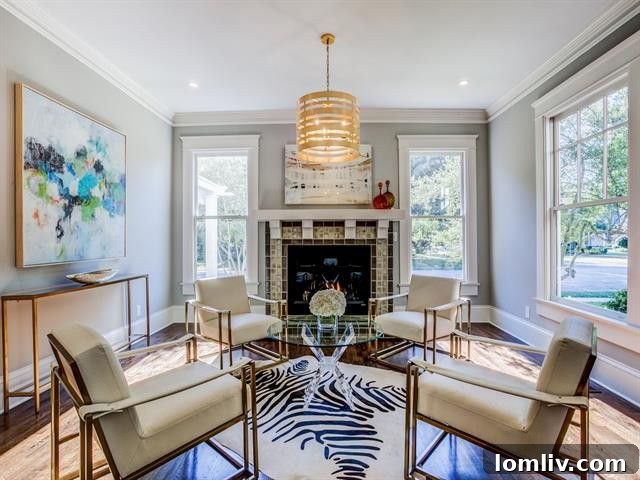
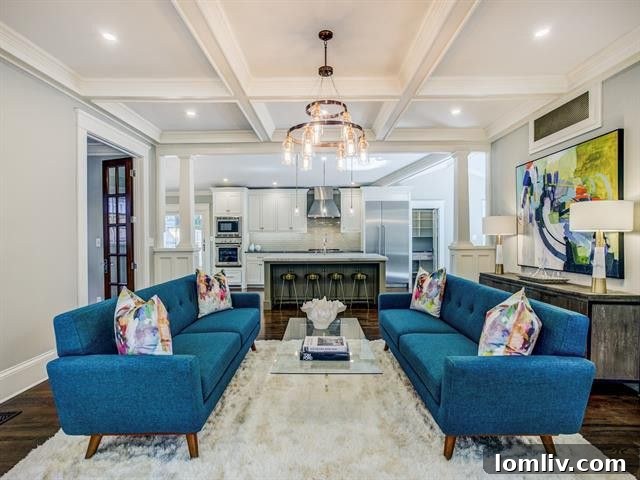
Paul explained their approach: “Deep down, we wanted to do a first-class renovation to contribute to a part of Dallas. We would have loved to do a restoration, but much of the interior had been cleared.” Given the extensive previous alterations and removal of original interior features, a full historical restoration was not feasible. Instead, the team opted for a meticulously planned renovation that thoughtfully integrated today’s preferred home layouts and amenities while maintaining an unwavering commitment to period details. To achieve this delicate balance, architect Mike Bausch of Bausch Architecture was brought onto the team. Bausch’s expertise was crucial in designing a space that felt contemporary and functional for modern living, yet remained deeply respectful of the home’s 1913 origins and architectural style. The emphasis was on creating an interior that evoked the original character through carefully selected materials, finishes, and design elements, ensuring the renovated Sears Modern Home would feel both fresh and timeless.
The Art of Restoration: Tackling Structural Challenges
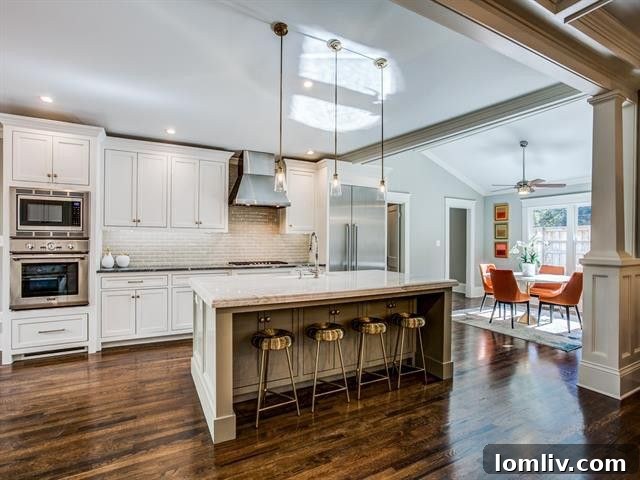
The ambitious renovation project spanned approximately two years, a duration necessitated by the formidable structural challenges inherent in a 110-year-old home. Over a century, the house had settled into what could only be described as a “comfortable position” – one that was neither plumb (vertically straight), level (horizontally flat), nor square (with perfect 90-degree angles). Such conditions are typical for historic properties and demand exceptional skill and patience to rectify. The foundation, the very bedrock of the home, required extensive work before any significant interior or exterior renovations could commence. Paul detailed the methodical approach they adopted: “To do the renovation we had to make the foundation right and then straighten the first floor, then the second floor.” This meticulous, floor-by-floor process was essential to ensure the structural integrity and longevity of the revitalized home.
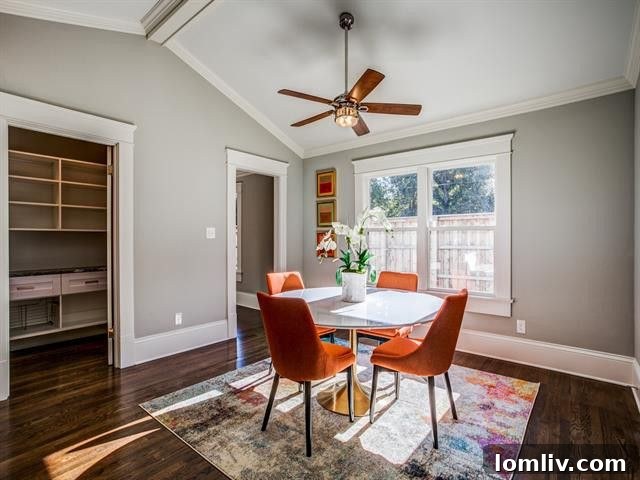
The challenges extended to the rear additions, which were in such poor condition that they required an almost complete rebuild, accounting for roughly 80 percent of their original structure. This intensive work involved dismantling compromised sections and meticulously reconstructing them to meet modern building codes while blending seamlessly with the historic architecture. Once the foundational and structural issues of the existing two floors and the problematic additions were addressed, the team proceeded to frame a new third floor, adding valuable living space and enhancing the home’s functionality. Only after these critical structural elements were soundly in place could they return to the first floor to commence the intricate finish work, transforming a once dilapidated shell into a sophisticated, historically informed interior. This sequential and comprehensive approach underscores the complexity and dedication required for such a significant historic renovation, ensuring that every detail was executed with precision and care.
A Testament to Quality and Community
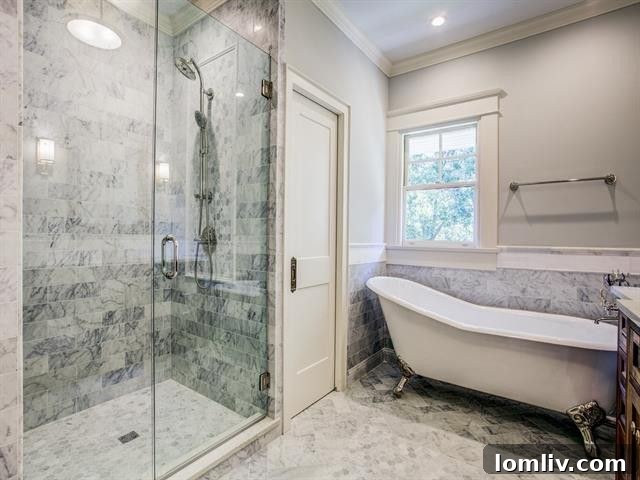
The team’s dedication to quality and historical integrity was paramount throughout the project. Paul expressed immense satisfaction, stating, “I really like the fact we are helping to preserve some of the housing history of Dallas. I’m also extremely proud of the quality of the work. We could have done a flip and saved a lot of time and money, but neither of us could accept that approach on such a nice property and given its history.” This sentiment highlights a profound respect for the home’s heritage, rejecting the temptation of a quick, profit-driven renovation in favor of a thorough, authentic restoration that truly honored its past and its place within the Munger Place community. The result is a home that not only meets modern standards of luxury and comfort but also tells a rich story of enduring craftsmanship and historical significance.
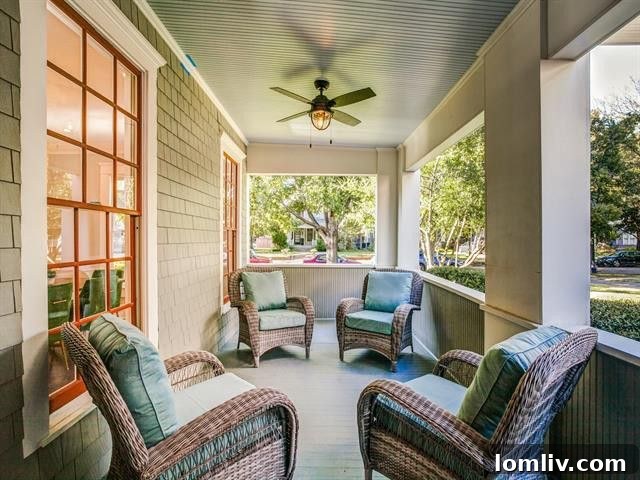
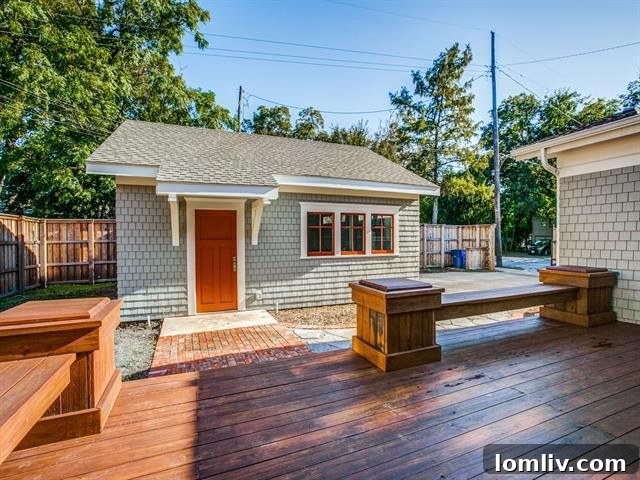
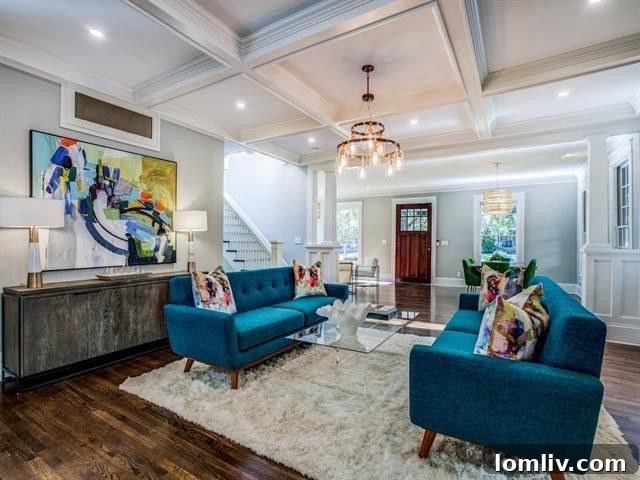
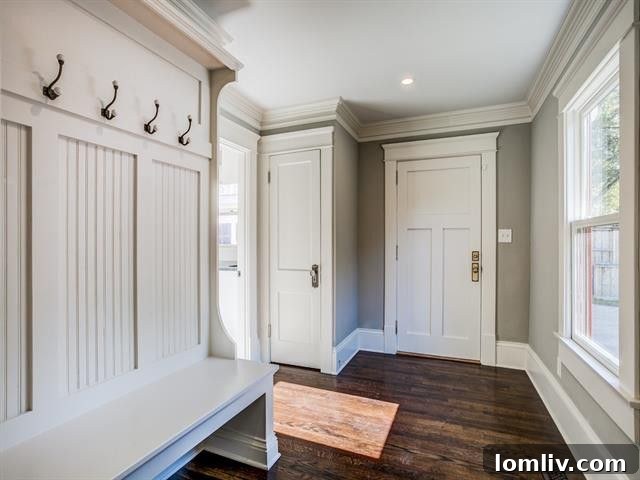
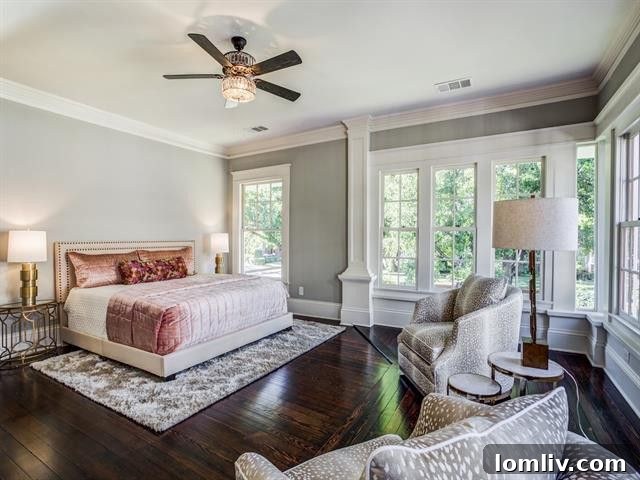
Today, the historic Sears Modern Home located at 5000 Worth Street stands as a breathtaking beacon of successful historic preservation within the prestigious Munger Place neighborhood. This fully transformed residence now boasts an impressive 4,075 square feet of meticulously designed living space, featuring four generous bedrooms, three full bathrooms, and an additional powder bath. It is a true move-in-ready showplace, seamlessly blending its rich historical character with contemporary amenities and luxurious finishes. Every detail, from the reinstated architectural elements to the thoughtfully updated interiors, speaks to the dedication of the team who brought this unique property back to life, ensuring it will thrive for another century and beyond.
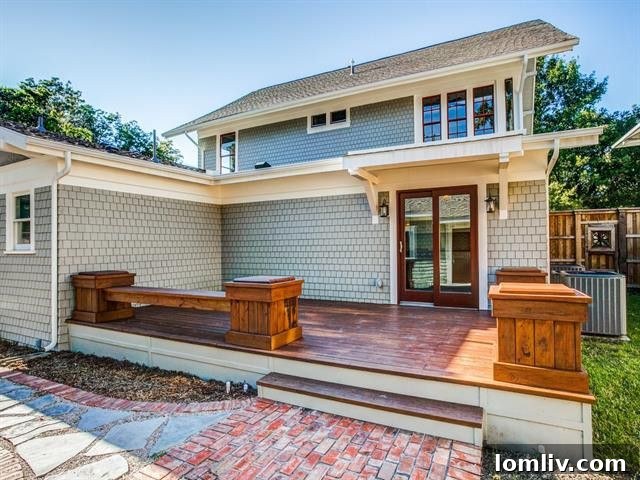
The significance of projects like this is perhaps best encapsulated by William Murtagh, the inaugural Keeper of the National Register of Historic Places, who once eloquently stated, “It has been said that at its best, preservation engages the past in a conversation with the present over a mutual concern for the future.” This philosophy perfectly describes the spirit behind the 5000 Worth Street renovation. As Elizabeth Mast, the esteemed listing agent with Briggs Freeman Sotheby’s International Realty, observes, this home is more than just a property; it’s a living dialogue between generations, a vibrant testament to the enduring value of our architectural heritage.
This wonderfully restored Sears Modern Home, a piece of American history thoughtfully updated for contemporary living, is currently listed for $890,000. It represents not just a home, but an investment in a legacy, a commitment to preserving the unique charm and narrative of Dallas’s historic Munger Place, and a shining example of what passionate preservation efforts can achieve.