
For aspiring real estate investors, the open road can offer far more than just scenic views; it presents a unique opportunity to uncover promising investment properties and intimately explore the diverse communities that surround them. A well-planned real estate road trip allows you to combine the thrill of discovery with shrewd market research, providing an invaluable firsthand perspective that online listings simply cannot replicate.
As the Dallas real estate market continues its robust growth trajectory, attracting both local and international interest, there has never been a more opportune moment to embark on a journey in pursuit of hidden real estate gems. These exploratory road trips offer the perfect chance to visit promising listings in person, assess neighborhoods for suitability, and gain a profound understanding of potential rental yields or appreciation prospects. However, before you hit the highway with your investment goals in mind, adequate preparation is key to a smooth and successful venture. Preparing your vehicle for the rigors of a multi-day or multi-week road trip is paramount for both your safety and the efficiency of your property search. Read on as we meticulously detail everything you need to know to get your car road-trip ready, ensuring your focus remains on finding that perfect real estate investment.
Navigating Your Real Estate Journey: Essential Vehicle Preparation

Embarking on a real estate scouting mission across various cities or neighborhoods demands a reliable mode of transport. A breakdown can not only derail your schedule but also lead to significant stress and unexpected expenses. By dedicating time to proper vehicle preparation, you invest in peace of mind, fuel efficiency, and a comfortable journey, allowing you to fully immerse yourself in the property search experience without vehicular worries.
Schedule Professional Vehicle Servicing
Is your vehicle due for its next routine maintenance, whether it’s a minor check-up or a more comprehensive service? If so, prioritizing this before your real estate road trip is highly recommended. A certified mechanic or a reputable car dealership can perform all the necessary service items, from oil changes and filter replacements to checking fluid levels and inspecting crucial components. This proactive maintenance ensures your vehicle operates at peak performance, reducing the likelihood of unexpected mechanical issues on the road. A professionally serviced car is not only safer but also more economical on fuel, a significant advantage when covering long distances. Moreover, a thorough inspection can bring to light any underlying issues that might escalate into major problems during your journey, allowing for timely repairs and preventing costly delays that could impact your property viewing schedule.
Review Your Insurance & Roadside Assistance Coverage
Even with meticulous preparation, unforeseen events can occur. This makes reviewing your current car insurance policy a non-negotiable step before any significant road trip. Many affordable car insurance policies or separate memberships offer invaluable roadside assistance services. These typically include towing to the nearest repair shop, emergency fuel delivery if you run out, lockout services, jump-starts for dead batteries, and professional tire changes. Understanding your coverage can be a lifeline in a tricky situation, saving you time, money, and considerable frustration.
If your existing plan lacks comprehensive roadside assistance, seriously consider adding this coverage for enhanced peace of mind. Alternatively, explore options from independent providers like AAA or similar motor clubs, which often provide robust emergency support regardless of your insurance carrier. Before departing, ensure you have your insurance card, policy details, and all relevant roadside assistance contact numbers stored in an easily accessible place, both physically and digitally on your phone, in case of an emergency.
Perform a Comprehensive DIY Vehicle Inspection

Even after a professional service, a quick, hands-on inspection of your vehicle can catch minor issues and boost your confidence on the road. This DIY check focuses on critical areas often overlooked and can be performed in your driveway.
Tires: Your Connection to the Road
Your tires are the sole point of contact between your vehicle and the road, making their condition paramount for safety and handling. Begin by meticulously inspecting the tread depth on each tire, including your spare. The legal minimum tread depth is typically 2/32” or 1.6mm. A simple way to check is the “penny test”: insert a penny into a tread groove with Lincoln’s head upside down and facing you. If you can see the top of Lincoln’s head, your treads are too shallow, and the tire needs replacement. Also, look for any signs of uneven wear, bulges, cracks, or embedded objects, which could indicate alignment issues or potential blowouts. Properly inflated tires are crucial for both safety and fuel efficiency. Use a reliable tire pressure gauge to check the pressure of all five tires (including the spare) and inflate them to the manufacturer’s recommended PSI, usually found on a sticker inside your driver’s side door jamb or in your owner’s manual. If possible, consider having your wheels balanced and aligned a few days before your trip; this prevents uneven tire wear and ensures smoother steering, especially important for long stretches of driving.
Next, meticulously assess your braking system. While a visual inspection of brake pads can be done if you are familiar with car maintenance, the most reliable method is to have a professional mechanic check them during your scheduled service. They can accurately measure pad thickness and inspect rotors for wear. Listen for any unusual squealing, grinding, or pulsating sensations when braking, which are tell-tale signs of worn pads or warped rotors that require immediate attention. Functional brakes are non-negotiable for safe travel.
Lights, Fluids, and Battery: The Lifeblood of Your Car
The functionality of your car’s most basic features significantly contributes to a safer and more enjoyable all-American road trip. Before embarking on a long journey, conduct a full lighting inspection. Turn on your headlights (both low and high beams), fog lights, turn signals, brake lights, tail lights, and even your license plate lights, walking around the vehicle to visually confirm each is working correctly. A friend or family member can assist with checking brake lights. Proper illumination is vital for visibility, especially if your travel plans include driving during dawn, dusk, or nighttime hours.
Following this, visually inspect your car battery for any signs of damage, such as cracks, leaks, or corrosion around the terminals. Corrosion, a white or bluish powdery substance, can impede electrical flow. If your battery is older than three to five years, or if you notice your engine cranking slowly, it’s prudent to take it to a local auto parts store or battery specialist for a free diagnostic test. A weak battery is a common culprit for unexpected breakdowns.
Finally, inspect your vehicle’s critical fluid levels. This includes your engine oil (checking against the dipstick for proper level and color), coolant/antifreeze (ensuring it’s between the min/max lines in the reservoir), brake fluid, power steering fluid, and windshield washer fluid. Low fluid levels can lead to overheating, poor braking performance, or reduced visibility. When topping up coolant, always follow the manufacturer’s instructions carefully regarding the correct type and mixing ratios to prevent engine damage and ensure optimal cooling, crucial for keeping your engine functioning well and preventing it from overheating, especially during long drives through warmer climates.
Pack Essentials for Comfort and Safety
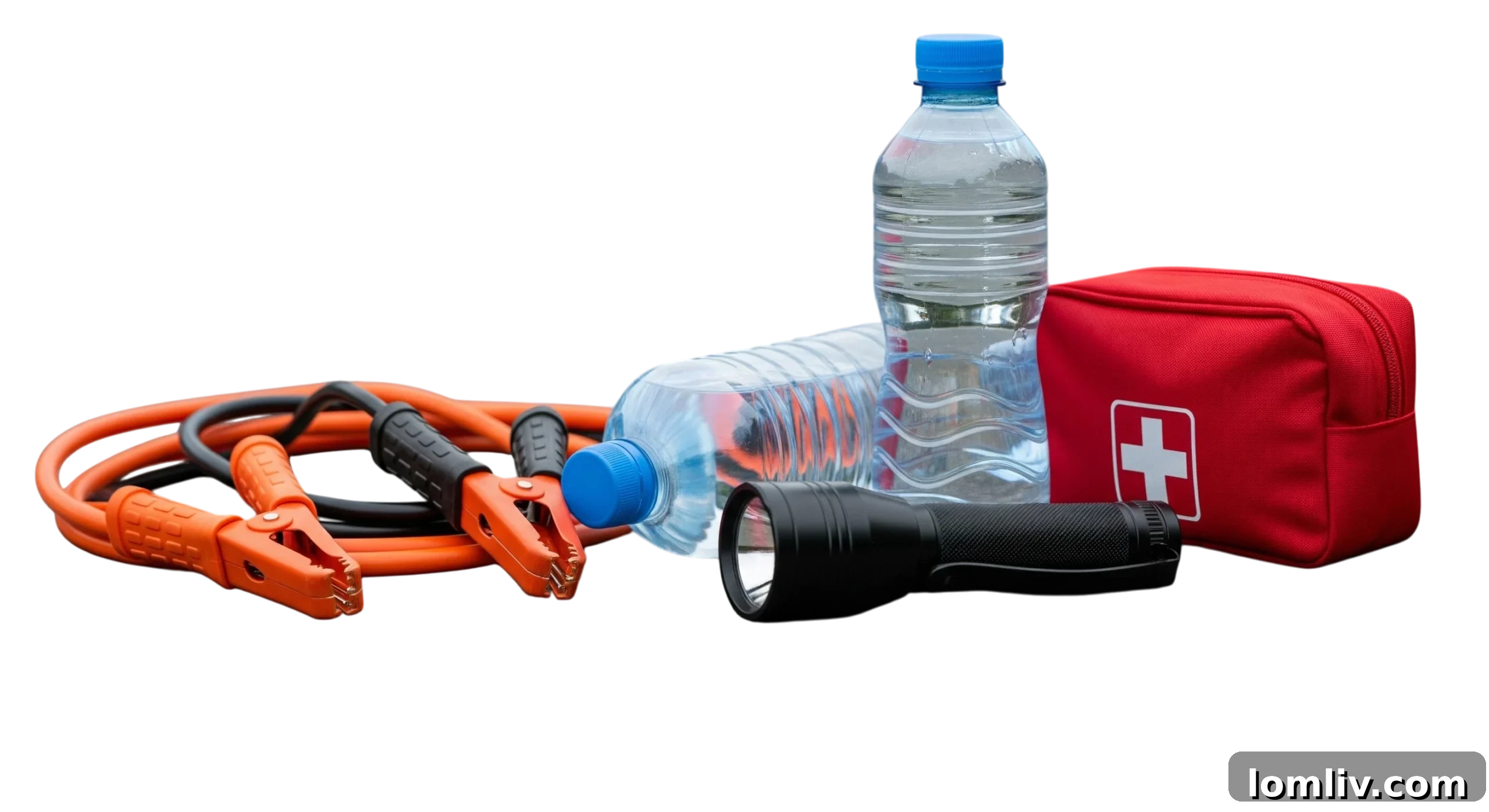
Having a thoughtfully curated selection of essentials on hand can transform a potentially stressful situation into a manageable one, making your real estate road trip considerably easier and safer. These items range from critical vehicle safety tools to personal comforts that help maintain your focus and well-being behind the wheel.
For your car, ensure you pack:
- Reflective Triangles or Road Flares: Essential for signaling your presence and warning other motorists in case of an unexpected stop or breakdown, especially on busy highways or at night.
- Jumper Cables: A lifesaver for jump-starting a dead battery, either your own or to assist another stranded motorist.
- Distilled Water: For topping up your car’s water tank or for emergency use if your engine overheats.
- Fully Inflated Spare Tire, Jack, and Lug Wrench: Absolutely critical for changing a flat tire. Ensure you know how to use them and that the spare tire is in good condition and properly inflated.
- Basic Tool Kit: Including screwdrivers, pliers, adjustable wrench, and duct tape for minor, temporary repairs.
- Tire Pressure Gauge: To regularly check and maintain optimal tire pressure throughout your journey.
Pack these personal essentials for yourself:
- Flashlight or Headlamp with Spare Batteries: Provides crucial visibility at night, during early mornings, or in poorly lit areas when inspecting your vehicle or searching for items.
- Multi-Tool: A versatile item combining various tools like knives, saws, and pliers, useful for a wide range of minor tasks.
- Comprehensive First-Aid Kit: Stocked with bandages, antiseptic wipes, pain relievers, allergy medication, burn cream, and any personal prescription medications.
- Personal Comfort Items: Sunglasses (to reduce glare), lip balm (to prevent chapping), sunscreen (for sun protection during property tours), hand sanitizer, and any other specific toiletries you may need on the road.
- Non-Perishable Snacks and Ample Bottled Water: To keep you fueled, hydrated, and alert, especially during long stretches between towns or unexpected delays.
- Physical Map or Atlas: A crucial backup in case you lose cell signal or your GPS device malfunctions, ensuring you can always navigate to your next property viewing.
- Power Bank and Charging Cables: For keeping your phone, tablet, and other essential devices charged, as reliable communication is vital.
- List of Emergency Contact Numbers: Including immediate family, trusted friends, your mechanic, property agents, and local emergency services (police, fire, medical) written down, not just stored on your phone.
- Comfortable Footwear and Layers of Clothing: For varying weather conditions and extensive walking during property tours.
Strategic Route Planning for Real Estate Success
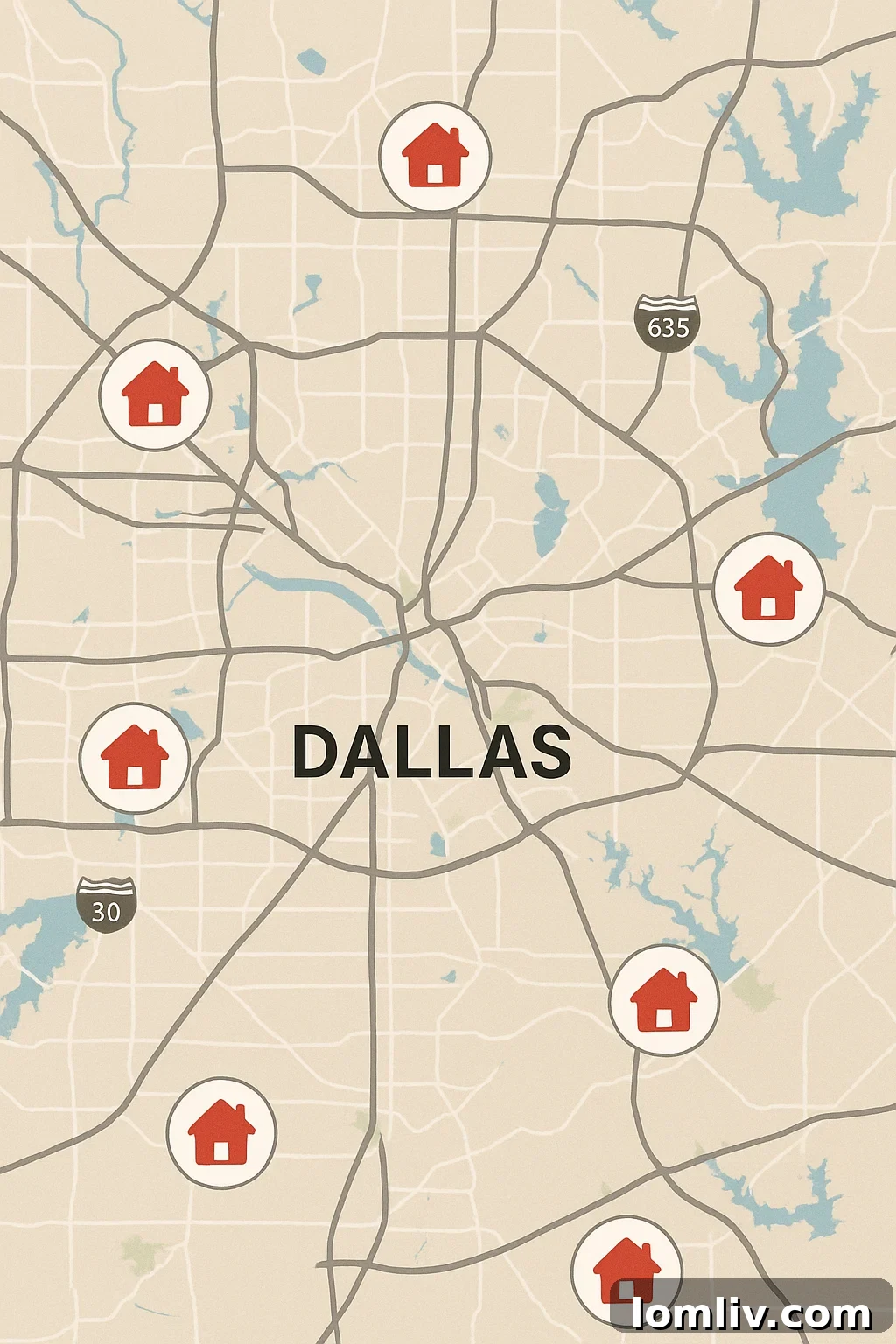
If your goal is to efficiently explore potential investment properties across Dallas and surrounding areas, meticulous route planning is indispensable. This proactive approach will not only help you manage your time effectively but also ensure you stay on track with your property viewing schedule. Begin by identifying all target properties and grouping them geographically to create the most efficient driving routes. Utilize GPS applications like Google Maps or Waze, but also research their offline map capabilities for areas with potentially spotty cell service.
Incorporate regular 15-to-30-minute rest periods every few hours into your plans to combat driver fatigue, which can significantly impair your judgment and reaction time. Consider overnight stops and book accommodations in advance, especially if traveling during peak seasons. Research local amenities, restaurants, and gas stations along your route to plan for fuel stops and meal breaks. If you have any additional points of interest or specific neighborhoods you wish to explore beyond the property listings, checking these out in advance will help you seamlessly integrate them into your itinerary. This ensures they will be open and accessible when you arrive, and that you can reach your final destination on time and without unnecessary detours or worry. Furthermore, research traffic patterns for your planned travel times, particularly around major urban centers like Dallas, to anticipate and mitigate potential delays. Understanding the local vibe and infrastructure of different neighborhoods firsthand is a key benefit of a real estate road trip, so factor in time for walking tours and interacting with local businesses.
Adopt the “Be Prepared” Motto for Your Real Estate Road Trip
Preparing your car for a dedicated real estate road trip is far from a trivial task; it’s a strategic process that yields significant benefits for your comfort, safety, and ultimately, the success of your investment scouting mission. A well-maintained vehicle ensures reliability, allowing you to focus your energy on evaluating properties and neighborhoods, rather than worrying about breakdowns.
By diligently following our comprehensive guide, you can confidently prepare yourself and your vehicle for the journey ahead. Expect a smooth, rewarding, and stress-free experience from start to finish, empowering you to make informed real estate decisions and uncover the next prime investment opportunity in dynamic markets like Dallas. Drive safe, invest smart, and enjoy the ride!