The Geopolitical Ripple: Khashoggi’s Death and SoftBank’s Silicon Valley Investments
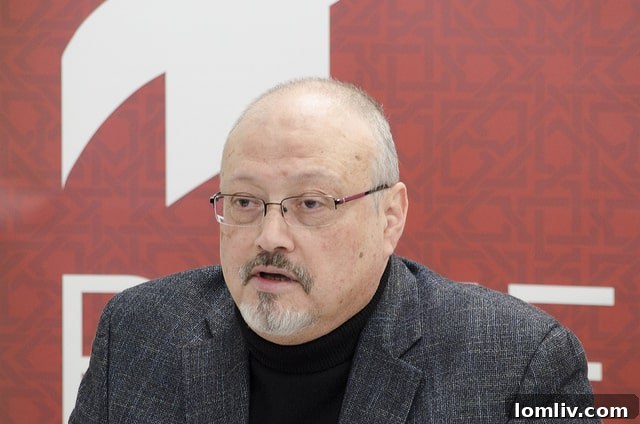
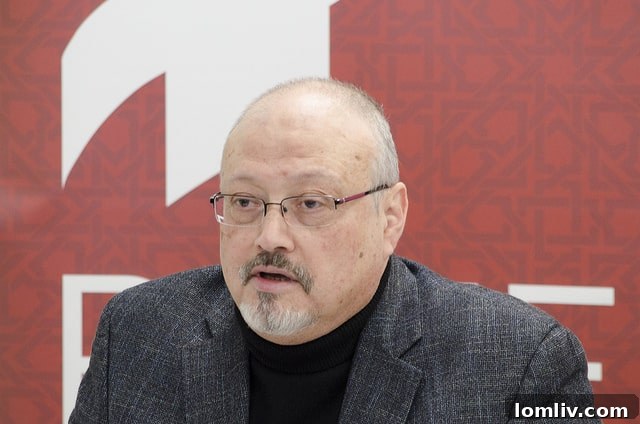
In an interconnected global economy, the lines between geopolitics, human rights, and finance can blur rapidly. This reality was starkly brought into focus with the mysterious disappearance and alleged murder of American journalist and Washington Post columnist Jamal Khashoggi in early October. Khashoggi vanished after entering the Saudi Arabian embassy in Turkey, an event that quickly escalated into an international crisis with far-reaching implications, particularly for a major player in the tech investment landscape: the SoftBank Vision Fund.
The SoftBank Vision Fund, a colossal investment vehicle boasting $93 billion in capital, has been a dominant force in funding next-generation technology companies. Its portfolio includes significant stakes in prominent real estate startups such as Compass and OpenDoor, alongside other industry disruptors like Uber and WeWork. However, the fund’s substantial reliance on Saudi Arabian investment, with the kingdom being a major contributor, placed it directly under a harsh spotlight as allegations against the Saudi royal family mounted.
International and U.S. media reports rapidly pointed fingers at Saudi Arabia’s Crown Prince Mohammed bin Salman, or individuals closely associated with his regime, suggesting direct involvement in Khashoggi’s death. Khashoggi, a vocal critic of the Saudi royal family and its cultural norms, had visited the Saudi consulate in Istanbul to finalize paperwork for his upcoming wedding. The alleged brutality of his demise sparked widespread global condemnation, prompting a critical reassessment of financial ties with the Saudi regime.
The SoftBank Vision Fund Under Scrutiny
The core question that quickly emerged in financial circles was: how would this unprecedented crisis impact the SoftBank Vision Fund and its diverse portfolio? There was a palpable fear that if the Saudi royal family was indeed implicated in the journalist’s murder and dismemberment, the global financial community – especially the ethically sensitive Silicon Valley – would withdraw, potentially creating a domino effect across various industries, including real estate tech.
Indeed, investor confidence in the fund took an immediate hit. SoftBank’s stock price experienced a significant decline, falling 20 percent from its peak within a month of the incident. News outlets began reporting that investors were rethinking their commitments to the Vision Fund, and even questioning their willingness to contribute to future SoftBank tech funds. Bloomberg specifically highlighted the grave risk SoftBank faced: “SoftBank ‘could face a revolt in Silicon Valley if entrepreneurs begin to think taking its cash is akin to blood money,’”

Masayoshi Son, the visionary founder of SoftBank and one of the world’s wealthiest individuals, built his empire on bold, often contrarian, investments. His SoftBank Group Corp., a holding company, famously reaped billions from early investments in Alibaba. The $100 billion Vision Fund, however, represents an even grander ambition, backing a wide array of tech businesses with household names like Uber Technologies Inc., WeWork Companies, Didi Chuxing, and Slack Technologies Inc. It’s crucial to understand that numerous companies, not just Compass and OpenDoor, benefit directly or indirectly from Saudi Arabia’s substantial investment in SoftBank. This widespread reach underscores the far-reaching impact of the geopolitical fallout.
The precariousness of Son’s grand vision was tied directly to Crown Prince Mohammed bin Salman, who had pledged an astonishing $45 billion to the Vision Fund after a brief 45-minute pitch from Son, and had promised a similar sum for the subsequent fund. These critical commitments suddenly came into question, creating a severe liquidity risk and exacerbating the potential for a “blood money” backlash within the Silicon Valley ecosystem.
Real Estate Tech Investments Caught in the Crossfire
The real estate technology sector, specifically Compass and OpenDoor, found itself particularly exposed due to SoftBank’s heavy investment. SoftBank had committed significant capital to these firms, viewing them as leading proponents of the future of residential brokerage. Sources familiar with SoftBank’s real estate strategy indicated a strong belief that OpenDoor represented the cutting edge of the iBuyer model, while Compass embodied the tech-powered, full-commission brokerage of tomorrow.
Compass, a venture capital-backed firm that had previously condemned President Donald Trump’s immigration policies, remained conspicuously silent when asked about its reaction to the journalist’s disappearance, alleged murder, and its relationship with the Saudi Arabia-funded SoftBank. With Compass having secured $400 million from SoftBank, with another $400 million pledged, the company faced a delicate balancing act between its public stance on social issues and its financial dependencies.
Similarly, San Francisco-based OpenDoor, the pioneering iBuyer, had also drawn a substantial $400 million from the SoftBank Vision Fund. This investment constituted approximately 40 percent of the startup’s total equity financing of $1.045 billion, highlighting SoftBank’s pivotal role in its growth. OpenDoor also had a direct link to the Vision Fund on its nine-seat board in Jeffrey Housenhold, a managing partner at SoftBank Investment Advisors, who had publicly expressed optimism about the “digital transformation” of real estate.
Broader Financial Repercussions and Ethical Crossroads
The Khashoggi crisis quickly extended beyond SoftBank, triggering a cascade of withdrawals from a high-level Saudi financial investment conference. High-profile executives from major financial institutions, including Jamie Dimon of JPMorgan Chase, and the CEOs of Uber and Blackstone, canceled their attendance. Richard Branson, poised to invest over $1 billion in his space companies in Saudi Arabia, also called off talks. Goldman Sachs Group Inc. and U.S. Treasury Secretary Steven Mnuchin withdrew their plans to attend, while Fox Business pulled out as a media partner, signaling a widespread aversion to engaging with the kingdom under such circumstances.
Even a potential $20 billion Vision Fund investment in WeWork, one of the fastest-growing shared workplace providers globally, faced derailment. WeWork had been on a rapid trajectory, poised to lease more NYC real estate than traditional banks, but the grisly news cast a shadow over its anticipated funding.
The critical question then became: what would be the long-term impact on these companies and the broader investment landscape? Masayoshi Son, with his vast personal wealth and extensive network, certainly possessed alternative connections. However, the reputational damage and ethical questions were less easily quantifiable.
Industry experts offered contrasting views. Jonathan Miller, CEO of MillerSamuel and a highly respected real estate observer, acknowledged the fluidity and uncertainty. “I cannot imagine there isn’t some impact given what appears to be a fluid relationship between SoftBank and The Kingdom. The scope of funds flowing to Compass have been enormous,” Miller noted, suggesting a significant potential disruption.
In stark contrast, Victor Lund, a principal with the WAV Group, a consulting firm advising the real estate industry, dismissed any negative repercussions. “No effect at all,” Lund asserted. “Pure fluff. It’s all a million miles away — they are so far away from Compass, the Saudis probably don’t even know they are an investor in Compass. It’s a sovereign nation, they will make amends, and the fund will move on. Compass is growing a business: they are smart, precise, and Compass executes effectively.”
A “Watershed Moment” for Silicon Valley’s Values
The ultimate fallout largely depended on SoftBank’s subsequent actions and how Silicon Valley would reconcile its progressive ideals with the pragmatism of massive capital. If the Saudi Royal family’s culpability in Khashoggi’s murder was definitively established, this event could represent a “watershed” moment for Silicon Valley culture. It challenged a generation of tech entrepreneurs and investors who often espouse values of making the world a better place, forcing them to confront the ethical implications of the sources of their wealth.
Jeff Kingston, a professor at Temple University in Tokyo, emphasized this point, stating that SoftBank’s reputation among technology startups could suffer significantly. Tech workers have increasingly pressured employers to distance themselves from politically compromised relationships, as demonstrated by Google’s decision not to renew a Pentagon AI drone deal after employee protests. Kingston predicted a “chillier welcome” for Son in Silicon Valley, highlighting a potential shift in how investment capital is scrutinized.
Investing with a regime allegedly involved in the murder and dismemberment of a journalist stands in stark opposition to the progressive image Crown Prince Mohammed bin Salman had attempted to cultivate. He had positioned himself as a reformer, aiming to modernize Saudi Arabia’s economy and culture, and using this persona to influence White House policy and attract Western investors. However, the international revulsion over Khashoggi’s alleged assassination and mutilation far outshone any previous missteps, from the catastrophic war in Yemen to the kidnapping of the Lebanese prime minister, severely tarnishing his carefully constructed image.
Conclusion: The Enduring Ethical Question
The Khashoggi crisis served as a profound reminder that global finance is not immune to geopolitical realities and ethical considerations. For the SoftBank Vision Fund, its portfolio companies like Compass and OpenDoor, and indeed the broader Silicon Valley, the incident presented a complex dilemma: balancing ambitious growth and massive capital infusion with the moral implications of their funding sources. While some might dismiss the controversy as temporary “fluff,” the enduring questions it raised about ethical investment, human rights, and corporate responsibility are likely to resonate for years to come, potentially reshaping the landscape of global capital flows and the values that drive them.