Dallas’s Big Box Battle: Sam’s Club Development Faces Legal Freeze Amidst Community Outcry
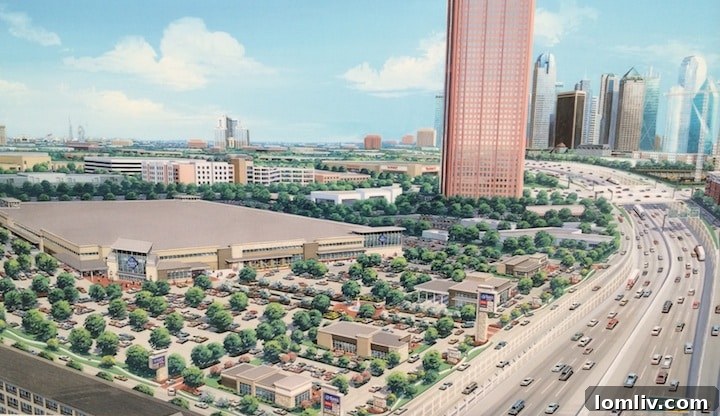
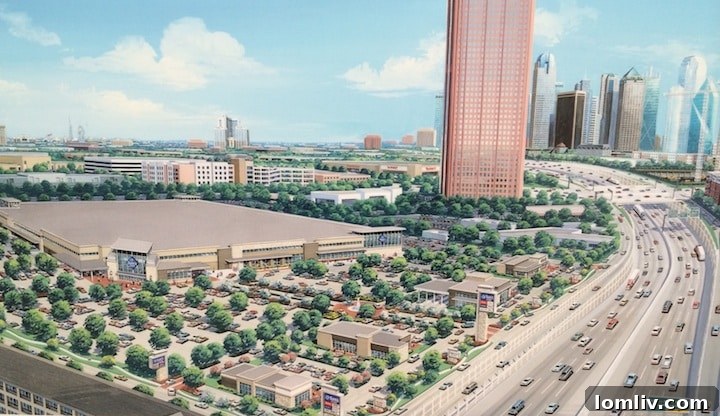
The urban landscape of Dallas is currently the stage for a compelling legal and community drama, as a controversial Sam’s Club development near the vibrant Cityplace area finds itself entangled in a protracted appeal process. What began as a routine approval for a significant commercial project has quickly escalated into a high-stakes confrontation, pitting a determined neighborhood association against a major developer and even the City of Dallas itself. The crux of the matter revolves around the proposed construction of a large-format Sam’s Club by Trammell Crow Company directly across from Cityplace, a development that has ignited considerable opposition among local residents and community stakeholders. This unfolding narrative highlights the complex challenges inherent in modern urban planning, balancing economic ambition with community preservation.
The Heart of the Dispute: A Community’s Stand Against Big Box Retail
At the center of this contentious debate is the East Village Association (EVA), a vocal community group that has been tirelessly advocating against the Sam’s Club project. Their concerns are multi-faceted and reflect a broader anxiety often associated with the integration of large-scale retail establishments into established urban environments. Residents fear that a big box store of Sam’s Club’s magnitude would drastically alter the character and livability of the East Village and Cityplace neighborhoods. Primary concerns include a significant increase in traffic congestion, particularly given the proximity to major thoroughfares and existing commercial hubs. This influx of vehicles is anticipated to strain local infrastructure, exacerbate parking issues, and diminish pedestrian safety, thereby eroding the very essence of urban walkability and community interaction that many Dallas neighborhoods strive to cultivate.
Beyond traffic, the EVA also raises pertinent questions about the environmental impact of such a large development. Issues such as increased impervious surfaces, potential storm runoff challenges, and the overall carbon footprint associated with a high-volume retail outlet are critical considerations for a city committed to sustainable urban planning. Furthermore, there’s a strong sentiment that a big box retailer like Sam’s Club, with its expansive footprint and corporate model, would be incongruous with the unique architectural aesthetic and local business ecosystem of the East Village area. This sentiment underscores a common tension in modern urban development: balancing the perceived economic benefits of large retailers with the desire to preserve local charm, support small businesses, and maintain a distinct neighborhood identity. For the East Village Association, this is not merely a zoning dispute but a battle for the soul of their community, embodying their deep-seated commitment to preserving the unique character of their neighborhood.
A Closer Look at the Legal Landscape: Judge Brown’s Pivotal Ruling
The legal saga took a significant turn on October 14, when Judge Phyllis Lister Brown issued a ruling that sent ripples through all parties involved. In a decision that granted new hope and validation to the East Village Association, Judge Brown sided with the community group, effectively halting the development process at that juncture. This ruling was a monumental victory for the EVA and their attorney, Anthony Ricciardelli, who had been actively preparing for a full trial, optimistically anticipating its commencement as early as the following year. The judge’s decision underscored the validity of the community’s grievances and suggested that the initial approval process for the Sam’s Club project might have overlooked critical legal or procedural aspects, empowering citizen groups in similar future disputes.
For community advocates, Judge Brown’s ruling was perceived as a powerful affirmation of their right to challenge large-scale developments that they believe are detrimental to their quality of life. It provided a crucial legal precedent that could embolden other neighborhoods facing similar challenges across Dallas and beyond, highlighting the potential for judicial intervention in matters of urban planning. Ricciardelli’s strategy aimed to bring the case to trial swiftly, hoping to secure a definitive resolution before construction could advance too far. However, the path to justice in such complex cases is rarely straightforward, as evidenced by the subsequent actions of the City of Dallas, which swiftly moved to challenge this initial judicial setback, demonstrating the tenacity often seen in high-stakes development conflicts.
The City of Dallas’s Dilemma: Approval, Liability, and Appeal
The City of Dallas finds itself in an unenviable position, navigating a delicate balance between facilitating economic development and addressing community concerns, all while managing potential financial liabilities. Immediately following Judge Brown’s ruling, Dallas City Attorney Warren Ernst filed an appeal, signaling the city’s intent to vigorously contest the decision. This action is not entirely surprising, given the city’s prior attempts to have the case dismissed. City attorneys had previously filed several motions to dismiss the case, citing various reasons, including a lack of jurisdiction, in an effort to clear the path for the development to proceed unhindered.
The city’s “queasiness” in this situation is palpable. Having initially approved what is undoubtedly a pricey and significant commercial project, the municipality now faces the uncomfortable prospect of having to backtrack on its decision. This carries substantial risks, primarily the immense liability that could arise if the city is deemed to have erred in its initial approval. Such a scenario could lead to costly lawsuits from the developer, Trammell Crow Company, for breach of contract, lost profits, and significant expenses incurred during the pre-construction phase. The city is undoubtedly weighing the financial implications of challenging Judge Brown’s ruling against the potential costs of allowing it to stand, particularly if it means unraveling an already approved and expensive undertaking. This complex interplay of legal strategy, financial risk, and political pressure highlights the challenging realities faced by urban governments in the realm of large-scale property development and community activism, where every decision carries far-reaching consequences.
The Paradox of the Appeal: Legal Stasis vs. Construction Momentum
The filing of the appeal introduces a significant paradox into the entire situation: while the legal proceedings have effectively been brought to a standstill, the physical development itself continues to advance. As is customary with appeals, the current case gets “set aside” or frozen while the higher courts review the challenges. This means that the eagerly anticipated trial, which the East Village Association and its attorney had hoped for in the near future, will now be postponed indefinitely. The process of appeals can be exceptionally lengthy, often involving multiple levels of review and further appeals, effectively putting the substantive legal arguments on ice. As one observer aptly put it, “Everything in the current case just gets as frozen as the turkeys in Sam’s deep freezers,” aptly capturing the frustrating legal stasis for the EVA.
Yet, strikingly, the building process itself is far from frozen. Trammell Crow Company, the developer, is reportedly proceeding with full steam ahead. Reports indicate that they are currently engaged in critical pre-demolition work, including asbestos remediation within the existing Xerox building on the site. Following this, the company plans to move forward with the complete demolition of the Xerox structure, clearing the way for the new Sam’s Club facility. Once the site is prepared, it will be handed over to Walmart (Sam’s Club’s parent company) to commence the actual construction of the big box store. This creates a deeply troubling scenario for the East Village Association: while their legal battle is navigating the slow, intricate corridors of the appeals system, the very building they are fighting against could be fully constructed, and potentially even open for business, long before a final judicial decision is rendered. The stark reality is that a 24-hour Thanksgiving Day sale at the new Sam’s Club could become a possibility even as the appeals work their way through the system, rendering any potential legal victory for the community group largely symbolic, if not entirely moot in its practical effect.
The Broader Implications for Dallas Urban Development
This ongoing saga holds significant broader implications for urban development practices and community engagement within the city of Dallas. The outcome of this case could establish a crucial precedent, influencing how future large-scale commercial and residential projects are vetted, approved, and potentially challenged. It highlights the inherent tension between a city’s desire for economic growth—manifesting as increased tax revenues, job creation, and commercial vitality—and the often-passionate concerns of local communities regarding quality of life, environmental impact, and the preservation of neighborhood character. This balance is a constant tightrope walk for city planners and elected officials, requiring foresight and careful consideration of long-term consequences.
The Sam’s Club dispute also sheds light on the critical role of zoning laws and the efficacy of public participation mechanisms in urban planning. If a project can proceed despite strong community opposition and an initial judicial ruling against it, questions arise about the robustness of the city’s planning processes and whether community input is genuinely integrated or merely a perfunctory step. This case serves as a powerful reminder that robust and transparent planning processes, coupled with effective avenues for citizen recourse, are essential for fostering trust between municipal authorities and their constituents. The resolution of this particular conflict will undoubtedly shape the discourse around urban growth, community rights, and corporate responsibility in Dallas for years to come, offering invaluable lessons for both developers seeking to build within established urban fabrics and communities striving to protect their unique identities and heritage.
What Lies Ahead: Potential Outcomes and Future Scenarios
The path forward for the Sam’s Club development and the East Village Association remains fraught with uncertainty, with several potential outcomes looming on the horizon. The most immediate next step involves the appeals court’s review of the City of Dallas’s challenge to Judge Brown’s initial ruling. This process alone could take many months, if not years, as legal arguments are presented, counter-arguments are made, and judicial deliberation takes its course. Should the appeals court side with the City of Dallas, Judge Brown’s ruling would be overturned, effectively removing a significant legal hurdle for Trammell Crow Company and Walmart. This would likely accelerate construction, with the community group left with few remaining avenues for legal challenge.
Conversely, if the appeals court upholds Judge Brown’s decision, the case would then likely return to a lower court for a full trial, as initially envisioned by Anthony Ricciardelli. However, by that point, the construction of the Sam’s Club might be considerably advanced or even completed, presenting a complex legal quandary. What remedy would be available to the East Village Association if they win a trial after the store is already open? Demolition orders are rare and immensely costly, typically only reserved for severe safety violations or profound legal irregularities. Monetary damages for harm to the community’s character or quality of life are also difficult to quantify and obtain. This highlights the urgent nature of pre-construction legal challenges and the strategic disadvantage faced by community groups when development continues unimpeded during appeals.
Beyond the direct legal outcomes, the financial stakes for all parties involved are considerable. Trammell Crow Company and Walmart have invested significant capital in this project, and any prolonged delay or unfavorable ruling carries substantial financial risk. The City of Dallas also faces potential financial liabilities, both from potential developer lawsuits and from the costs associated with protracted legal battles. For the East Village Association, while their financial stakes may be different, the investment in legal fees, time, and emotional energy is immense, driven by a deep commitment to their neighborhood. The ultimate resolution of this conflict will not only determine the fate of a single Sam’s Club but will also cast a long shadow over the future dynamics of urban development, community empowerment, and legal recourse in Dallas, making it a pivotal case in the city’s growth narrative.
Conclusion: An Unfolding Narrative of Urban Conflict and Resilience
The saga surrounding the Sam’s Club development near Dallas Cityplace is far from over, representing a microcosm of the complex challenges inherent in modern urban planning. It embodies the perennial tension between ambitious development projects and the steadfast resolve of communities seeking to preserve their unique identities and quality of life. As the legal battle unfolds through the arduous appeals process, Trammell Crow Company continues its inexorable march towards construction, creating a race against time for the East Village Association. The profound implications for Dallas’s urban fabric, legal precedents, and the relationship between its citizens and local government remain significant. This ongoing narrative underscores the resilience of community activism and the intricate, often frustrating, pathways to achieving justice and influence in the ever-evolving landscape of urban development. The outcome will undoubtedly be watched closely by developers, urban planners, and community groups across the region, serving as a critical case study in the unfolding drama of growth and preservation.