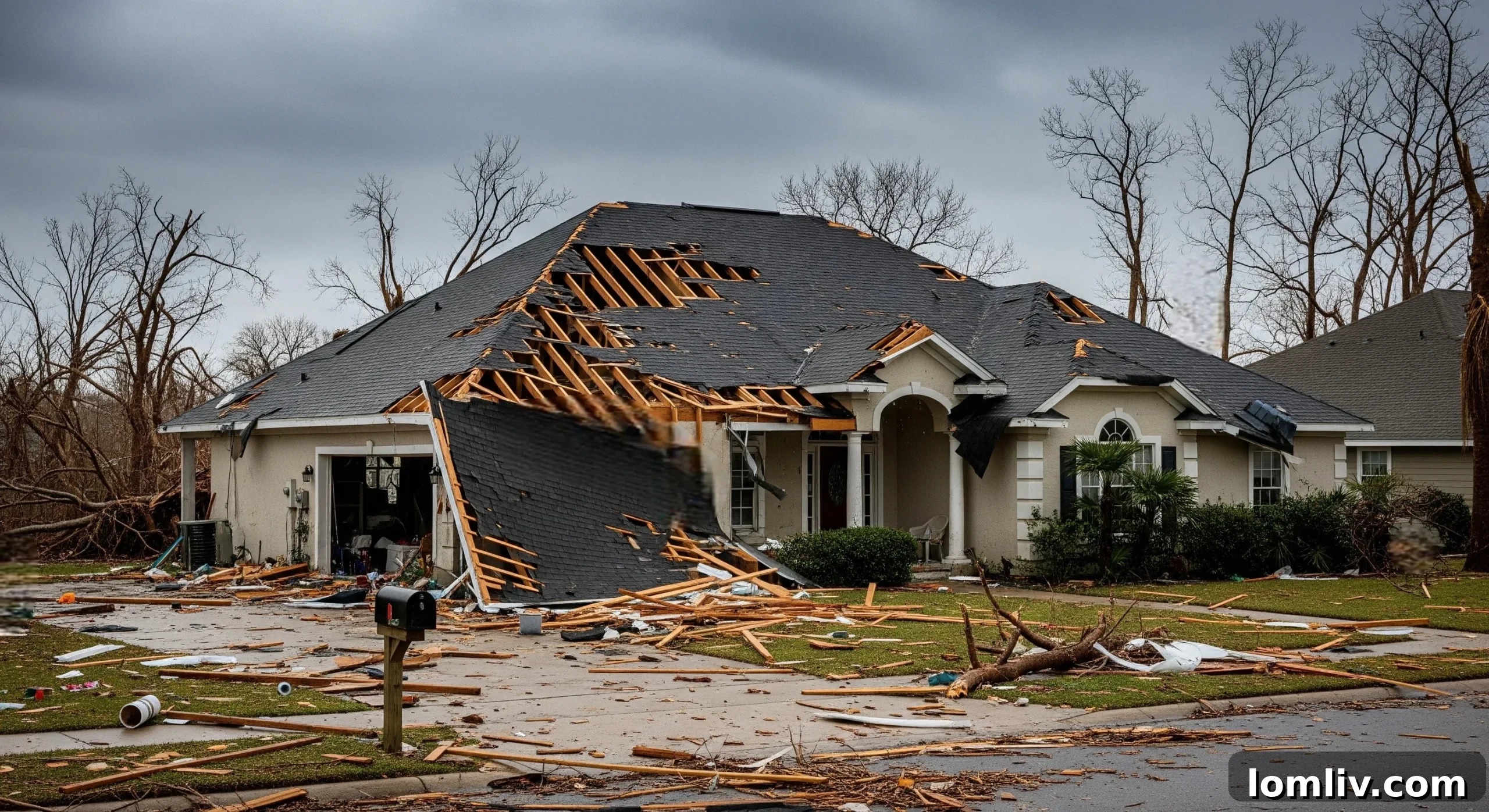
Texas, with its sprawling landscapes and dynamic climate, offers a unique blend of charm and challenge for homeowners. While mornings might greet you with clear, dry skies, the weather can rapidly shift, bringing intense thunderstorms and heavy rainfall by evening. This dramatic variability, coupled with common household issues like plumbing leaks, aging roofs, and persistent high humidity, positions water damage as one of the most pressing concerns for property owners across the region. When water infiltrates your home and is left unattended, it does more than just create an unsightly mess. It can significantly inflate repair costs, foster hazardous mold growth, compromise indoor air quality, and, in severe cases, weaken the very structural integrity of your house, posing long-term risks to both your property and your family’s safety.
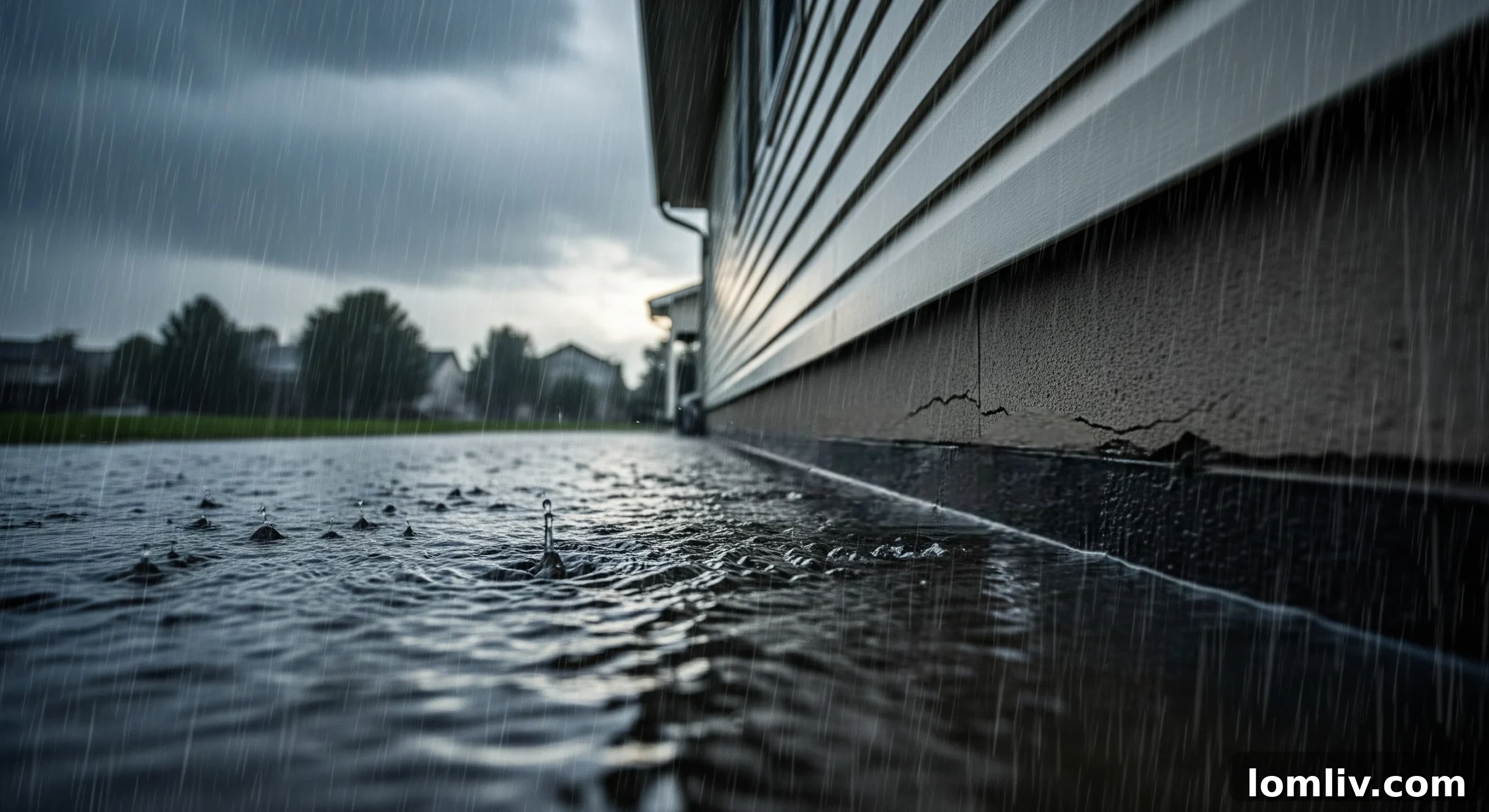
Understanding these pervasive threats is the first step toward effective protection. Fortunately, there are proactive measures and immediate actions you can implement to significantly minimize risk and prevent minor water intrusion issues from escalating into extensive, costly damage. This comprehensive guide will delve into the specific challenges faced by Texas homeowners and provide actionable strategies for safeguarding your most valuable asset.
Comprehensive Guide to Protecting Your Texas Home from Water Damage
Why Water Damage Poses a Significant Threat in Texas
Nationwide, water damage stands out as one of the primary reasons homeowners file insurance claims, accounting for nearly a third of all claims annually. In Texas, this threat is amplified by several unique environmental and infrastructural factors. The state is renowned for its volatile storm cycles, including powerful thunderstorms, torrential downpours, and frequent flash flooding, especially in low-lying areas and cities with extensive impervious surfaces. Furthermore, specific neighborhoods, particularly those with older infrastructure, often contend with aging plumbing systems and drainage networks that are more susceptible to failure under stress. This potent combination of unpredictable weather patterns and susceptible infrastructure makes proactive prevention and swift intervention not just advisable, but absolutely critical for Texas homeowners.
Beyond the immediate aftermath of a storm or a burst pipe, Texas’s clay-rich soil can also contribute to water-related issues. When dry, this soil shrinks; when wet, it expands dramatically. This constant shifting can exert immense pressure on home foundations, leading to cracks that become easy entry points for water. Understanding these multifaceted risks is essential for developing an effective water damage prevention and mitigation strategy tailored to the Texas environment.
Understanding the Common Causes of Water Damage in Texas Homes
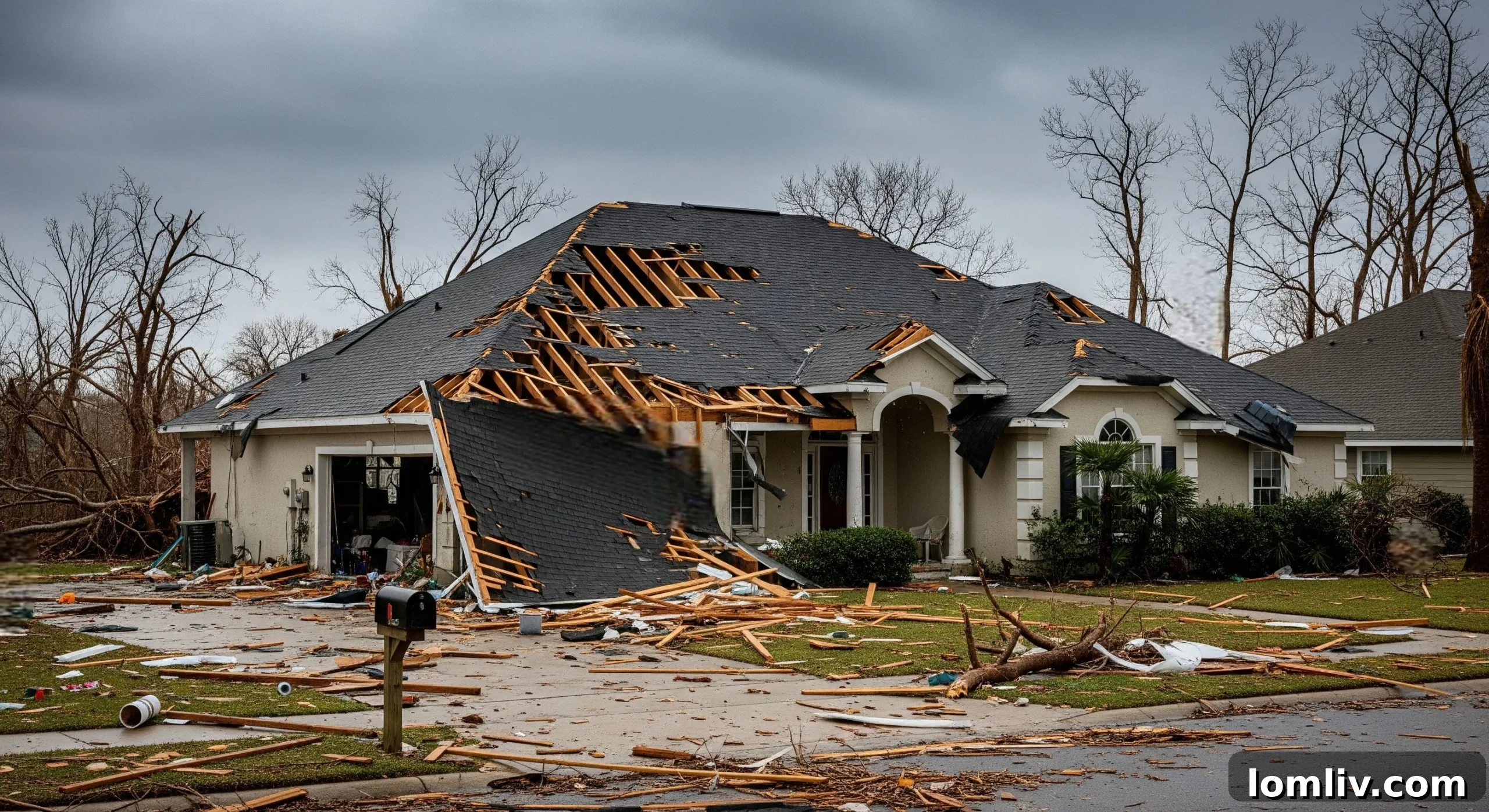
To effectively stay ahead of potential water problems, it’s invaluable to understand their most common origins. In Texas, some of the biggest culprits leading to costly damage include:
- Heavy Rain and Flash Flooding: Texas is no stranger to severe weather. Fast-moving thunderstorms and sudden, intense rainfall can quickly overwhelm drainage systems and low-lying areas, leading to significant flooding. Basements, crawl spaces, and even ground-level rooms can be inundated in a matter of minutes, causing extensive damage to foundations, flooring, and personal belongings. Even without widespread flooding, prolonged heavy rain can saturate the ground around your home, increasing hydrostatic pressure against foundation walls.
- Plumbing System Failures: The internal workings of your home’s plumbing are a constant potential source of water damage. A burst pipe, whether due to extreme cold (though less common, it still occurs in Texas winters) or age-related corrosion, can unleash gallons of water in minutes. Clogged drains that overflow, malfunctioning water heaters, leaky dishwashers, washing machines, or refrigerators, and even small, persistent drips from faucets or supply lines can lead to significant damage over time, often hidden until it’s too late.
- Roof Leaks: Texas roofs endure a barrage of harsh elements, from scorching summer sun and high winds to hail and heavy downpours. Over time, these conditions can wear down shingles, damage flashing around chimneys and vents, and compromise sealant, creating pathways for water to seep into your attic, ceilings, and walls. Even a small leak can lead to extensive damage, including rotting wood, damaged insulation, and mold growth.
- Foundation Cracks and Shifting Soil: As mentioned, the expansive clay soils prevalent in Texas are prone to significant movement with changes in moisture content. Cycles of drought followed by heavy rain can cause the soil to swell and contract, exerting immense pressure on your home’s foundation. This stress can lead to cracks in the foundation walls, allowing water to penetrate your home’s lowest levels.
- Poor Exterior Drainage and Landscaping: If your property is improperly graded, or if gutters and downspouts are clogged or direct water too close to your foundation, water will naturally pool at the base of your home. This standing water can eventually find its way indoors through microscopic cracks in the foundation, window wells, or even through the slab itself. Inadequate landscaping, such as flower beds that trap water against the house, can also contribute to this problem.
Understanding these common causes empowers you to be more vigilant and to spot small issues before they escalate into incredibly costly and complex repairs.
Proactive Strategies for Texas Homeowners: Preventing Water Damage
While you can’t control Texas weather, you absolutely can take a range of practical and effective steps to fortify your property against water damage. These strategies not only offer peace of mind but can save you thousands in potential repair costs and greatly extend the lifespan of your home.
- Inspect and Maintain Your Roof Regularly: Your roof is your home’s first line of defense against the elements. Perform a visual inspection of your roof, shingles, flashing, and gutters at least two to three times a year, and always after a significant storm involving high winds or hail. Look for missing, cracked, or curled shingles, damaged flashing around vents and chimneys, and any signs of wear. Addressing minor damage promptly by repairing or replacing compromised sections helps prevent leaks from developing or worsening. Consider professional roof inspections every few years to catch less obvious issues.
- Keep Gutters and Downspouts Clear and Functional: Clogged gutters are a primary cause of water pooling around foundations. When gutters are blocked by leaves, debris, or even bird nests, rainwater overflows directly onto the siding and collects at the base of your house instead of being channeled away. Regularly clean your gutters and ensure downspouts extend at least five to ten feet away from your foundation. You can also consider installing gutter guards to reduce maintenance frequency.
- Seal Windows and Doors Meticulously: Over time, the caulk and weatherstripping around windows and doors can deteriorate, creating small gaps that allow rain and moisture to seep into your home’s walls. Inspect these seals annually and re-caulk or replace weatherstripping as needed. Pay close attention to windows facing prevailing storm winds. This simple, inexpensive maintenance task can make a significant difference in preventing water intrusion.
- Maintain Your Home’s Plumbing System: Proactive plumbing maintenance is crucial. Schedule routine checks for all exposed pipes, hot water heaters, and drains. Look for any signs of corrosion, drips, or damp spots. Consider having a plumber inspect your main water line and other critical components periodically. Knowing the location of your main water shut-off valve is also vital; in case of a burst pipe, quickly turning off the water can save tremendous amounts of damage.
- Improve Drainage Around Your Home’s Foundation: Proper grading is essential. Ensure your yard slopes away from your home’s foundation by at least six inches over the first ten feet. If your property has negative grading, consider regrading your yard or installing French drains or catch basins to divert water away. Even adding extensions to your downspouts can make a significant difference in keeping water away from the foundation.
- Utilize Smart Leak Detection Technology: Modern technology offers an excellent layer of defense. Smart leak detectors, which are small, battery-operated sensors, can be placed near potential trouble spots like sinks, toilets, washing machines, dishwashers, water heaters, and in basements or crawl spaces. These devices will alert your smartphone immediately if they detect moisture, giving you precious time to address the issue before it becomes a major problem. Some advanced systems can even shut off your main water supply automatically.
- Inspect and Maintain Appliances: Appliances that use water, such as washing machines, dishwashers, and refrigerators with ice makers, have supply lines that can crack or burst. Regularly check the hoses for signs of wear, kinks, or leaks. Replace plastic hoses with more durable braided stainless-steel versions every five to seven years as a preventative measure.
- Protect Your Foundation: Consider applying a waterproof sealant to your foundation walls, especially if you have a basement or crawl space. Ensure proper ventilation in these areas to prevent moisture buildup. Regularly inspect your foundation for new cracks and have any significant ones professionally repaired.
When to Call a Professional for Water Damage Restoration

Despite your best preventative efforts, unforeseen events like a severe Texas storm or a sudden plumbing mishap can still lead to water intrusion. Once water enters your home, the clock starts ticking. Damage sets in quickly: floors can swell and warp, drywall begins to crumble, and furniture may be ruined within mere hours. Give it another 24 to 48 hours, and the conditions become ripe for hazardous mold and mildew to take hold, posing significant health risks and further compromising your home’s structure. This is precisely when a professional water damage restoration service makes an indispensable difference.
Restoration crews are not just equipped with standard shop vacs. They arrive with specialized, heavy-duty pumps for rapid water extraction, industrial-grade dehumidifiers, and high-volume air movers designed to thoroughly dry out affected areas. They also use advanced moisture meters and thermal imaging cameras to detect hidden moisture within walls, subfloors, and insulation—places you can’t see or reach. Their process goes beyond superficial drying; they will carefully assess the extent of the damage, remove damp or contaminated materials, dry out structural components, and treat surfaces to prevent mold growth. Having experienced professionals handle the cleanup and drying process provides invaluable peace of mind, ensuring your house is not only visibly dry but also truly safe, healthy, and structurally sound to live in again.
Why Quick Action Saves You Money and Protects Your Investment
When it comes to water damage, every hour truly counts. What might seem like a minor drip under the sink today can rapidly escalate into widespread issues requiring mold remediation, complete flooring replacement, or even costly structural repairs that can run into thousands of dollars. The longer water sits, the more it penetrates materials, leading to more extensive and expensive secondary damage. Porous materials like drywall, insulation, and wood absorb water like sponges, promoting rot and weakening. Furthermore, delays can impact your insurance claim; some insurance providers may push back or even deny claims if they determine that negligence or unreasonable delay in action contributed to the extent of the damage. Calling for professional help immediately after detecting water damage is unequivocally the best way to protect your home from long-term harm and significantly reduce your overall financial burden. Prompt action minimizes destruction, mitigates health risks, and streamlines the restoration process.
Final Thoughts: Staying Prepared for Texas’s Unpredictable Climate
Life in Texas is synonymous with unpredictability when it comes to weather. One week might bring prolonged dry spells, while the next unleashes ferocious thunderstorms, hail, and suddenly flooded streets. This inherent volatility is a fundamental aspect of living in the Lone Star State, and it underscores why diligent homeowners must remain one step ahead of potential water-related hazards.
By consistently attending to the basics—such as diligently keeping gutters and downspouts clear, ensuring your roof is in prime condition, promptly fixing even the smallest plumbing leaks, and proactively enhancing your property’s drainage—you establish a robust first line of defense. These preventative measures are your best allies in safeguarding your home against the most common threats. However, should water manage to breach your defenses, remembering to call a professional water damage restoration team without delay is not just a smart move; it’s an essential one. These experts possess the specialized equipment and expertise required to thoroughly dry out your property, address hidden damage, and remediate any mold growth, thereby helping you and your family return to normalcy much quicker and with greater confidence in your home’s integrity.
Owning a home in Texas undoubtedly comes with its unique set of challenges, particularly concerning water. Yet, with a combination of informed preparation, consistent maintenance, and the readiness to act decisively when problems arise, you can face whatever the ever-changing Texas weather rolls through with confidence and peace of mind.