By Brenda Masse
Special Contributor
Why Every New Home Needs a Phase Inspection: Uncovering Hidden Flaws Before They Become Costly Nightmares
The Dallas-Fort Worth real estate market has consistently proven its dynamism, with 2022 maintaining a highly competitive landscape. The persistent shortage of available existing homes has led many prospective buyers to explore the promising avenue of new home construction. Whether you’re considering building a custom home from the ground up or purchasing a newly completed property, a crucial question arises: Do you truly need a home inspector for a new home? The unequivocal answer is a resounding YES!
Unlike pre-owned homes that have been “lived in” – their systems tested by everyday use and problems often revealed over time – a brand-new house hasn’t had the benefit of such scrutiny. Construction flaws, missed details, and potential code violations can be easily overlooked during the rapid pace of building. This is precisely where a professional home inspector becomes your invaluable ally, putting the home’s systems and structure through rigorous evaluation before you ever turn the key. From the initial foundation pour to the final walk-through, an inspector acts as your unbiased advocate, identifying potential issues that builders might miss, allowing for timely corrections and ensuring your investment is sound.
Building a new home represents one of the most significant financial and emotional investments you’ll ever make. The allure of a pristine, untouched property is powerful, but it can also create a false sense of security. While reputable builders strive for quality, the construction process is complex, involving numerous subcontractors and tight deadlines. Human error, material shortcuts, and communication breakdowns can occur, often resulting in hidden defects that won’t become apparent until well after you’ve moved in. These latent problems can lead to costly repairs, safety hazards, and immense frustration down the line. A comprehensive phase inspection process is designed to prevent these future headaches, offering peace of mind and protecting your long-term investment.
Understanding Phase Inspections: Your Shield Against Costly Construction Flaws
Standard home inspections typically occur once a home is fully built. However, for new construction, a more proactive approach is essential: phase inspections. This involves bringing in a qualified home inspector at critical stages of the building process, allowing them to assess the quality of work and compliance with building codes before key elements are covered up. This multi-stage inspection process is the most effective way to catch potential problems when they are easiest and least expensive to fix. It ensures accountability and transparency throughout the construction journey, safeguarding your interests.
Here are some real-world #HomeInspectionFinds from phase inspections on new homes, illustrating why this tiered approach is non-negotiable for any new home buyer:
1. Phase 1: Pre-Pour / Foundation Inspection — The Bedrock of Your Home
The foundation is, without a doubt, the most critical structural component of any home. Issues with the foundation can lead to a cascade of problems throughout the entire structure, including cracks in walls, uneven floors, plumbing leaks, and even significant structural failure. This is why the Pre-Pour, or Phase 1, inspection is paramount. Before a single drop of concrete is poured, an inspector meticulously examines the prepared site.
During this vital inspection, the inspector checks numerous elements: the depth and width of trenches, the placement and sizing of steel reinforcement (rebar), the presence and integrity of vapor barriers (crucial for moisture control), plumbing stub-outs, and proper formwork. Any deviation from engineering plans or building codes at this stage can have catastrophic long-term consequences, often proving incredibly expensive and disruptive to correct after the concrete sets. The video below dramatically illustrates the kinds of significant issues an inspector can uncover, issues that would be permanently concealed and would undoubtedly lead to costly damage over time if not rectified.
2. Phase 2: Pre-Drywall / Framing & Mechanical Inspection — The Home’s Inner Workings
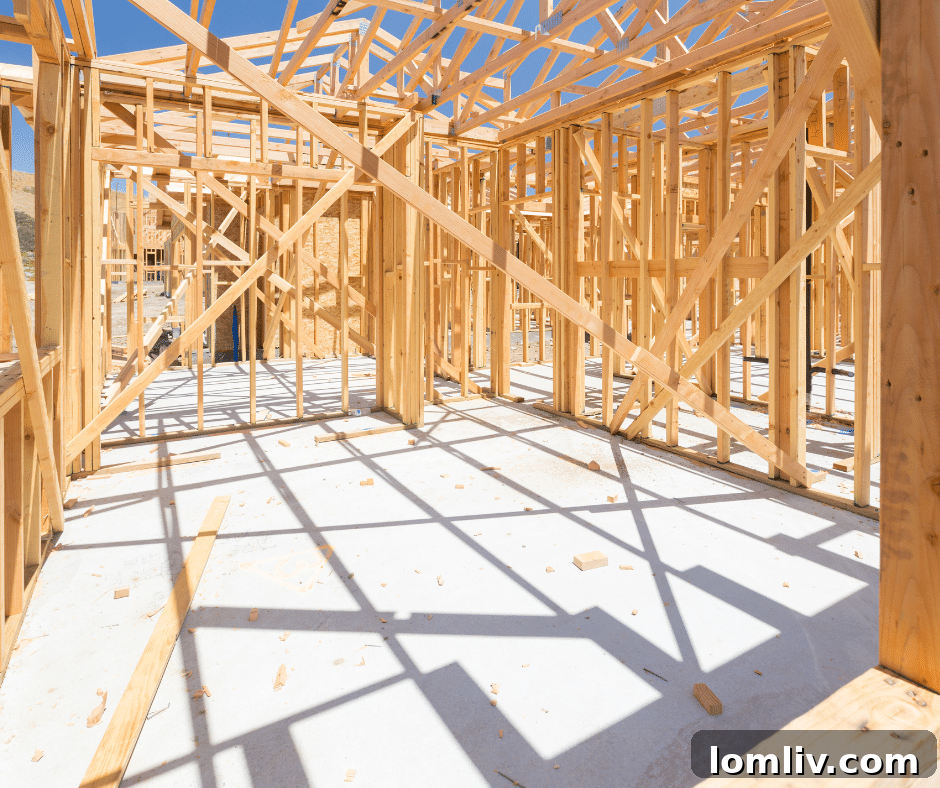
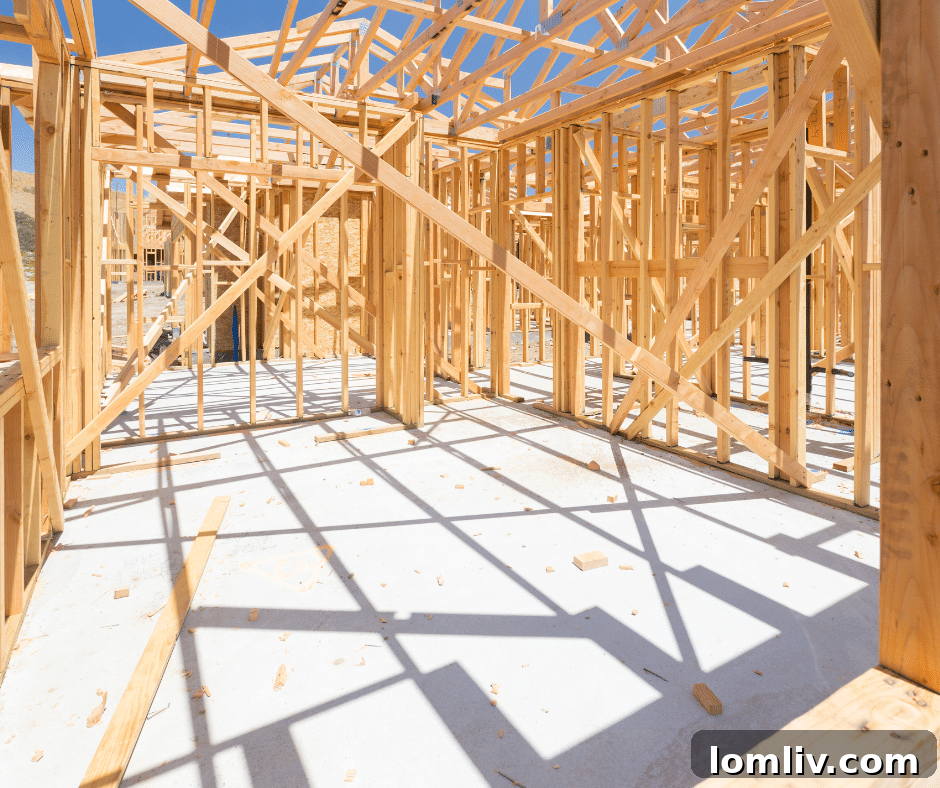
Once the foundation is complete and the framing is up, but before the drywall conceals the interior structure, the Pre-Drywall, or Phase 2, inspection takes place. This is arguably the most comprehensive and revealing inspection, as it allows the inspector to examine the critical “guts” of your home that will soon be hidden from view. This includes the entire structural framing, electrical wiring, plumbing systems, and HVAC ductwork and components. It’s an opportunity to ensure everything is installed correctly, safely, and according to code.
During this inspection, the inspector looks for a multitude of potential issues: proper nailing and bracing of the framing, correct sizing and installation of electrical wiring (including junction boxes and outlets), leak-free plumbing connections and proper venting, correctly sealed and insulated HVAC ducts, and adequate insulation installation. They also check for proper window and door installation, and the integrity of moisture barriers. As demonstrated in the accompanying video, an inspector can find improper materials or shoddy workmanship that, once covered by drywall, would become invisible until a significant problem arises. Imagine hosting a patio party only to discover a structural failure due to substandard materials — this inspection prevents such future woes and ensures the safety and longevity of your home.
3. Final Inspection: Pre-Closing Walk-Through — The Last Line of Defense
The Final Inspection occurs once the construction is ostensibly complete, typically just before your final walk-through with the builder and prior to closing. While earlier phase inspections focus on hidden structural and mechanical elements, the final inspection is a comprehensive review of the entire property, inside and out. It’s designed to catch any last-minute issues, cosmetic flaws, functional deficiencies, and ensure all systems are operating as they should. This includes everything from the smallest detail of a paint job to the proper functioning of major appliances.
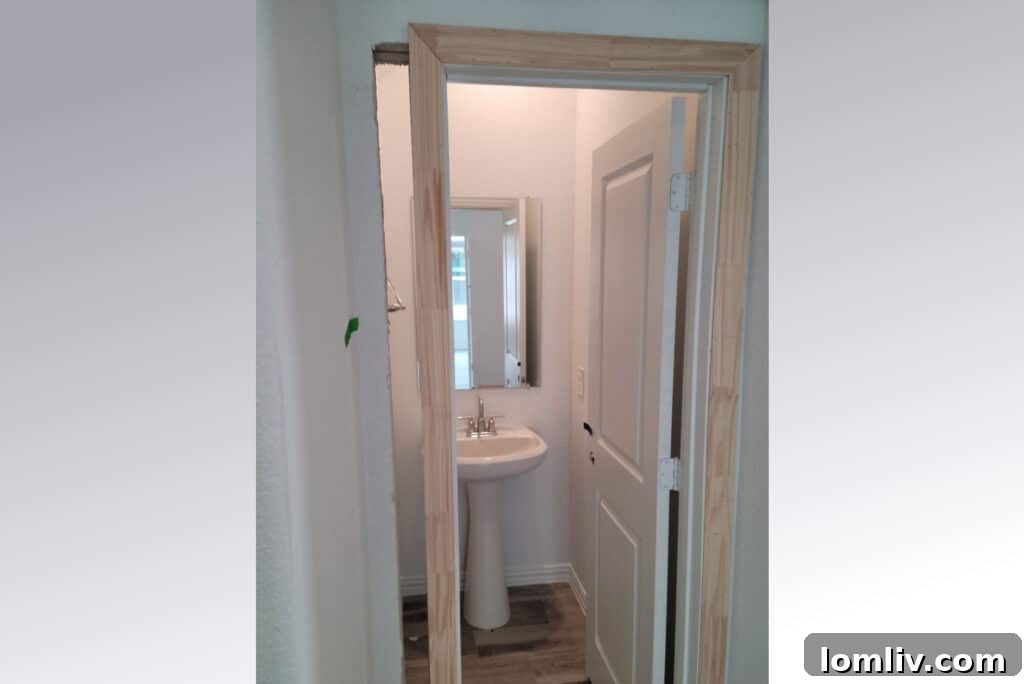
An inspector will meticulously examine the roof, exterior grading for proper drainage, visible foundation, windows, doors, interior finishes (flooring, cabinetry, countertops), plumbing fixtures, electrical outlets and switches, HVAC system operation, and all installed appliances. Even with the best intentions, builders can overlook details, especially under the pressure to complete homes quickly in a demanding market like Dallas-Fort Worth. The image provided, showing an example of improper framing, serves as a stark reminder that attention to detail can sometimes be lacking even in visible areas, let alone hidden ones. While this specific “framing the problem” example might ideally be caught during a Phase 2 inspection, it underscores that critical oversights can occur and a diligent final inspection can still identify issues that need addressing before you take ownership.
The True Value of a Professional Home Inspector in New Construction
When it comes to a house, the word “new” doesn’t automatically equate to “perfect condition.” Builders are human, and as observed in the current competitive market, there is immense pressure to construct houses rapidly. This accelerated pace, unfortunately, increases the likelihood of mistakes. A professional home inspector, specifically one experienced in new construction and phase inspections, provides an unbiased, third-party assessment. They work solely for you, the home buyer, ensuring that your interests are protected.
Their expertise goes beyond what the average person can observe. They possess in-depth knowledge of building codes, construction best practices, and common failure points. Equipped with specialized tools and a trained eye, they can detect subtle deficiencies that might escape detection during a casual walk-through. Hiring an inspector is not an act of distrust towards your builder; rather, it’s a smart, preventive measure to ensure the quality and longevity of your significant investment. The small upfront cost of phase inspections pales in comparison to the potential expenses of repairing major structural, electrical, or plumbing issues after construction is complete.
Choosing the Right Inspector for Your New Build
When selecting a home inspector for your new construction project, look for specific qualifications:
- Experience in New Construction: Not all inspectors specialize in new builds. Ensure they have a proven track record of conducting phase inspections.
- Knowledge of Local Building Codes: Familiarity with Dallas-Fort Worth specific building codes is crucial.
- Clear Communication: An excellent inspector will clearly explain findings, provide detailed reports, and be available to answer your questions.
- Professional Certifications: Look for inspectors who are licensed and certified by reputable organizations.
Beyond the Report: Acting on Inspection Findings
Once your inspector completes a phase inspection, they will provide you with a comprehensive report detailing any deficiencies, code violations, or areas of concern. This report is your leverage. You should promptly provide it to your builder, who is typically obligated to correct identified issues before proceeding to the next construction stage or before closing. It’s essential to maintain open communication with your builder and your inspector throughout this process, ensuring that all necessary repairs are made to your satisfaction.
Document everything: dates of inspections, copies of reports, and correspondence with your builder regarding repairs. Follow-up inspections may be necessary to verify that corrections have been properly executed. This diligent approach ensures that you’re not just buying a new home, but a new home built to the highest standards of quality and safety.
Secure Your Investment: Don’t Skip New Home Inspections
In conclusion, while the prospect of owning a brand-new home is exciting, it’s imperative to approach the purchase with diligence and foresight. The competitive Dallas-Fort Worth real estate market and the pressures on builders underscore the critical need for independent oversight. Phase inspections are not an optional luxury; they are an essential safeguard for your investment, your safety, and your peace of mind.
By engaging a qualified home inspector at every critical stage of construction – from the foundation pour to the final walk-through – you empower yourself with the knowledge needed to ensure your new home is built right, from the ground up. Don’t let hidden problems become future financial burdens. Invest in a thorough phase inspection process, and step into your new home with confidence, knowing it has been rigorously vetted by a professional.