Embracing the Smaller Footprint: A Guide to Stress-Free Downsizing and “Right-Sizing” Your Life
For decades, the American dream often revolved around the pursuit of a larger home, with “bigger is better” serving as a guiding principle for many house hunters. However, a significant cultural shift is underway. A growing number of individuals, couples, and families are actively seeking to downsize with their next home purchase, opting for a smaller, more manageable living space. This trend reflects a desire for greater freedom, reduced maintenance, financial flexibility, and a more intentional way of life.
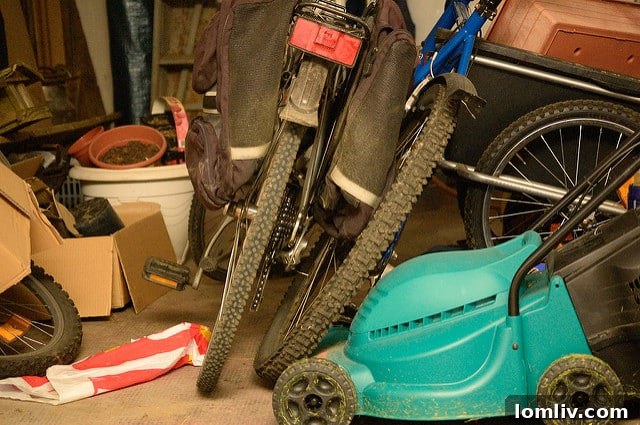
The journey to a smaller home, while liberating, presents its own unique set of challenges, particularly the daunting task of culling a lifetime’s worth of possessions. This hurdle is often most pronounced for empty nesters and seniors, who have accumulated countless items – not just their own, but often those of their children and even previous generations. The emotional weight attached to these possessions, each holding cherished memories, can make the decluttering process feel overwhelming, creating a significant barrier to making the move.
Fortunately, the burgeoning field of professional downsizing and relocation services offers invaluable assistance. These experts specialize in helping individuals navigate the complex emotional and logistical aspects of moving to a smaller space, providing guidance on categorization, sorting, and ultimately, processing the emotional ties to belongings that may no longer serve a practical purpose in a new, streamlined environment.
Meet the Downsizing Expert: Brooke Evans and Senior Focused Relocations
Brooke Evans stands at the forefront of this specialized industry. As the managing director of Senior Focused Relocations, a Dallas-based company, she has been instrumental in assisting approximately 2,500 clients with their moves since the company’s inception in 2005. While her primary focus is on seniors transitioning into assisted living or retirement communities, Evans’ expertise and compassionate approach resonate with anyone seeking to embrace a smaller living footprint, regardless of age.
“We help seniors with the downsizing and organization process, guiding them through the transition from a home they’ve often lived in for 30 or 40 years, to something much smaller,” Evans explains. She introduces the concept of “right-sizing,” defining it as “adjusting to the space requirements they’ll have, what fits the frame of life they’re actually in. Most people aren’t using the majority of their house.” This philosophy underscores a fundamental truth: a home should serve its inhabitants, not the other way around. Right-sizing is about aligning one’s living space with their current lifestyle and needs, rather than clinging to excess.
The Psychology of Possessions: From Ownership to Liberation
Evans’ wisdom extends beyond mere logistics. She delves into the psychological aspects of our relationship with material possessions, encouraging clients to reflect on the idea of not being “owned” by their belongings. Her advice revolves around identifying true priorities and wholeheartedly embracing the liberation that comes with living in a smaller home with fewer items. This shift in mindset can be profoundly empowering, transforming the daunting task of decluttering into a journey of self-discovery and freedom.
“There is a movement toward more of a minimalist approach, and a lot of people are embracing the idea of moving into smaller homes,” Evans observes. “We are interested in figuring out what to cull, what items bring joy – there’s no one-size-fits-all for getting rid of your items. It’s a process.” This emphasis on joy and individual choice aligns with popular decluttering methodologies, recognizing that personal value and sentiment dictate what stays and what goes. The process is deeply personal, requiring empathy and careful consideration.
Preserving Memories, Not Just Objects
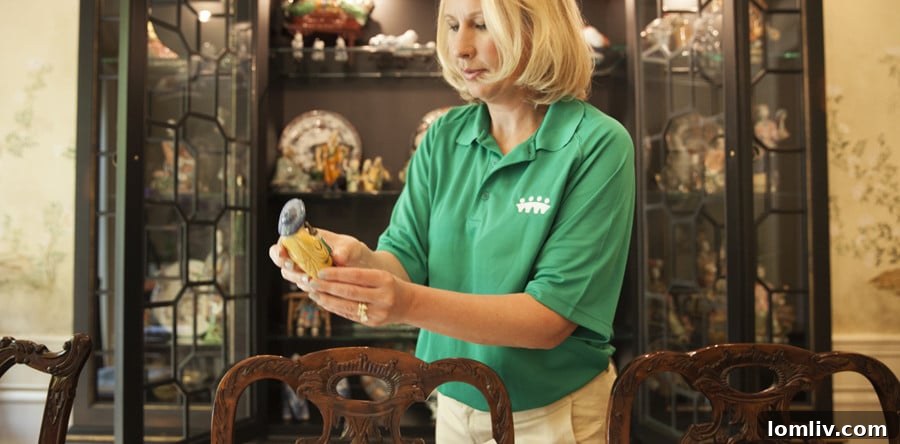
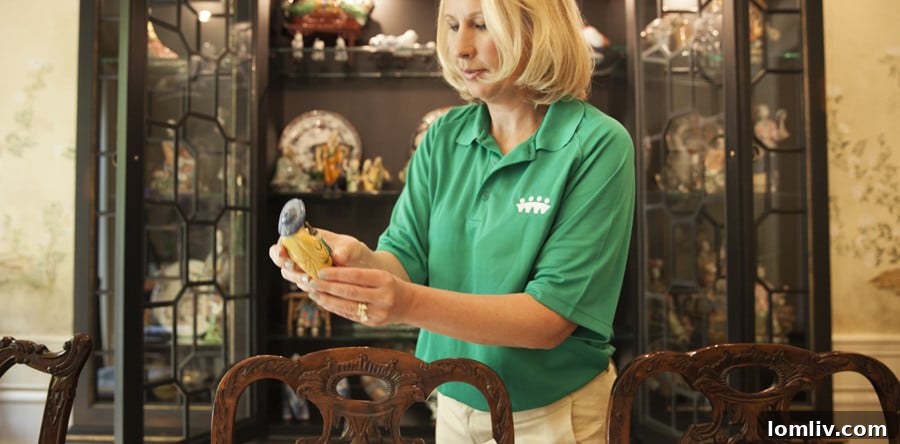
One of the most profound challenges in downsizing is confronting the memories attached to objects. Evans emphasizes that the goal isn’t to erase memories, but to find new ways to honor them without physical clutter. Instead of insisting on keeping an entire dining room set, for instance, she encourages clients to select just two chairs that hold special significance. Similarly, from a china set for 12, retaining two place settings allows happy memories to be preserved in a manageable form, while the remaining pieces can find new homes. This strategy empowers individuals to break up sets, keeping a few cherished pieces that truly resonate, ensuring that the essence of the memory remains intact without overwhelming their new space.
Evans’ practical approach is particularly beneficial for clients moving into retirement communities like the Edgemere retirement community in East Dallas. She meticulously measures existing furniture and the new living space, helping clients visualize what will fit comfortably and what must be rehomed. Depending on individual needs, her services can range from a basic consultation to a comprehensive, full-service package that includes measuring, culling, packing, professional moving, unpacking, and arranging belongings in the new residence. This tailored approach ensures every client receives the precise level of support they require.
Beyond the move itself, Evans provides crucial guidance on managing items that won’t accompany clients to their smaller homes. She helps clients explore various options: organizing an estate sale, consigning items at specialty shops, gifting possessions to children or other family members, or donating to charitable organizations. This comprehensive support alleviates the stress of decision-making, ensuring that belongings are handled responsibly and respectfully.
“I am walking them through the process, organizing their selections, and our approach doesn’t take them down too many rabbit holes – we ask them to do homework so we’re not there 40 hours going through objects,” she explains. This structured yet compassionate method empowers clients to actively participate in their downsizing journey without feeling overwhelmed, streamlining the process and making it more efficient.
Upsizing Life Through Downsizing Space
The transition to a smaller living space is not merely about reducing square footage; it’s often about enhancing quality of life. John Falldine, managing director of Edgemere, highlights the importance of focusing on the positive aspects of this change. “The way to help people to adjust to the space is not to have them adjust to the apartment — our job is really to distract them from the change by making all the positive aspects of the community more important,” Falldine asserts. “We want them to focus on all the things that are available to them in the community that they didn’t have in their home. They are upsizing in terms of options and quality of life.”
This perspective holds true not only for seniors entering retirement communities but for anyone embracing a downsized lifestyle. Fewer possessions and reduced square footage translate into a wealth of benefits: increased freedom, significantly less cleaning and maintenance, lower utility bills, and ultimately, more time and energy to pursue new interests, hobbies, and social connections. The burden of a large home, with its endless upkeep and financial demands, is lifted, paving the way for a more fulfilling and active life.
Evans frequently observes the renewed vigor and happiness in her clients after a successful downsize. “Many are excited about downsizing – they’re not living in their whole house, and it’s nice not having to do their yard or worry about maintenance or worry about if something were to happen to them and they were alone,” she states. “I typically see they love having the updated décor, flooring, and walls, and [the new, smaller space] brings new life to the furniture and decorative items. They have selected the things that really matter to them so they’re surrounded by just what’s really important.” The fresh aesthetic of a new home, combined with carefully curated belongings, creates a sanctuary that truly reflects their present desires and future aspirations.
Investing in a Smooth Transition: The Cost of Downsizing Expertise
The cost of hiring a downsizing expert varies significantly, reflecting the range of services provided. For a company like Senior Focused Relocations, fees can start from around $800 for basic consultation and guidance, and extend up to $8,000 for a comprehensive, full-service package. This premium service typically includes detailed measurements and space-planning, professional packing and moving, meticulous unpacking, and expert organization of all belongings within the new home. While seemingly a substantial investment, the peace of mind, reduced stress, and efficient transition facilitated by these professionals often prove invaluable, especially during such a significant life change.
In conclusion, downsizing is far more than just moving to a smaller house; it’s a strategic decision to “right-size” one’s life, embracing minimalism, reducing responsibilities, and opening doors to new opportunities. With the right expert guidance, what might seem like an overwhelming task can become a smooth, liberating transition, allowing individuals to shed the unnecessary and truly savor the freedom that comes with a perfectly tailored living space.