In recent times, global events have profoundly reshaped economic landscapes worldwide, sending ripples across various sectors, including the seemingly localized real estate market. The conflict between Russia and Ukraine, for instance, has not only dominated headlines but has also triggered a cascade of economic consequences. While most people immediately notice rising gas prices, increased inflation, and a volatile stock market, the ramifications extend far deeper, impacting areas that might not be immediately apparent. One such critical sector already experiencing significant shifts due to international sanctions is the real estate industry, both domestically and globally.
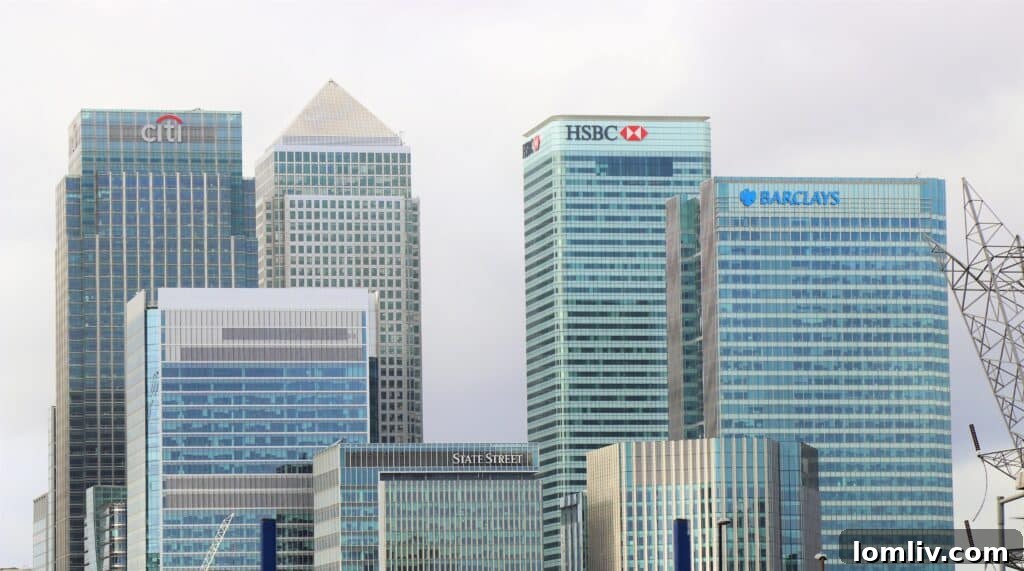
As societies become increasingly interconnected, the intricate web of global banking institutions has made it clear that financial systems worldwide are deeply interdependent. American banks, for example, possess an expansive economic reach, relying heavily on seamless international transactions for everything from sourcing raw commodities to facilitating complex manufacturing processes and investment opportunities. The real estate sector, which often involves significant capital flows and diverse investor pools, is certainly no exception to this model. Unfortunately, the interconnectedness of Russian banking with this global framework means that sanctions imposed on Russian entities inevitably create widespread disruptions.
Understanding the Ripple Effect: How Global Sanctions Impact Your Real Estate Transactions
The imposition of sanctions by various governments, particularly the United States, against Russian entities has introduced new layers of complexity and risk for individuals and businesses engaged in real estate transactions. The Office of Foreign Assets Control (OFAC), a critical arm of the U.S. Treasury Department, has issued several directives specifically targeting Russian financial institutions, businesses, and individuals. These directives are not merely symbolic; they carry significant legal weight and dictate strict prohibitions against engaging in any transactions with sanctioned Russian entities. This includes, but is not limited to, dealings with Russian banks, buyers, sellers, and even mortgage lenders that are directly or indirectly linked to sanctioned parties.
For those involved in the real estate market, these prohibitions translate into tangible challenges. Any real estate closing that is found to be tied to a sanctioned entity – whether through the buyer, seller, a financing institution, or even a beneficial owner – can face severe delays or outright cancellation. The process is not straightforward; when a transaction involves a bank or an asset that appears on OFAC’s sanctions list, obtaining OFAC approval becomes a mandatory and often protracted step. This critical approval is essential to legitimize and complete any transition of assets or funds. Consequently, a thorough understanding of all parties involved in a real estate transaction has become more vital than ever.
Real estate professionals, particularly those in the title and escrow sector, are on the front lines of this evolving compliance landscape. Lydia Blair, a respected Title Tip columnist and Vice President and Escrow Officer at Allegiance Title, observes these sanctions impacting more and more transactions. She emphasizes the increased scrutiny required in today’s market. “I received a reminder today from one of our title insurance underwriters,” Blair notes, underscoring the industry’s heightened awareness. “In fact, prior to closing any real estate transaction, all title insurance companies are mandated to meticulously check the OFAC Sanctions Lists for the names of all parties to a transaction.” This rigorous due diligence ensures that no funds or assets inadvertently flow to or from sanctioned entities, protecting all parties involved from potential legal repercussions.
Blair often uses a memorable analogy to highlight the seriousness of these regulations for real estate clients: “My favorite saying regarding these rules,” she shares, “is ‘If you’re on the no-fly list, you may very well be on the no-buy list.'” This poignant statement succinctly captures the essence of OFAC’s reach – for individuals or entities flagged by OFAC, participating in significant financial transactions like real estate purchases becomes virtually impossible without explicit, and often challenging, authorization.
Navigating the Compliance Landscape: Strategies to Mitigate Real Estate Risks
As the Biden administration continues to intensify sanctions in response to geopolitical tensions in Eastern Europe, it is absolutely paramount for everyone involved in real estate – from individual buyers and sellers to seasoned real estate professionals – to thoroughly understand the origins and destinations of their money. Engaging in any large-scale purchase, especially buying or selling a home, now requires an even more rigorous approach to due diligence. This includes meticulously vetting all institutions and individuals involved in the transaction. This scrutiny should extend to title companies, mortgage lenders, sellers, buyers, and their respective agents and representatives.
To avoid potential headaches, legal complications, and significant financial losses, consider the following proactive measures:
- Comprehensive Vetting: Before committing to a transaction, perform thorough background checks on all parties. For institutional players like banks and title companies, verify their compliance procedures and ensure they have robust systems in place to screen against sanctions lists. For individual buyers or sellers, understand their financial background, source of funds, and any international connections that might raise red flags.
- “Know Your Customer” (KYC) Principles: Real estate professionals should adopt enhanced KYC protocols. This means collecting and verifying identity information, understanding the nature of the business relationship, and assessing any potential risks. For complex transactions, consider requesting beneficial ownership information to identify the ultimate natural persons who own or control a legal entity.
- Professional Guidance: If there is any ambiguity or suspicion regarding the parties involved, or if a potential link to a sanctioned entity is identified, seek immediate legal counsel from an attorney specializing in international trade law and OFAC compliance. Their expertise can be invaluable in navigating complex regulations and ensuring legal adherence.
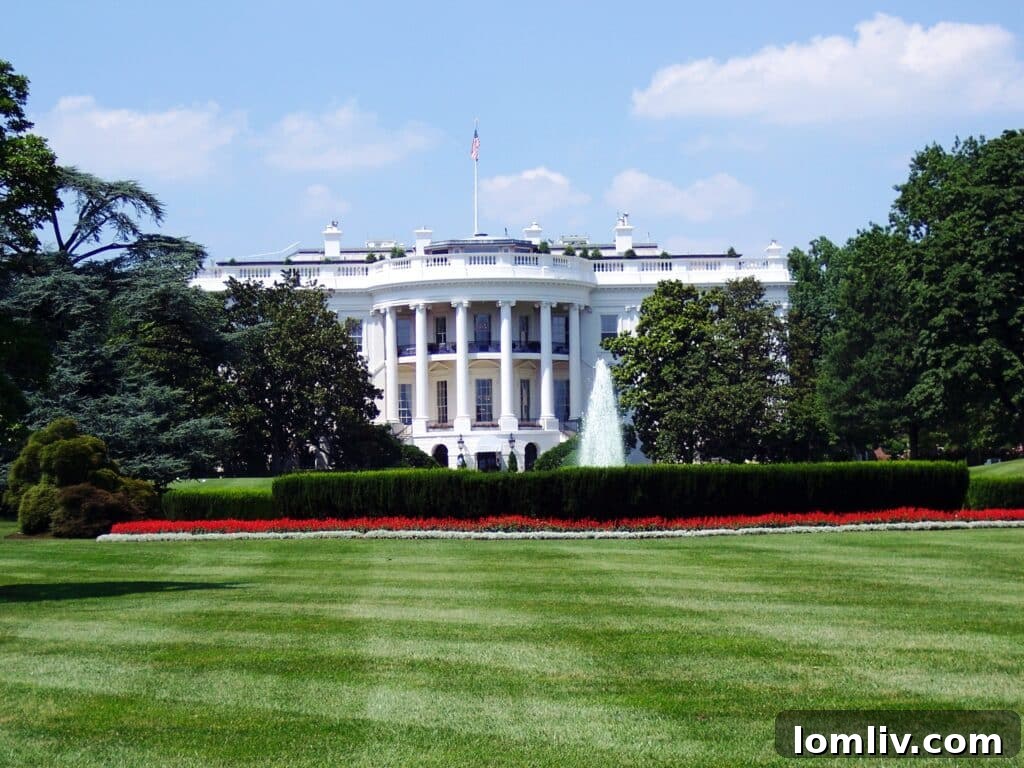
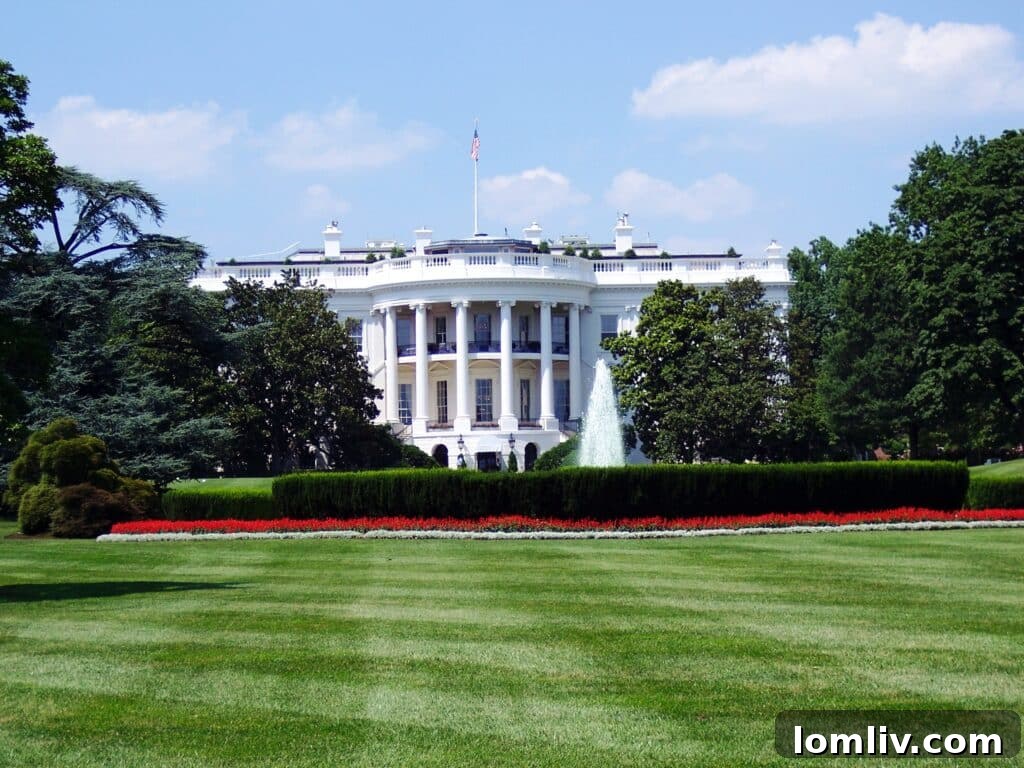
- Utilize Official Resources: The U.S. government provides readily accessible resources for clarification and up-to-date information. If you have any specific questions or concerns regarding your selling or purchasing parties, you can directly contact the US Treasury for official clarification and guidance. Furthermore, for the most current information about these dynamic sanctions, the White House regularly publishes fact sheets that outline major Russian banks and specific entities currently under sanctions, detailing their status and the scope of restrictions. These resources are indispensable for staying informed and ensuring compliance.
As if this housing market couldn’t present any more challenges, we find ourselves operating amidst one of the most significant European conflicts in decades. While the added layers of due diligence and potential transaction complexities can certainly contribute to frustrations for individuals and businesses domestically, it is crucial to remember the broader context. These stringent measures are not arbitrary; they are essential components of a global effort to support allies abroad and uphold international norms. Navigating this intricate landscape requires vigilance, adaptability, and a commitment to robust compliance practices, ensuring the integrity of our financial systems even as global events continue to evolve.